Latest posts
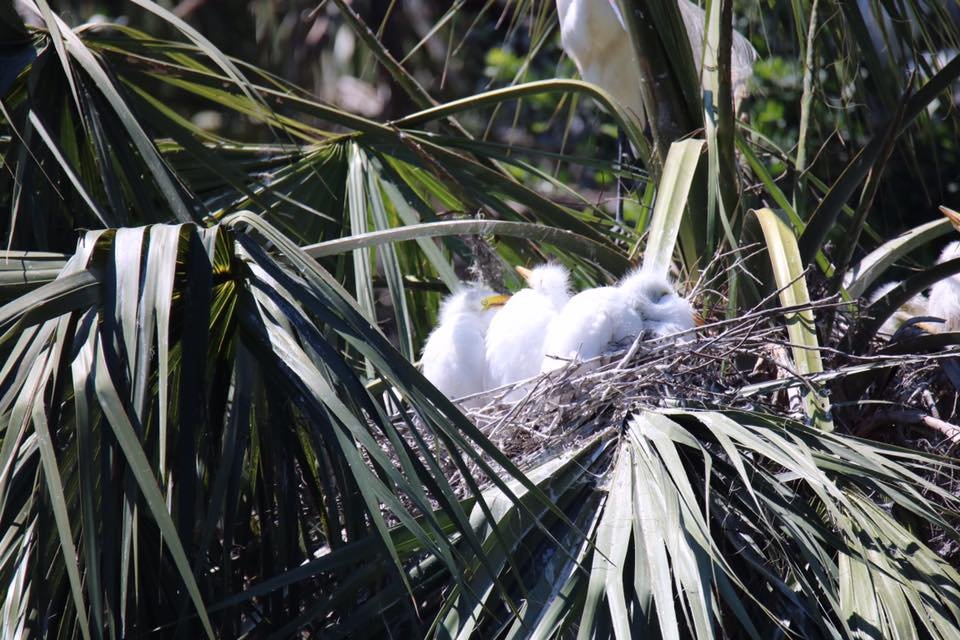
Did you know: Feeding those baby birds

Baby birds need special foods to get the proper nutrition for healthy growth, and their parents work hard to provide extra protein with insects, fish or meat, depending on the species. Some species, including flamingos and doves, produce crop milk to feed young baby birds, while others, such as shorebirds, teach their babies to forage…
Did You Know: Many Names for Young Birds

A bird is a bird, except when it’s a nestling, hatchling or fledgling. As baby birds grow, the specific names that refer to them change, and some species even spend several years in subadult stages before they reach the sexual maturity of adulthood. These different names denote subtle changes in plumage, proportions, behavior and care…
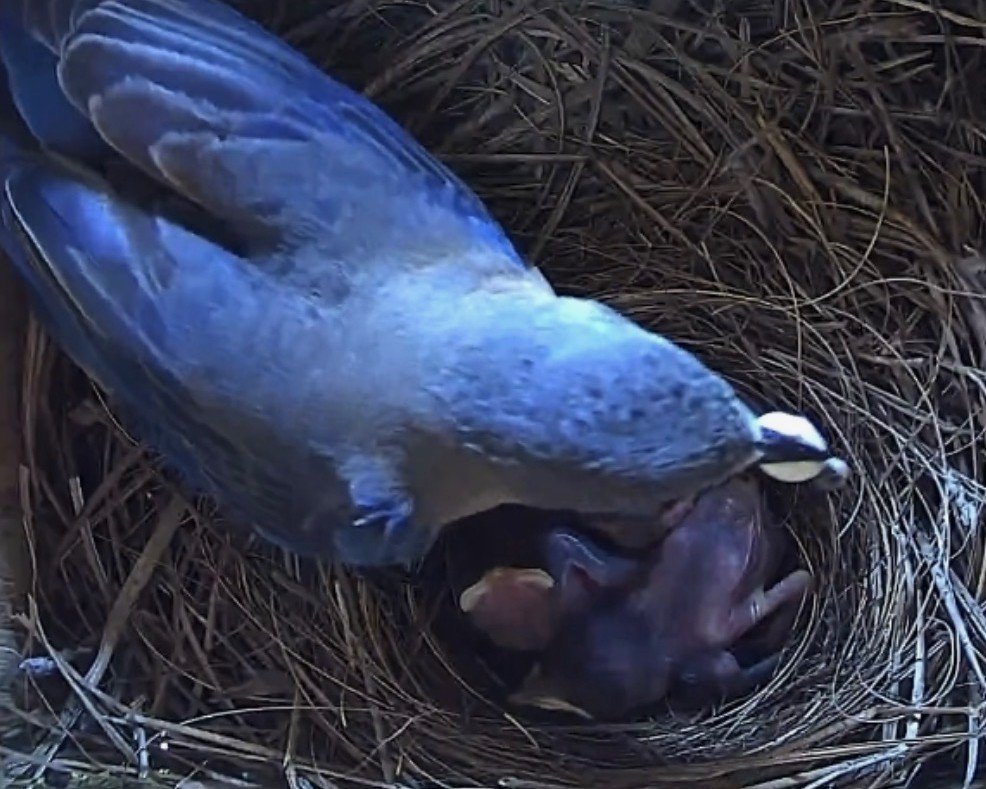
Did you know: How do birds keep nests clean

As humans, we know how hard it is to keep a neat home with infants and young children around. Birds have similar challenges. Some bird parents are very meticulous about cleaning up the nestbox. For Eastern Bluebirds, and other species, when the eggs hatch, the female usually eats the eggshells to help with her egg…
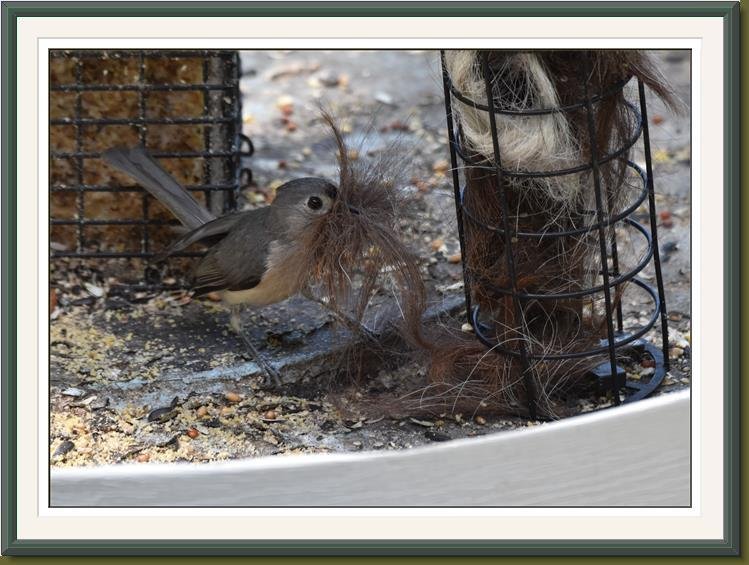
Did you know: You can help birds with nesting material

As we’ve seen in recent blogs, birds can build either cavity or non-cavity nests. Support local birds by offering natural nesting materials like twigs, dried grass, pine needles, mud, moss, and pet fur (untainted by chemicals) in early spring. Place materials in mesh bags, suet cages, or small piles in your yard. Avoid dryer lint,…
Nesting Birds of Seabrook Island – Part II: Non-cavity Nesters

Republication of blog published earlier this week. The “read more” link from earlier email has been corrected. Spring is in the air and the birds are busy building nests and raising their young. The post below was originally distributed in 2017. Like many things we knew (or missed) years ago, it’s good to repeat some…
Nesting Birds of Seabrook Island – Part II: Non-cavity Nesters
Spring is in the air and the birds are busy building nests and raising their young. The post below was originally distributed in 2017. Like many things we knew (or missed) years ago, it’s good to repeat some information. *************************************************** Last week we discussed cavity nesters; this week we’ll write about the great variety of…
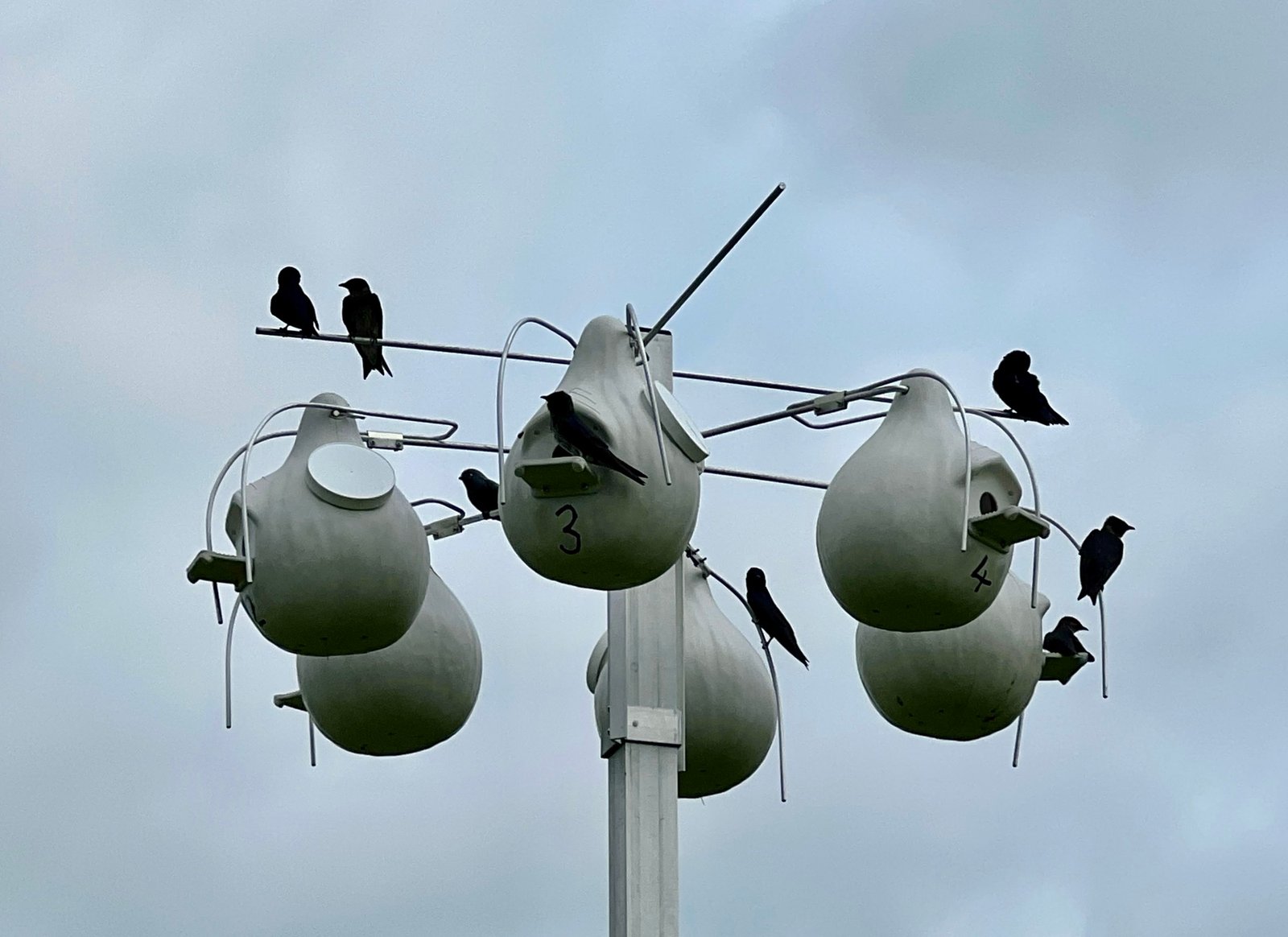
Nesting Birds of Seabrook Island – Part I: Cavity Nesters

This blog is a republication of one originally published in 2017. The nest locations may have changed but the types of nests are still relevant so we are republishing without only minimal updates. If you are like many of us, you may have forgotten some of this information or missed it the first time around.…
Did you Know: How Birds Deal with Summer Heat

As we all escape to our air conditioning to avoid the South Carolina heat in summer, what do birds do to deal? David Sibley wrote a brief article on this that states: The activity patterns birds employ to survive the heat are generally what we would call “common sense,” and your strategies for finding birds…
Did you know? Amazing Hummingbird Facts

Ruby-throated Hummingbirds are a familiar sight at our feeders. They quickly drop by for a drink, then they’re away like a flash. Sometimes you’ll hear the chattering of multiple hummingbirds having a discussion about who owns the territory around the feeder. They can be quite aggressive! But did you know, while we typically see only…
Did you know: Birds molt changing their appearance
I forgot I’d written this in 2023 so when I recently asked myself the question again, I thought it was time to republish. – Judy Morr In mid-February, I saw a bird for the first time on Seabrook Island – an Indigo Bunting. I didn’t recognize it initially with it’s brown plumage with just a…