
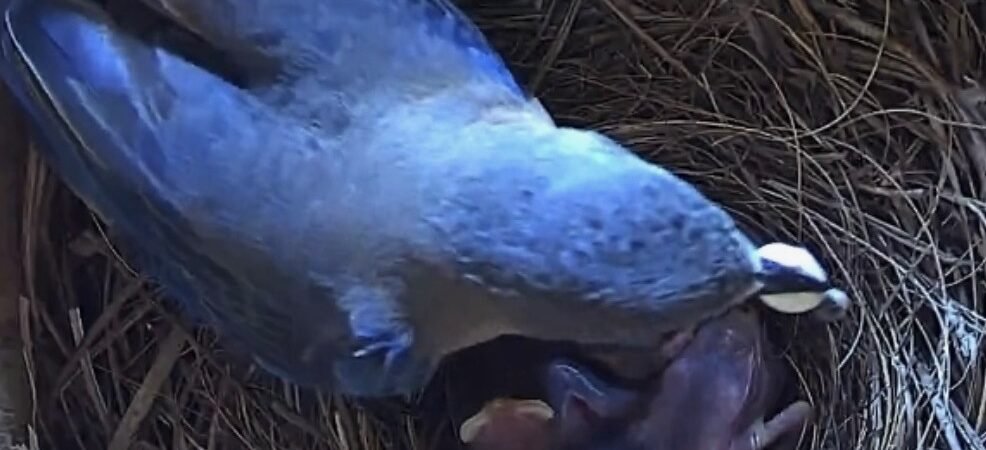
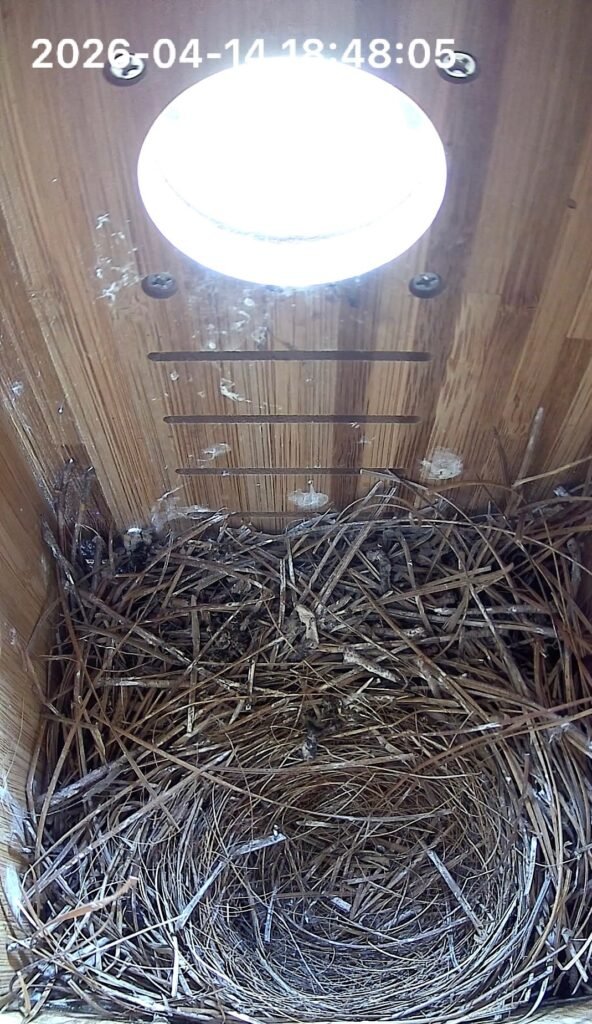
As humans, we know how hard it is to keep a neat home with infants and young children around. Birds have similar challenges. Some bird parents are very meticulous about cleaning up the nestbox. For Eastern Bluebirds, and other species, when the eggs hatch, the female usually eats the eggshells to help with her egg production or disposes of them far away from the nestbox.
How do nesting birds deal with the excrement of all those nestlings until they fledge? Nestlings such as House Finch and Eastern Bluebirds hatchlings excrement is contained in a translucent gelatinous membrane called fecal sacs. (Think little bird diapers.) In the case of the House Finch, both the male and female eat the fecal sacs of young as they are voided until about the fifth day after hatching. At this point the chicks begin depositing the fecal sacs on the rim of the nest. Fecal sac removal then stops and fecal sacs accumulate around the rim of the nest.
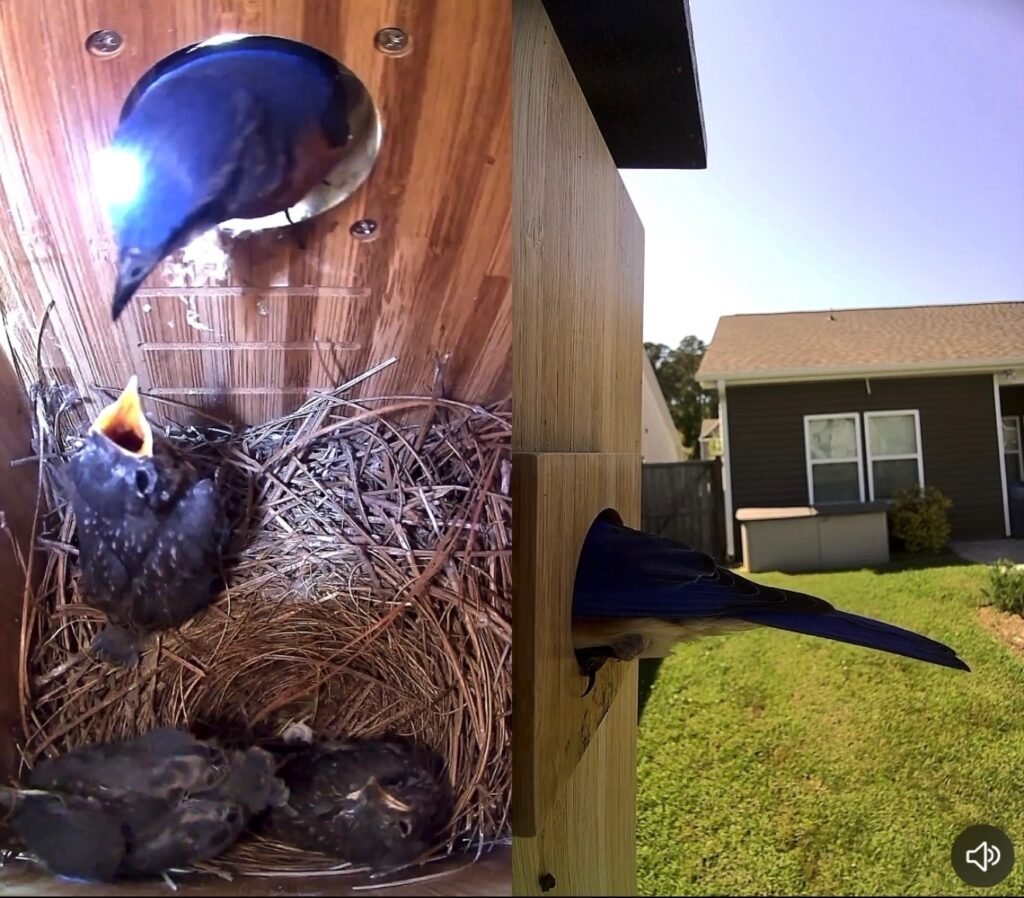
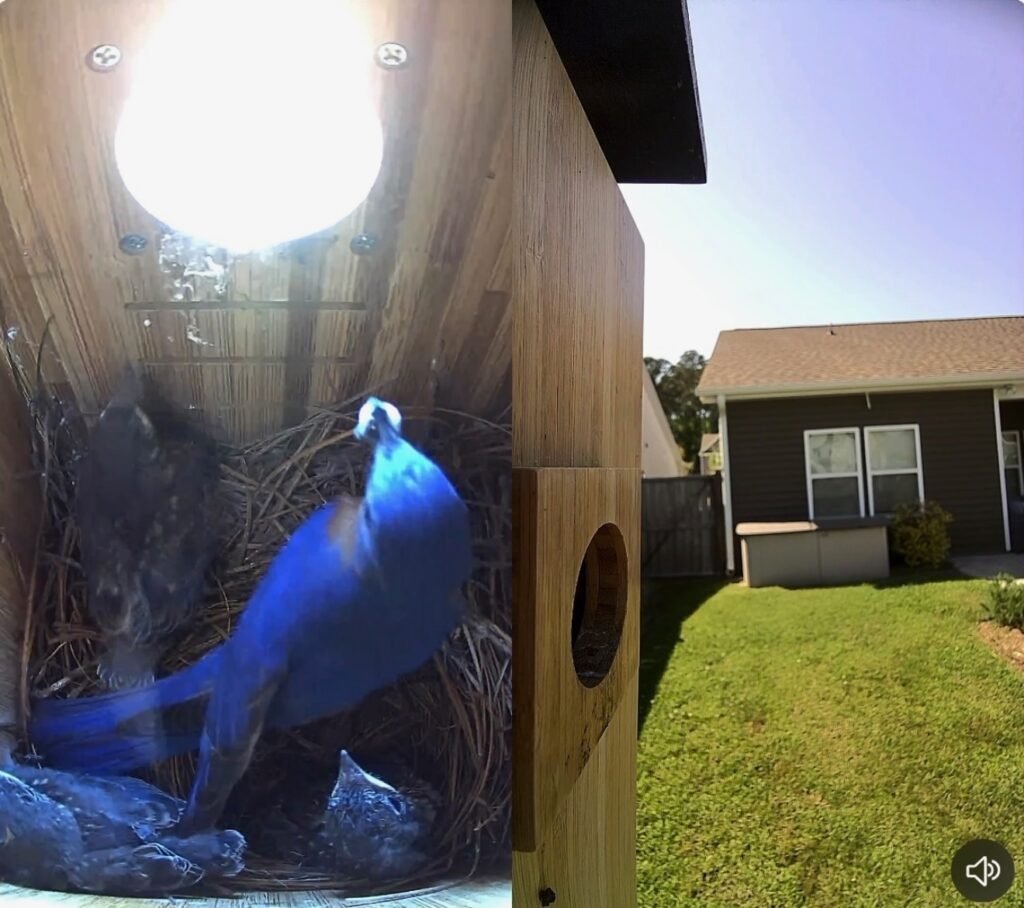
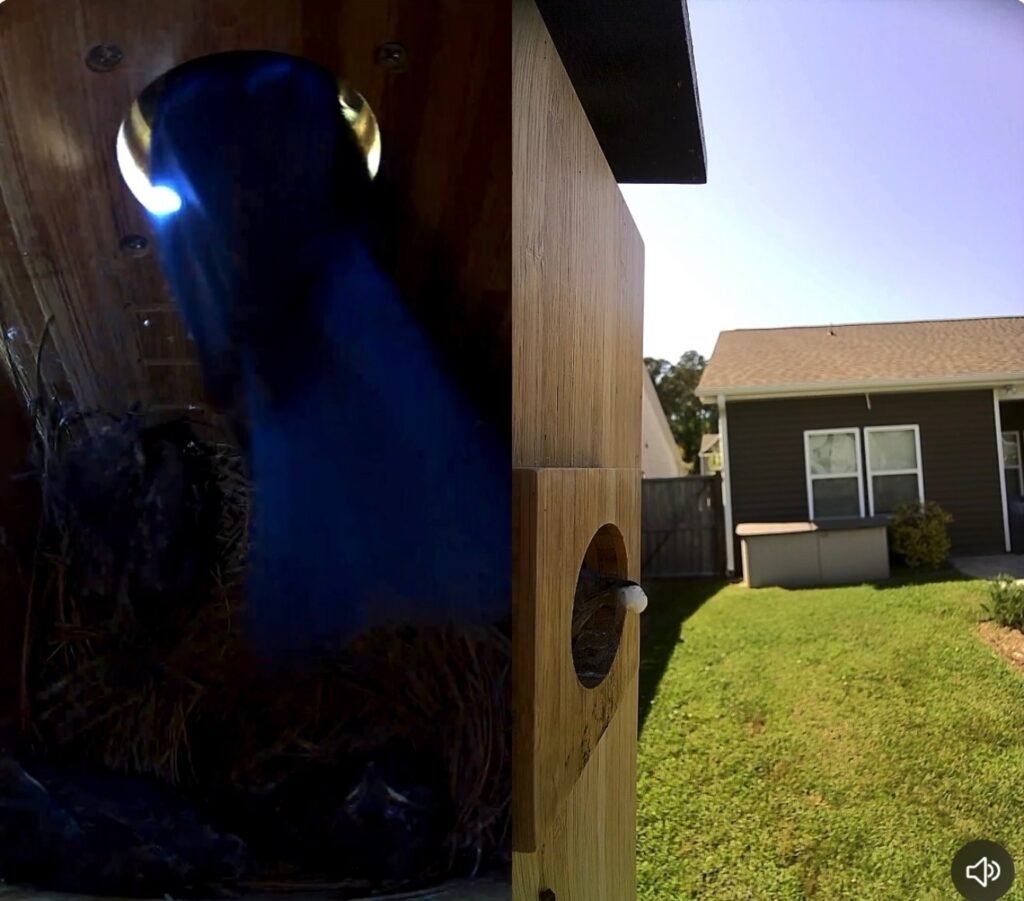
This system would never work for cavity nesting birds such as Eastern Bluebirds. The nest would be heavily soiled inside the cavity long before the birds were ready to fledge. You see, nestlings defecate immediately after being fed. Cavity nesting birds bring food into the nest, then wait a moment and grab the fecal sac as it emerges from the nestling. They carry the enclosed excrement out from the nest and discard it some distance away.
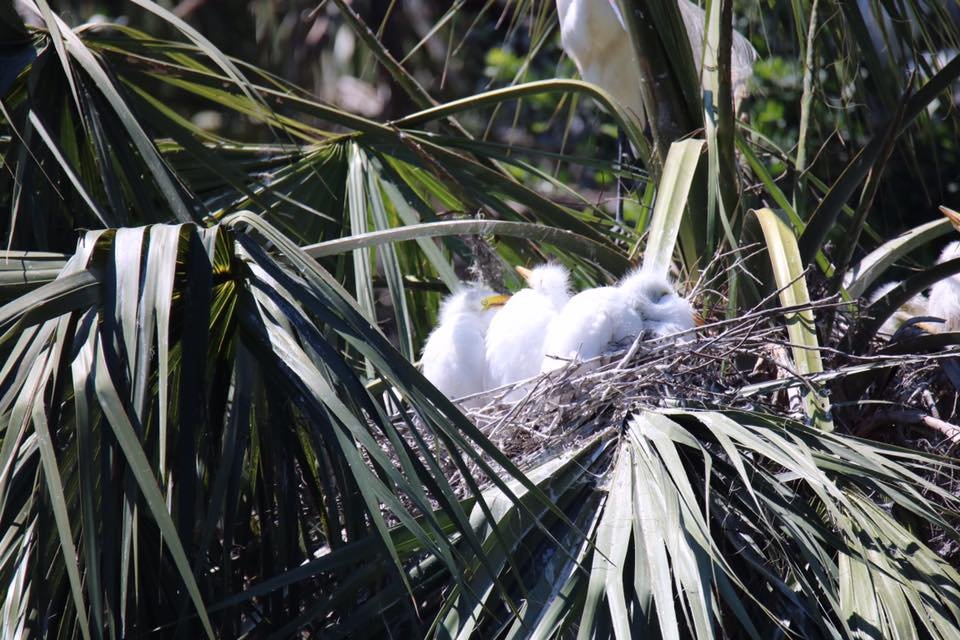
Other nesting birds, most notably eagles, raptors, herons and some sea birds, defecate by backing up to the edge of the nest and producing a projectile poop squirt.
Eagles are less meticulous about cleaning their nest which they use for multiple years. Like humans, eagle pairs vary considerably in nest cleanliness. Some pairs are very messy and others maintain clean nests by removing old prey remains and regularly bringing in fresh nest material. The nests are built of sticks, and each year the eagle pair adds new branches and other vegetation to the nest to cover over food remains, feathers, and other debris left from the previous year. Branches and twigs are placed on the edge of the nest, while softer vegetation such as leaves, grass, and moss are placed in the center. Eagle pairs continue to add branches, moss, and grass to their nests all summer until the chicks are nearly grown. Researchers believe the reason for this may simply be to keep the nest cleaner. Waste, rotting fish, and even the bodies of chicks that have died in the nest are not tossed out of the nest but are buried by moss, grass, and other greenery. It is important to keep the nest clean so the chicks are not infested by parasites

Submitted by: Judy Morr
Photos: Eastern Bluebirds: Nancy Brown and Flo Foley’s Birdfy Nest Duo cameras
Great Egrets: Dean Morr
Bald Eagle: Charley Moore