Latest posts
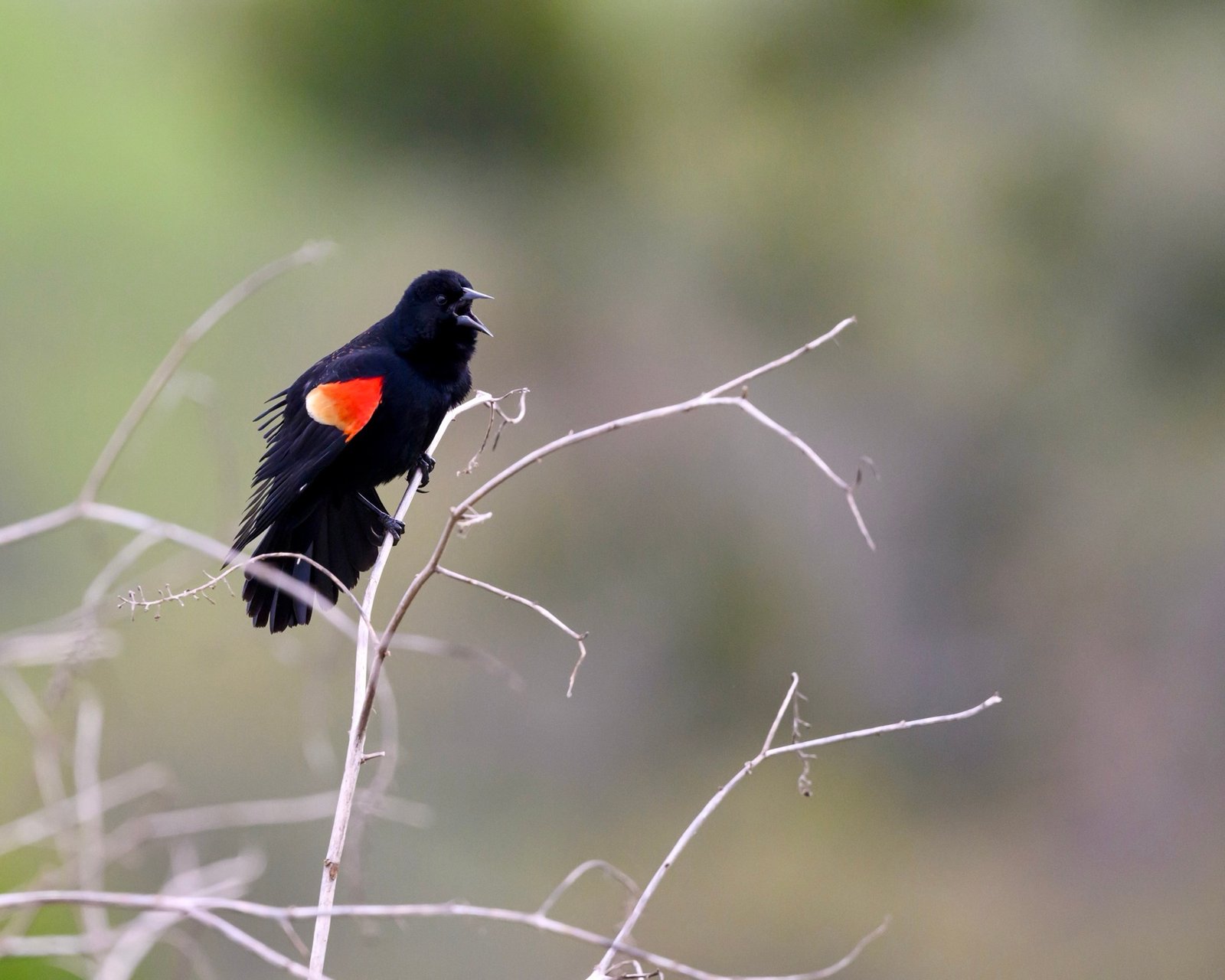
SIB “Bird of the Week” – Red-winged Blackbird

For years I’ve been noticing smaller birds like Chickadees, Titmice and Wrens mob larger birds like Crows and Blue Jays, and medium size birds such as Mockingbirds, Blue Jays and Crows mob larger birds like Hawks and Owls if they encroach into their territory. Just the other morning Blue Jays were causing a complete ruckus…
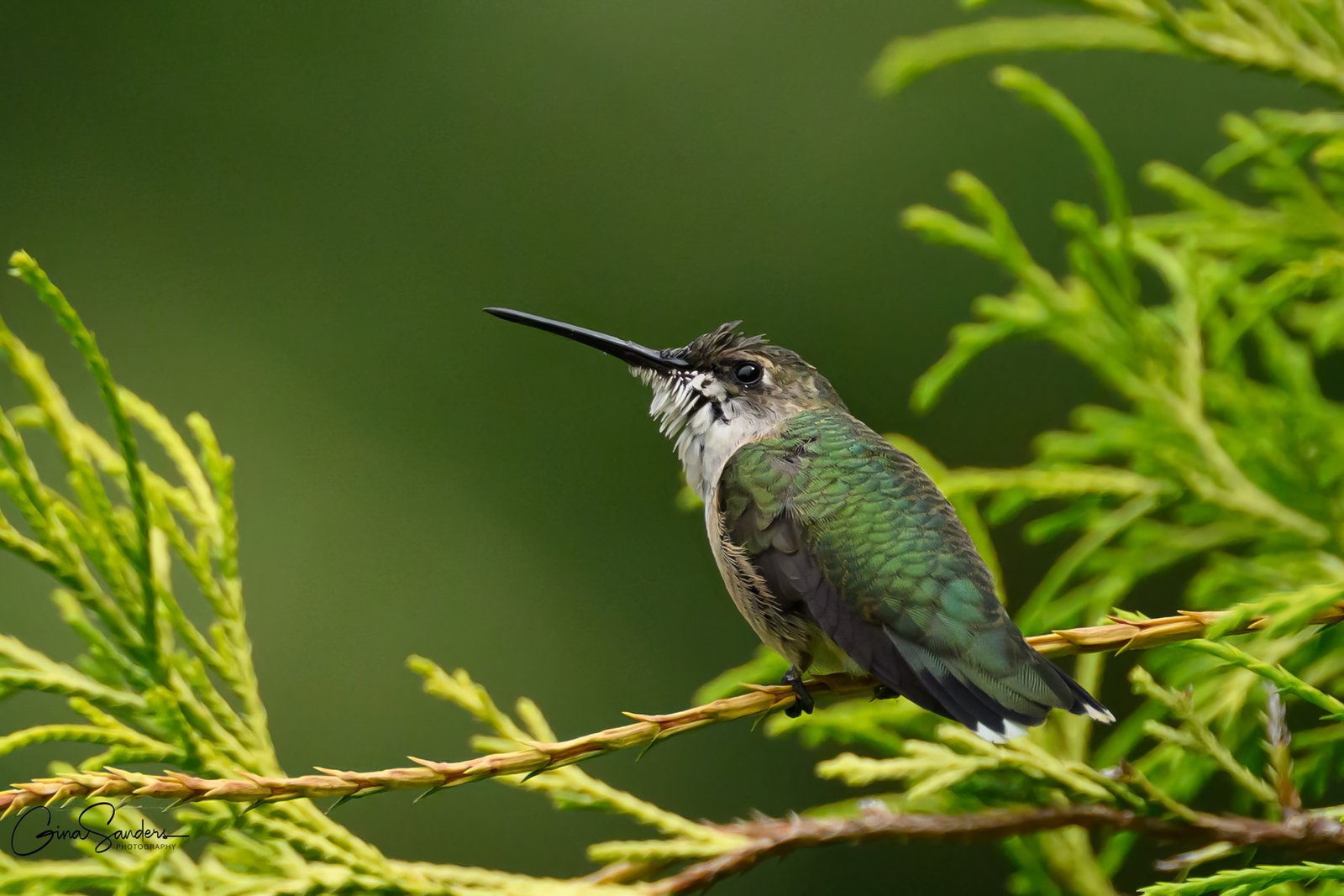
SIB “Bird of the Week” – Ruby-throated Hummingbird

The Ruby-throated Hummingbird is a familiar sight here on Seabrook Island, and all up and down the east coast. It’s the only hummingbird in the eastern half of the United States, unless a stray migrant happens to be passing through. Out of the roughly 365 known hummingbird species in the world, about 15-18 species regularly…
SIB “Bird of the Week” – Black Skimmer

Black Skimmers were my “spark” bird, the bird that initially sparked my interest in birding. My husband and I had just purchased our property on Seabrook Island and were sitting out on the beach near Boardwalk 9. We saw a bird fly over the water and skim the surface with its beak. As many times…
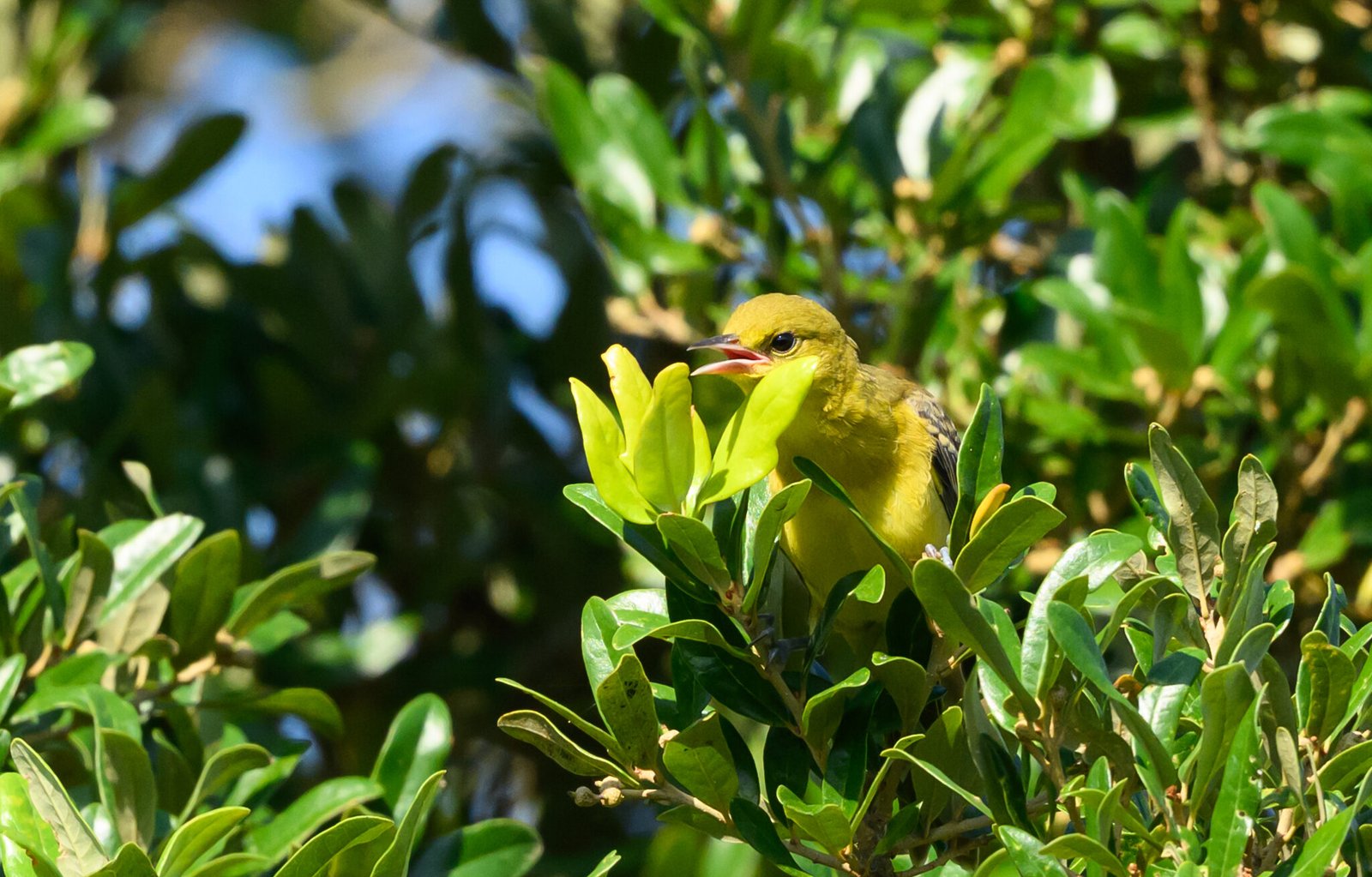
SIB “Bird of the Week” – Orchard Oriole

The Orchard Oriole is a small bird – smaller than a Baltimore Oriole, but larger than warblers and vireos. In fact, they’re the smallest of all America’s orioles. They have medium-length tails, rounded heads, and a straight, sharply pointed bill. Males are mostly black above with chestnut underparts and a chestnut patch in the wing.…
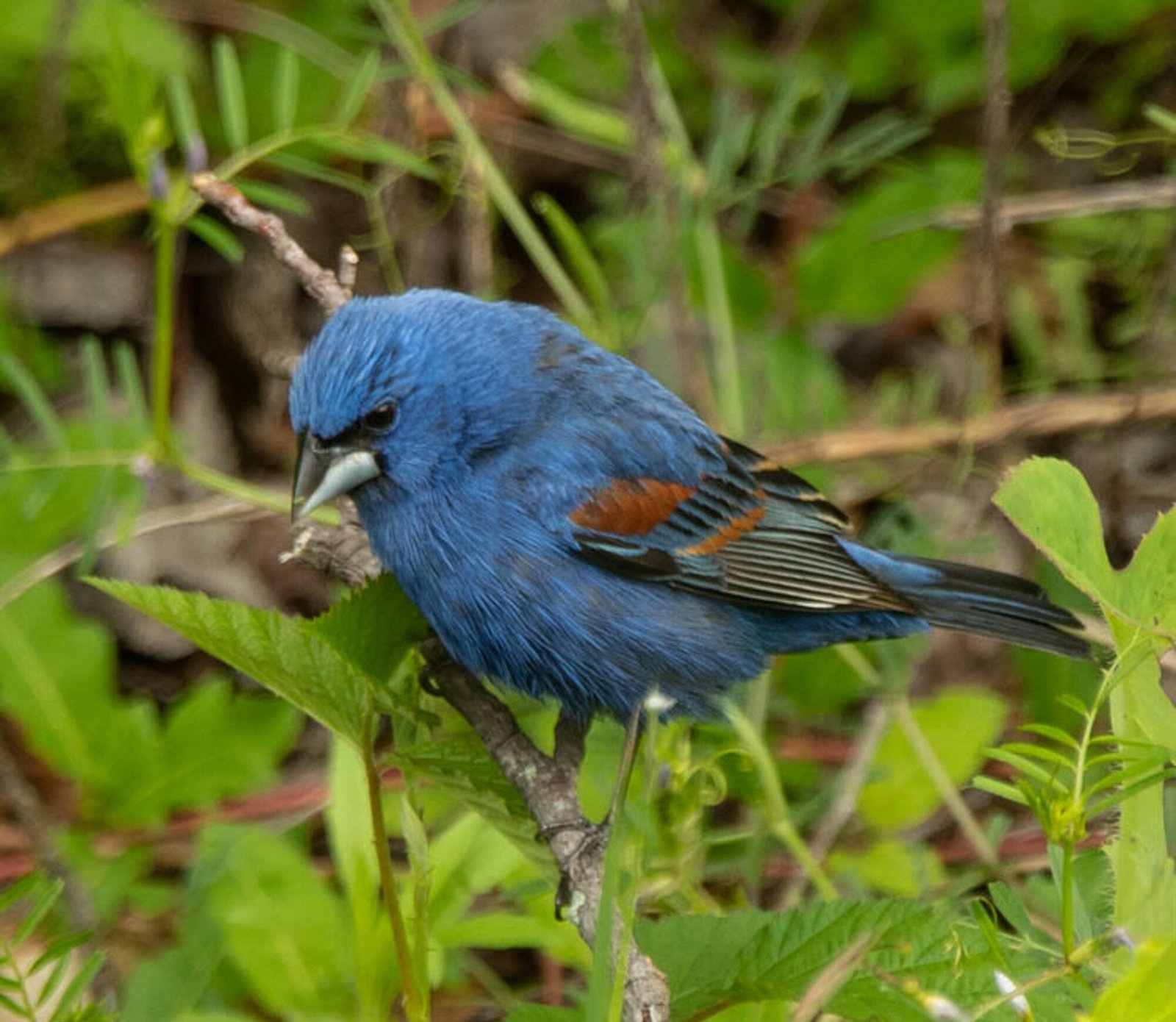
SIB “Bird of the Week” – Blue Grosbeak

A large, vibrantly blue bunting, the male Blue Grosbeak sings a rich, warbling song from trees and roadside wires. A bird of shrubby habitats, these richly colored birds can be hard to spot unless you hear them singing first. They are widespread but not abundant across the southern U.S., and are expanding their range. Breeding…
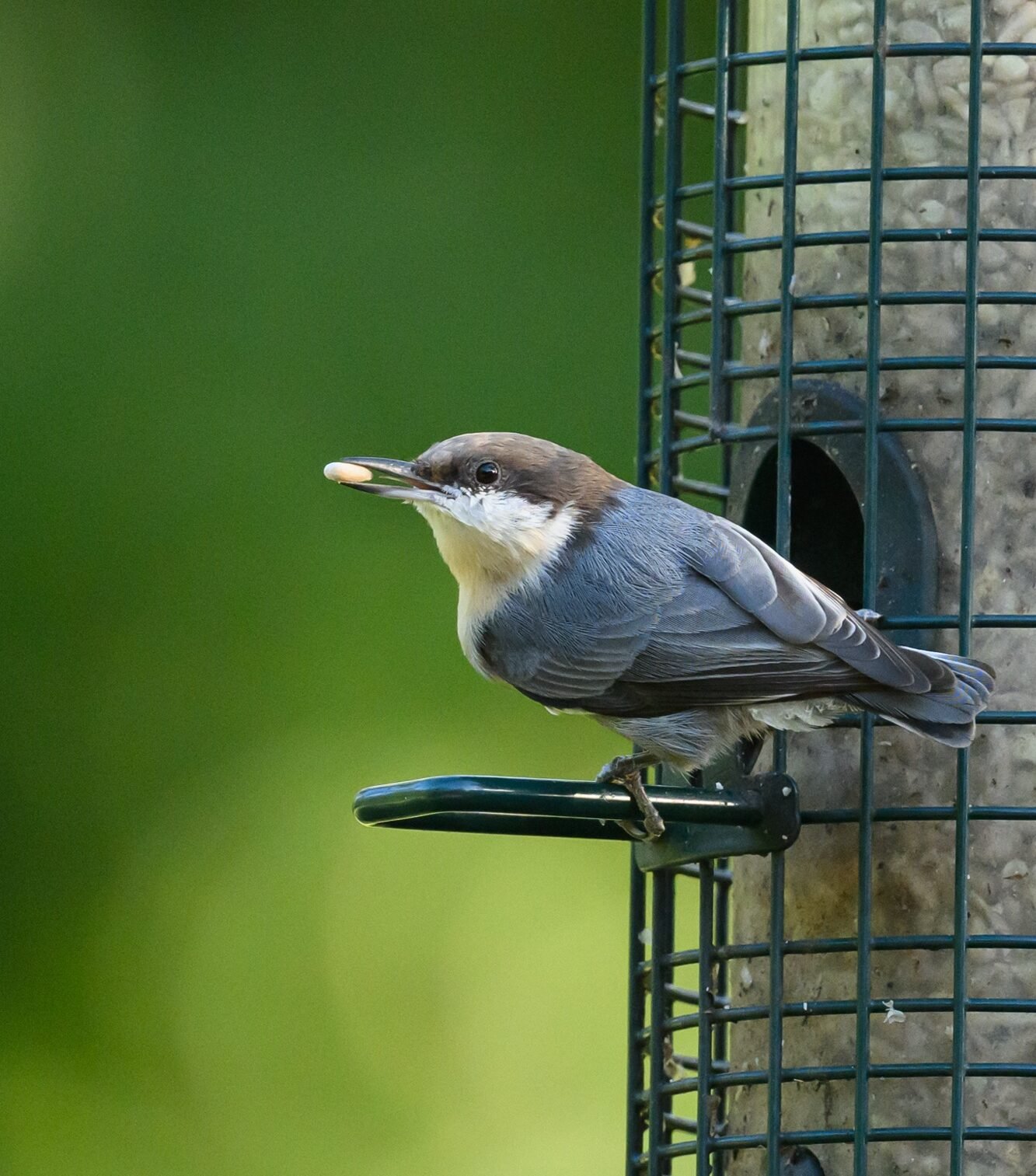
SIB “Bird of the Week” – Brown-headed Nuthatch

Brown-headed Nuthatches are one of my favorite birds. I can’t help but smile every time I hear one, they sound like little squeaky toys! I usually hear them coming before I see them at the feeder, they land near the top of the feeder and hop down head-first to grab a seed, then immediately fly…
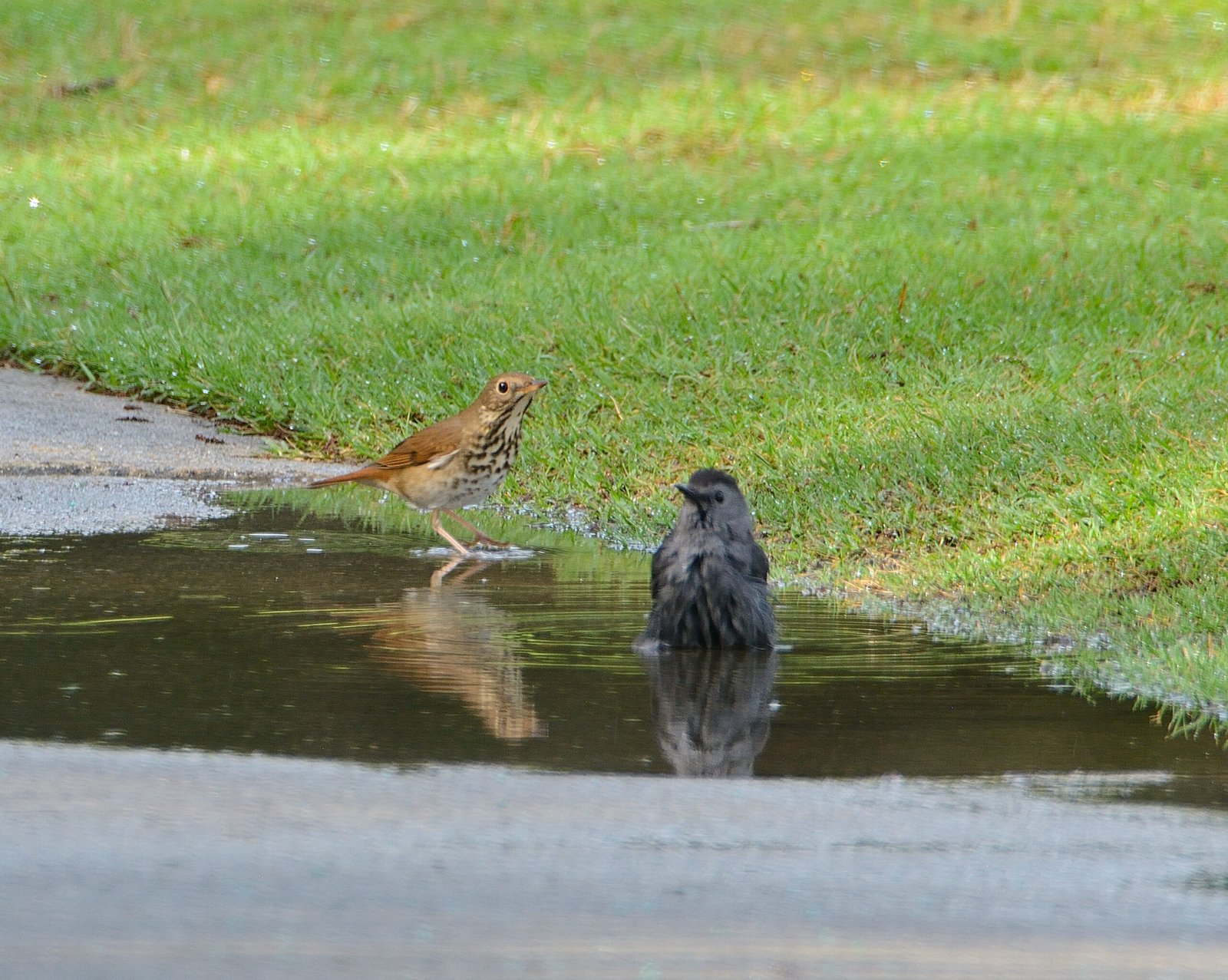
SIB “Bird of the Week” – Brown Thrasher

Brown Thrasher –Toxostoma rufum L 11.5” WS 13” WT 2.4 oz In the family of Mimidae, they are related to other frequent visitors to Seabrook Island, the Northern Mockingbird and Gray Catbird. Brown Thrashers are fairly large, slender songbirds with long proportions—the legs are long and sturdy, and the bill is long and slightly downcurved.…
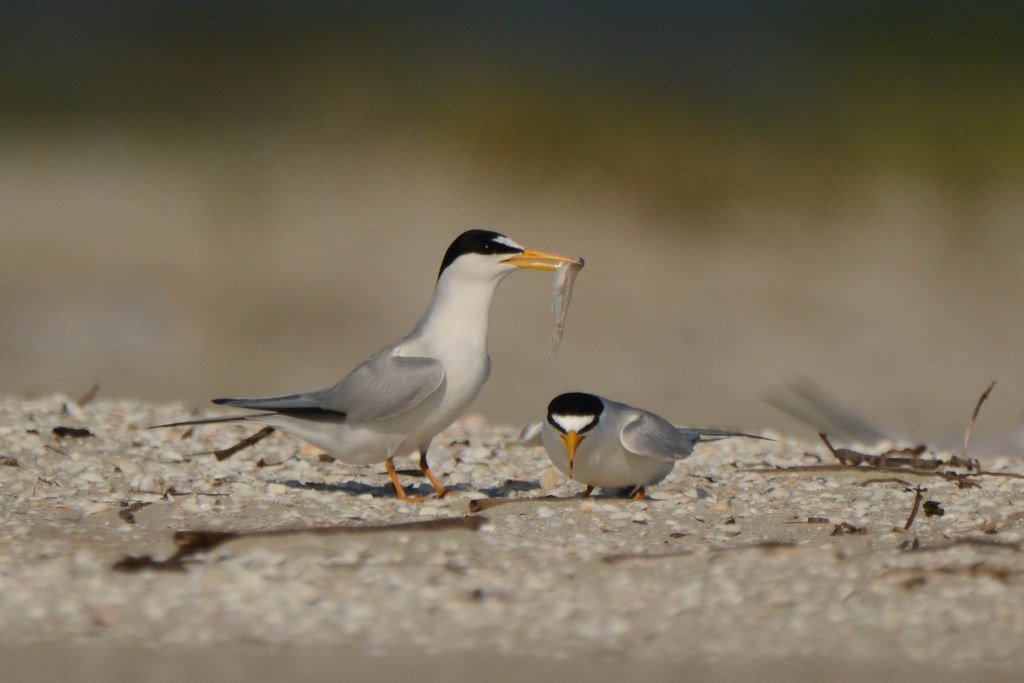
SIB “Bird of the Week” – Least Tern

Least Tern – Sternula antillarumLength: 9″; Wingspan: 20″; Weight: 1.5 oz. The Least Tern arrives on Seabrook Island in mid-April each year. It is the smallest tern in North America. Look for a small, graceful tern with a black cap, white forehead, and yellow bill. Their legs are yellow. Like most other terns, they plunge dive for small fish. You…
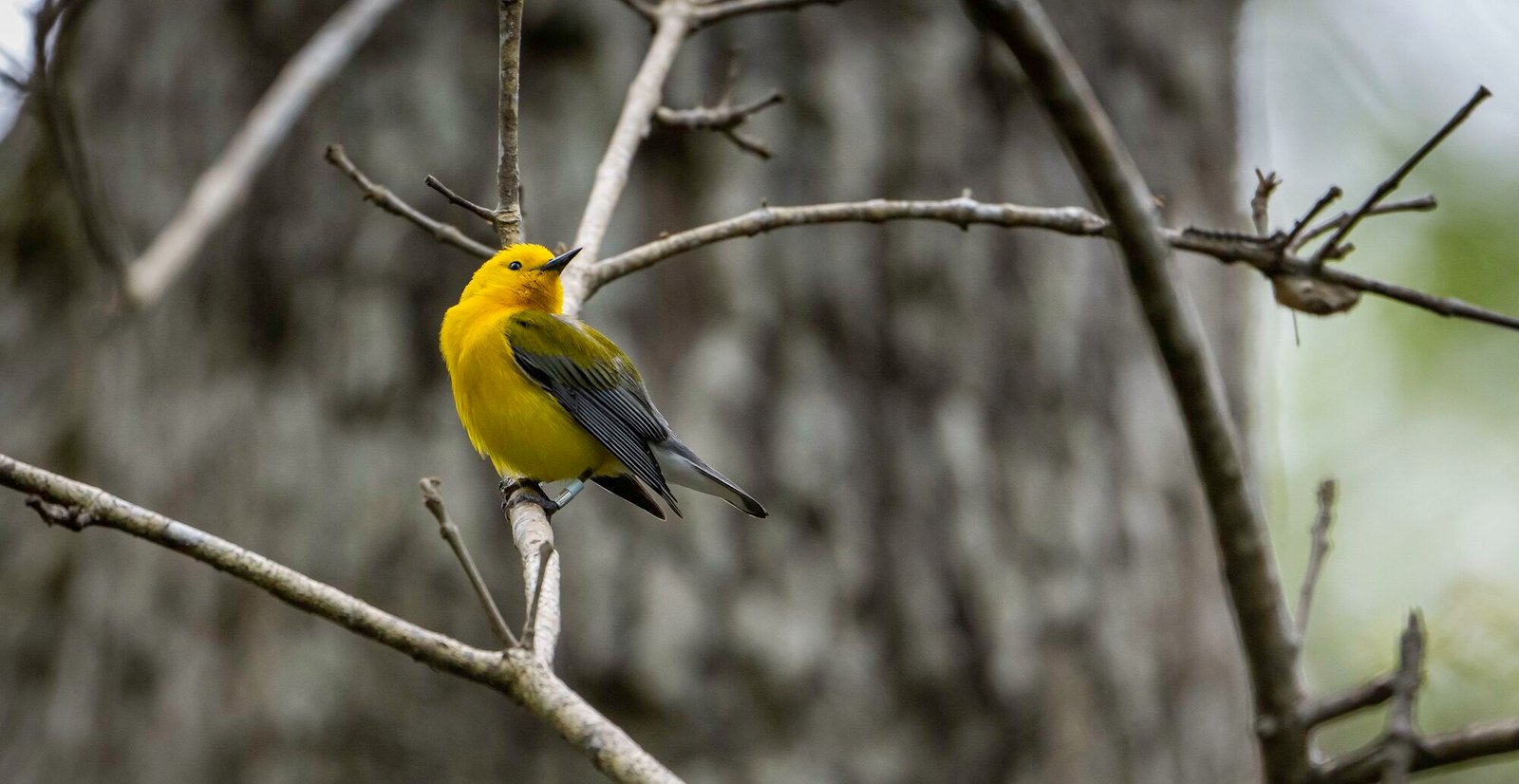
SIB “Bird of the Week” – Prothonotary Warbler

If you’ve visited any swampy woodland habitats recently you may have seen a flash of yellow darting around the trees. Prothonotary Warblers are unique among warblers as they’re one of two that build their nests in holes in standing dead trees. Often called a “swamp warbler” in the southeast, they’re also the officially designated State…
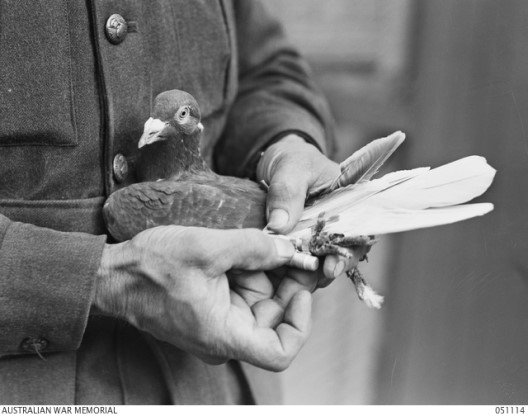
Memorial Day: Honoring the Carrier Pigeon

Today is Memorial Day. And on this special day we honor and mourn the U.S. military personnel who died while serving in the armed forces. In addition to human soldiers, millions of animals have been pressed into military service throughout history, serving as beasts of burden, scouts, messengers, and combatants. The heaviest losses occurred during…