
Latest posts
-
Ask SIB – Why do so many birds have white bellies?
If you pay close attention, you will see this general color pattern in not just birds, but in a wide array of species, in everything from insects, fish, reptiles, birds, and mammals. There must be an evolutionary advantage! Back in 1896, Abbott H. Thayer wrote a paper describing the dark top, light underneath as a
-
SIB “Bird of the Week” – Northern Parula
Northern Parula – Setophaga americanaLength: 4.5″; Wingspan: 7″; Weight: 0.3 oz. Northern Parulas are tiny, dainty birds and one of North America’s smallest wood-warblers. These birds are very active and beautiful warblers that are sometimes hard to see because they love to forage in the dense foliage of mid to upper tree canopies. Most birders hear
-
SIB “Bird of the Week” – Bald Eagle
Bald Eagle – Haliaeetus leucocephalusLength: 31″; Wingspan: 80″; Weight: 152 oz. Seabrook Island residents have a special bond with the Bald Eagle. For more than ten years, Seabrookers have followed our Bald Eagles as they nested, reared their young, lost nests due to tree age and storms, and then once again found new locations to nest.
-
SIB “Bird of the week”-Brown-headed Cowbird
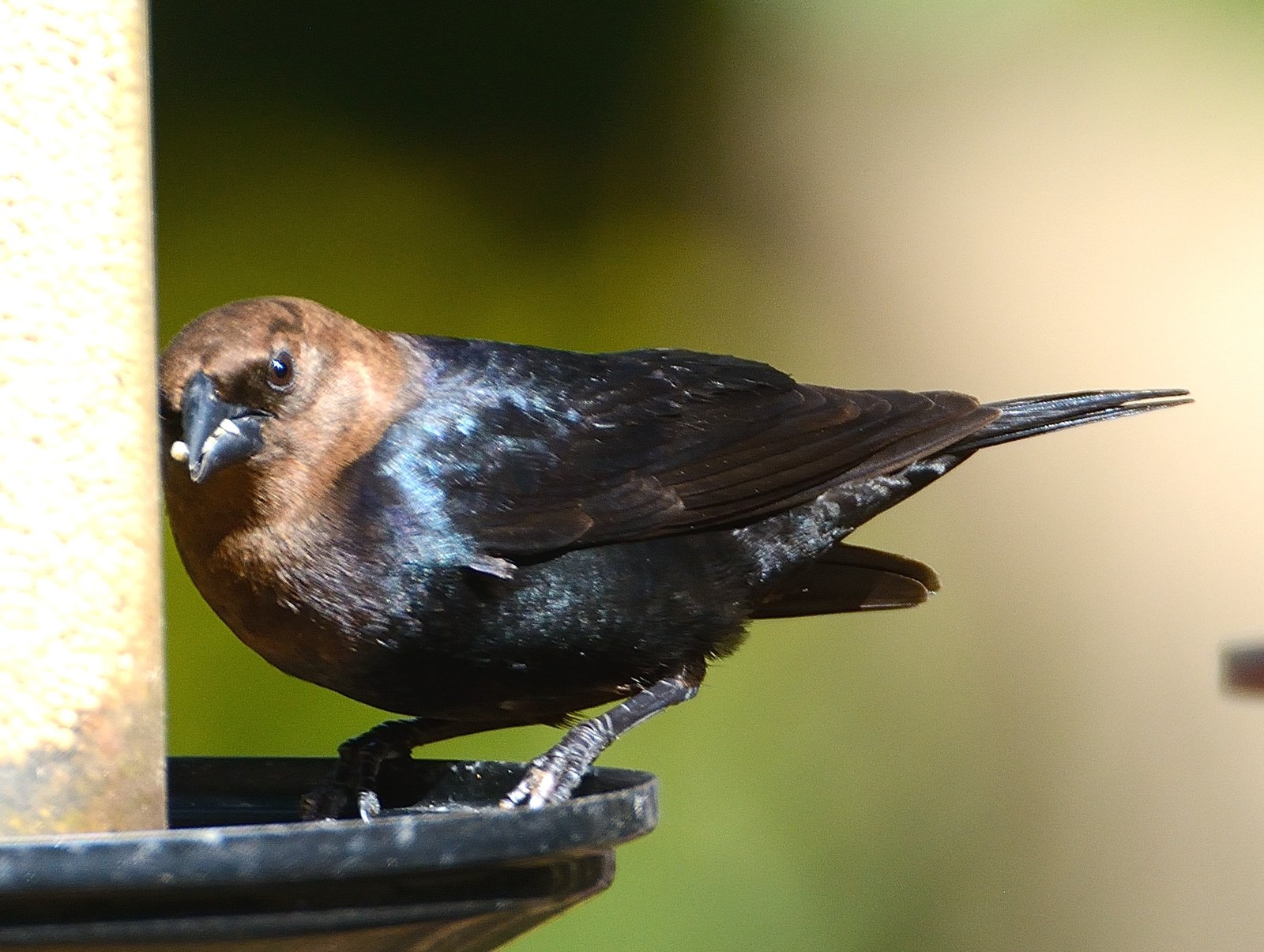
Brown-headed cowbirds are found in grasslands, woodland edges and residential areas. They are native to North America. They will roost along with blackbirds numbering in large amounts. It is a stocky blackbird with brown head. Smaller and shorter tale than a blackbird. The females are unmarked brown with faint streaks on the breast and pale throats.
-
SIB “Bird of the Week” – Yellow-bellied Sapsucker
Yellow-bellied Sapsucker – Sphyrapicus variusLength: 7.1-8.7″; Wingspan: 13.4-15.7″; Weight: 1.5-1.9 oz. The Yellow-bellied Sapsucker is the only woodpecker in eastern North America that is completely migratory. Although a few individuals remain throughout much of the winter in the southern part of the breeding range, most head farther south, going as far south as Panama. Females tend to
-
SIB “Bird of the Week” – Wild Turkey
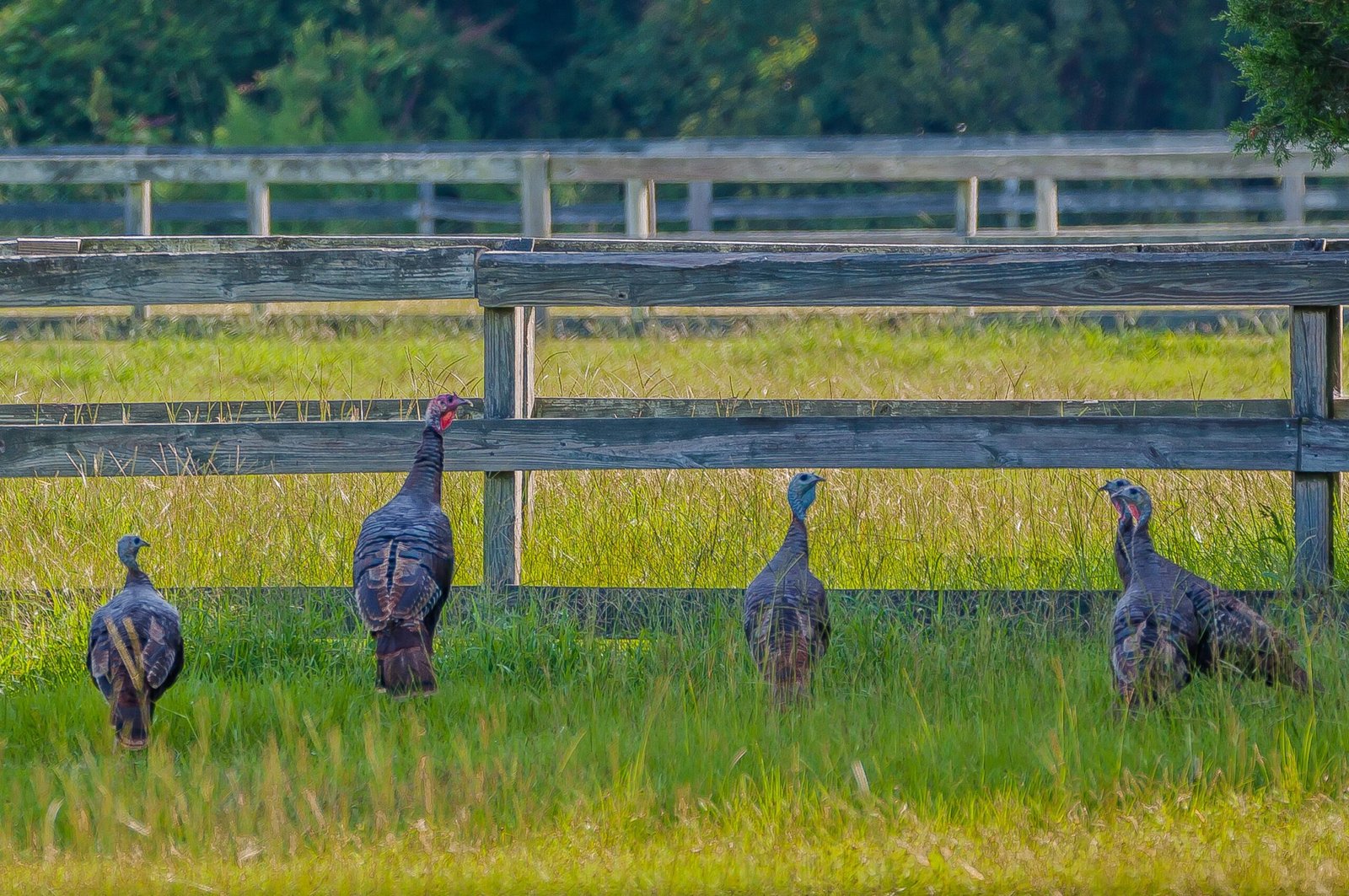
Wild Turkey – Meleagris gallopavoLength: 46″; Wingspan: 64″; Weight: 259 oz. Residents are reporting an increase in sightings of Eastern Wild Turkeys on Seabrook Island. The domesticated version of this large native game bird is well known because of its role each Thanksgiving day. Millions of turkeys are drawn from an outline of the hands of elementary children prior to Thanksgiving each year. The turkey would have been our national
-
SIB “Bird of the Week” – Clapper Rail

Clapper Rail – Rallus longirostrisLength: 14.5″; Wingspan: 19″; Weight: 10 oz. You may not be aware that hidden in dense cover in our salt marshes lurk a bird called Clapper Rail. This slinking, secretive bird is a year-round resident on our island and often we only hear the loud clattering call as our clue that a Clapper Rail
-
SIB Bird of the week -Baltimore Oriole
Have you noticed any new birds coming into your yard lately? One brightly colored visitor that might show up frequently in our area at this time of year is the Baltimore Oriole. Icterus galbula One of the most brilliantly colored songbirds in the east, flaming orange and black, sharing the heraldic colors of the coat
-
SIB “Bird of the Week” – American Goldfinch
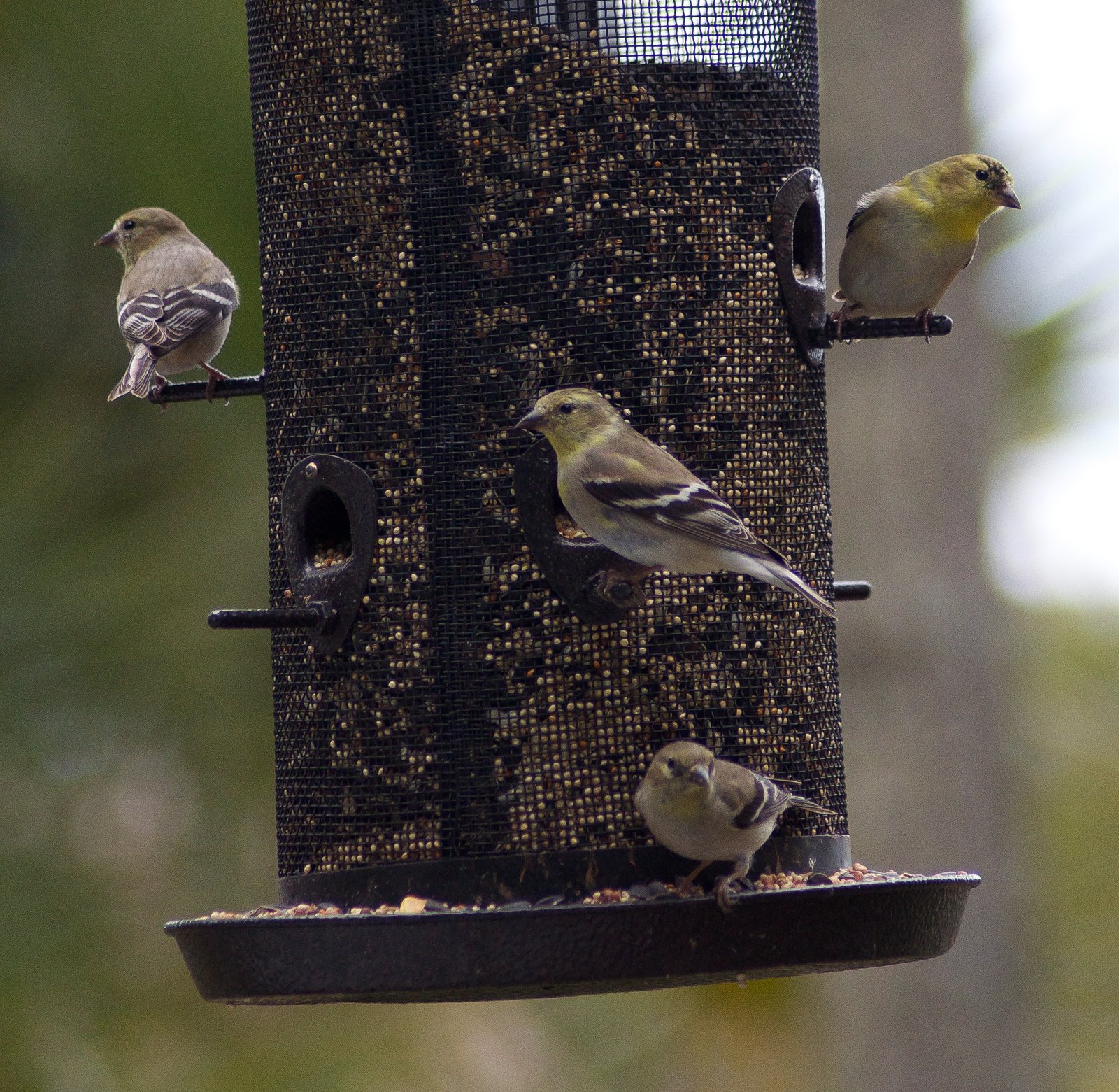
American Goldfinch – Spinus tristisLength: 5″; Wingspan: 9″; Weight: 0.46 oz. This small finch is commonly found in flocks on Seabrook Island during the winter months (November – March) on backyard feeders, along the golf courses or anywhere there are weed seeds. It has a sharply pointed bill, a small head, long wings and a
-
SIB “Bird of the Week” – Tufted Titmouses (OR Titmice?)
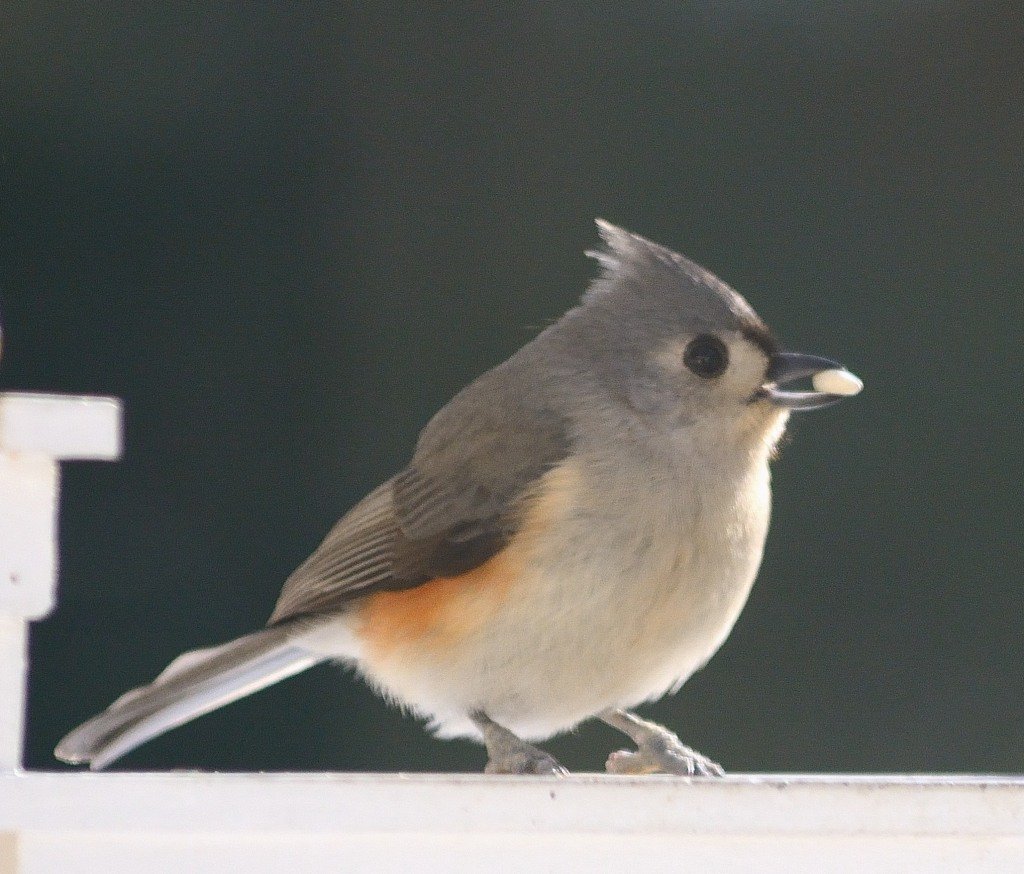
Have you ever wondered the plural of Tufted Titmouse? Often in the field, I say “Tufted Titmouses” and then quickly change to “Tufted Titmice.” I finally decided to research the answer! The origin of the word “mouse” comes from the Old English word “mase,” meaning “small bird” and has no connection to rodents. Many purists