Latest posts
2021/07/11 Welcome to American Oystercatcher Chicks DY & DZ

Our American Oystercatcher chicks have flown the Nesting Area! One of the oystercatcher parents was U5, a bird that has frequented the Captain Sams Inlet for many years. Just before they could fly, they were banded to allow us to follow their progress and to contribute to what science knows about American Oystercatcher behavior and…
2021/05/03 North Beach: New Nesting Area Signs and Nests!
Last Friday, coastal bird biologist Janet Thibault of SCDNR posted the yellow nesting area signs on North Beach and confirmed that we have nesting birds. A familiar sight for many of us, American Oystercatcher Red U5 & his mate have nested on North Beach. Janet, who did her graduate work on Oystercatchers, says that U5…
Did you know? Amazing Hummingbird Facts

Ruby-throated Hummingbirds are a familiar sight at our feeders. They quickly drop by for a drink, then they’re away like a flash. Sometimes you’ll hear the chattering of multiple hummingbirds having a discussion about who owns the territory around the feeder. They can be quite aggressive! But did you know, while we typically see only…
SIB’s Article for the June Edition of “The Seabrooker”
In case you don’t receive it, or haven’t had a chance to read it yet, we hope you will enjoy The Seabrooker’s June 2025 SIB article. Seabrook Island Birders (SIB) contributed a full page article on Page 10!
SIB “Bird of the Week” – Clapper Rail

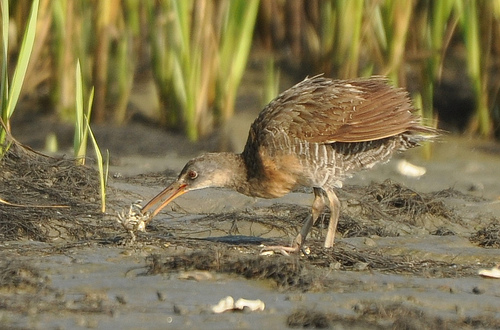
Clapper Rail – Rallus longirostrisLength: 14.5″; Wingspan: 19″; Weight: 10 oz. You may not be aware that hidden in dense cover in our salt marshes lurk a bird called Clapper Rail. This slinking, secretive bird is a year-round resident on our island and often we only hear the loud clattering call as our clue that a Clapper Rail…
SIB Member Profile: Deanna Forsythe

Deanna Forsythe is originally from York, PA. She was a 6th grade teacher for 25 years beforeretiring to Seabrook Island (Jenkin’s Point) with her husband, Dan, an anesthesiologist at RoperBon Secour St. Francis. The Forsythe’s are proud parents of 3 grown children, Adam, Alexisand Marissa. Deanna enjoys the beauty and nature of Seabrook Island and…
SIB “Bird of the Week” – Brown Thrasher
Brown Thrasher –Toxostoma rufum L 11.5” WS 13” WT 2.4 oz In the family of Mimidae, they are related to other frequent visitors to Seabrook, the Northern Mockingbird and Gray Catbird. Brown Thrashers are fairly large, slender songbirds with long proportions—the legs are long and sturdy, and the bill is long and slightly downcurved. The…
SIB Bird of the Week – Summer Tanager

If you’ve ever caught a glimpse of a flame-red bird flitting through the treetops in South Carolina’s warmer months, chances are you’ve seen the stunning Summer Tanager (Piranga rubra). This migratory songbird brings color and melody to the southeastern U.S. each spring and summer. Characteristics The male Summer Tanager is North America’s only entirely red…
SIB “Bird of the Week” – Pileated Woodpecker

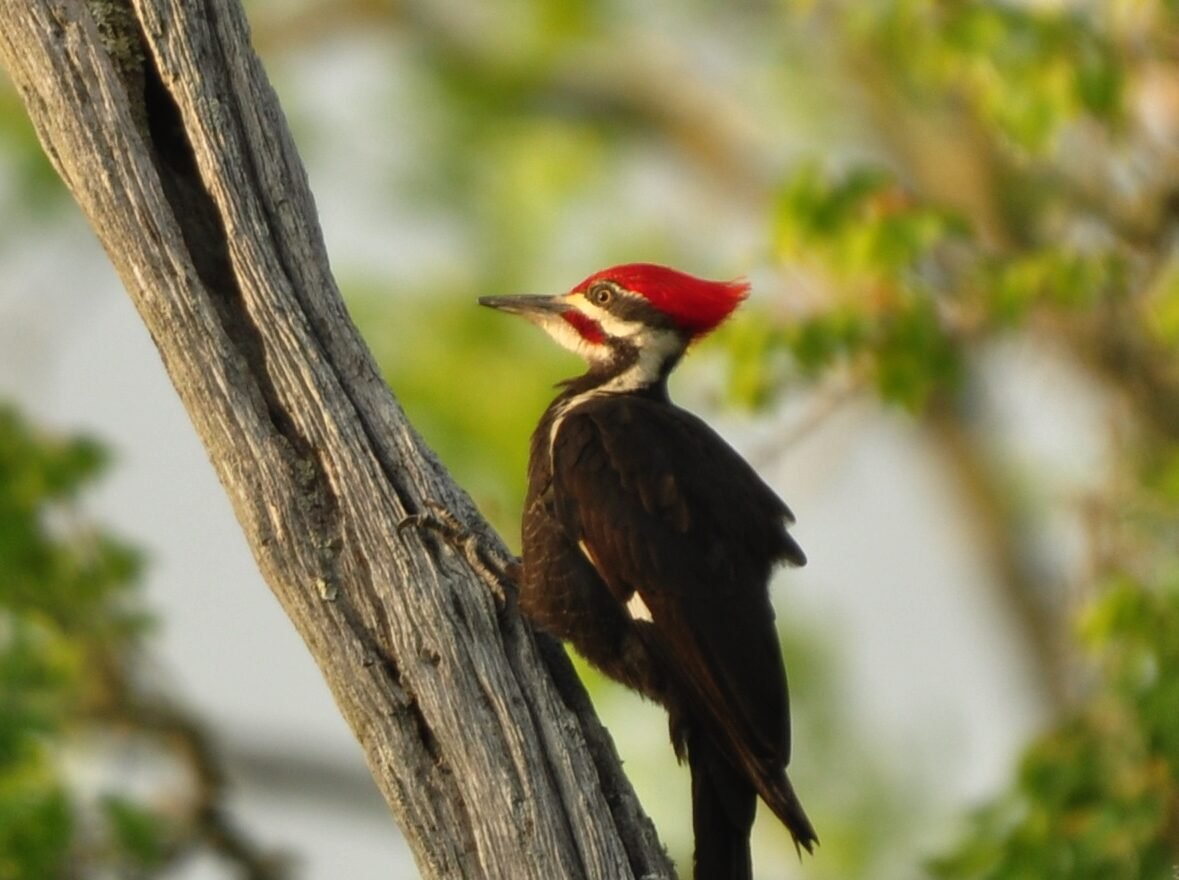
Pileated Woodpecker – Dryocopus pileatusLength: 15.7 – 19.3″; Wingspan: 26 – 29.5″; Weight: 8.8 – 12.3 oz. This bird is the largest woodpecker on Seabrook Island with a long neck, mostly black with white stripes on the face and a flaming-red triangular crest that sweeps off the back of the head. The bill is long and chisel-like,…
SIB Bird of the Week – Chuck-will’s Widow
The Chuck-will’s widow has mottled brown plumage with a buff throat. It features reddish-brown feathers lined with black, and its head and chest display brown and white patterning. Males have distinctive white patches on their outer tail feathers. This bird has a short bill and a long tail, typical of nightjars. You are probably hearing…