Latest posts
SIB “Bird of the Week” – Great Egret

The Great Egret, is also known as the White Egret, Common Egret, Great White Egret or the Large Great Egret. It occurs in tropical and warm temperate regions of the world including Central Europe, Africa, Asia, Australia, New Zealand, and portions of North, Central and South America. Standing over three feet tall, the Great Egret…
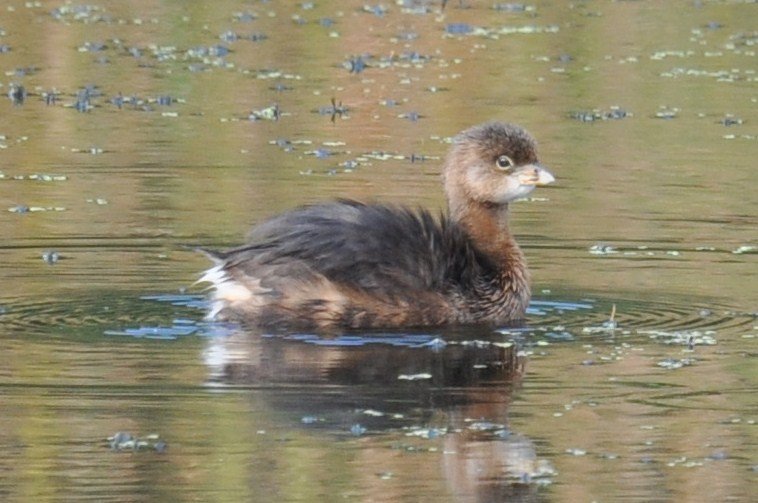
SIB “Bird of the Week” – Pied-billed Grebe

Pied-billed Grebe – Podilymbus podicepsLength: 13″; Wingspan: 16″; Weight: 16 oz. There are seven species of Grebes, but only four are mapped in Sibley’s as possible visitors to Seabrook Island. However, only one of the four seems to be common to the Island. That is the Pied-billed Grebe which may be seen bobbing around in our lagoons and lakes…
Bird of the Week … Northern Mockingbird
Well, not sure any of you guessed this, but our 3rd President of the United States, Thomas Jefferson, had a pet Northern Mockingbird named “Dick.” He actually had several Mockingbirds at various times, but Dick was the only one he mentioned by name in his diary and apparently was his favorite. Jefferson often left the…
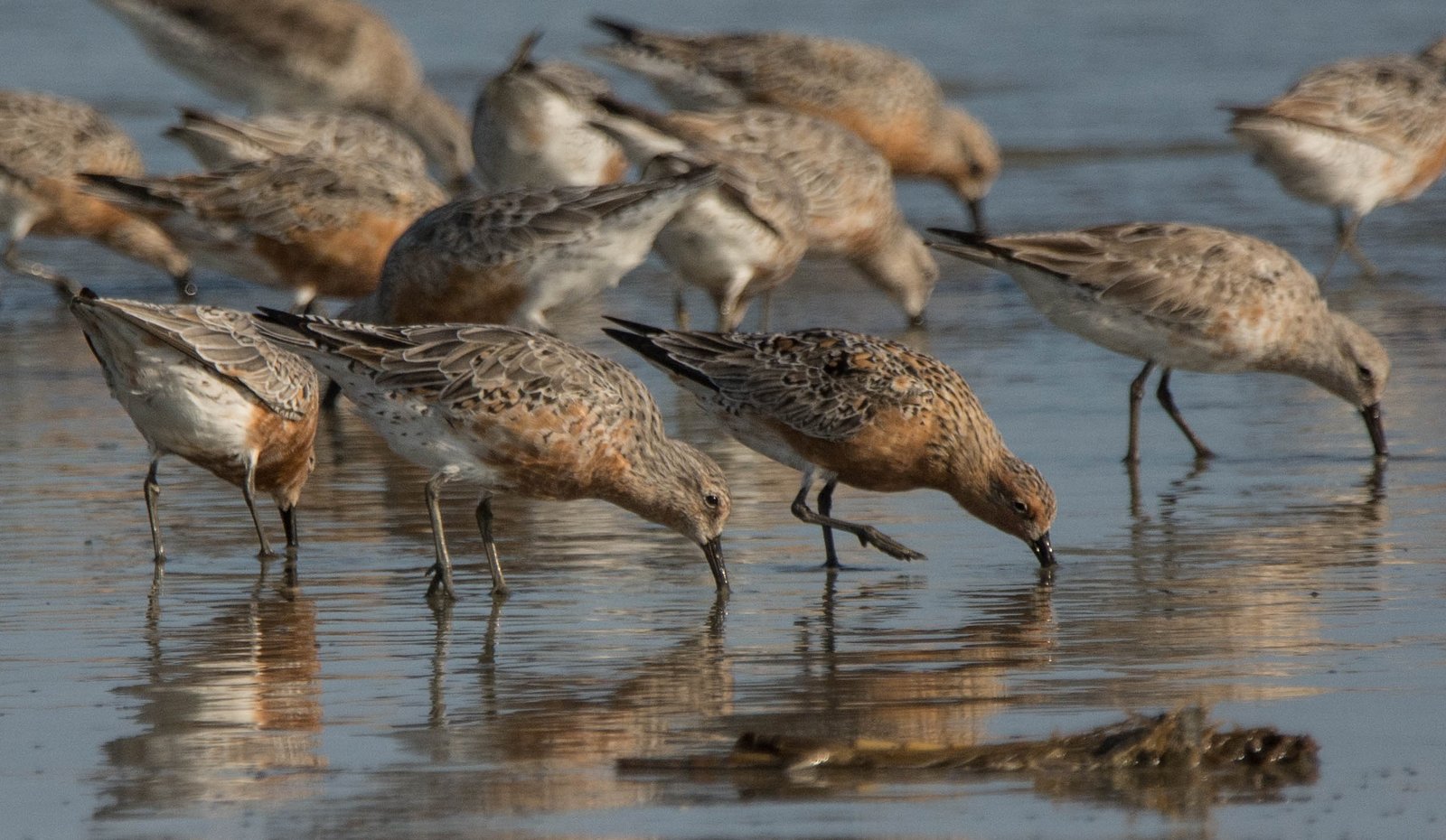
SIB “Bird of the Week” – Red Knot

Red Knot – Calidris canutusLength: 10.5″; Wingspan: 23″; Weight: 4.7 oz. One of the most exciting visitors to our beach March-May are the Red Knots. They have one of the longest migrations of any bird, about 18,000 miles round trip, from the tip of South America to the Arctic tundra where they breed. Our beach is an important…
Bird of the week-Meet the Yellow-throated Warbler
The Yellow-throated Warbler, Setophaga Dominica, is a common warbler in this area year round and breeds west to Texas and north as far as Illinois. They are part of the family of Wood Warblers or Parulidae. If you are lucky enough to spot this stunning warbler, it is an easy bird to identify. It has…
SIB Bird of the Week – Hermit Thrush
Hermit Thrushes are part of a genus (Catharus )that includes four other similar thrushes in North America: the Veery, Swainson’s Thrush, Gray-cheeked Thrush, and Bicknell’s Thrush. The Hermit Thrush is a medium-sized thrush native to North America. It’s known for its beautiful, flute-like song, often described as ethereal and melodic, making it one of the…
Ask SIB – Why do so many birds have white bellies?
If you pay close attention, you will see this general color pattern in not just birds, but in a wide array of species, in everything from insects, fish, reptiles, birds, and mammals. There must be an evolutionary advantage! Back in 1896, Abbott H. Thayer wrote a paper describing the dark top, light underneath as a…
SIB “Bird of the Week” – Bald Eagle
Bald Eagle – Haliaeetus leucocephalusLength: 31″; Wingspan: 80″; Weight: 152 oz. Seabrook Island residents have a special bond with the Bald Eagle. For more than ten years, Seabrookers have followed our Bald Eagles as they nested, reared their young, lost nests due to tree age and storms, and then once again found new locations to nest.…
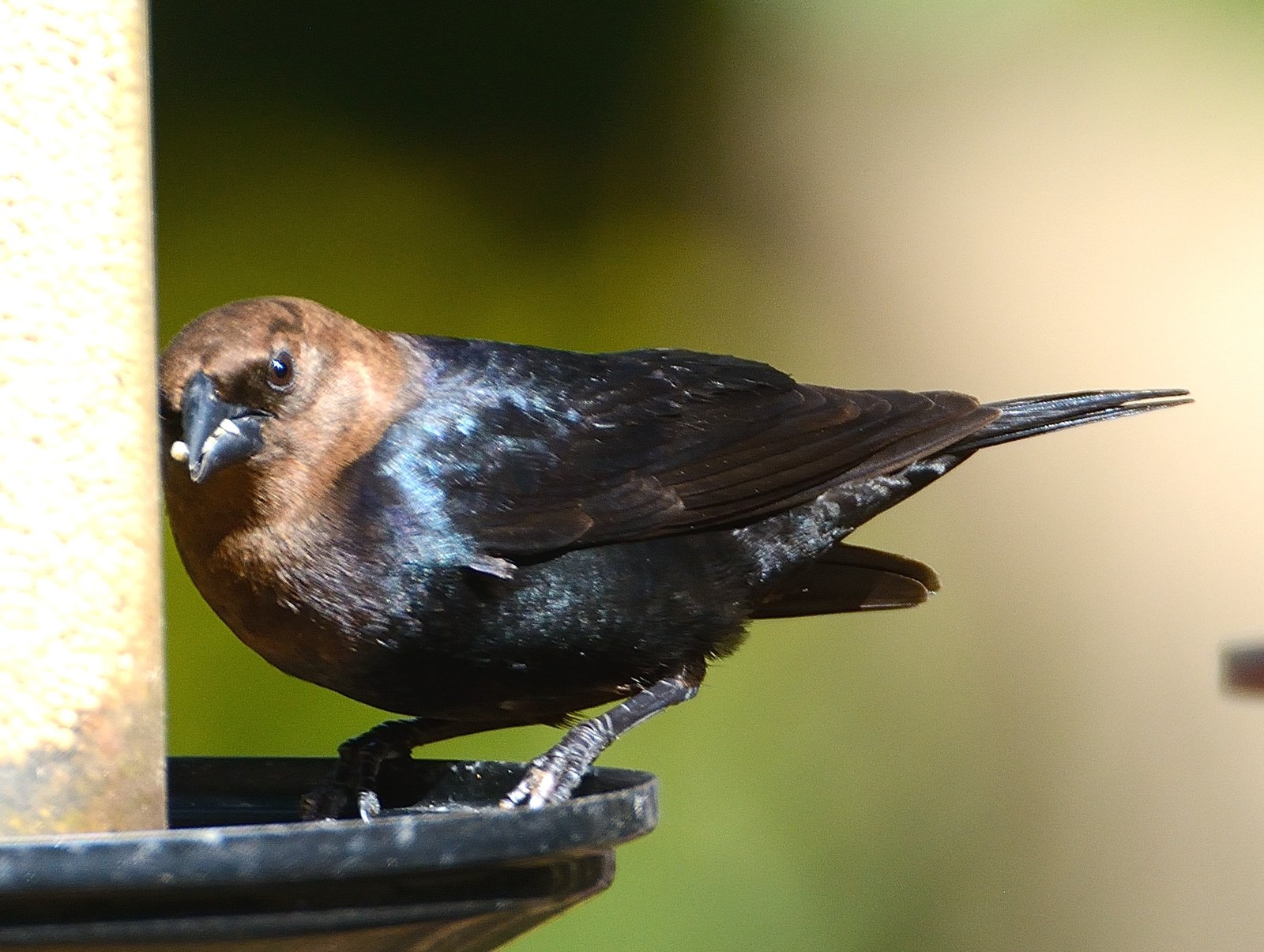
SIB “Bird of the week”-Brown-headed Cowbird

Brown-headed cowbirds are found in grasslands, woodland edges and residential areas. They are native to North America. They will roost along with blackbirds numbering in large amounts. It is a stocky blackbird with brown head. Smaller and shorter tale than a blackbird. The females are unmarked brown with faint streaks on the breast and pale throats.…
SIB “Bird of the Week” – Yellow-bellied Sapsucker
Yellow-bellied Sapsucker – Sphyrapicus variusLength: 7.1-8.7″; Wingspan: 13.4-15.7″; Weight: 1.5-1.9 oz. The Yellow-bellied Sapsucker is the only woodpecker in eastern North America that is completely migratory. Although a few individuals remain throughout much of the winter in the southern part of the breeding range, most head farther south, going as far south as Panama. Females tend to…