Latest posts
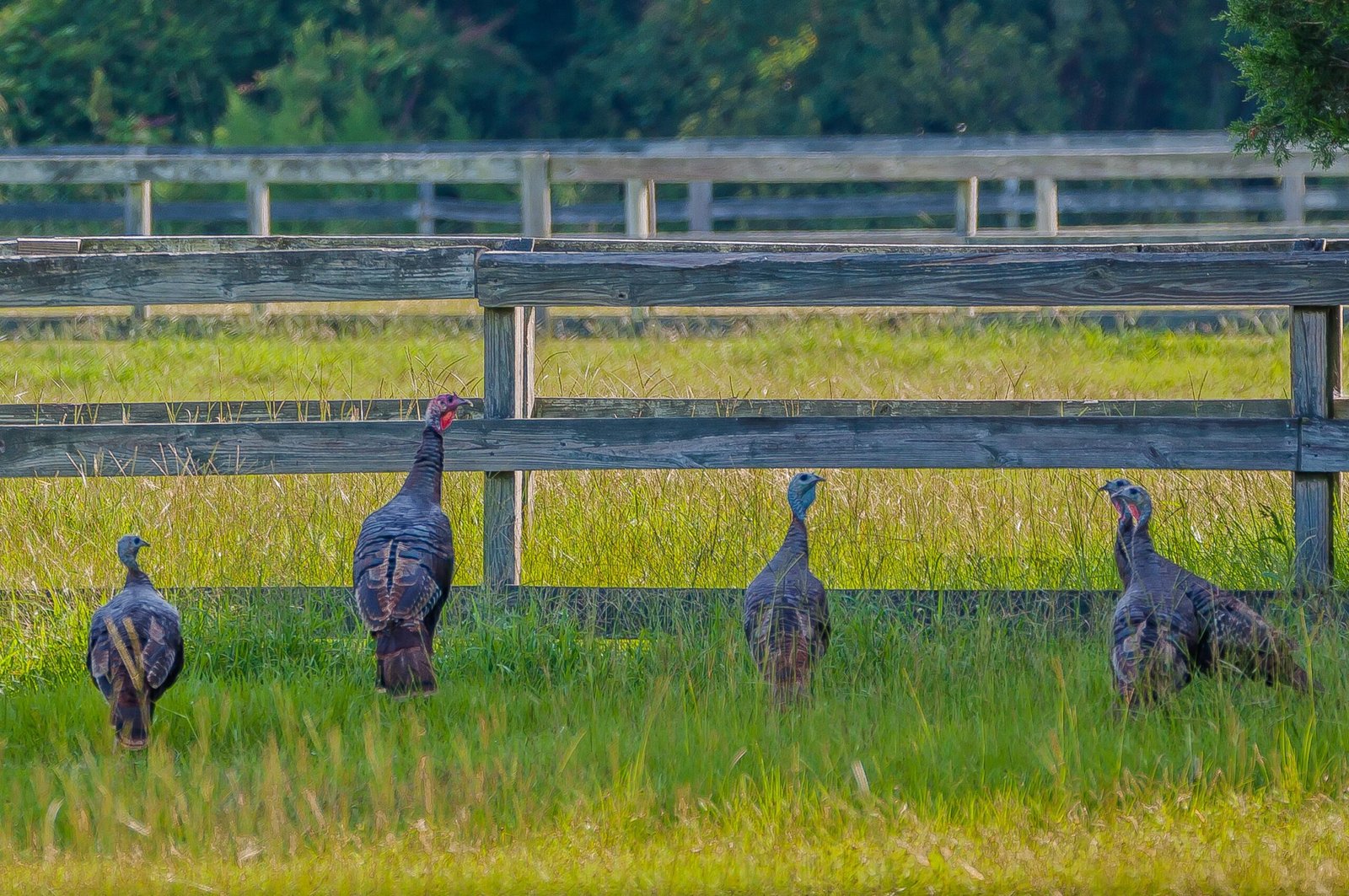
SIB “Bird of the Week” – Wild Turkey

Wild Turkey – Meleagris gallopavoLength: 46″; Wingspan: 64″; Weight: 259 oz. Residents are reporting an increase in sightings of Eastern Wild Turkeys on Seabrook Island. The domesticated version of this large native game bird is well known because of its role each Thanksgiving day. Millions of turkeys are drawn from an outline of the hands of elementary children prior to Thanksgiving each year. The turkey would have been our national…
SIB “Bird of the Week” – Clapper Rail

Clapper Rail – Rallus longirostrisLength: 14.5″; Wingspan: 19″; Weight: 10 oz. You may not be aware that hidden in dense cover in our salt marshes lurk a bird called Clapper Rail. This slinking, secretive bird is a year-round resident on our island and often we only hear the loud clattering call as our clue that a Clapper Rail…
SIB Bird of the week -Baltimore Oriole
Have you noticed any new birds coming into your yard lately? One brightly colored visitor that might show up frequently in our area at this time of year is the Baltimore Oriole. Icterus galbula One of the most brilliantly colored songbirds in the east, flaming orange and black, sharing the heraldic colors of the coat…
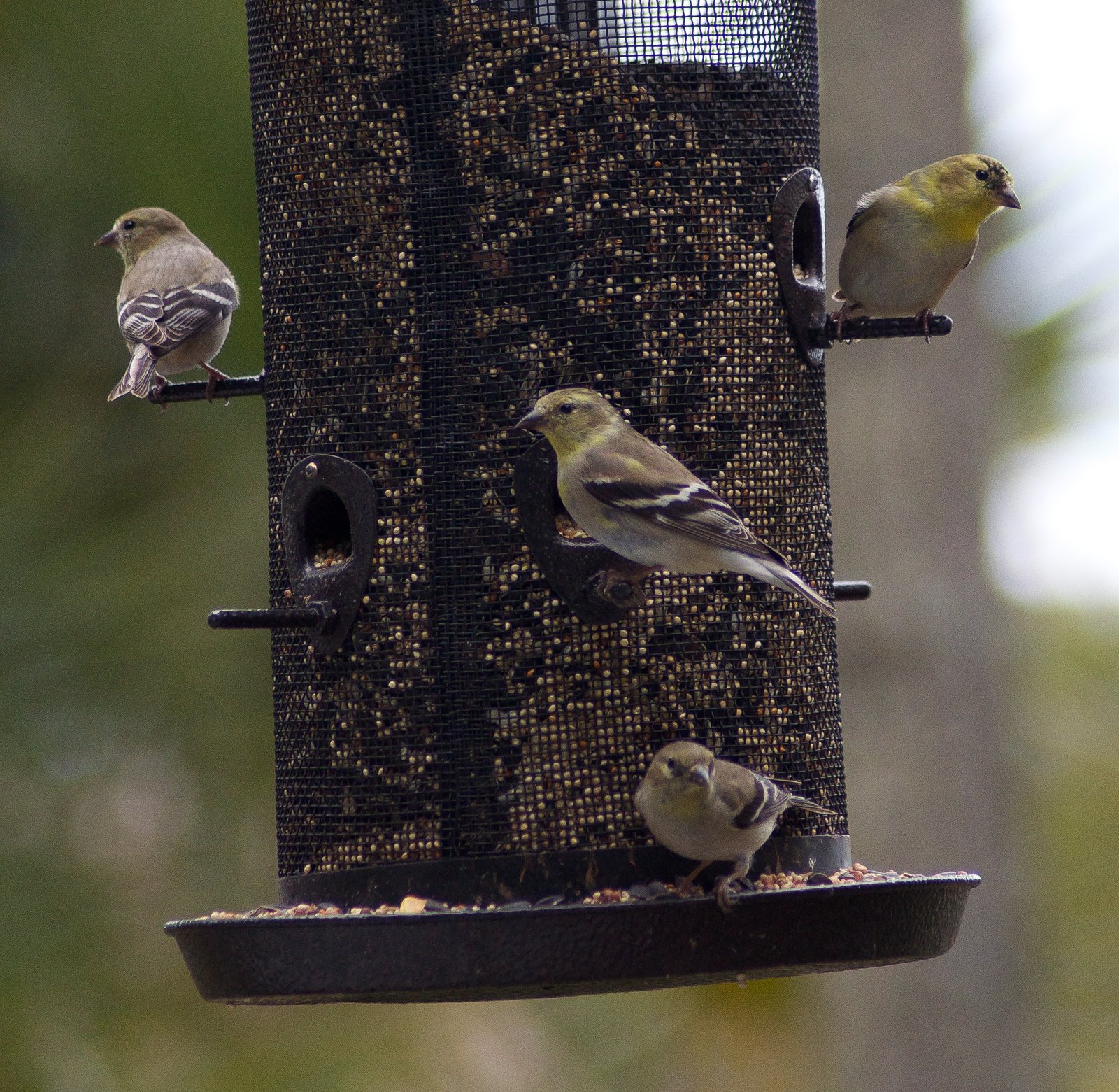
SIB “Bird of the Week” – American Goldfinch

American Goldfinch – Spinus tristisLength: 5″; Wingspan: 9″; Weight: 0.46 oz. This small finch is commonly found in flocks on Seabrook Island during the winter months (November – March) on backyard feeders, along the golf courses or anywhere there are weed seeds. It has a sharply pointed bill, a small head, long wings and a…
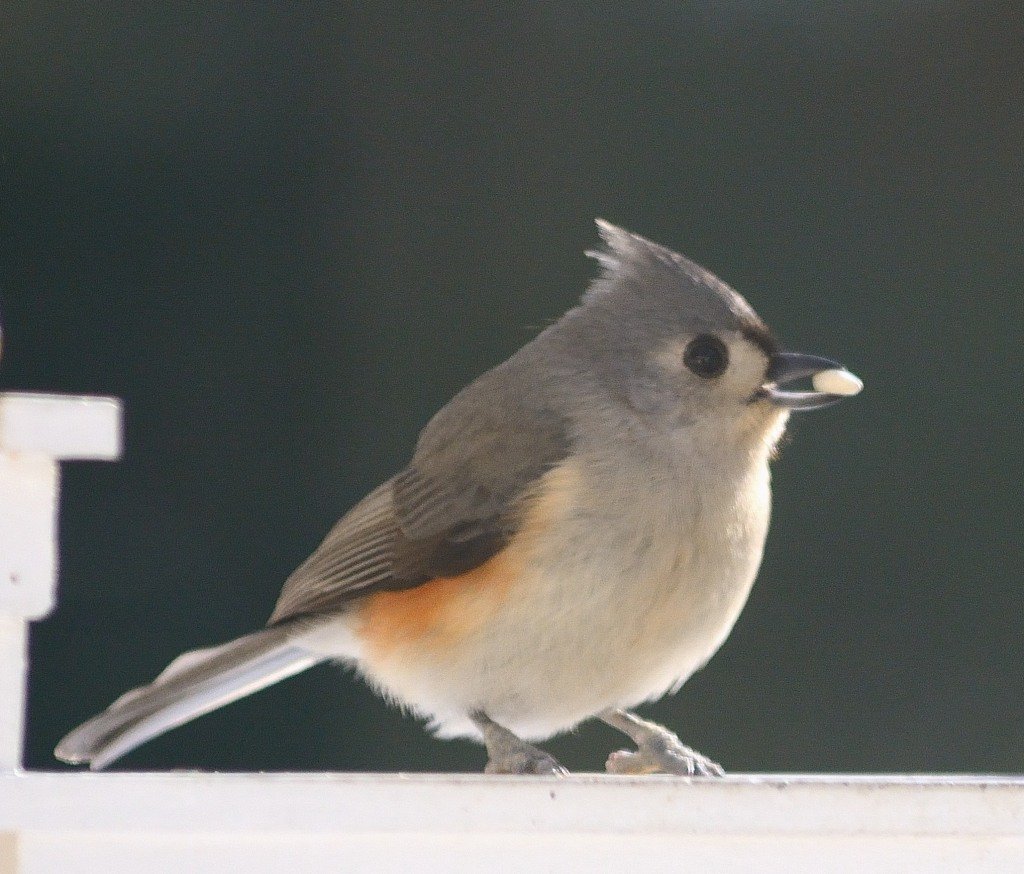
SIB “Bird of the Week” – Tufted Titmouses (OR Titmice?)

Have you ever wondered the plural of Tufted Titmouse? Often in the field, I say “Tufted Titmouses” and then quickly change to “Tufted Titmice.” I finally decided to research the answer! The origin of the word “mouse” comes from the Old English word “mase,” meaning “small bird” and has no connection to rodents. Many purists…
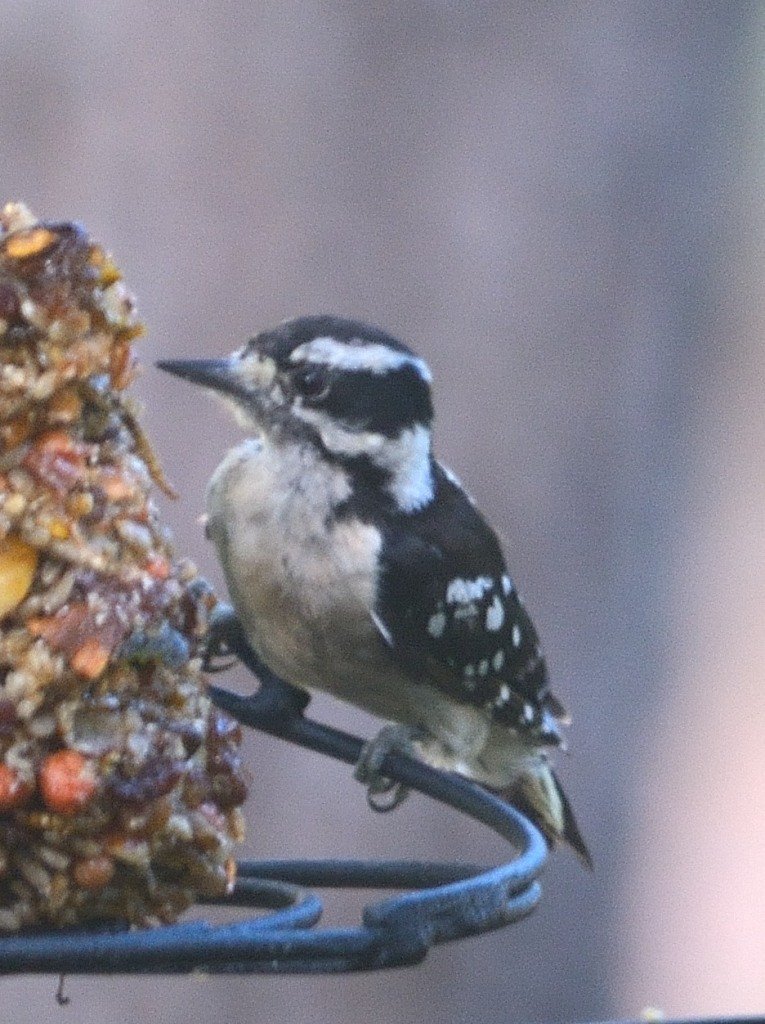
SIB “Bird of the Week” – Downy Woodpecker

Downy Woodpecker – Picoides pubescensLength: 5.5 – 6.7″; Wingspan: 9.8-11.8″; Weight: 0.7-1.0 oz. The active little Downy Woodpecker is a familiar sight at backyard feeders and in parks and woodlots, where it joins flocks of chickadees and nuthatches, barely out-sizing them, and can be attracted to a bird bath or sprinkler. An often acrobatic forager, this black-and-white woodpecker…
SIB “Bird of the Week” – Our Nuthatches
At first glance you might mistake a White-breasted Nuthatch for a chickadee with their grey backs, black cap, and white belly, but the nuthatch is about an inch bigger than our Carolina Chickadee. Nuthatches are compact little birds with very short tails and no neck to speak of. They have a unique foraging behavior, crawling…
“Remote” Birding
When most people think about the hobby of bird watching, they probably envision walks in the woods, beach and parks. Some people enjoy birding by bike, golf cart or low-speed vehicles (LSV). You might even know about locations you can drive and bird. For example, here in the Charleston County area, options include a drive…
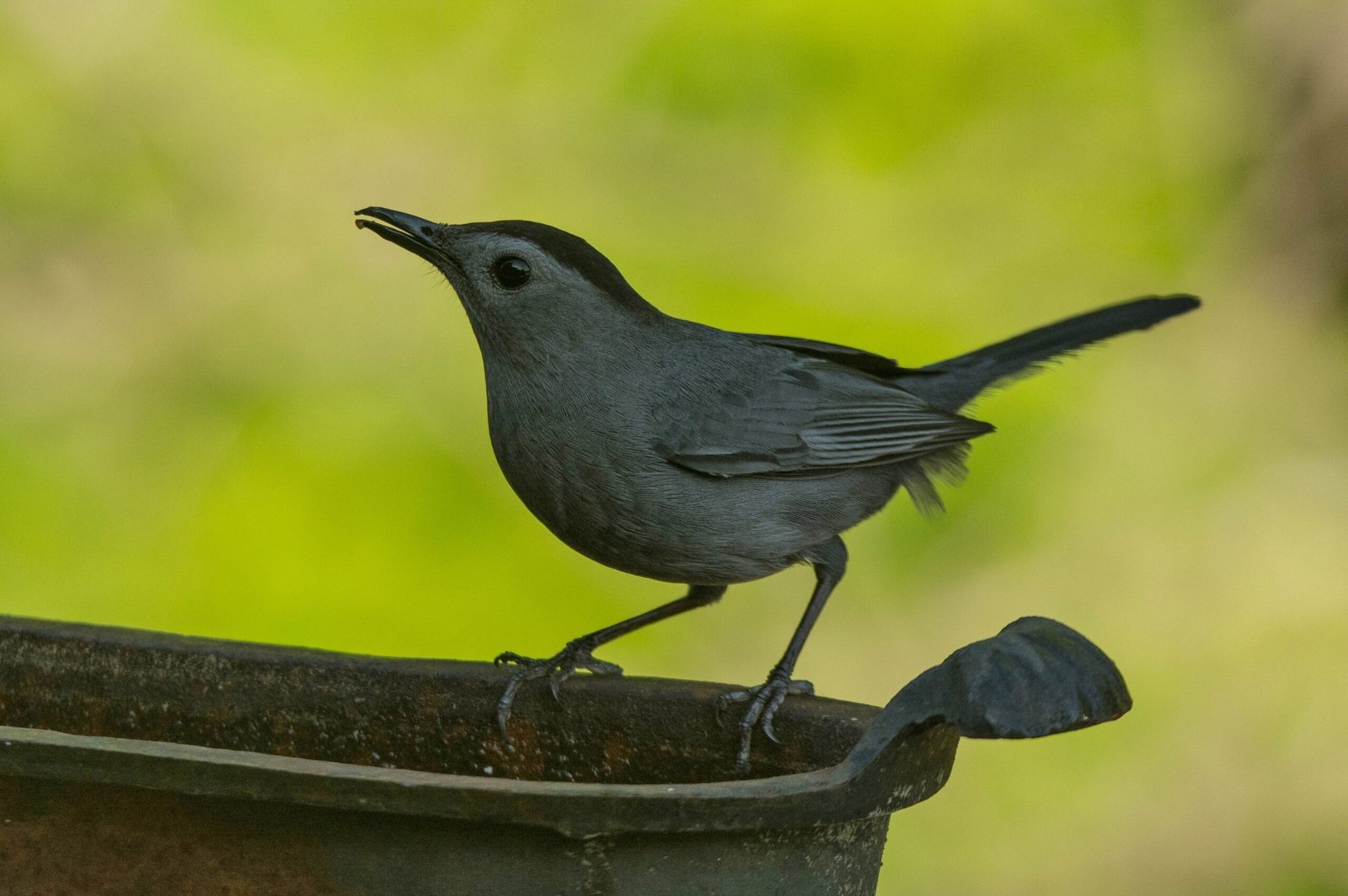
SIB “Bird of the Week” – Gray Catbird

Gray Catbird – Dumetella carolinensis Length: 8.5″; Wingspan: 11″; Weight: 1.3 oz. If you struggle with learning bird songs and calls, try starting with the “catty mew” of the Gray Catbird. Just the sound of it makes you think of a cat which will help you remember its name! These birds are migratory, but you can hear and…
SIB “Bird of the Week” – Ruby-crowned Kinglet

Ruby-crowned Kinglet – Regulus calendulaLength: 4.25″; Wingspan: 7. 5″; Weight: 0.23 oz. There are two good ways to identify the Ruby-crowned Kinglet. First, you might see it out of the corner of your eye. That’s because it flicks its wings and hops fairly continuously. You also might recognize it from its very distinctive call. The…