Latest posts
SIB “Bird of the Week” – Yellow-rumped Warbler

Yellow-rumped Warbler – Setophaga coronataLength: 5.5″; Wingspan: 9.25″; Weight: 0.43 oz. Yellow-rumped Warblers are one of the most common warblers in North America and abundant on Seabrook Island from fall through spring. The Yellow-rumped Warbler is sometimes referred to as “Butter Butt” due to its bright yellow rump. It was formally called Myrtle Warbler in the…
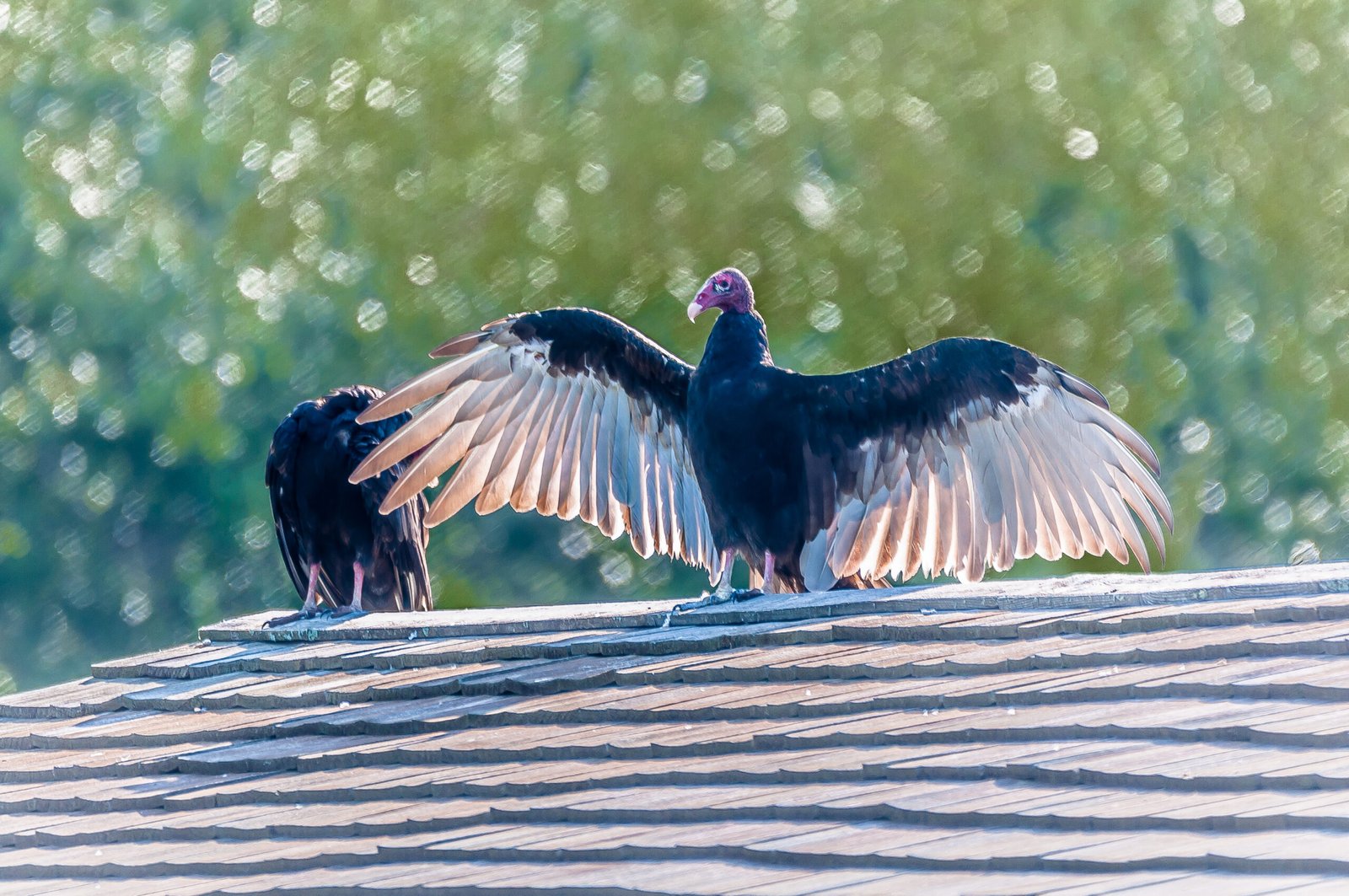
SIB “Bird of the Week” – Turkey Vulture vs. Black Vulture

Turkey Vulture vs. Black Vulture – Cathartes aura and Coragyps atratusTurkey Vulture – Length: 26″; Wingspan: 67″; Weight: 4.0 lbBlack Vulture – Length: 25″; Wingspan: 59″; Weight: 4.4 lb No, those are NOT buzzards; they are vultures. We have no buzzards in North America but we do have two types of vultures:…
SIB “Bird of the Week”- Tree Swallow

Tree Swallow are streamlined small songbirds with long pointed wings and a short, squared’ slightly notched tail. Adult males are blue green above and white below with blackish flight feathers and a thin black eye mask; females are duller with more brown in their upperparts, and juveniles are completely brown above. Juveniles and some females…
SIB Travels: An African Safari
As soon as Turtle Patrol season was over on Seabrook, my husband and I left for an adventure in Southern Africa. We’d been on safari 33 years ago and were very excited to have an opportunity to go back. Our goal was twofold – see Victoria Falls and see the Big Five (lions, leopards, rhinos,…
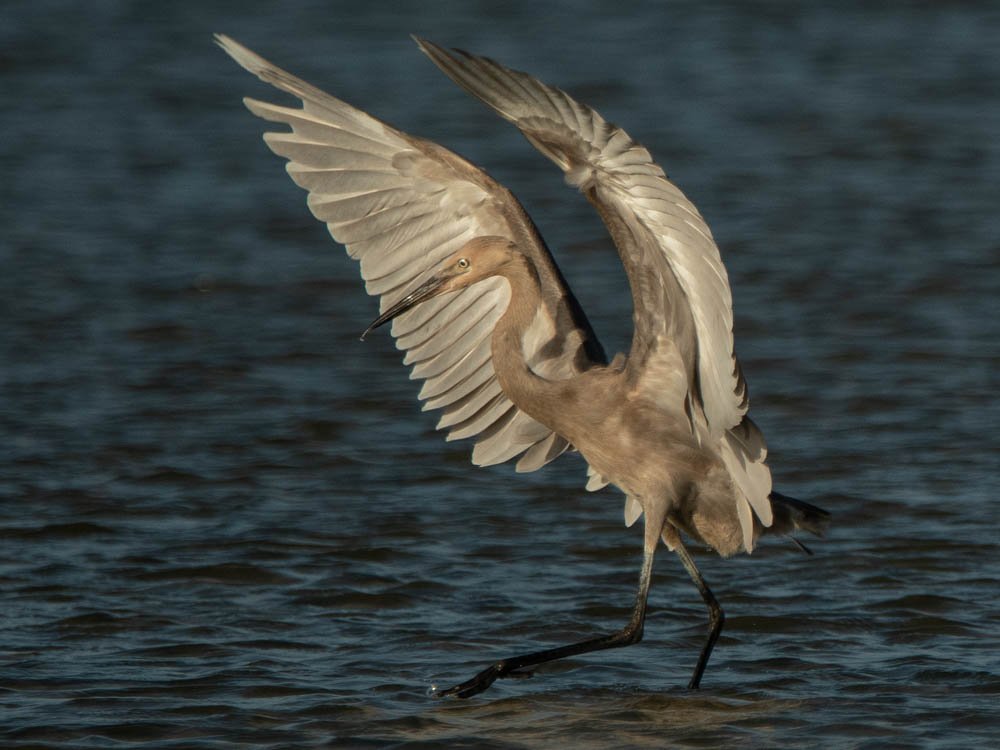
Bird of the week – Reddish Egrets – North Beach

Early Wednesday morning, Ed and I were treated to the sight of two beautiful Reddish Egrets actively feeding on North Beach. It’s a thrill to see one Reddish Egret at this time of the year, but two is fantastic! They are not common birds here in the Low Country, so it is always a great…
SIB “Bird of the Week” – Laughing Gull
Laughing Gull – Leucophaeus AtricillaLength: 16.5″; Wingspan: 40″; Weight: 11 oz. Swirling over beaches with strident calls and a distinctive, crisp black head, Laughing Gulls provide sights and sounds evocative of summer on Seabrook Island. You’ll run across this handsome gull in large numbers at beaches, docks, and parking lots, where they wait for handouts or fill…
Bird of the Week: Red-winged Blackbird
For years I’ve been noticing smaller birds like Chickadees, Titmice and Wrens mob larger birds like Crows and Blue Jays, and medium size birds such as Mockingbirds, Blue Jays and Crows mob larger birds like Hawks and Owls if they encroach into their territory. Just the other morning Blue Jays were causing a complete ruckus…
Bird of the Week: White-eyed Vireo
White-eyed Vireo – Vireo griseus There are four species of vireos possible on Seabrook Island. The White-eyed Vireo may be seen all year round. The others spend either the winter in the area—Blue-headed Vireo or the summer—Red-eyed Vireo and Yellow-throated Vireo. Ebird reports of White-eyed vireo come from many locations on Seabrook Island including the…
SIB – Bird of the Week -Great Blue Heron
The Great Blue Heron is a huge and gray bird, with massive bill, black crown stripe on whitish head. It is the largest Heron in North America. They stand up to 5 feet fall and have a wingspan of 6.5 feet. Exactly 39-52″ (99-132 cm). W. 5’10 (1.8 m). The wing shape is Broad, Fingered,…
SIB -BIRD OF THE WEEK -Tricolor Heron
The Tricolor Heron can range in size from 25-30″ (64-76 cm). W. 3’2 (97 cm). Dark blue upperparts contrast with white belly and white stripe up fore neck. Base of bill and bare face skin are yellowish at most seasons, bright blue in breeding season. Slender shape makes this species look even longer-billed and longer-necked…