
Latest posts
-
SIB “Bird of the Week” – Pied-billed Grebe
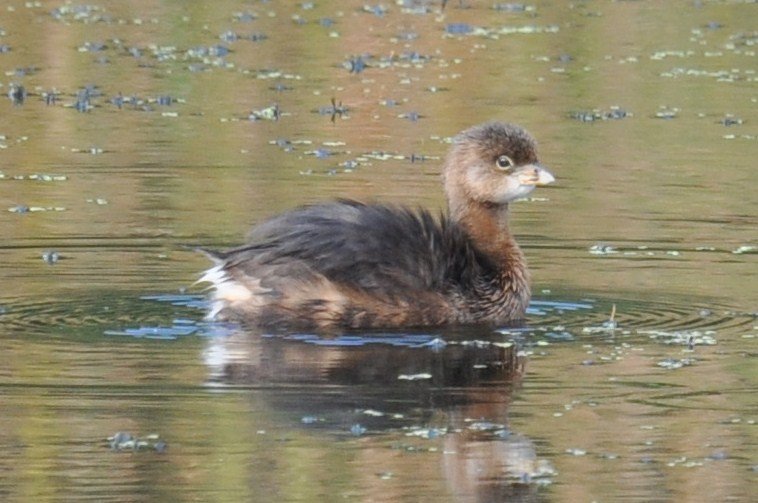
Pied-billed Grebe – Podilymbus podicepsLength: 13″; Wingspan: 16″; Weight: 16 oz. There are seven species of Grebes, but only four are mapped in Sibley’s as possible visitors to Seabrook Island. However, only one of the four seems to be common to the Island. That is the Pied-billed Grebe which may be seen bobbing around in our lagoons and lakes
-
The Confusing American Goldfinch
Last year, one of my friends said to me, “I can’t wait for the goldfinches to come back, they’re my favorite bird!” “What do you mean?” I asked. “I see them all summer, then one day they’re gone! After a few months they suddenly show up again!” she said. This confused me for a minute,
-
Avian Influenza and Bird Feeders
Avian Influenza, or bird flu as it’s commonly called, has been a concern since 2022. With recent outbreaks in poultry farms and dairy cows, it’s back in the news and raising questions. How does it spread? Should we take down our bird feeders to prevent transmission of the virus? Is it dangerous to humans? Cornell
-
Birds on Seabrook Island Year-round: Birds we love to hate
At the beginning of each season, we’ve briefly discussed birds arriving for that season. Many of our favorite birds are here all year. In fact, there are so many, let’s focus today on those we often complain about…or love to hate. The link in each description is a link to a “Bird of the Week”
-
A Birds Eye View: Birding for Boomers
Birding for Boomers: And Everyone Else Brave Enough to Embrace the World’s Most Rewarding and Frustrating Activity is a book by Sneed B. Collard III. The publisher provides a good description: a friendly, accessible, and humorous guide to discovering the joys of bird watching. Beginning birders of all ages will get answers to every question
-
Birds Eye View: eBird – What is it? And how does it work?
Do you use eBird? Maybe you’ve heard of it, but you’re not really sure how to use it. Most bird enthusiasts use eBird to track and report the bird species they see in a particular area. But what exactly is eBird and why should you bother reporting the birds you see? More importantly, HOW do
-
SIB “Bird of the Week” – Red Knot
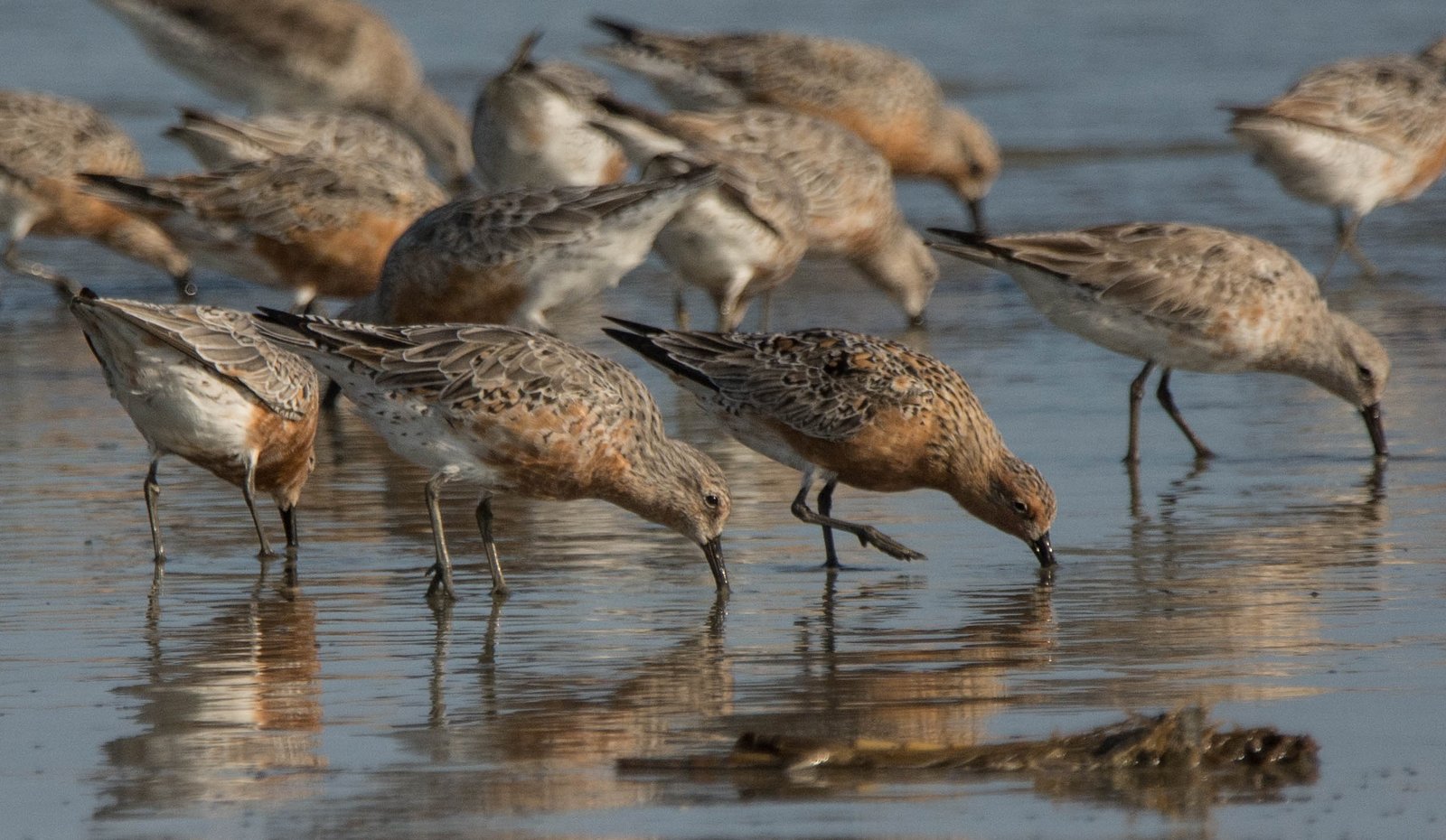
Red Knot – Calidris canutusLength: 10.5″; Wingspan: 23″; Weight: 4.7 oz. One of the most exciting visitors to our beach March-May are the Red Knots. They have one of the longest migrations of any bird, about 18,000 miles round trip, from the tip of South America to the Arctic tundra where they breed. Our beach is an important
-
Bird of the week-Meet the Yellow-throated Warbler
The Yellow-throated Warbler, Setophaga Dominica, is a common warbler in this area year round and breeds west to Texas and north as far as Illinois. They are part of the family of Wood Warblers or Parulidae. If you are lucky enough to spot this stunning warbler, it is an easy bird to identify. It has
-
SIB Bird of the Week – Hermit Thrush
Hermit Thrushes are part of a genus (Catharus )that includes four other similar thrushes in North America: the Veery, Swainson’s Thrush, Gray-cheeked Thrush, and Bicknell’s Thrush. The Hermit Thrush is a medium-sized thrush native to North America. It’s known for its beautiful, flute-like song, often described as ethereal and melodic, making it one of the
-
SIB – What’s your state bird?
State birds are chosen as symbols to represent the natural heritage and culture of each U.S. state. They are often selected based on their uniqueness, popularity, or significance to the region. Here are a few reasons why states have official birds: 1. State Pride & Identity Each state wants to showcase its natural beauty and