Latest posts
SIB “Bird of the Week” – American Robin

American Robin – Turdus migratoriusLength: 10″; Wingspan: 17”.Although generally this bird is thought to be a sign of spring in the more northern sections of North American, during the winter this migratory bird loves to hang in the warmer areas of the South gorging on our berries! The Robin is among the most abundant bird species on the…
SIB “Bird of the Week” – Crows: American vs Fish

American Crow – Corvus brachyrhynchosLength: 17.5″; Wingspan: 39″; Weight: 16 oz. Fish Crow – Corvus ossifragusLength: 15″; Wingspan: 36″; Weight: 10 oz. Probably many people on Seabrook have no idea that there are two kinds of crows here. For most of us, a crow is a crow. Actually, there are two different species on the Island: The American Crow and the…
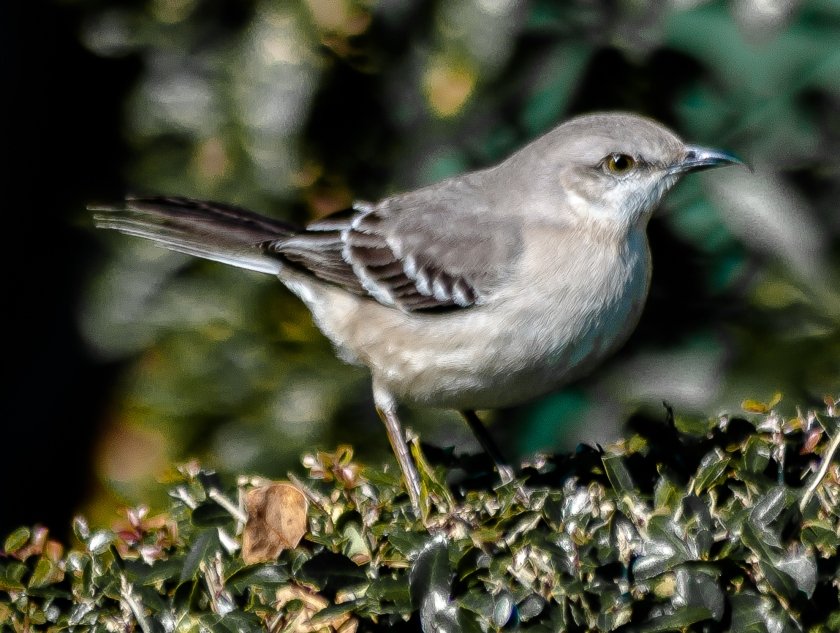
Copy of Bird of the Week … Northern Mockingbird

Well, not sure any of you guessed this, but our 3rd President of the United States, Thomas Jefferson, had a pet Northern Mockingbird named “Dick.” He actually had several Mockingbirds at various times, but Dick was the only one he mentioned by name in his diary and apparently was his favorite. Jefferson often left the…
SIB “Bird of the Week” – Northern Flicker

Northern Flicker – Colaptes auratusLength: 11-12.2″; Wingspan: 16.5-20.1″; Weight: 3.9-5.6 oz. Northern Flickers are large, brown woodpeckers with a gentle expression and handsome black-scalloped plumage. On walks, don’t be surprised if you scare one up from the ground. It’s not where you’d expect to find a woodpecker, but flickers eat mainly ants and beetles, digging for them…
SIB “Bird of the Week” – Black Skimmer

Black Skimmer – Rynchops nigerLength: 18″; Wingspan: 44″; Weight: 11 oz. We are among a lucky few to have the Black Skimmer along our beaches. As you can see from the map below, this dramatic and beautiful bird populates only a very small portion of the United States. Aside from its striking black and white…
SIB “Bird of the Week” – Piping Plover
Piping Plover – Charadrius melodusLength: 7.25″; Wingspan: 19″; Weight: 1.9 oz. The Piping Plover is a small shorebird that has gotten a lot of attention at Seabrook. It doesn’t nest here, but Seabrook is an important stop for it in migration to feed. It’s feeding habitat has seriously declined since many coastal beaches have been lost to…
SIB “Bird of the Week” – Little Blue Heron
Little Blue Heron – Egretta caeruleaLength: 22-29”; Wingspan: 40”Below is a confusing bird to identify. It’s a Little Blue Heron in what is called “first year” plumage. When a Little Blue is immature (i.e., during the year in which it is born), it is totally white. Until a birder has mastered the characteristics of our local white egrets,…
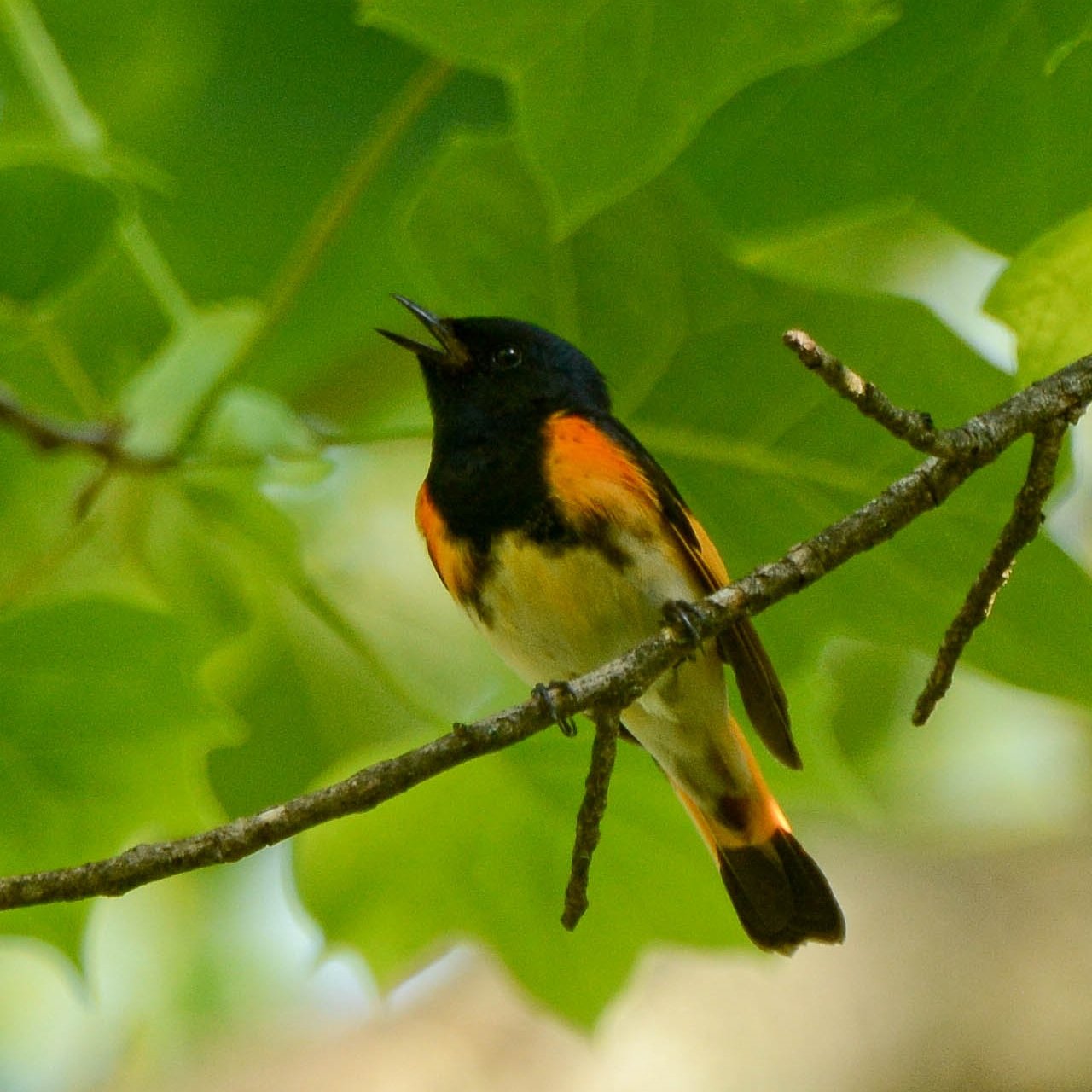
SIB “Bird of the Week” – American Redstart

American Redstart – Setophaga ruticillaLength: 5.25″; Wingspan: 7.75″; Weight: 0.29 oz. While the American Redstart is a wood-warbler and part of the Parulidae Family, it is the only warbler species in the Setophage Genus. David Sibley, in his Field Guide to Birds index, does not list it among the warblers, but alone under Redstart. They do migrate, in treed habitats, along the SC…
SIB “Bird of the Week” – Laughing Gull
Laughing Gull – Leucophaeus AtricillaLength: 16.5″; Wingspan: 40″; Weight: 11 oz. Swirling over beaches with strident calls and a distinctive, crisp black head, Laughing Gulls provide sights and sounds evocative of summer on Seabrook Island. You’ll run across this handsome gull in large numbers at beaches, docks, and parking lots, where they wait for handouts or fill…
SIB Bird of the Week – Wood Stork
Large, white Wood Storks wade through southeastern swamps and wetlands. It is a good flier, soaring on thermals with neck and legs outstretched. This bald-headed wading bird stands just over 3 feet tall, which makes it one of the tallest wetland bird. A whooping crane beats out the Wood Stork as tallest. Wood Storks breed…