
Latest posts
-
SIB “Bird of the Week” – Laughing Gull
Laughing Gull – Leucophaeus AtricillaLength: 16.5″; Wingspan: 40″; Weight: 11 oz. Swirling over beaches with strident calls and a distinctive, crisp black head, Laughing Gulls provide sights and sounds evocative of summer on Seabrook Island. You’ll run across this handsome gull in large numbers at beaches, docks, and parking lots, where they wait for handouts or fill
-
Bird of the Week: Red-winged Blackbird
For years I’ve been noticing smaller birds like Chickadees, Titmice and Wrens mob larger birds like Crows and Blue Jays, and medium size birds such as Mockingbirds, Blue Jays and Crows mob larger birds like Hawks and Owls if they encroach into their territory. Just the other morning Blue Jays were causing a complete ruckus
-
Bird of the Week: White-eyed Vireo
White-eyed Vireo – Vireo griseus There are four species of vireos possible on Seabrook Island. The White-eyed Vireo may be seen all year round. The others spend either the winter in the area—Blue-headed Vireo or the summer—Red-eyed Vireo and Yellow-throated Vireo. Ebird reports of White-eyed vireo come from many locations on Seabrook Island including the
-
SIB – Bird of the Week -Great Blue Heron
The Great Blue Heron is a huge and gray bird, with massive bill, black crown stripe on whitish head. It is the largest Heron in North America. They stand up to 5 feet fall and have a wingspan of 6.5 feet. Exactly 39-52″ (99-132 cm). W. 5’10 (1.8 m). The wing shape is Broad, Fingered,
-
SIB -BIRD OF THE WEEK -Tricolor Heron

The Tricolor Heron can range in size from 25-30″ (64-76 cm). W. 3’2 (97 cm). Dark blue upperparts contrast with white belly and white stripe up fore neck. Base of bill and bare face skin are yellowish at most seasons, bright blue in breeding season. Slender shape makes this species look even longer-billed and longer-necked
-
SIB “Bird of the Week” – Mourning Dove
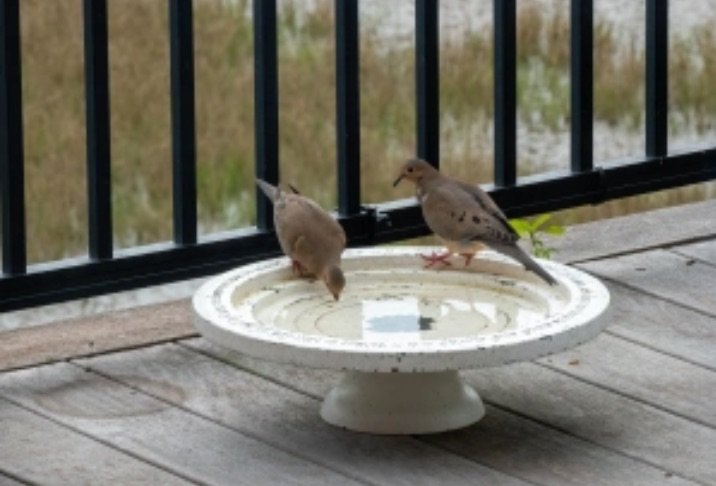
Mourning Dove – Zenaida macrouraLength: 9″- 12″; Wingspan: 17″-19″; Weight: 4-6 oz. Mourning Doves are one of the most recognized birds in North America and can be found all across the continent. Their distinctive cooing sound can be heard throughout the day and lends a sense of peaceful calm to the backyard. A graceful, slender-tailed
-
SIB “Bird of the Week” – Northern Flicker
Northern Flicker – Colaptes auratusLength: 11-12.2″; Wingspan: 16.5-20.1″; Weight: 3.9-5.6 oz. Northern Flickers are large, brown woodpeckers with a gentle expression and handsome black-scalloped plumage. On walks, don’t be surprised if you scare one up from the ground. It’s not where you’d expect to find a woodpecker, but flickers eat mainly ants and beetles, digging for them
-
SIB “Bird of the Week” – Palm Warbler
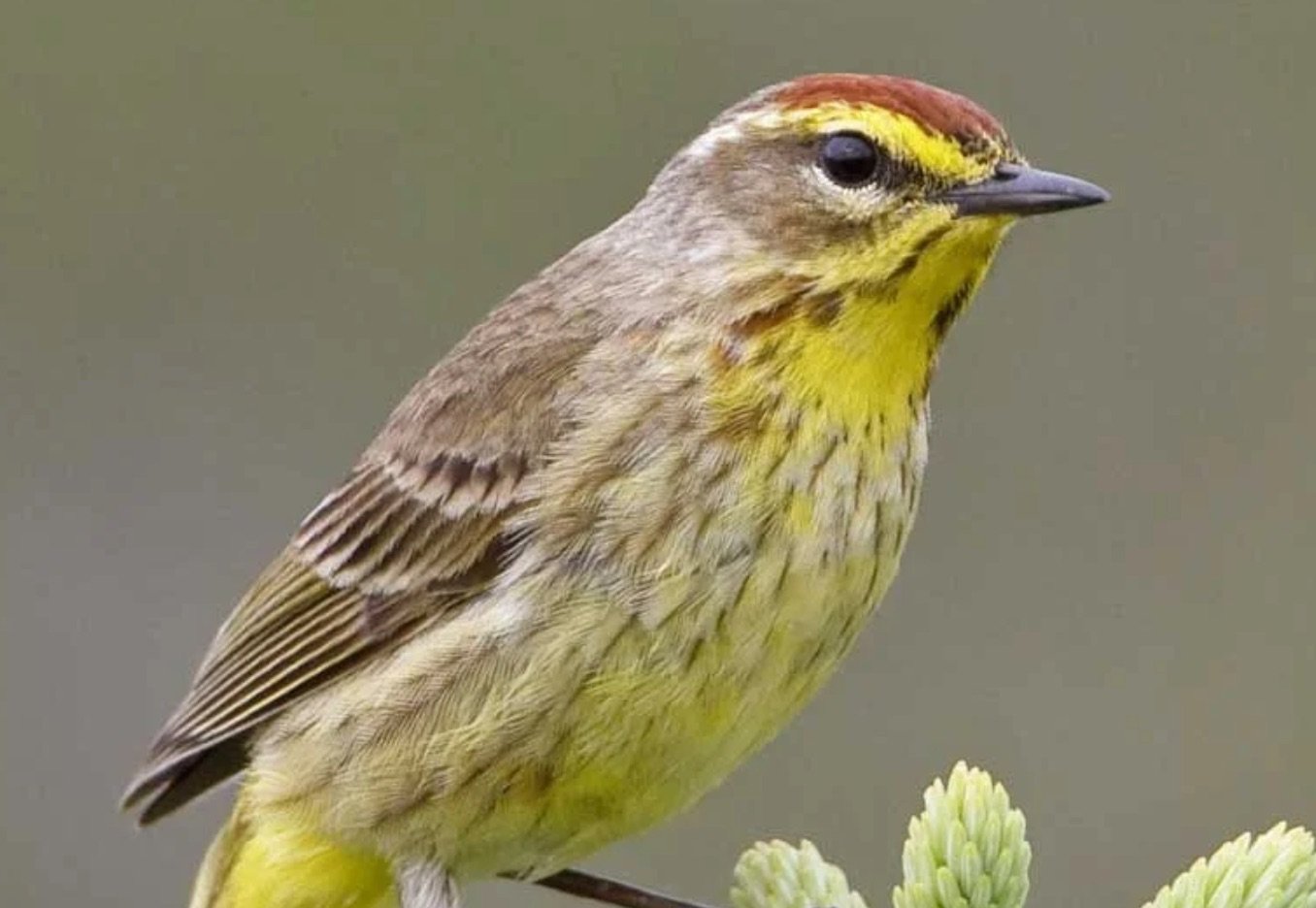
Palm Warbler – Setophaga palmarumLength: 5.5″; Wingspan 8″; Weight: 0.36 oz. The Palm Warbler is one of the wood warblers. It is fairly common on Seabrook in the fall and winter months. The most obvious field mark is its tail-wagging habit. Although it is a rather dull olive on its back, as it wags, it shows its
-
SIB Bird of the Week – Pine Warbler

This warbler is well named due to it not often seen away from pine trees. Pine Warblers forage in a rather leisurely way at all levels in the pinewoods, from the ground to the treetops. This species is only a short-distance migrant, and almost the entire population spends the winter within the southern United States.
-
SIB “Bird of the Week” – Kites: Mississippi vs Swallow-tailed
Mississippi Kite – Ictinia mississippiensisLength: 14″ Wingspan: 31″ Weight: 10 oz Swallow-tailed Kite – Elanoides forficatus (endangered in South Carolina)Length: 22″ Wingspan: 51″ Weight: 12 oz Living at a beach community, I’m sure many people are accustomed to looking at kites in the sky along the beach – you know, the kind that Ben Franklin used. But have you ever looked up to see