Latest posts
-
Learning Together at Seabrook Island Golf Courses (Ocean Winds or Crooked Oaks)

Monday March 16, 2026 8:30 am – 10:30 am – Crooked OaksLocation: Meet at Bag Drop at Island House 3772 Seabrook Island Road, Seabrook Island, SC 29455 for ride along the golf course in golf cartsMax: 24 (If all seats in golf carts are used)Cost: Free for members; $10 donation for guests – Priority will be
-
SIB “Bird of the Week” – Yellow-bellied Sapsucker
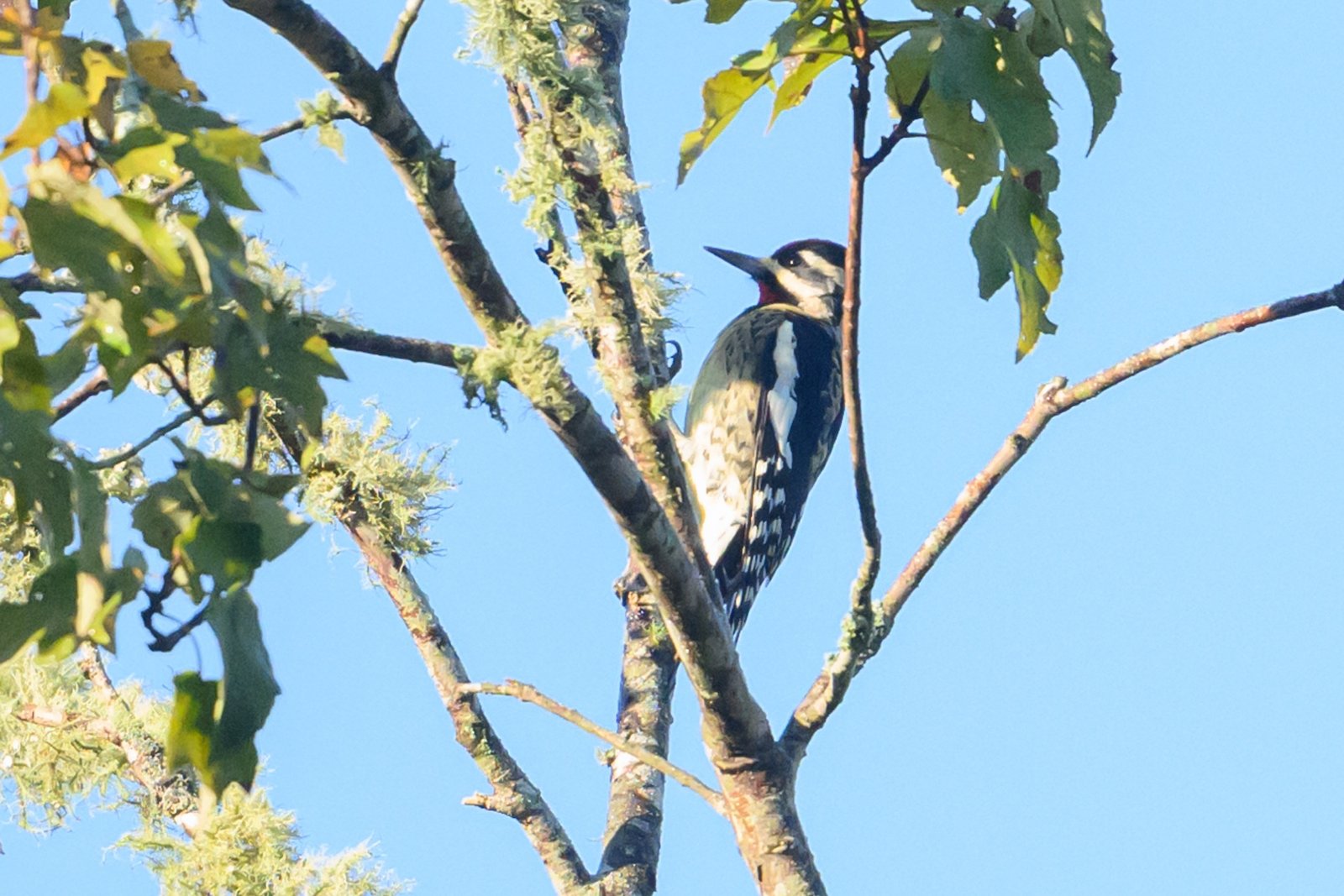
Yellow-bellied Sapsucker – Sphyrapicus variusLength: 7.1-8.7″; Wingspan: 13.4-15.7″; Weight: 1.5-1.9 oz. The Yellow-bellied Sapsucker is the only woodpecker in eastern North America that is completely migratory. Although a few individuals remain throughout much of the winter in the southern part of the breeding range, most head farther south, going as far south as Panama. Females tend to
-
Learning Together at Seabrook Island Golf Courses (Ocean Winds or Crooked Oaks)
Monday February 16, 2026 8:30 am – 10:30 am – Ocean WindsLocation: Meet at Bag Drop at Island House 3772 Seabrook Island Road, Seabrook Island, SC 29455 for ride along the golf course in golf cartsMax: 24 (If all seats in golf carts are used)Cost: Free for members; $10 donation for guests – Priority will
-
Learning Together at Seabrook Island Golf Courses (Ocean Winds or Crooked Oaks)
Monday January 19, 2026 8:30 am – 10:30 am – Ocean WindsLocation: Meet at Bag Drop at Island House 3772 Seabrook Island Road, Seabrook Island, SC 29455 for ride along the golf course in golf cartsMax: 24 (If all seats in golf carts are used)Cost: Free for members; $10 donation for guests – Priority will be
-
SIB Bird of the week – Baltimore Oriole

Have you noticed any new birds coming into your yard lately? One brightly colored visitor that might show up frequently in our area at this time of year is the Baltimore Oriole. Icterus galbula One of the most brilliantly colored songbirds in the east, flaming orange and black, sharing the heraldic colors of the coat
-
Copy of Bird of the Week … Northern Mockingbird
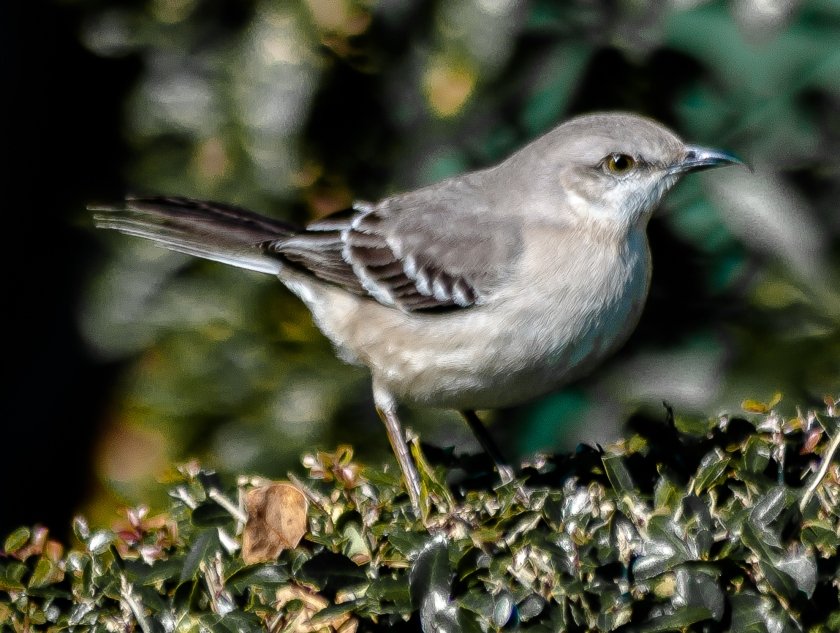
Well, not sure any of you guessed this, but our 3rd President of the United States, Thomas Jefferson, had a pet Northern Mockingbird named “Dick.” He actually had several Mockingbirds at various times, but Dick was the only one he mentioned by name in his diary and apparently was his favorite. Jefferson often left the
-
SIB “Bird of the Week” – Northern Flicker

Northern Flicker – Colaptes auratusLength: 11-12.2″; Wingspan: 16.5-20.1″; Weight: 3.9-5.6 oz. Northern Flickers are large, brown woodpeckers with a gentle expression and handsome black-scalloped plumage. On walks, don’t be surprised if you scare one up from the ground. It’s not where you’d expect to find a woodpecker, but flickers eat mainly ants and beetles, digging for them
-
SIB “Bird of the Week” – American Redstart
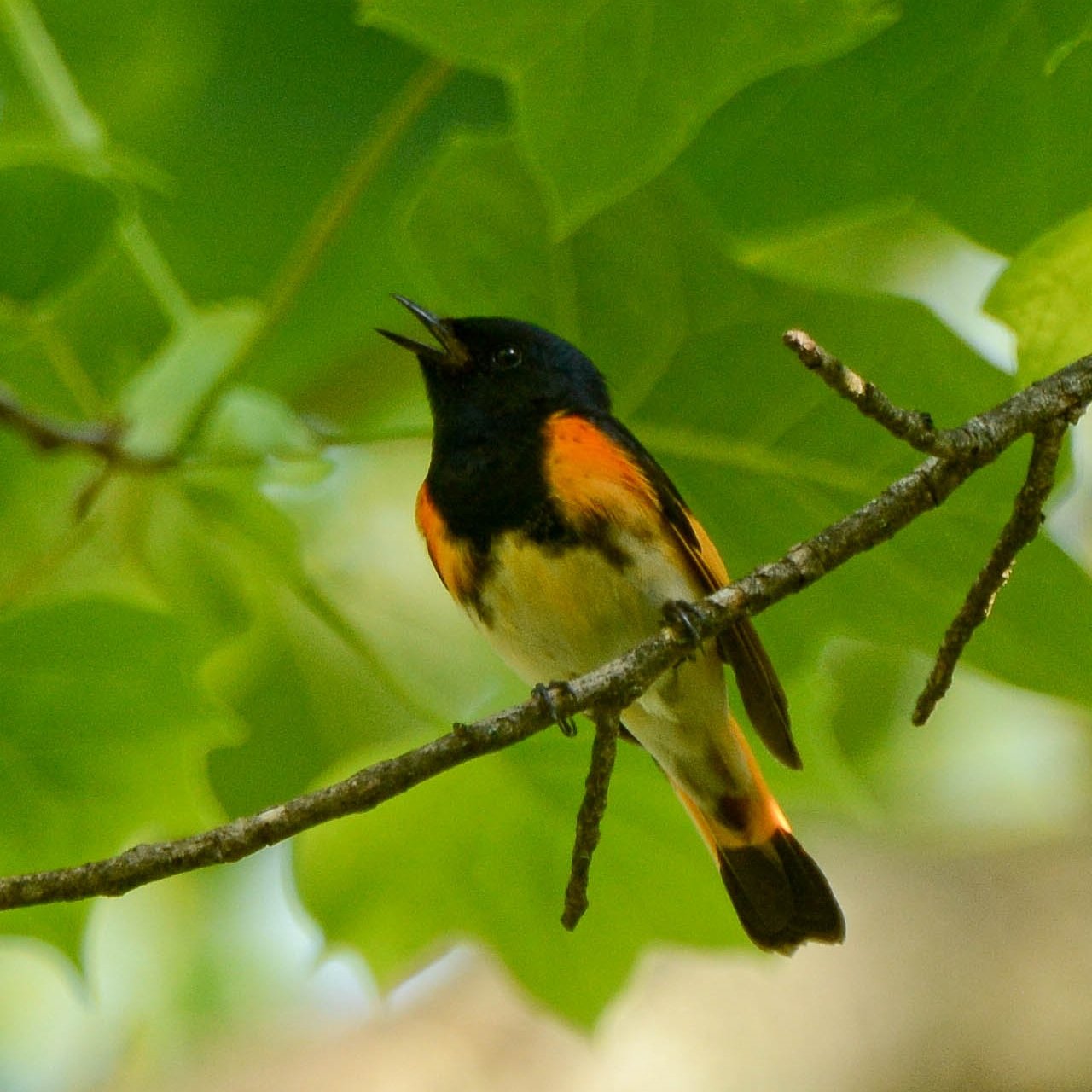
American Redstart – Setophaga ruticillaLength: 5.25″; Wingspan: 7.75″; Weight: 0.29 oz. While the American Redstart is a wood-warbler and part of the Parulidae Family, it is the only warbler species in the Setophage Genus. David Sibley, in his Field Guide to Birds index, does not list it among the warblers, but alone under Redstart. They do migrate, in treed habitats, along the SC
-
SIB “Bird of the Week” – Laughing Gull
Laughing Gull – Leucophaeus AtricillaLength: 16.5″; Wingspan: 40″; Weight: 11 oz. Swirling over beaches with strident calls and a distinctive, crisp black head, Laughing Gulls provide sights and sounds evocative of summer on Seabrook Island. You’ll run across this handsome gull in large numbers at beaches, docks, and parking lots, where they wait for handouts or fill
-
SIB -BIRD OF THE WEEK -Tricolor Heron

The Tricolor Heron can range in size from 25-30″ (64-76 cm). W. 3’2 (97 cm). Dark blue upperparts contrast with white belly and white stripe up fore neck. Base of bill and bare face skin are yellowish at most seasons, bright blue in breeding season. Slender shape makes this species look even longer-billed and longer-necked