
Summer vacation season is in full swing, and perhaps you’re getting the urge to wander, to hit the open road and see more of our beautiful country. And perhaps you’d like to include a little birding along the way. If you’re looking for ideas, here are a few travel destinations from Audubon that are not only beautiful, but also offer great birding opportunities. These locations incorporate some of the best summer birding in the US – and hopefully, some cooler temperatures.
Maine – From rocky coastlines to evergreen forests, Maine is a nature lover’s perfect getaway. Within these varied landscapes, there are sites for spectacular summer birding scattered all over the state, if you know where to look. The Maine Birding Trail is divided into eight regional sections. Explore the coastal segments to see Common Eiders, Black Guillemots, and offshore islands spotted with Atlantic Puffins and Arctic Terns. On forest trails, Blackburnian Warblers sing and Spruce Grouse lurk in the shadows. In secluded bogs, Olive-sided Flycatchers perch on the highest snags. Special tours and festivals feature some of the trail’s highlights and the chance to compare notes with fellow travelers. More information: mainebirdingtrail.com


North Carolina – From a birder’s standpoint, North Carolina is not one state but three. In the mountainous western corner, in the upper Appalachians, you’ll find birds typical of more northern regions in summer, such as Ruffed Grouse, Canada Warblers, and Black-throated Blue Warblers. Forests in the Piedmont’s flat plateau are alive with birdsongs from Acadian Flycatchers, Summer Tanagers, Yellow-throated Vireos, and Wood Thrushes. In the eastern section, great salt marshes along the bays support rails and herons, while Outer Banks beaches provide nesting sites for American Oystercatchers and Wilson’s Plovers. More information: ncbirdingtrail.org for three sectional guides that highlight more than 300 sites across the state, including many Important Bird Areas.
Minnesota – Pine to Prairie Birding Trail. In northwestern Minnesota, where the eastern forest converges with the Great Plains, a dazzling variety of birds nest this time of year. On the open prairies, Upland Sandpipers and Chestnut-collared Longspurs flutter over the grass, singing their flight songs. In the deciduous forest, just east of the prairies, mornings ring with calls from Pileated Woodpeckers, Scarlet Tanagers, and Rose-breasted Grosbeaks. The evergreen forest harbors an avian mélange that includes Northern Goshawks and Boreal Chickadees. Common Loons wail from every lake at night. More than 20 warbler species nest in the region, among them such sought-after beauties as the Golden-winged Warbler and the Connecticut Warbler. More information: mnbirdtrail.com
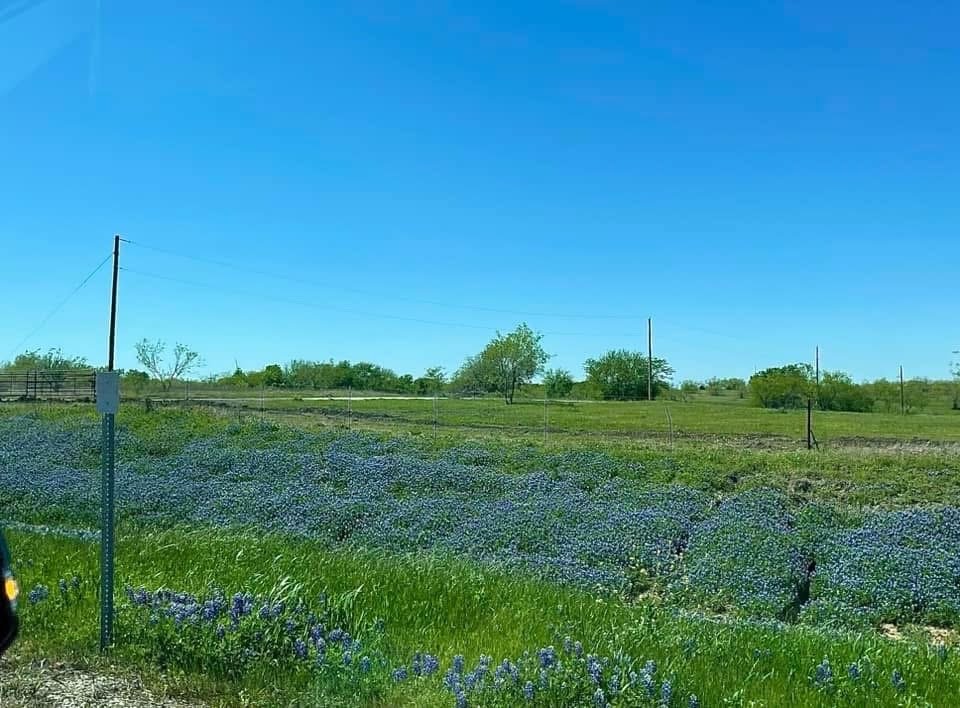
Texas – West Texas’s wide vistas hold endless surprises for the summer visitor. Stretches of open desert might seem barren when you see them for the first time, but explore a little further and you’ll cross paths with Greater Roadrunners, Pyrrhuloxias, and a host of other birds thriving in these arid lands. This wildlife trail will guide you to hidden oases rich with life—to canyons, streams, and mountains with their own blend of unique birds, including two national parks. In Guadalupe Mountains National Park, there are birds reminiscent of the Rockies, such as Broad-tailed Hummingbirds and Western Bluebirds. Follow the trail to Big Bend’s upper elevations to find the rare Colima Warbler. More information: tpwd.state.tx.us/huntwild/wildlife/wildlife-trails/far-west-texas. The Hill Country of Texas is also a great place for summer birding, with locations targeting stunning and rare species along the wooded creeks, scrubby hillsides, and open grasslands. Lady Bird Johnson Municipal Park features the Live Oak Wilderness Nature Trail, one of the premier hotspots in the region. Fredericksburg Nature Center features bird blinds as well as trails for observing songbirds, and Enchanted Rock State Natural Area is an excellent spot to search for raptors soaring on thermals.
Colorado – The hardest thing about birding in Colorado is the distracting scenery. In the state’s rugged southwestern quadrant is the Mesa Verde National Park. There Juniper Titmice chatter in the woods and White-throated Swifts zoom overhead. Among the Rockies’ peaks you can hear Townsend’s Solitaires singing in the forests, or head to high elevations for specialties like the Brown-capped Rosy-Finch or White-tailed Ptarmigan. East of the mountains on the sweeping short-grass plains are the misnamed Mountain Plover and other prairie birds, including Colorado’s show-stealing state bird, the Lark Bunting. The trail connects nearly 220 sites, including designated Important Bird Areas. More information: coloradobirdingtrail.com

Idaho – Idaho may not be a famous birding destination yet, but it should be. Explore this trail’s four sections and you’ll enjoy enough sites and birds to keep you fascinated all summer long. Marshes and lakes in the southeastern quadrant support nesting Sandhill Cranes, Franklin’s Gulls, and White-faced Ibises. The southwestern section includes the Snake River Canyon, a national IBA and breeding territory for Prairie Falcons, Golden Eagles, and other raptors. In the east-central and northern regions’ forests, there are plenty of Chestnut-backed Chickadees, Townsend’s Warblers, Cassin’s Vireos, and others. River groves host colonies of bizarrely colored Lewis’s Woodpeckers, while skyblue Mountain Bluebirds hover over the meadows. More information: fishandgame.idaho.gov/ifwis/ibt
California – Halfway between Los Angeles and San Francisco, California’s central coast is tranquil and filled with birds. This trail, sketched by Audubon California, highlights 83 top sites in four coastal counties (Monterey, San Luis Obispo, Santa Barbara, and Ventura), including eight Globally Important Bird Areas. At rocky points along the shore, you’ll see Black Oystercatchers, Pigeon Guillemots, and other Pacific Coast specialties. The chaparral in the lowlands and canyons shelters California Quail, Wrentits, California Towhees, and more. Interior valleys on the east side of the coastal hills are home to the flashy Yellow-billed Magpie. With some effort and luck, you may see the endangered California Condor, which has been reintroduced in this region. More information: morro-bay.com/birding/
Head inland and you’ll find destinations like Joshua Tree National Park, a desert birding paradise in Southern California where the Mojave and Colorado deserts meet. Despite the landscape, over 240 species of birds have been recorded here as the park acts as a vital migratory stop along the Pacific Flyway. With sparse vegetation, it’s easier to spot birds here than in some densely forested national parks.


One more notable mention is Arizona. Late summer in Arizona (mid-July through mid-September) is essentially a “second spring,” as the desert turns green from the monsoon rains, which draws peak bird diversity, especially in the southeastern “Sky Islands.” This is the only time and place in the U.S. to spot elusive tropical species and a massive variety of hummingbirds. For more information: https://sabo.org/tips-for-birding-travelers/the-five-seasons/


Now that you have some starting points, we hope we’ve inspired you to explore this big, beautiful country of ours. These are just a few recommendations, there are new birds to be discovered in every state and a quick Google search can turn up a myriad of possibilities. Whichever direction you choose to head, rest assured there’s much to see. Enjoy your summer travels and let us know about the birds you find along the way!
Source: Audubon 8 Great Summer Birding Trails
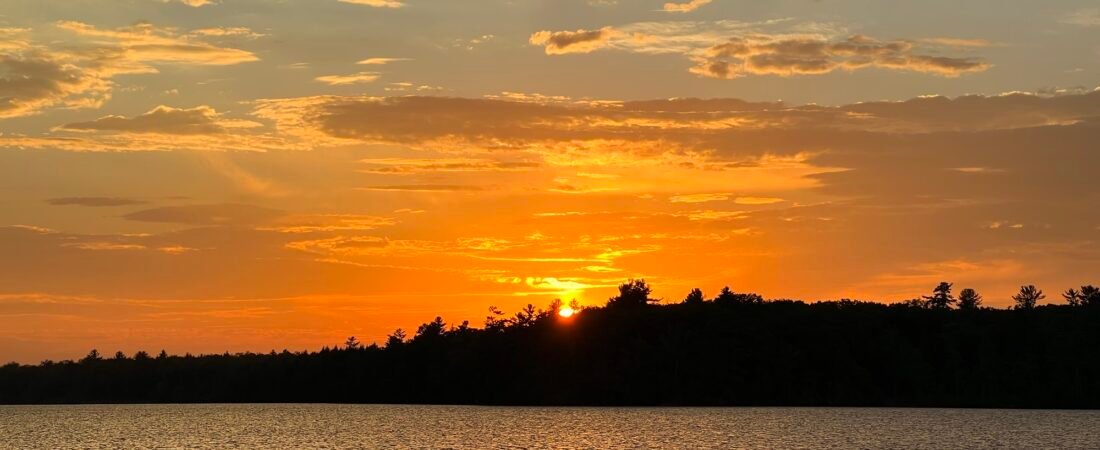
Feature Photo: Pleasant Lake, Stetson, Maine. Photo by Nancy Brown