
Latest posts
-
SIB “Bird of the Week” – Tufted Titmouses (OR Titmice?)
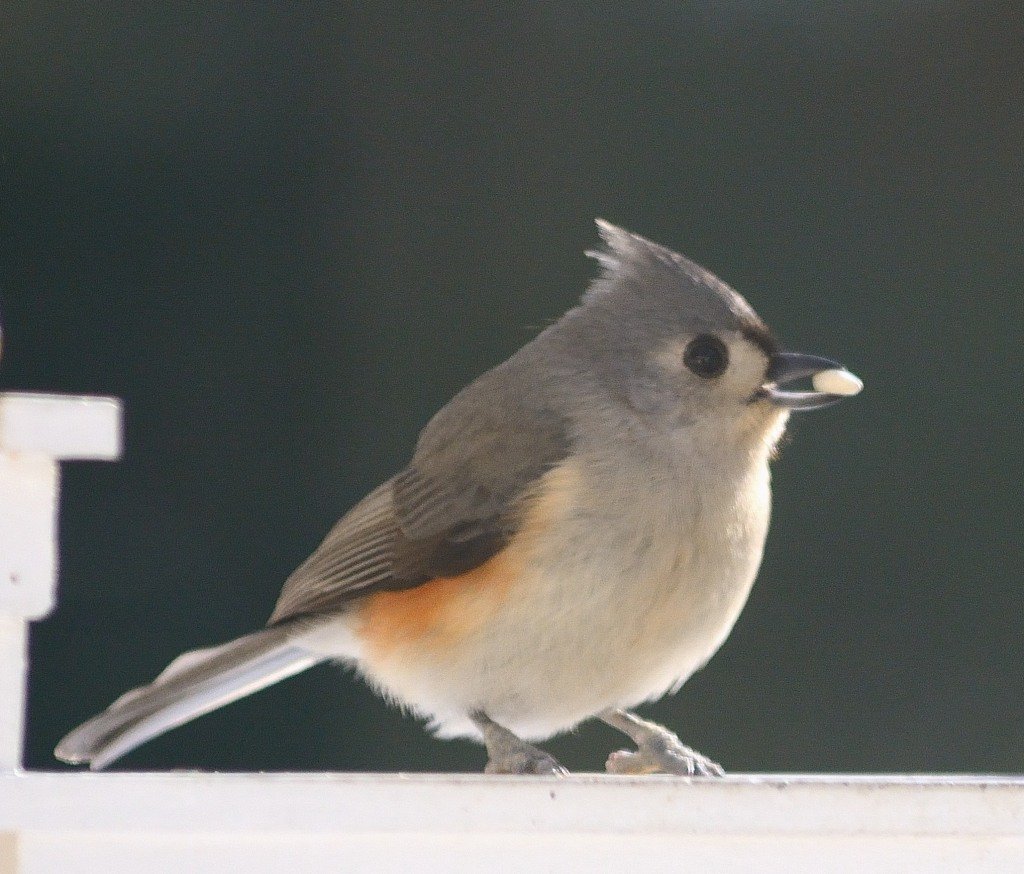
Have you ever wondered the plural of Tufted Titmouse? Often in the field, I say “Tufted Titmouses” and then quickly change to “Tufted Titmice.” I finally decided to research the answer! The origin of the word “mouse” comes from the Old English word “mase,” meaning “small bird” and has no connection to rodents. Many purists
-
SIB “Bird of the Week” – House Finch vs. Purple Finch
Did you guess House Finch & Purple Finch??? House FinchCarpodacus mexicanusLength: 6″Wingspan: 9.5″Weight: 0.74 oz. Purple FinchHaemorhous purpureusLength: 6″Wingspan: 10″Weight: 0.88 oz. Surprisingly, the House Finch was originally confined to the west and known as a Linnet until being introduced as a caged bird in several pet stores in Long Island in the 1940s. Currently it is one of
-
SIB “Bird of the Week” – Gray Catbird
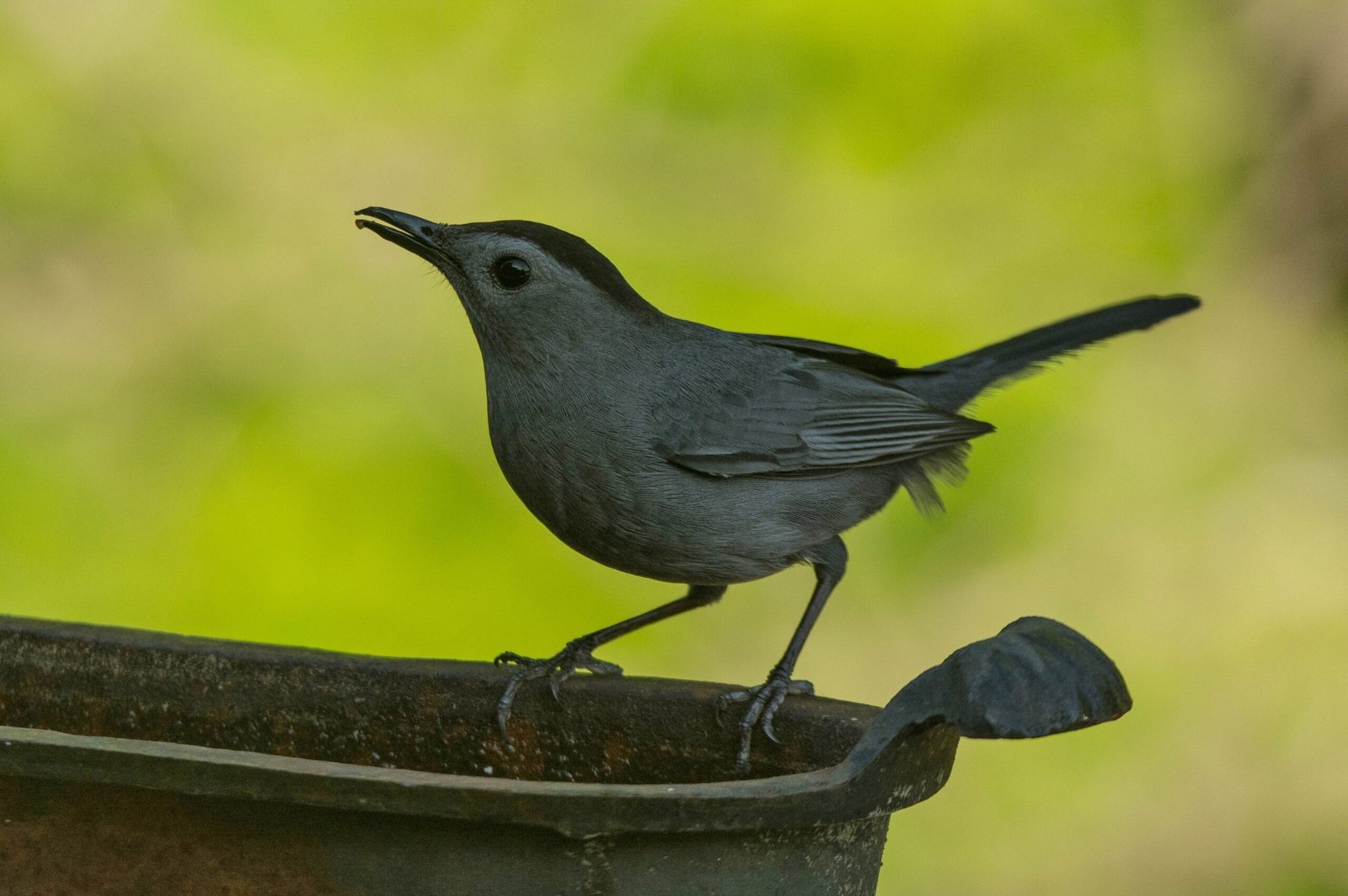
Gray Catbird – Dumetella carolinensis Length: 8.5″; Wingspan: 11″; Weight: 1.3 oz. If you struggle with learning bird songs and calls, try starting with the “catty mew” of the Gray Catbird. Just the sound of it makes you think of a cat which will help you remember its name! These birds are migratory, but you can hear and
-
SIB “Bird of the Week” – Ruby-crowned Kinglet

Ruby-crowned Kinglet – Regulus calendulaLength: 4.25″; Wingspan: 7. 5″; Weight: 0.23 oz. There are two good ways to identify the Ruby-crowned Kinglet. First, you might see it out of the corner of your eye. That’s because it flicks its wings and hops fairly continuously. You also might recognize it from its very distinctive call. The
-
SIB “Bird of the Week” – Yellow-rumped Warbler

Yellow-rumped Warbler – Setophaga coronataLength: 5.5″; Wingspan: 9.25″; Weight: 0.43 oz. Yellow-rumped Warblers are one of the most common warblers in North America and abundant on Seabrook Island from fall through spring. The Yellow-rumped Warbler is sometimes referred to as “Butter Butt” due to its bright yellow rump. It was formally called Myrtle Warbler in the
-
SIB “Bird of the Week” – Turkey Vulture vs. Black Vulture
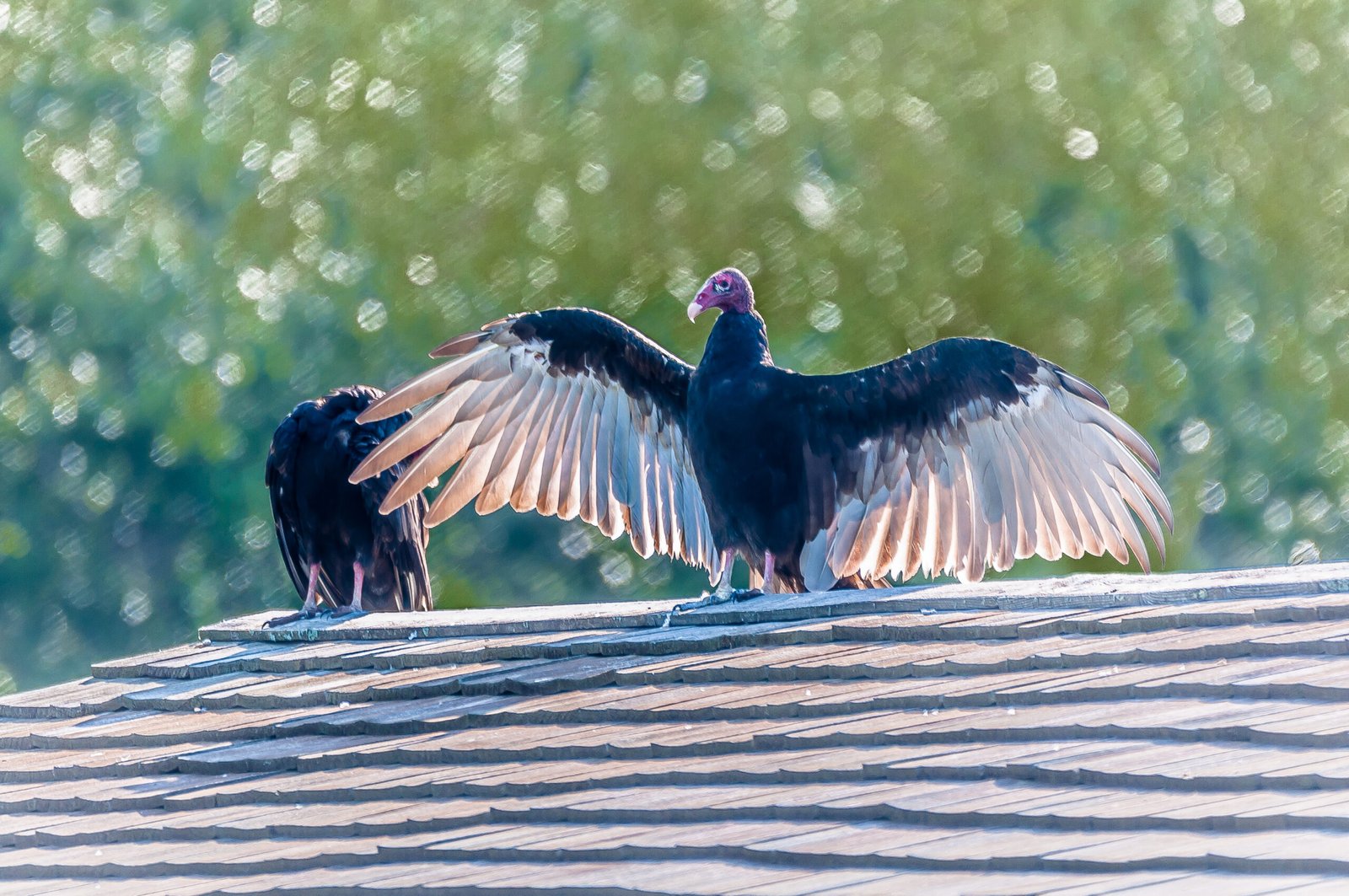
Turkey Vulture vs. Black Vulture – Cathartes aura and Coragyps atratusTurkey Vulture – Length: 26″; Wingspan: 67″; Weight: 4.0 lbBlack Vulture – Length: 25″; Wingspan: 59″; Weight: 4.4 lb No, those are NOT buzzards; they are vultures. We have no buzzards in North America but we do have two types of vultures:
-
SIB “Bird of the Week”- Tree Swallow
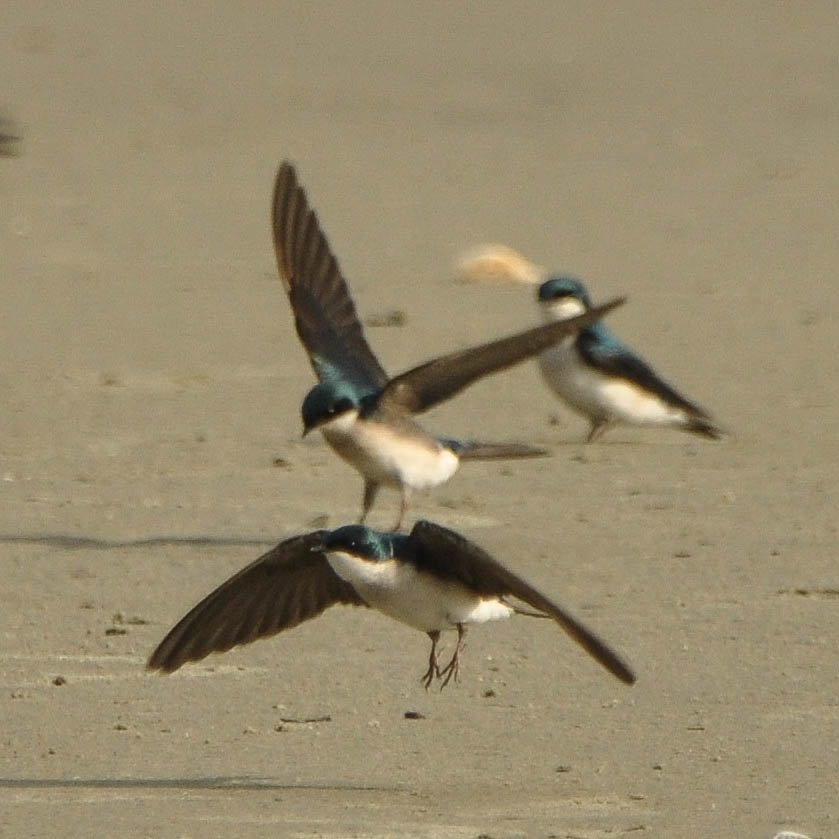
Tree Swallow are streamlined small songbirds with long pointed wings and a short, squared’ slightly notched tail. Adult males are blue green above and white below with blackish flight feathers and a thin black eye mask; females are duller with more brown in their upperparts, and juveniles are completely brown above. Juveniles and some females
-
SIB “Bird of the Week” – Northern Flicker
Northern Flicker – Colaptes auratusLength: 11-12.2″; Wingspan: 16.5-20.1″; Weight: 3.9-5.6 oz. Northern Flickers are large, brown woodpeckers with a gentle expression and handsome black-scalloped plumage. On walks, don’t be surprised if you scare one up from the ground. It’s not where you’d expect to find a woodpecker, but flickers eat mainly ants and beetles, digging for them
-
SIB “Bird of the Week” – Palm Warbler
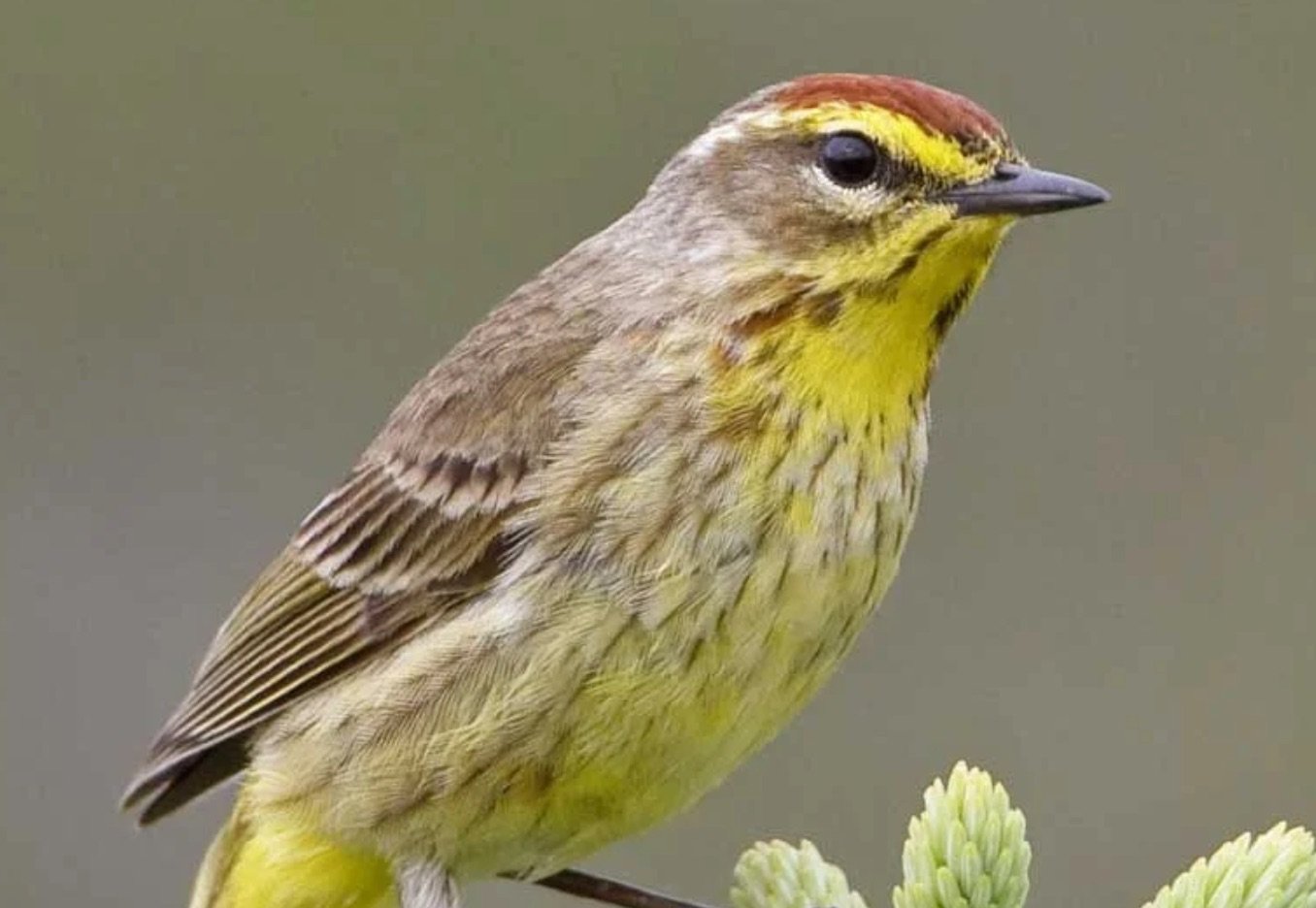
Palm Warbler – Setophaga palmarumLength: 5.5″; Wingspan 8″; Weight: 0.36 oz. The Palm Warbler is one of the wood warblers. It is fairly common on Seabrook in the fall and winter months. The most obvious field mark is its tail-wagging habit. Although it is a rather dull olive on its back, as it wags, it shows its
-
SIB Bird of the Week – Pine Warbler

This warbler is well named due to it not often seen away from pine trees. Pine Warblers forage in a rather leisurely way at all levels in the pinewoods, from the ground to the treetops. This species is only a short-distance migrant, and almost the entire population spends the winter within the southern United States.