Latest posts
Summer Birding – Road Trips and Travel Ideas

Summer vacation season is in full swing, and perhaps you’re getting the urge to wander, to hit the open road and see more of our beautiful country. And perhaps you’d like to include a little birding along the way. If you’re looking for ideas, here are a few travel destinations from Audubon that are not…
SIB’s Article for the June Edition of “The Seabrooker.”
In case you don’t receive it, or haven’t had a chance to read it yet, we hope you’ll enjoy The Seabrooker’s June 2026 SIB article. Seabrook Island Birders (SIB) contributed a half page article on page 12.
SIB “Bird of the Week” – Prothonotary Warbler

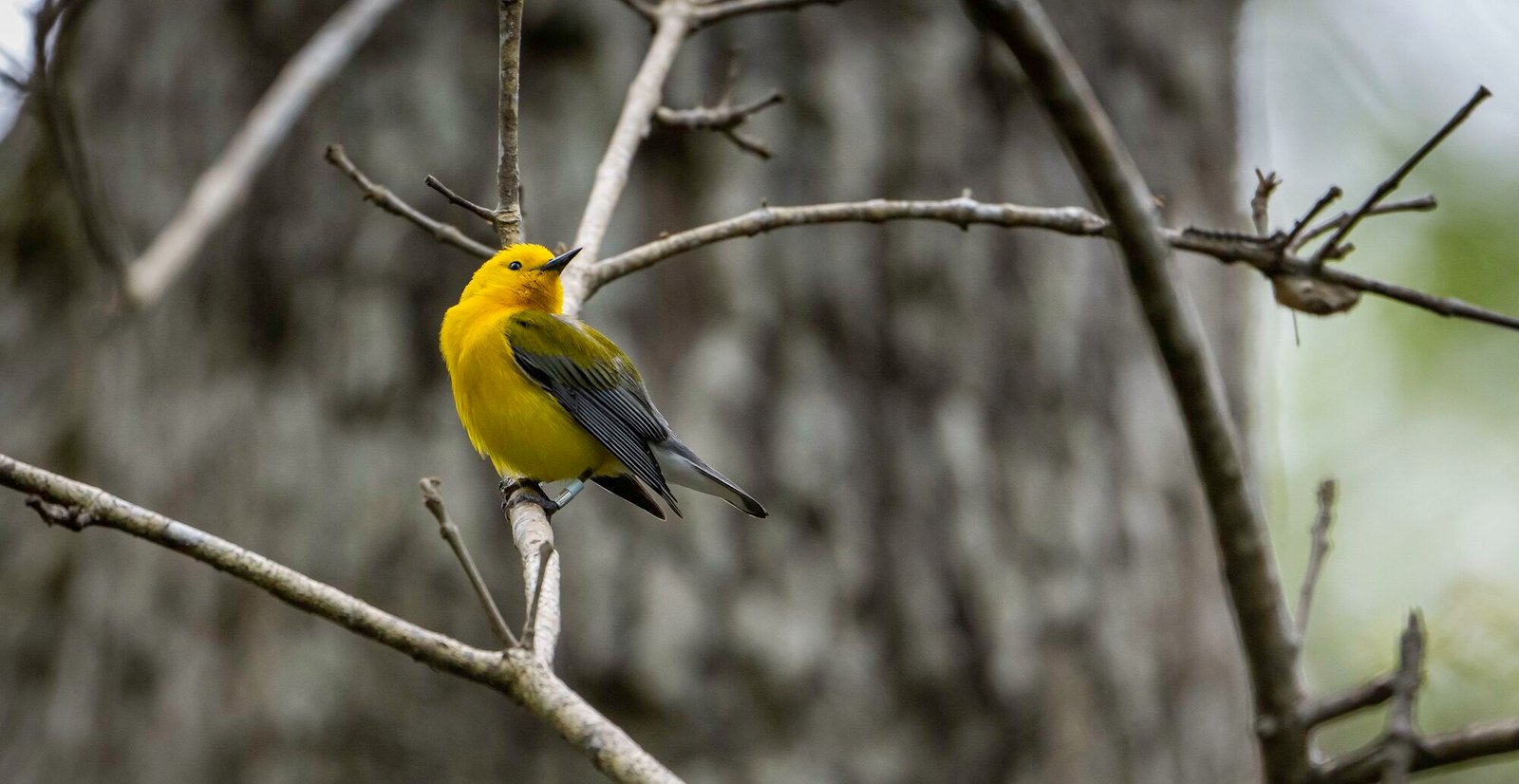
If you’ve visited any swampy woodland habitats recently you may have seen a flash of yellow darting around the trees. Prothonotary Warblers are unique among warblers as they’re one of two that build their nests in holes in standing dead trees. Often called a “swamp warbler” in the southeast, they’re also the officially designated State…
SIB’s Article for the May Edition of “The Seabrooker”

In case you don’t receive it, or haven’t had a chance to read it yet, we hope you’ll enjoy The Seabrooker’s May 2026 SIB article. Seabrook Island Birders (SIB) contributed a full page article on page 8.
SIB “Bird of the Week” – Summer Tanager

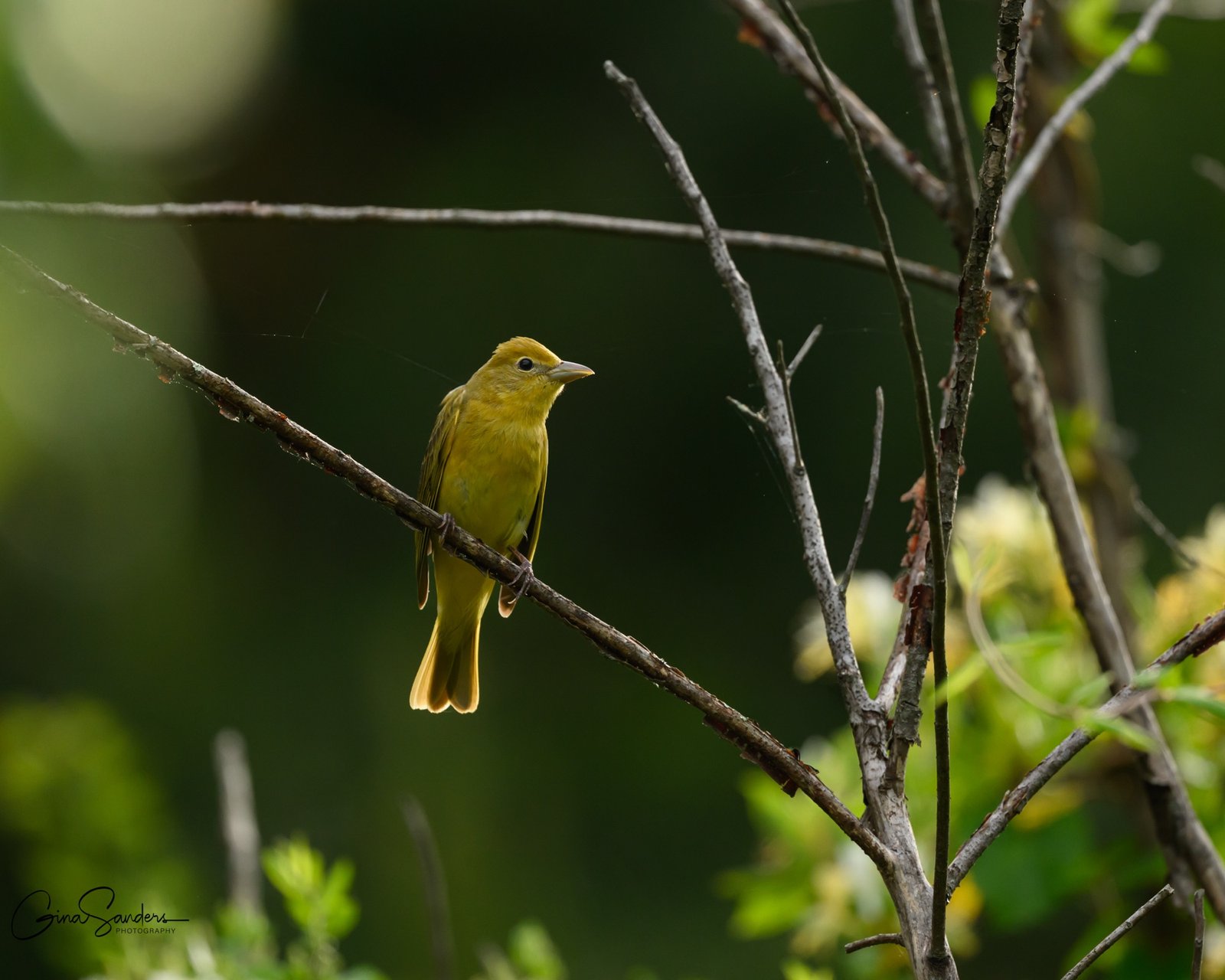
The only completely red bird in North America, the strawberry-colored male Summer Tanager is an eye-catching sight against the green leaves of the forest canopy. Females, pictured at top, are bright yellow-green—yellower on the head and underparts and slightly greener on the back and wings. Molting immature males can be patchy yellow and red. Summer…
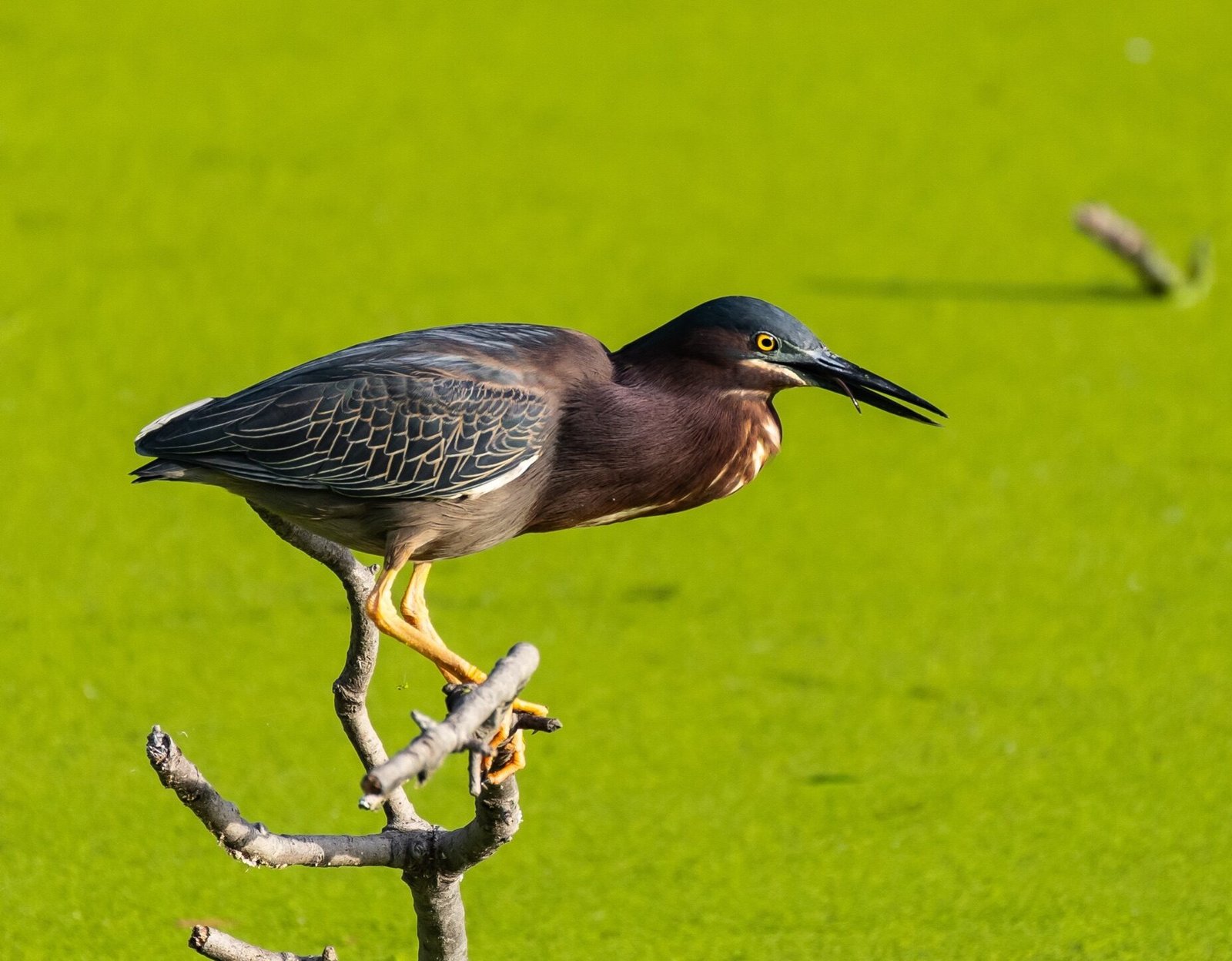
SIB “Bird of the Week” – Green Heron

Look along the banks of ponds and lagoons between April and October and you’ll most likely find this dark colored heron tucked into the vegetation along the bank, intently focused on the shallow water. Green Herons usually forage day and night among thick vegetation in water that’s less than 4 inches deep, avoiding the deeper…
Join SIB on a walk in April!
If you’ve been meaning to sign up for an activity with Seabrook Island Birders, April offers several opportunities: Registration is required for all events and you can make your selection and register here. Members attend for free ($15 annual membership fee), or you may pay the guest fee of $10 if you only plan to…
SIB “Bird of the Week” – Barred Owl
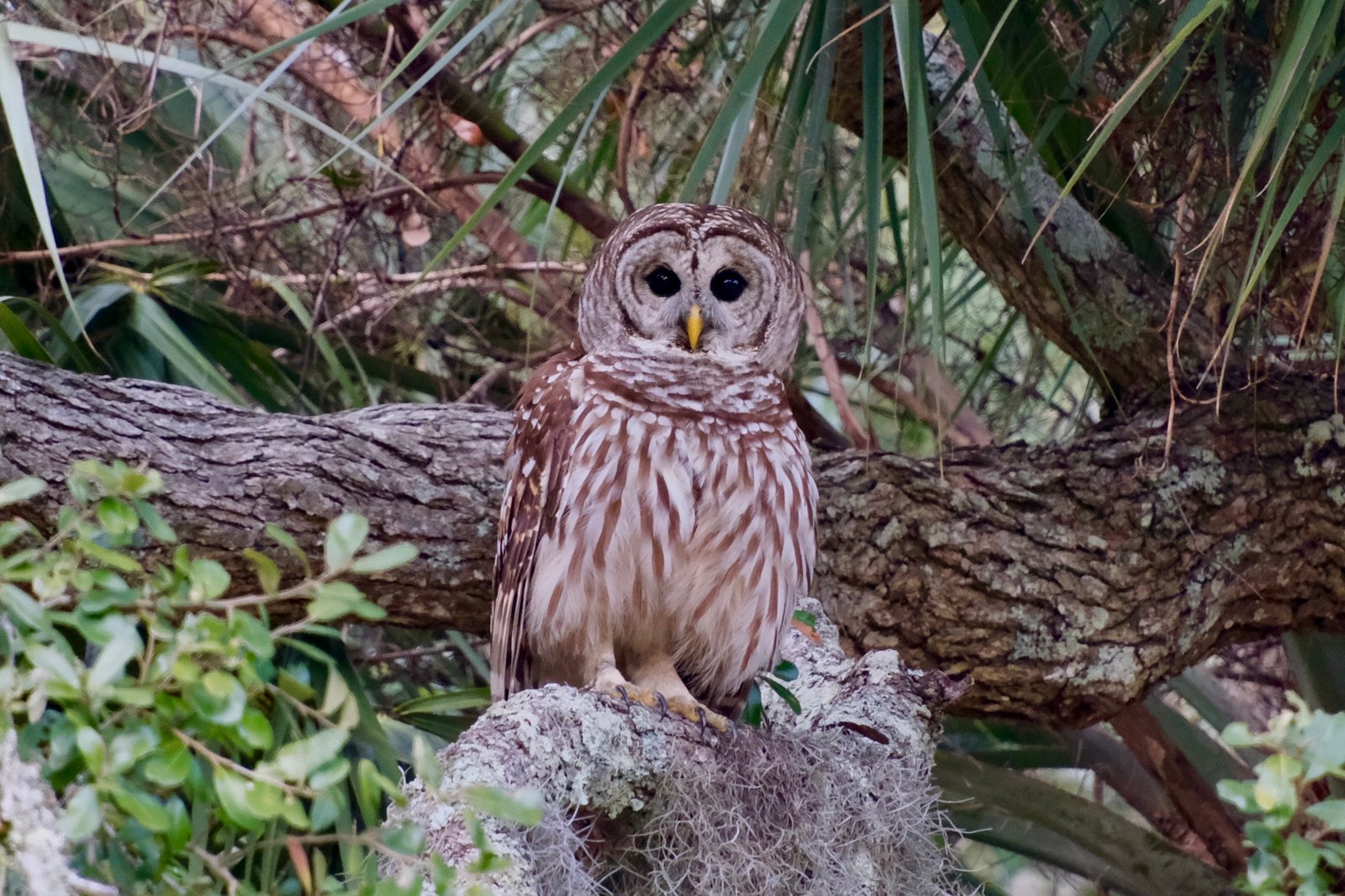
My husband says he’s not a birder. However, he goes birding with me on a regular basis, comes with me on most of my Shorebird Steward shifts, attends a few SIB events, and carries my tripod and other gear when I’m out taking photos. And most importantly, he’s my spotter. He has a gift for…
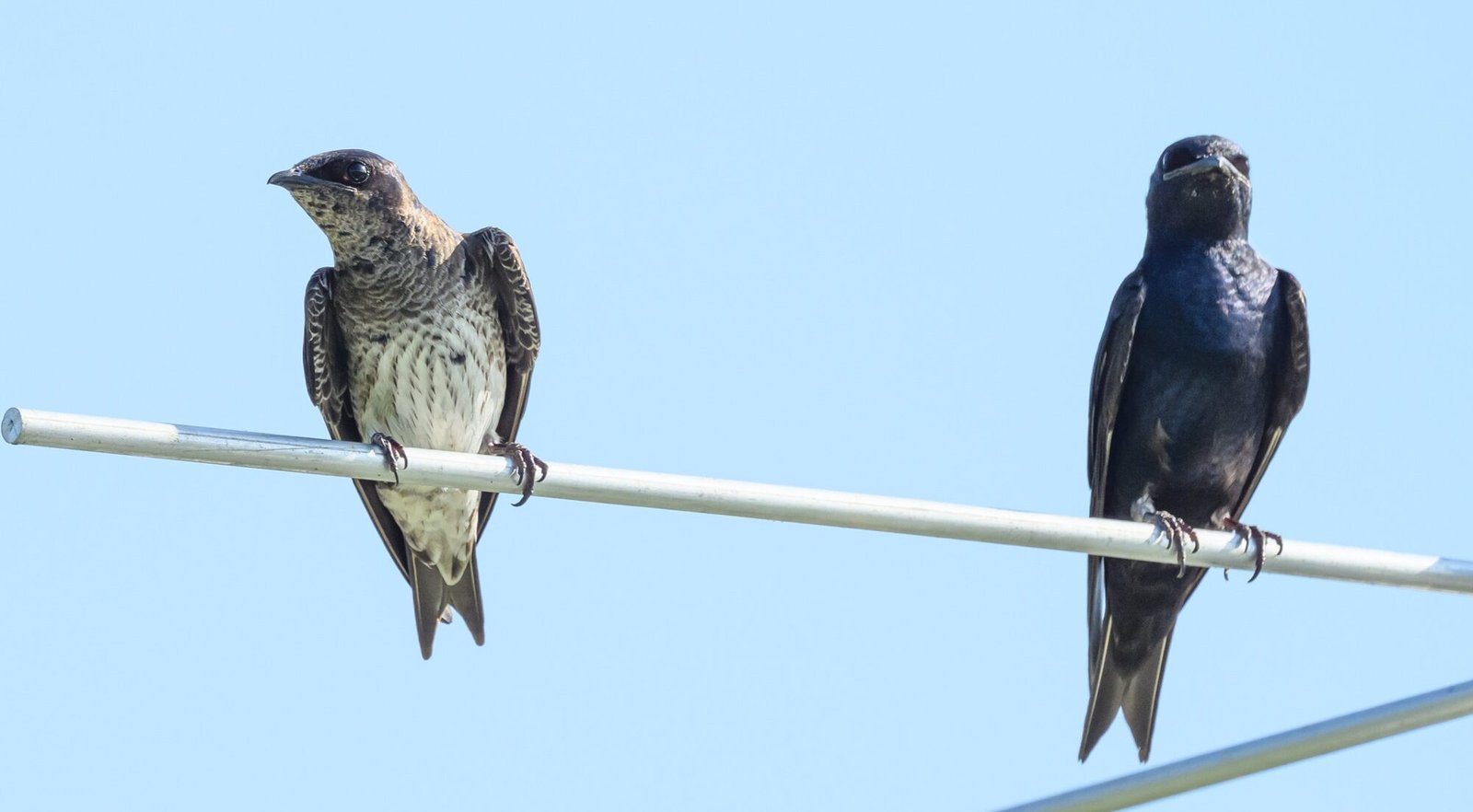
SIB “Bird of the Week”: Purple Martin

Of all the songbirds, Purple Martins stand out as relying almost exclusively on humans. Not for food, but for housing. And not just a nest box here and there, but whole condominiums of nest boxes! Native Americans started many years ago by providing empty gourds for martins to use for their nests. As this trend…
SIB Reports: Protect against cognitive decline – by birdwatching!

If you Google “ways to slow down aging and reduce memory loss” you’ll see a number of good ideas pop up. Ideas like: healthy eating, physical exercise, quality sleep, and mental stimulation such as games, puzzles, reading, etc. You’ll also find articles suggesting social engagement, like clubs and volunteer work, will keep your brain and…