
The arrival of Winter 2025 officially is the Winter Solstice on December 21 at 10:03am. It’s a good time to review which of our bird friends are arriving for the winter.
As we plan Seabrook Island Birders winter activities, the first thing we talk about is ducks! We schedule visits to Santee Coastal, Bear Island and Hollings Ace Basin National Wildlife Refuge when we can expect to see ducks. Northern Shovelers, Blue-winged Teals, Green-winged Teals and Gadwalls are just a few of the duck species that are in South Carolina primarily in the winter. Unfortunately, these species are often seen at a distance making photography difficult.


Closer to home, Hooded Mergansers, Buffleheads and Lessor Scaups can be seen in the winter on lagoons and at the water treatment plant. I still have to refresh my memory each year to distinguish between the Hooded Mergansers and Buffleheads.


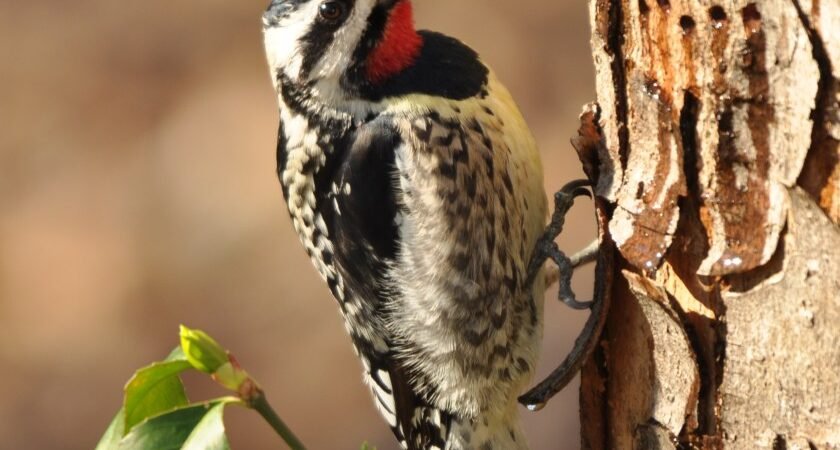
Easier to identify are the winter woodpeckers. Northern Flickers are often seen on the ground where their beaks dig for ants and beetles. Yellow-bellied Sapsuckers (you have to love the name) are known for the rings they make around a tree as they probe to harvest the sap in the trees.

On the beach, the Red Knots begin to appear in the winter, peaking in the spring as they migrate north.


While at the beach, the Ring-billed Gull seems to replace the Laughing Gull of summer as the most frequently seen gull. Bonaparte’s Gulls are also in South Carolina in the winter rather than summer.

Another winter bird I look for when on North Beach is the Northern Gannet. This bird is likely to only be seen diving over the water, far from shore but occasionally one appears closer to the beach. I’ve had best luck seeing them “close” while at Lighthouse Inlet at Folly Beach.
In the Midwest, the American Robin is a harbinger of Spring. In South Carolina, these familiar birds flock together in winter. They rarely come to my feeder but after a shower, they will enjoy the puddles in the street.


Cedar Waxwings are another winter bird in South Carolina that seem to arrive in flocks. They will strip a holly tree or even the seeds of a palm tree in a single day then move on to another location.
Baltimore Orioles began arriving in September but their peak time in Charleston County are December through February. Some people have great luck attracting these beautiful birds by including grape jelly and orange wedges in their feeders.


The last “backyard” bird in South Carolina winters is the American Goldfinch. Most of the winter they are a drabber yellow but they begin to molt into their breeding plumage before they head north in the Spring.
In September, we discussed the Fall migrants. Many of them remain for the winter in South Carolina. One late arriving winter warbler is the Orange-crowned Warbler. This nondescript warbler is seen in scrubby areas and thickets.


We can’t leave the discussion of wintering birds without mentioning the kinetic Ruby-crowned Kinglet. It is often seen flittering around among the leaves of deciduous trees and shrubs and only shows its namesake ruby crown when agitated.