Latest posts
-
Bird of the week – Reddish Egrets – North Beach
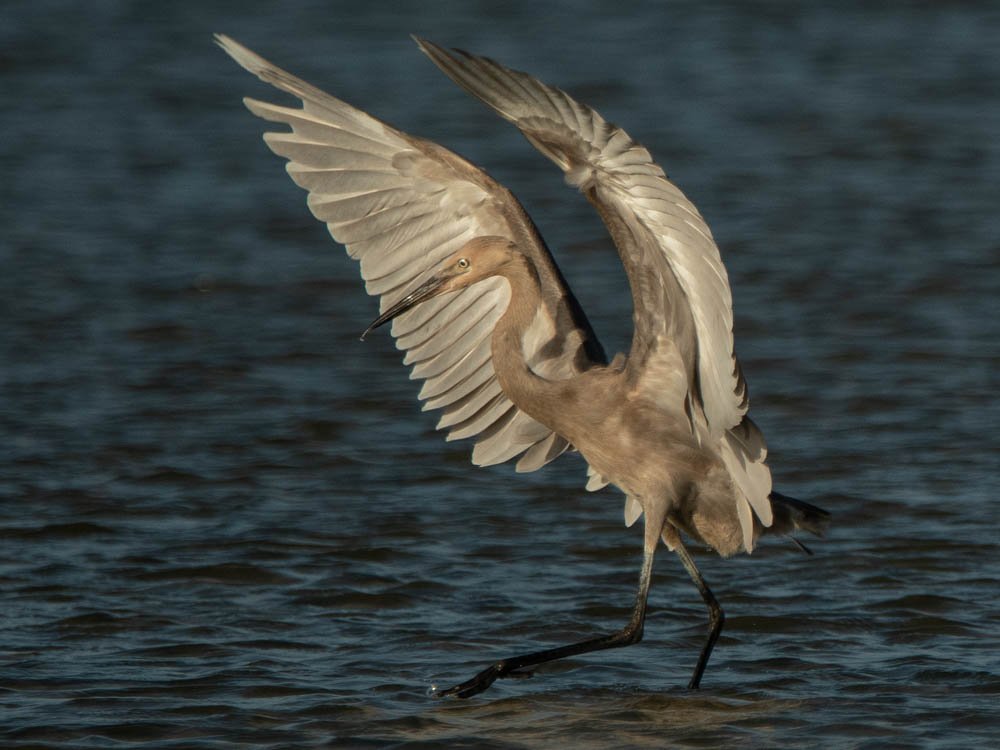
Early Wednesday morning, Ed and I were treated to the sight of two beautiful Reddish Egrets actively feeding on North Beach. It’s a thrill to see one Reddish Egret at this time of the year, but two is fantastic! They are not common birds here in the Low Country, so it is always a great
-
SIB “Bird of the Week” – Laughing Gull
Laughing Gull – Leucophaeus AtricillaLength: 16.5″; Wingspan: 40″; Weight: 11 oz. Swirling over beaches with strident calls and a distinctive, crisp black head, Laughing Gulls provide sights and sounds evocative of summer on Seabrook Island. You’ll run across this handsome gull in large numbers at beaches, docks, and parking lots, where they wait for handouts or fill
-
Bird of the Week: Red-winged Blackbird
For years I’ve been noticing smaller birds like Chickadees, Titmice and Wrens mob larger birds like Crows and Blue Jays, and medium size birds such as Mockingbirds, Blue Jays and Crows mob larger birds like Hawks and Owls if they encroach into their territory. Just the other morning Blue Jays were causing a complete ruckus
-
Bird of the Week: White-eyed Vireo
White-eyed Vireo – Vireo griseus There are four species of vireos possible on Seabrook Island. The White-eyed Vireo may be seen all year round. The others spend either the winter in the area—Blue-headed Vireo or the summer—Red-eyed Vireo and Yellow-throated Vireo. Ebird reports of White-eyed vireo come from many locations on Seabrook Island including the
-
SIB – Bird of the Week -Great Blue Heron
The Great Blue Heron is a huge and gray bird, with massive bill, black crown stripe on whitish head. It is the largest Heron in North America. They stand up to 5 feet fall and have a wingspan of 6.5 feet. Exactly 39-52″ (99-132 cm). W. 5’10 (1.8 m). The wing shape is Broad, Fingered,
-
SIB -BIRD OF THE WEEK -Tricolor Heron

The Tricolor Heron can range in size from 25-30″ (64-76 cm). W. 3’2 (97 cm). Dark blue upperparts contrast with white belly and white stripe up fore neck. Base of bill and bare face skin are yellowish at most seasons, bright blue in breeding season. Slender shape makes this species look even longer-billed and longer-necked
-
SIB “Bird of the Week” – Little Blue Heron
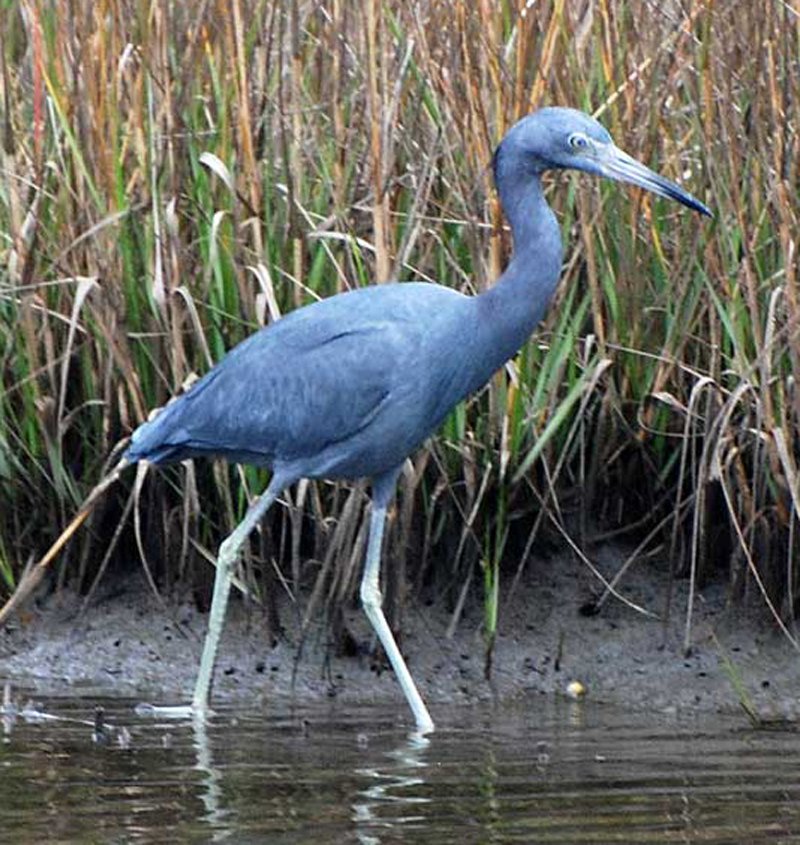
Little Blue Heron – Egretta caeruleaLength: 22-29”; Wingspan: 40”Below is a confusing bird to identify. It’s a Little Blue Heron in what is called “first year” plumage. When a Little Blue is immature (i.e., during the year in which it is born), it is totally white. Until a birder has mastered the characteristics of our local white egrets,
-
SIB – Bird of the week – Cooper’s Hawk
Accipiters are a category of hawk. Accipiters are defined as short-winged hunters, with relatively long legs and tails, which are extremely adept at high speed attacks on small birds and mammals — often from concealed perches. Ambush is their forte. One of these is the Cooper’s Hawk, which is common on Seabrook Island. The bird
-
SIB “Bird of the Week” – Mourning Dove
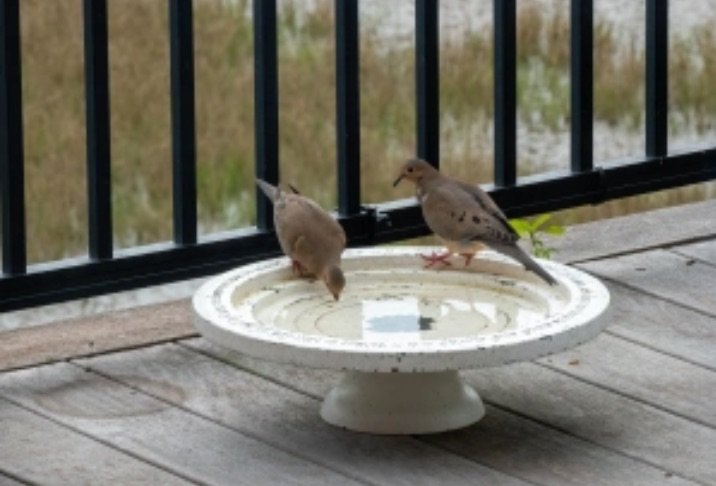
Mourning Dove – Zenaida macrouraLength: 9″- 12″; Wingspan: 17″-19″; Weight: 4-6 oz. Mourning Doves are one of the most recognized birds in North America and can be found all across the continent. Their distinctive cooing sound can be heard throughout the day and lends a sense of peaceful calm to the backyard. A graceful, slender-tailed
-
SIB Bird of the Week – Wood Stork
Large, white Wood Storks wade through southeastern swamps and wetlands. It is a good flier, soaring on thermals with neck and legs outstretched. This bald-headed wading bird stands just over 3 feet tall, which makes it one of the tallest wetland bird. A whooping crane beats out the Wood Stork as tallest. Wood Storks breed