
Latest posts
-
SIB “Bird of the Week” – Barred Owl
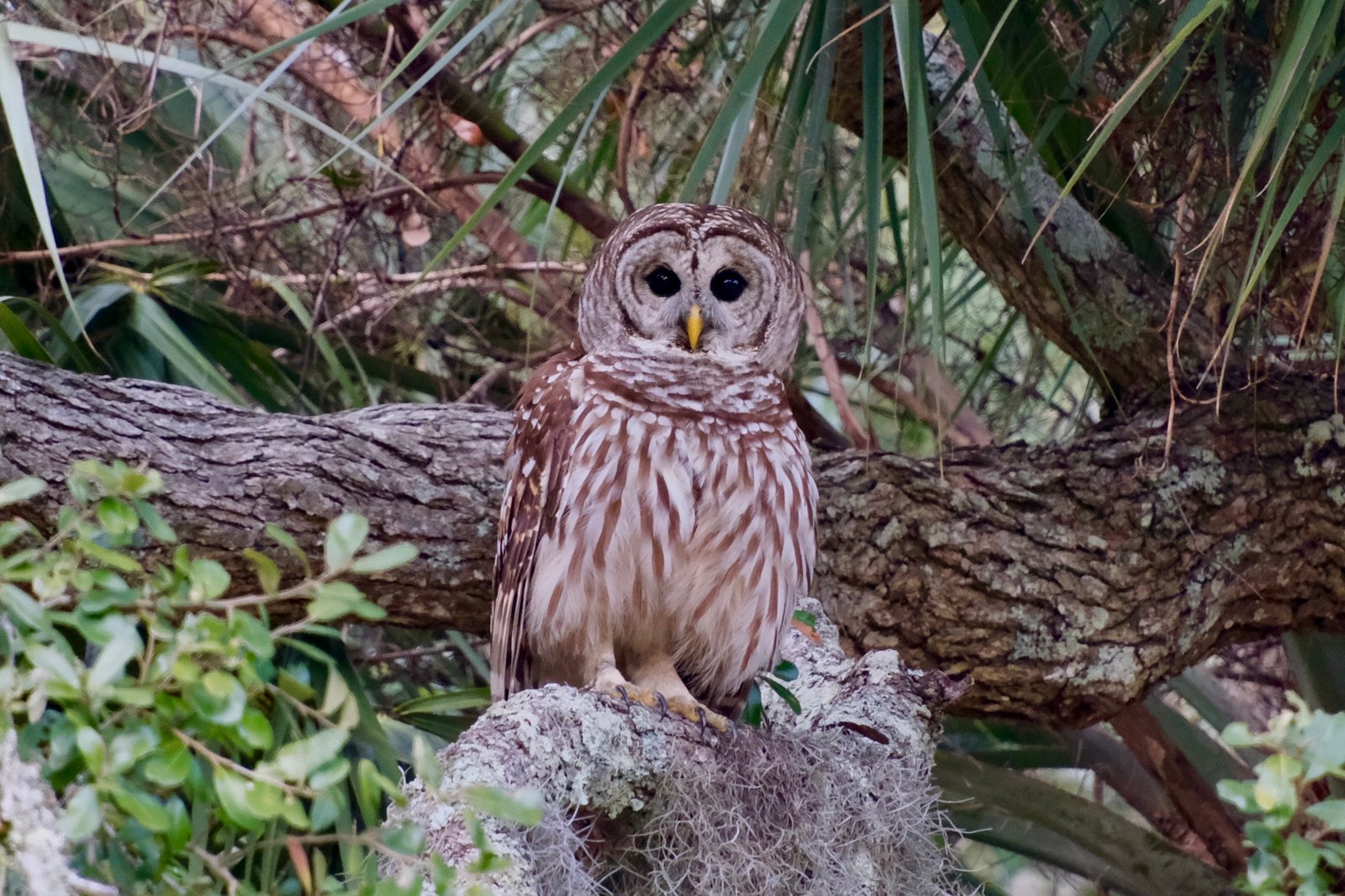
My husband says he’s not a birder. However, he goes birding with me on a regular basis, comes with me on most of my Shorebird Steward shifts, attends a few SIB events, and carries my tripod and other gear when I’m out taking photos. And most importantly, he’s my spotter. He has a gift for
-
SIB “Bird of the Week”: Purple Martin
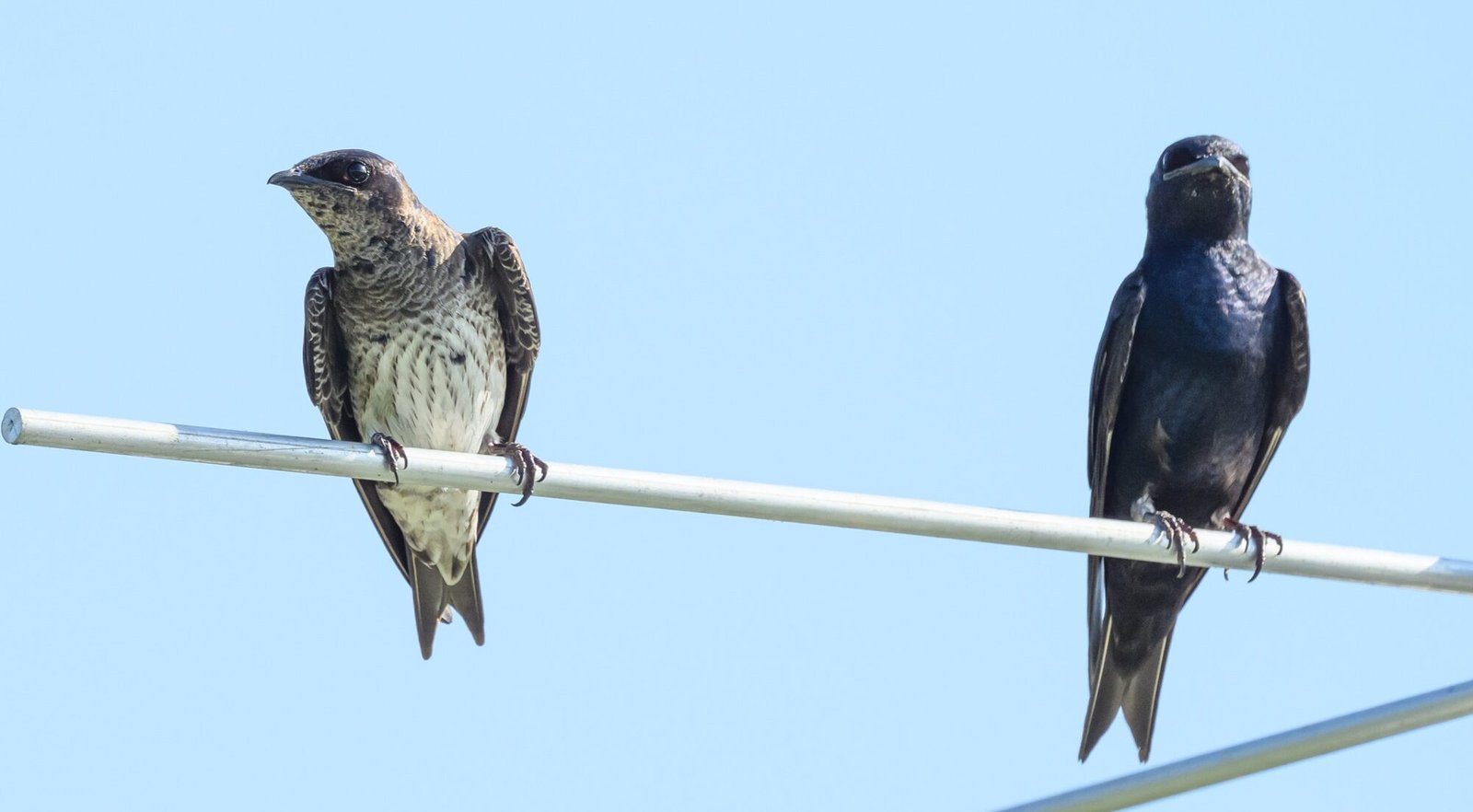
Of all the songbirds, Purple Martins stand out as relying almost exclusively on humans. Not for food, but for housing. And not just a nest box here and there, but whole condominiums of nest boxes! Native Americans started many years ago by providing empty gourds for martins to use for their nests. As this trend
-
SIB “Bird of the Week” – Yellow-bellied Sapsucker
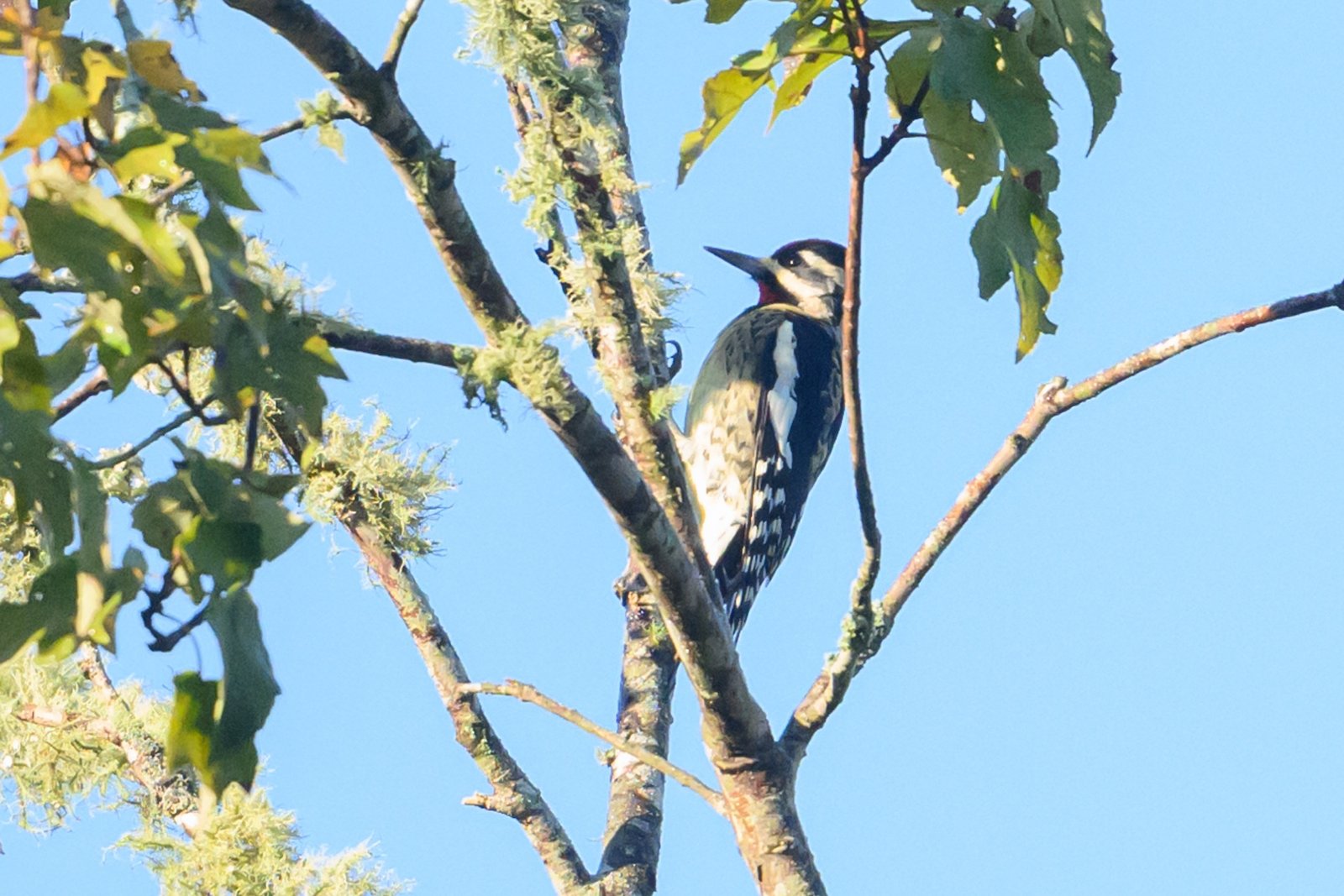
Yellow-bellied Sapsucker – Sphyrapicus variusLength: 7.1-8.7″; Wingspan: 13.4-15.7″; Weight: 1.5-1.9 oz. The Yellow-bellied Sapsucker is the only woodpecker in eastern North America that is completely migratory. Although a few individuals remain throughout much of the winter in the southern part of the breeding range, most head farther south, going as far south as Panama. Females tend to
-
SIB “Bird of the week “ – Blue Jay
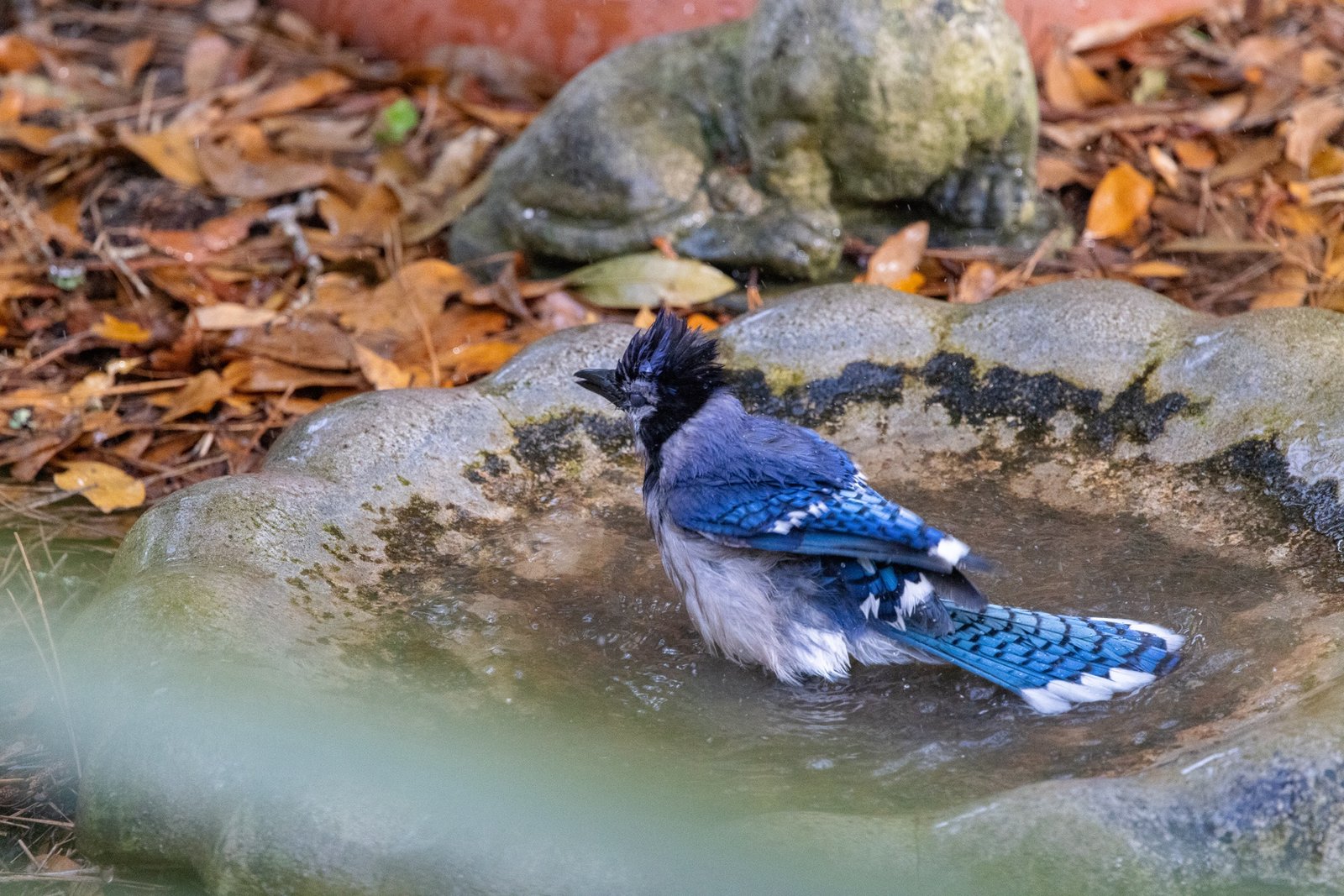
This is a common, large songbird known to many people. Blue above and white below, with a prominent crest and a bold black necklace. The wings and tail are barred with black, and it has a bold white wing bar. The black bridle across the face, nape, and throat varies extensively and may help Blue
-
SIB “Bird of the Week” – Killdeer
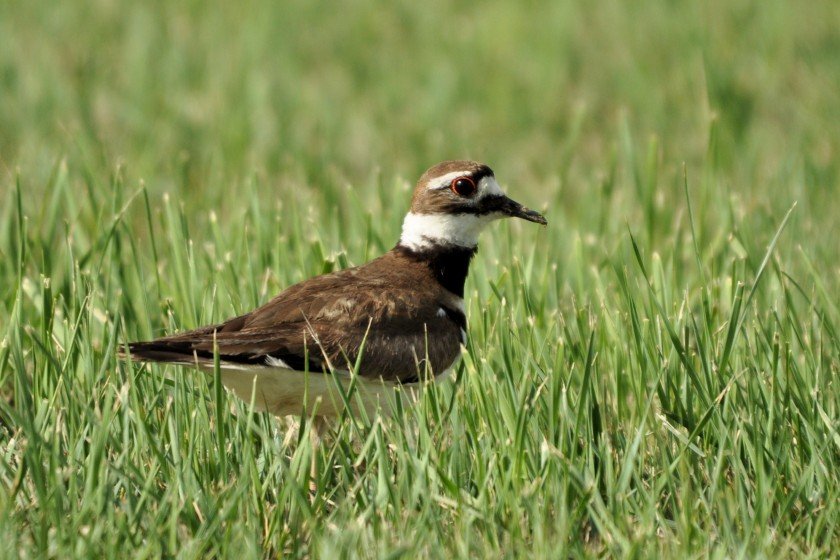
Killdeer – Charadrius vociferusLength: 10.5″; Wingspan: 24″; Weight: 3.3 oz. I was birding at a horse pasture and was amazed to discover birds I had been searching for at the shore. They were Killdeer. I discovered that the Killdeer are the least water dependent of all shorebirds and can often be seen in farm fields where
-
SIB “Bird of the Week” – Semipalmated Plover
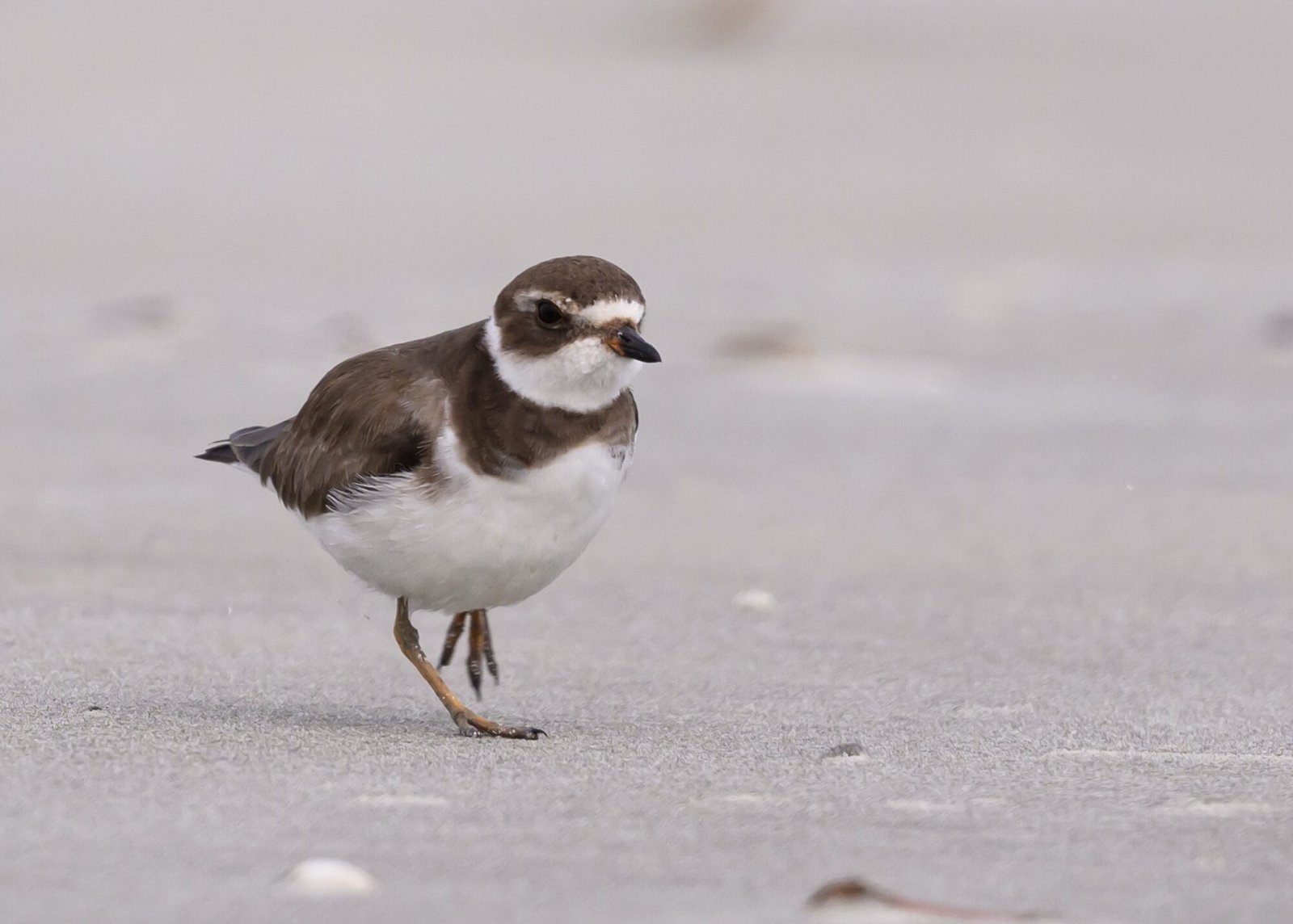
If you’re out on Seabrook Island’s North Beach in winter, there’s a good chance you’ll spot a Semipalmated Plover mixed in with other shorebirds. As with many shorebirds, they can be tricky to identify, so here are some traits to look for. Semipalmated Plovers are small, compact shorebirds. They have a short, stubby bill, a
-
SIB Birds of the Week: Sparrows
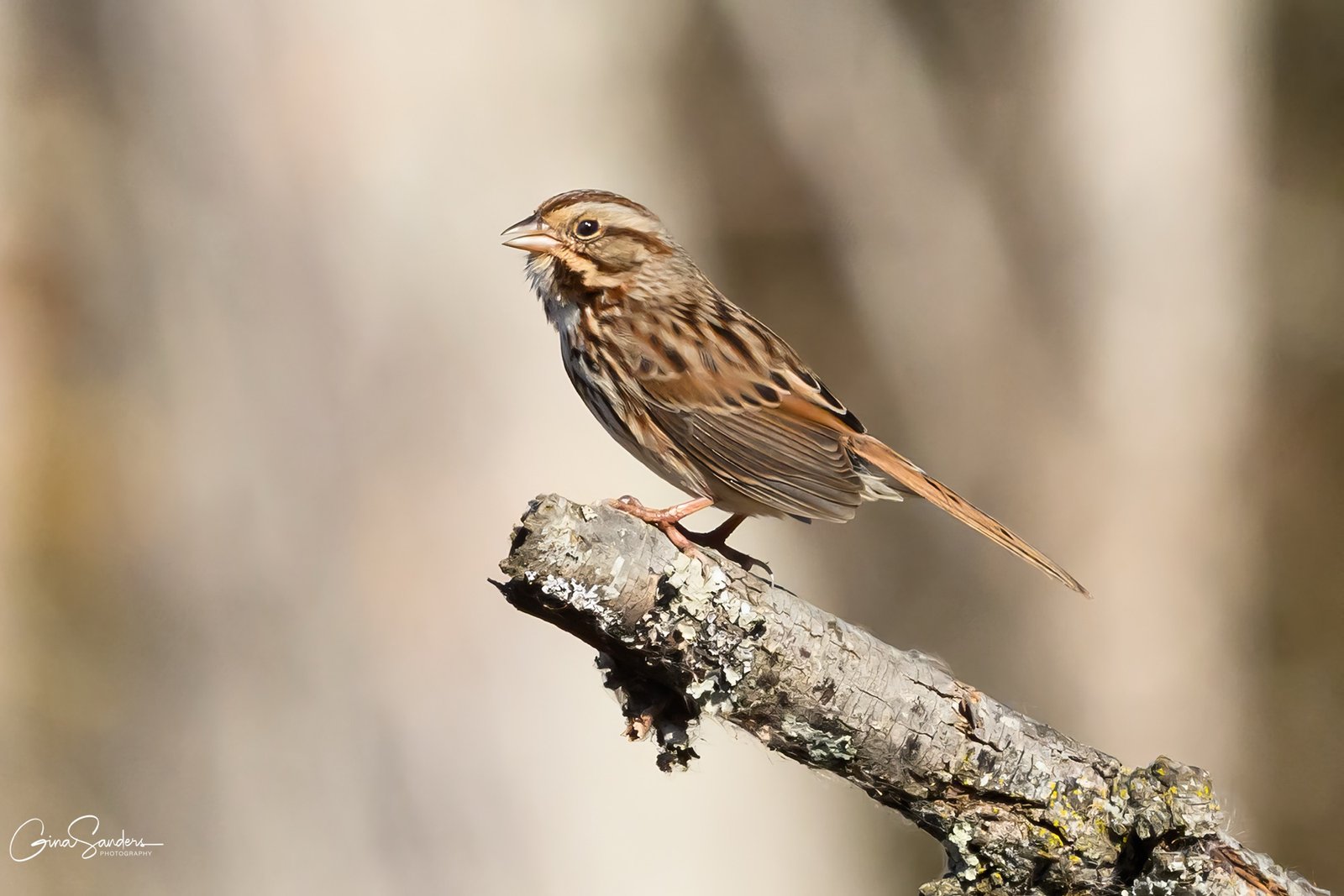
We can all identify a sparrow, right? A small brown bird that you see in and around shrubbery and occasionally at your feeders. Would it surprise you to know that there are at least 35 species of sparrows and even subspecies of some of those types? And, since they are such a small and active
-
SIB “Bird of the Week” – Loggerhead Shrike
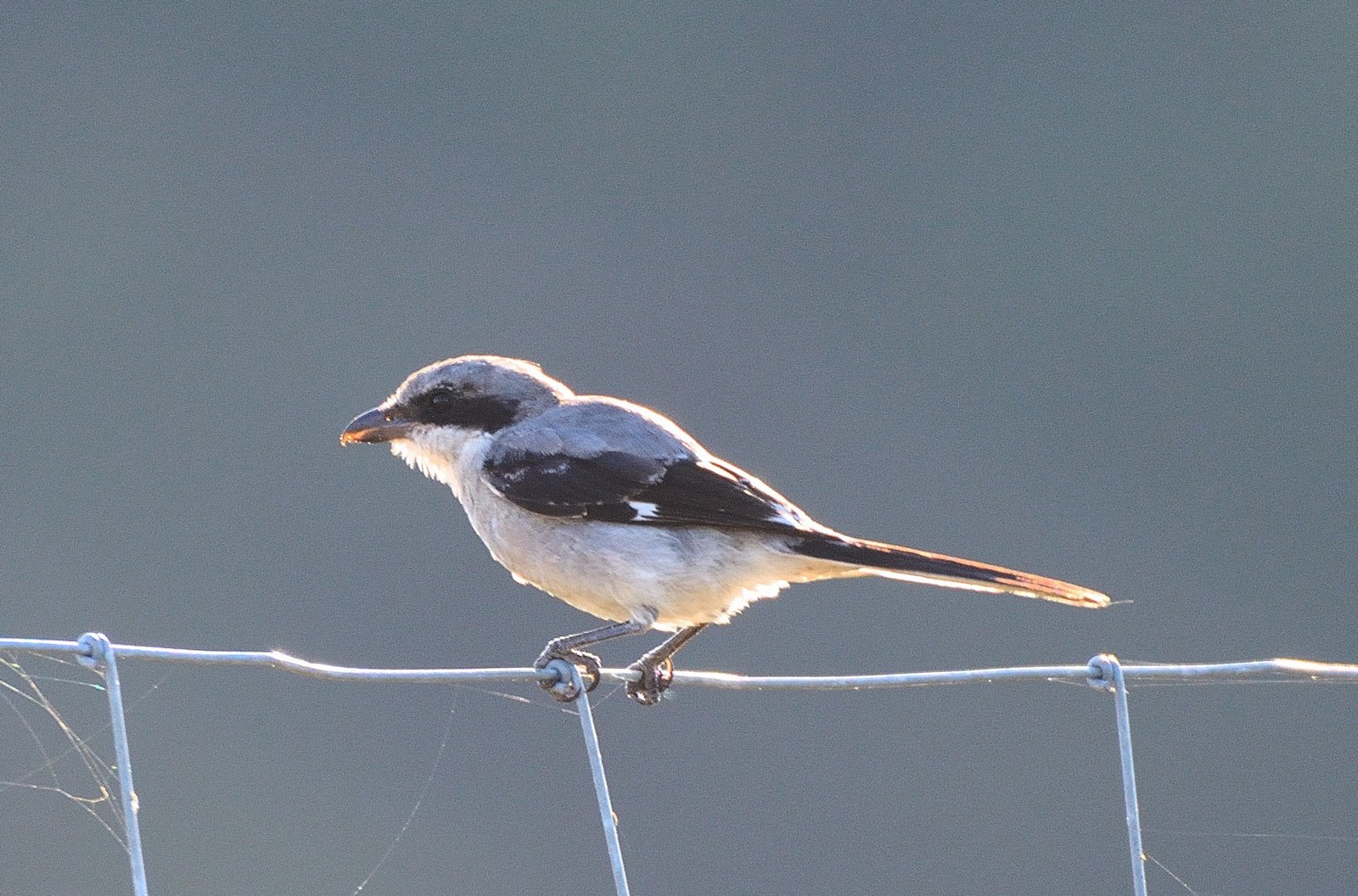
Loggerhead Shrikes are relatively small birds, about 8-9″ long, look like a songbird, but act like a raptor. Shrikes don’t come to feeders for seeds, instead they catch insects, small amphibians and even small birds, and use their hooked bill to pierce and kill them. Next, they impale their prey on a thorn or barbed
-
SIB “Bird of the Week” – Dunlin

If you’ve ever walked up to the inlet during high tide in winter and noticed a large flock of birds resting in the sand, chances are you’re seeing Dunlin. Dunlin breed in the Arctic regions of the world, but in winter are one of the most widespread shorebirds in North America, favoring coastal regions and
-
SIB “Bird of the Week” – Ring-billed Gull
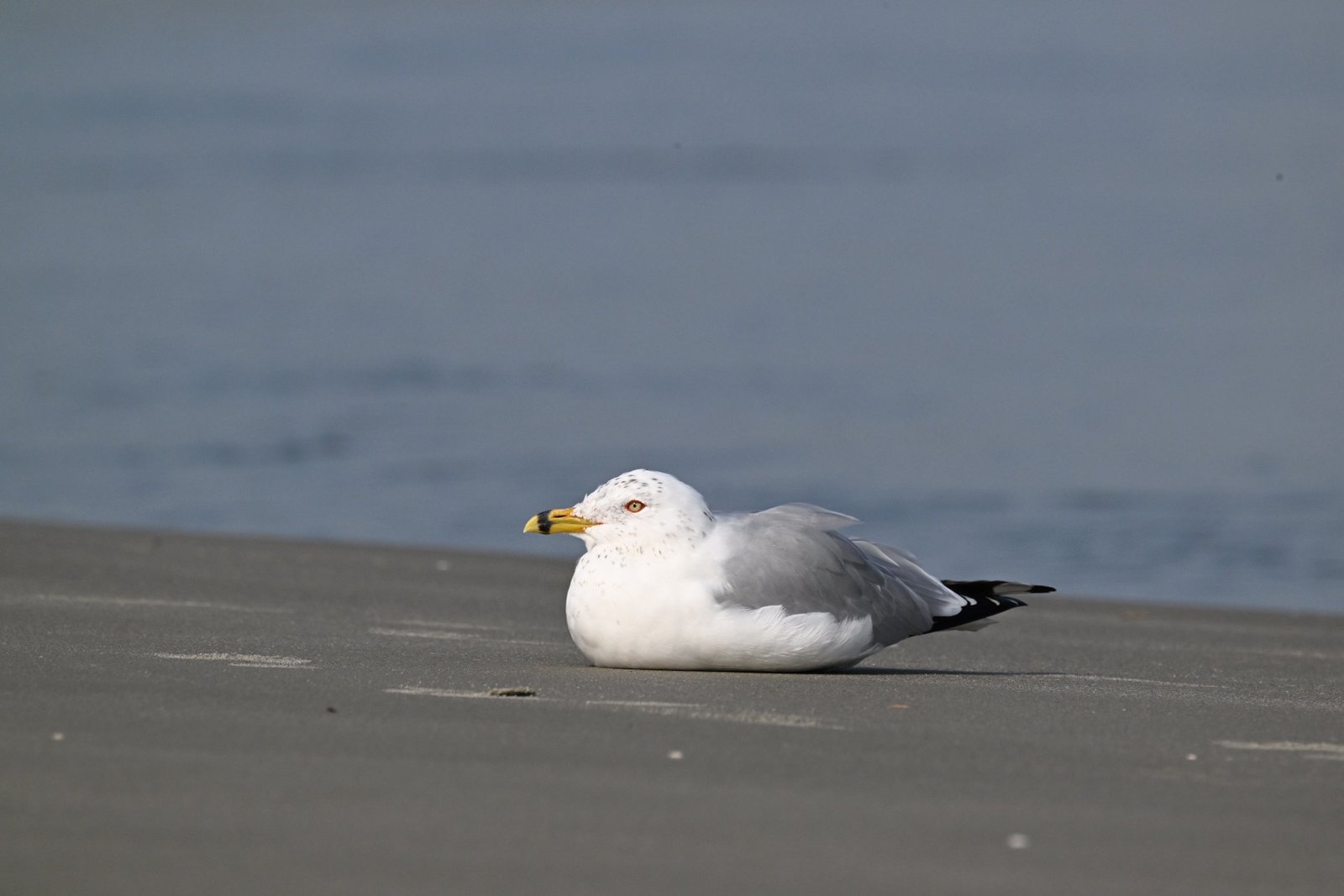
Ring-billed Gull: Length: 16.9-23.1 inches; Weight: 10.6-24.7 oz.; Wingspan: 41.3 – 46.1 inches Ring-billed Gulls are commonly seen on Seabrook Island in winter. But not just at the beach, they frequent parking lots, garbage dumps, lakes and fields, sometimes by the hundreds. These are the gulls you’re most likely to see far away from coastal