
Latest posts
-
Matt Johnson Sept 29, 2025 Program Recording Now Available
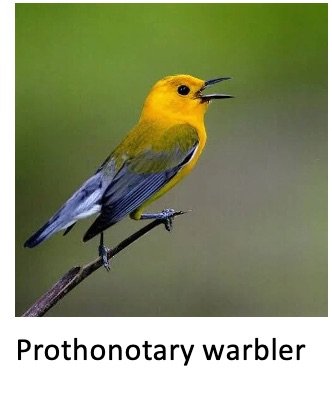
If you missed it or you would like to watch it again a recording of “From Beidler Forest to Barranquilla, Colombia: How Audubon is following the Prothonotary Warbler across the hemisphere.” is now available. You can watch this to enjoy Matt Johnson’s enthusiastic and highly informative presentation on this very unique species as well as
-
SIB “Bird of the Week” – Northern Flicker

Northern Flicker – Colaptes auratusLength: 11-12.2″; Wingspan: 16.5-20.1″; Weight: 3.9-5.6 oz. Northern Flickers are large, brown woodpeckers with a gentle expression and handsome black-scalloped plumage. On walks, don’t be surprised if you scare one up from the ground. It’s not where you’d expect to find a woodpecker, but flickers eat mainly ants and beetles, digging for them
-
SIB Reports – Brown Pelicans return to nest on Crab Bank Seabird Sanctuary

SCDNR reported yesterday, October 8th, that Brown Pelicans had returned to nest on Crab Bank Seabird Sanctuary, at Shem Creek. This has prompted the South Carolina Department of Natural Resources (SCDNR) to extend seasonal closures on part of the island to protect vulnerable chicks. For full details, please refer to their news release by clicking
-
SIB “Bird of the Week” – Black Skimmer

Black Skimmer – Rynchops nigerLength: 18″; Wingspan: 44″; Weight: 11 oz. We are among a lucky few to have the Black Skimmer along our beaches. As you can see from the map below, this dramatic and beautiful bird populates only a very small portion of the United States. Aside from its striking black and white
-
SIB “Bird of the Week” – Piping Plover
Piping Plover – Charadrius melodusLength: 7.25″; Wingspan: 19″; Weight: 1.9 oz. The Piping Plover is a small shorebird that has gotten a lot of attention at Seabrook. It doesn’t nest here, but Seabrook is an important stop for it in migration to feed. It’s feeding habitat has seriously declined since many coastal beaches have been lost to
-
SIB “Bird of the Week” – Little Blue Heron
Little Blue Heron – Egretta caeruleaLength: 22-29”; Wingspan: 40”Below is a confusing bird to identify. It’s a Little Blue Heron in what is called “first year” plumage. When a Little Blue is immature (i.e., during the year in which it is born), it is totally white. Until a birder has mastered the characteristics of our local white egrets,
-
Fall has arrived! What birds should we expect?

Fall officially arrives at 2:19pm EDT on Monday September 22. For birds, the fall season has been in effect for a few weeks. Fall means cooler temperatures, more comfortable birding and the arrival of many new seasonal birds. It’s a good time to review some of our fall arrivals. In addition to listing and showing
-
SIB Reports: A closer look at birds, with the editors of BWD Magazine

With fall migration underway, the birds we’re seeing and hearing are changing from day to day! The editors of BWD (formerly Bird Watchers Digest) have put together a new edition of the book, Bird Watching for Dummies, with fun ways to identify birds, and how to make your garden more attractive to birds. There’s also
-
SIB “Bird of the Week” – American Redstart
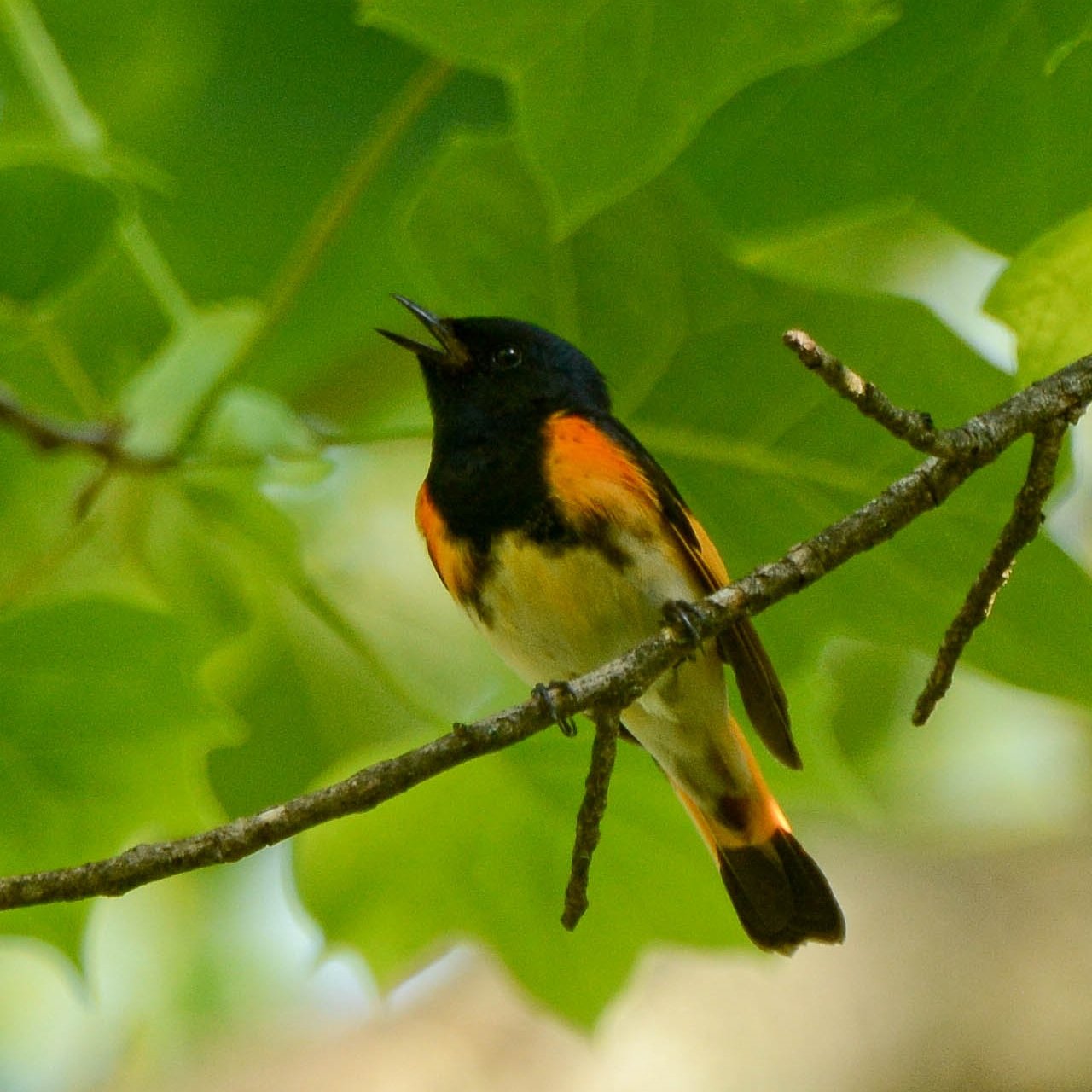
American Redstart – Setophaga ruticillaLength: 5.25″; Wingspan: 7.75″; Weight: 0.29 oz. While the American Redstart is a wood-warbler and part of the Parulidae Family, it is the only warbler species in the Setophage Genus. David Sibley, in his Field Guide to Birds index, does not list it among the warblers, but alone under Redstart. They do migrate, in treed habitats, along the SC
-
SIB “Bird of the Week” – Carolina Wren
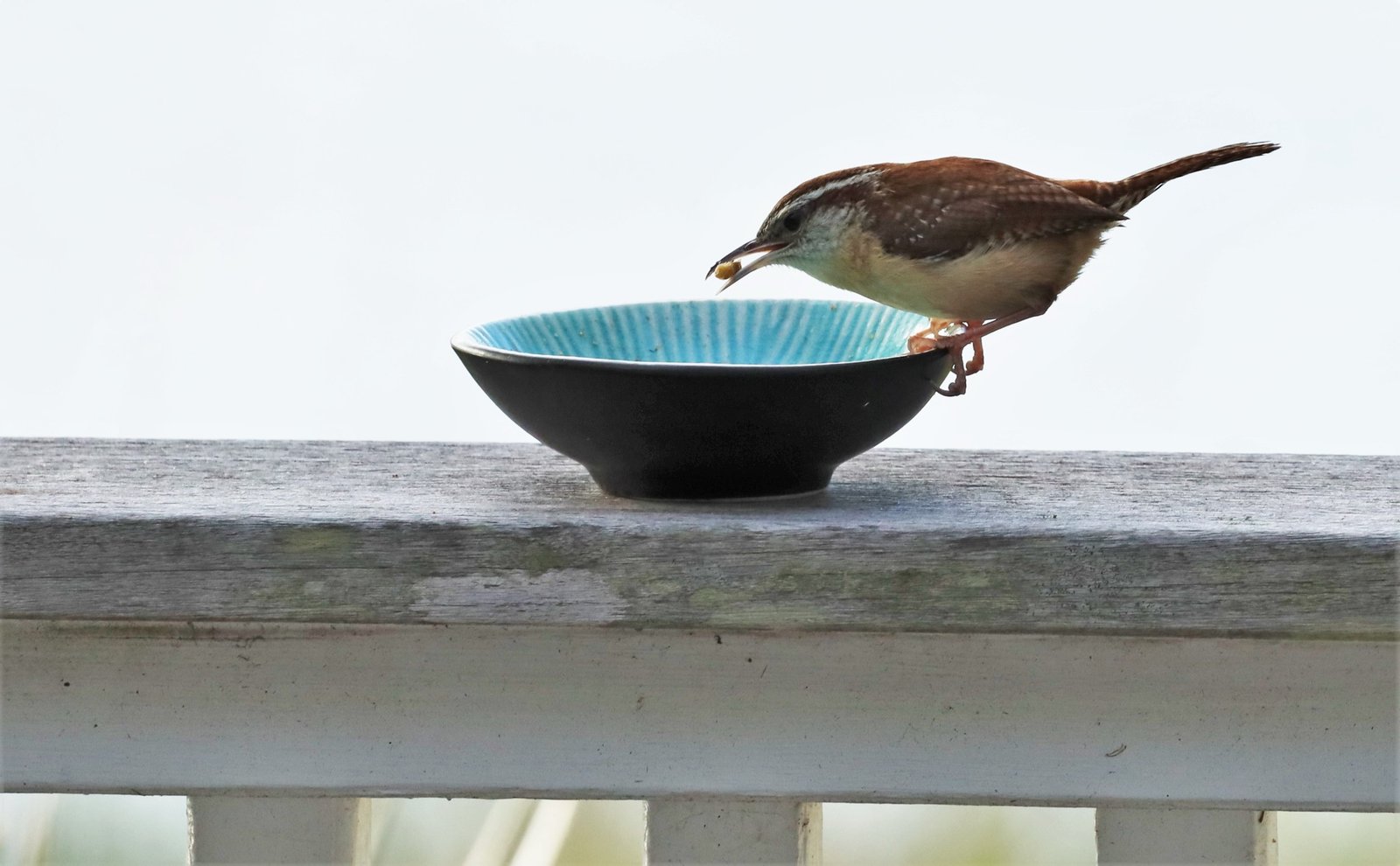
Carolina Wren – Thryothorus ludovicianusLength: 5.5″; Wingspan: 7.5″; Weight: 0.74 oz. The Carolina Wren is the state bird of South Carolina and sings tea-kettle, tea-kettle, tea-kettle tea. It is a small but chunky bird with a round body and a long tail that it often cocks upward. The head is large with very little neck, and the distinctive