
Latest posts
-
SIB -BIRD OF THE WEEK -Tricolor Heron

The Tricolor Heron can range in size from 25-30″ (64-76 cm). W. 3’2 (97 cm). Dark blue upperparts contrast with white belly and white stripe up fore neck. Base of bill and bare face skin are yellowish at most seasons, bright blue in breeding season. Slender shape makes this species look even longer-billed and longer-necked
-
SIB “Bird of the Week” – Little Blue Heron
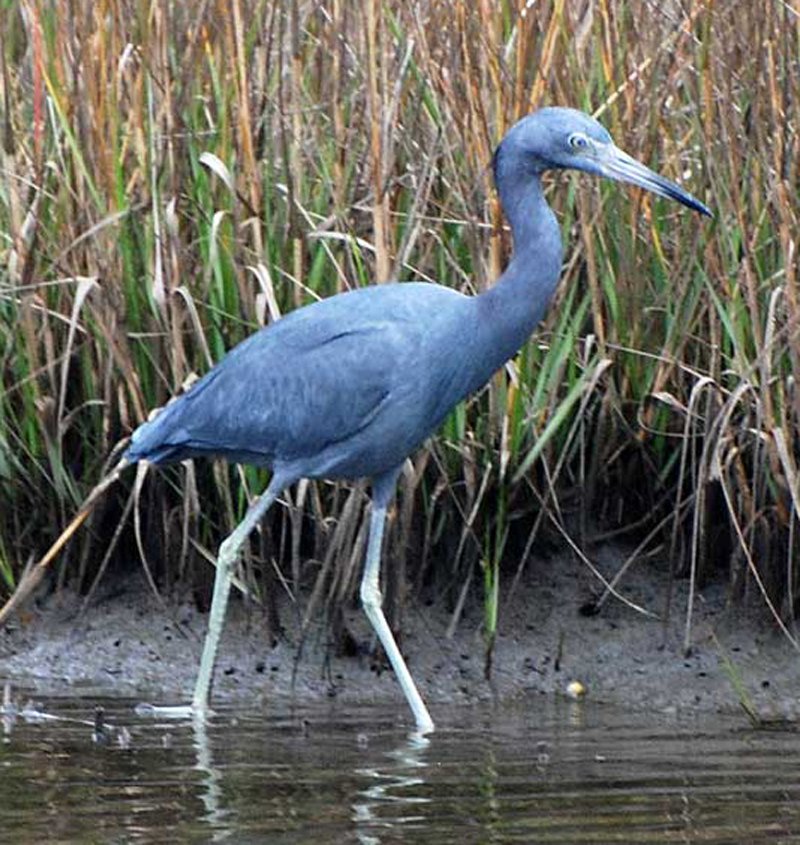
Little Blue Heron – Egretta caeruleaLength: 22-29”; Wingspan: 40”Below is a confusing bird to identify. It’s a Little Blue Heron in what is called “first year” plumage. When a Little Blue is immature (i.e., during the year in which it is born), it is totally white. Until a birder has mastered the characteristics of our local white egrets,
-
SIB “Bird of the Week” – Mourning Dove
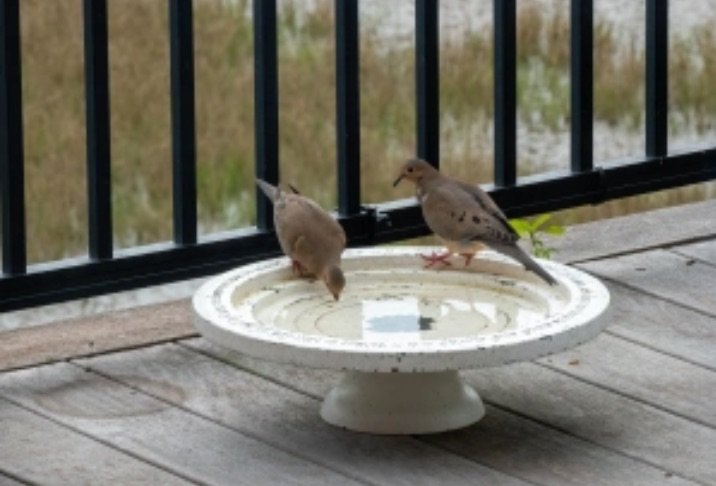
Mourning Dove – Zenaida macrouraLength: 9″- 12″; Wingspan: 17″-19″; Weight: 4-6 oz. Mourning Doves are one of the most recognized birds in North America and can be found all across the continent. Their distinctive cooing sound can be heard throughout the day and lends a sense of peaceful calm to the backyard. A graceful, slender-tailed
-
SIB Travels: The SE Arizona Birding Festival!
On August 6-9, Ed and I attended the Southeast Arizona Birding Festival in Tucson, presented by Tucson Audubon Society. It was our first birding festival in 14 years, and it was first rate! Registration online opened on June 1 and most of our trips were sold out within 20 minutes. There are so many trips and activities
-
Deveaux Bank Receives New Designation as Site of International Importance
When the sun goes down on Seabrook Island, residents and guests alike make their way to beach Boardwalks 8 and 9 to watch the spectacular array of colors that make up our sunsets. It’s a beautiful sight, and a beachgoer’s dream. There’s an uninhabited island just across the water, and as the sun drops lower
-
Help Resight Banded Black Skimmers
SCDNR is looking for volunteers to resight and report banded Black Skimmers. Remember our motto – Shorebirds, Let them rest – so no cell phone photos please. If you have a long telephoto lens and a computer program to enhance the code on the band, you are encouraged to submit photos as outlined on this image. Thank
-
SIB “Bird of the Week” – Northern Flicker
Northern Flicker – Colaptes auratusLength: 11-12.2″; Wingspan: 16.5-20.1″; Weight: 3.9-5.6 oz. Northern Flickers are large, brown woodpeckers with a gentle expression and handsome black-scalloped plumage. On walks, don’t be surprised if you scare one up from the ground. It’s not where you’d expect to find a woodpecker, but flickers eat mainly ants and beetles, digging for them
-
SIB “Bird of the Week” – Palm Warbler
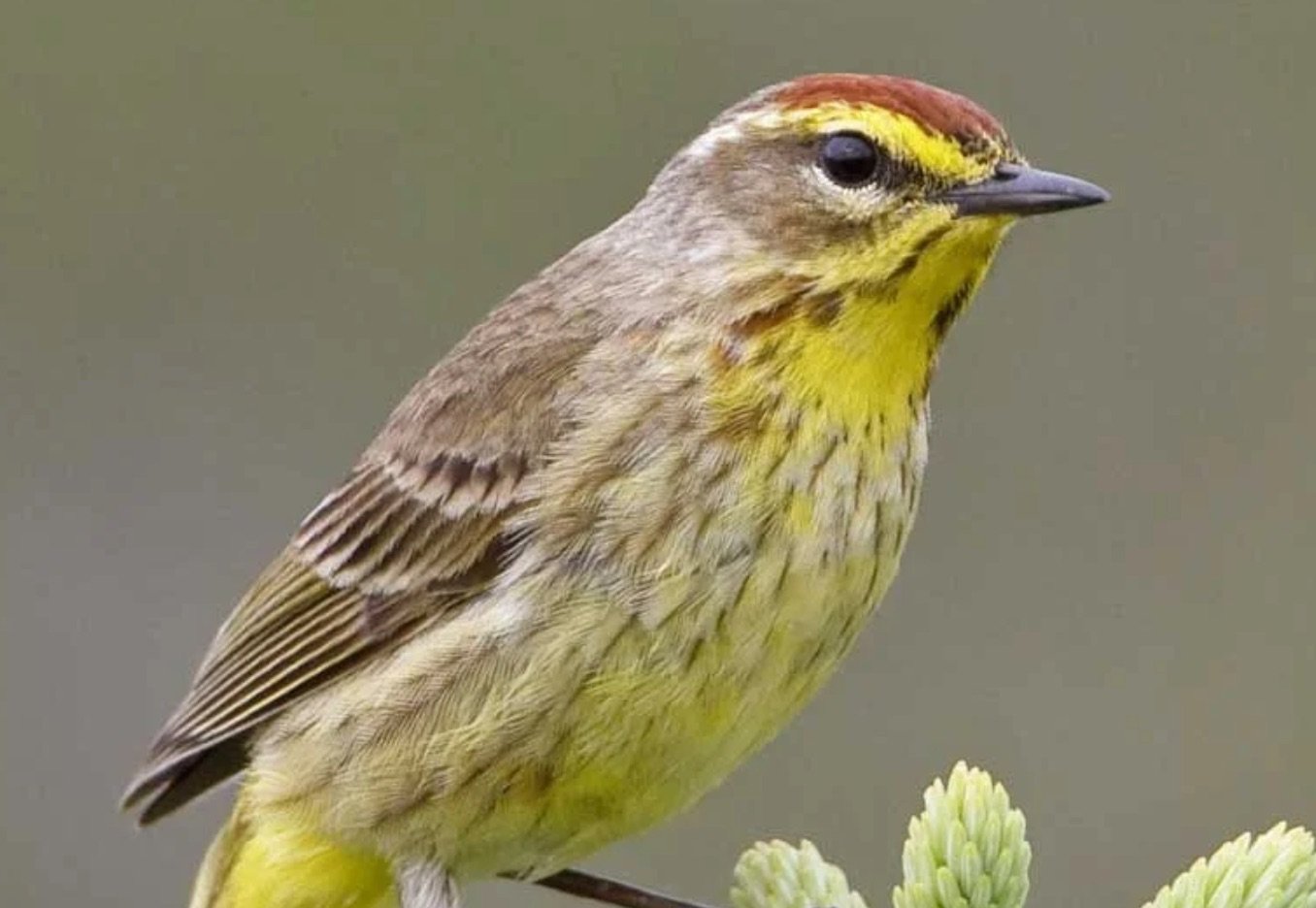
Palm Warbler – Setophaga palmarumLength: 5.5″; Wingspan 8″; Weight: 0.36 oz. The Palm Warbler is one of the wood warblers. It is fairly common on Seabrook in the fall and winter months. The most obvious field mark is its tail-wagging habit. Although it is a rather dull olive on its back, as it wags, it shows its
-
SIB Bird of the Week – Pine Warbler

This warbler is well named due to it not often seen away from pine trees. Pine Warblers forage in a rather leisurely way at all levels in the pinewoods, from the ground to the treetops. This species is only a short-distance migrant, and almost the entire population spends the winter within the southern United States.
-
Birds and Hurricanes
All eyes are on Hurricane Helene as she marches her way toward Florida, Georgia, and South Carolina. The forecast tells us we’ll be on the east side of the storm as it tracks through, which translates to the windy and rainy side. Up to 10″ of rain and wind gusts to 80 mph are being