
Latest posts
-
Happy Holidays!
Happy Holidays from Seabrook Island Birders! May the season bring you many joys and maybe even a few wonderous feathered finds. Pictures of Northern Cardinals, American Robins, Canada Geese and ducks are often seen on holiday cards. A little research shows how many different birds are in the popular song “The Twelve Days
-
Ask SIB: Reddish Egrets on North Beach
For the past two months, there have been occasional reports of Reddish Egrets on our Island. Recently, as many as three birds have been seen at one time. Several people have wondered, are they a family unit? Is it two young birds and an adult “Mom?” Let us break down those questions. First, scientifically, this
-
SIB “Bird of the Week” – Ruby-crowned Kinglet

Ruby-crowned Kinglet – Regulus calendulaLength: 4.25″; Wingspan: 7. 5″; Weight: 0.23 oz. There are two good ways to identify the Ruby-crowned Kinglet. First, you might see it out of the corner of your eye. That’s because it flicks its wings and hops fairly continuously. You also might recognize it from its very distinctive call. The
-
SIB “Bird of the Week” – Yellow-rumped Warbler

Yellow-rumped Warbler – Setophaga coronataLength: 5.5″; Wingspan: 9.25″; Weight: 0.43 oz. Yellow-rumped Warblers are one of the most common warblers in North America and abundant on Seabrook Island from fall through spring. The Yellow-rumped Warbler is sometimes referred to as “Butter Butt” due to its bright yellow rump. It was formally called Myrtle Warbler in the
-
SIB “Bird of the Week” – Turkey Vulture vs. Black Vulture
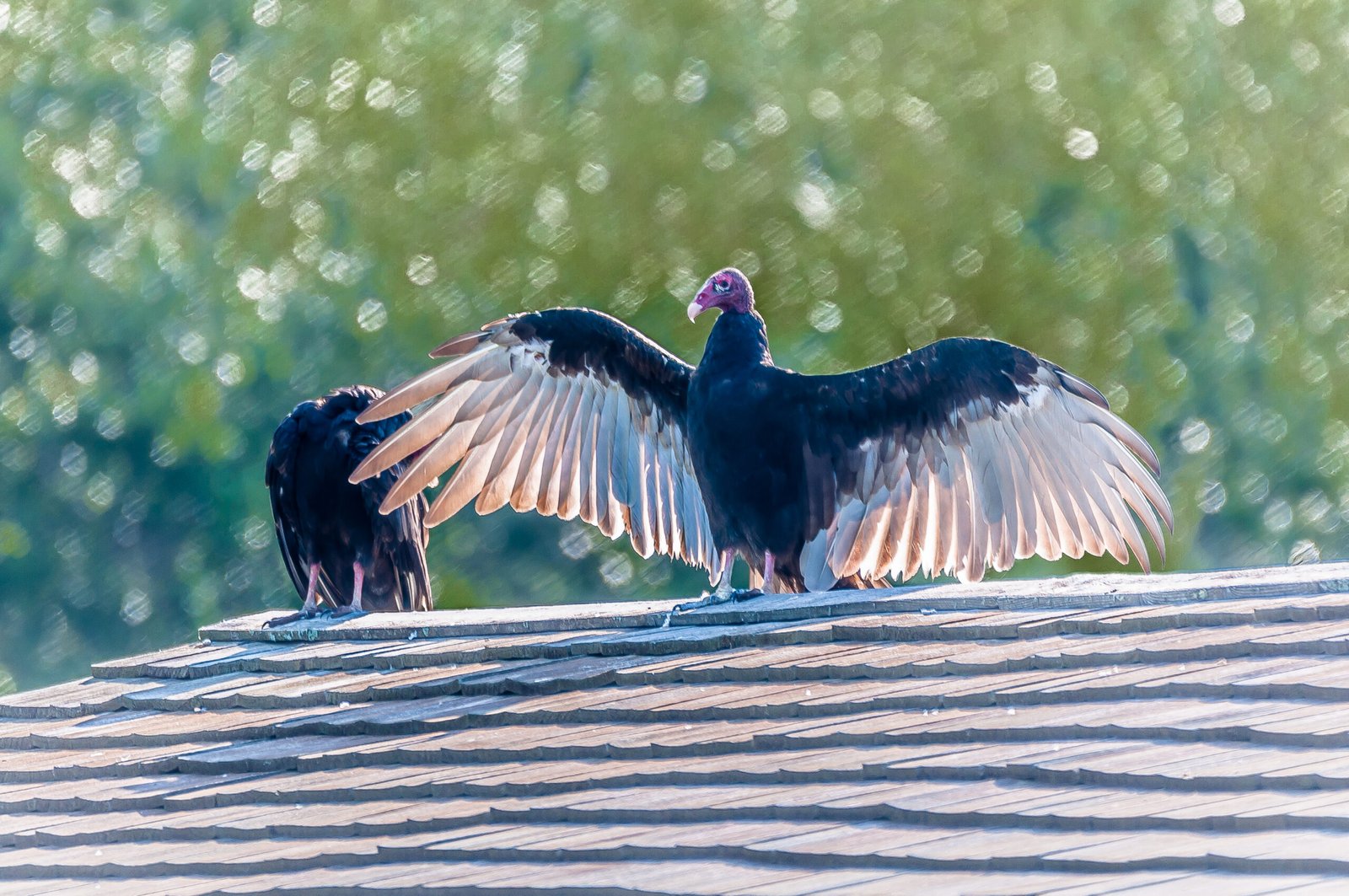
Turkey Vulture vs. Black Vulture – Cathartes aura and Coragyps atratusTurkey Vulture – Length: 26″; Wingspan: 67″; Weight: 4.0 lbBlack Vulture – Length: 25″; Wingspan: 59″; Weight: 4.4 lb No, those are NOT buzzards; they are vultures. We have no buzzards in North America but we do have two types of vultures:
-
SIB “Bird of the Week”- Tree Swallow
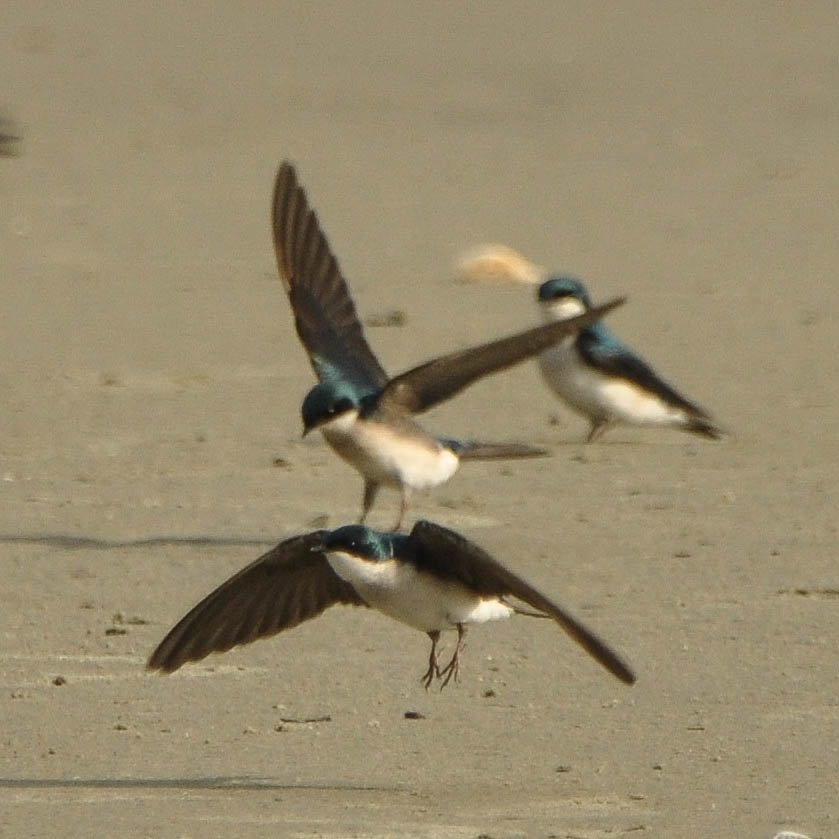
Tree Swallow are streamlined small songbirds with long pointed wings and a short, squared’ slightly notched tail. Adult males are blue green above and white below with blackish flight feathers and a thin black eye mask; females are duller with more brown in their upperparts, and juveniles are completely brown above. Juveniles and some females
-
Shorebird Stewards and Fourteen Piping Plovers
A familiar sight in spring, beachgoers may be surprised to see some of our Shorebird Stewards out and about this fall. So, what’s up? As the sand renourishment project continues on North Beach, Seabrook Island Shorebird Stewards will be out on the beach each day. But it’s not about the sand renourishment. With the attraction
-
SIB Reports: SCDNR Botany Bay Bird Watching Trailer Tour – Nov 15, 2024
Enjoy the diverse bird population with SCDNR & renowned ornithologist Craig Watson for a bird-watching trailer tour throughout the Botany Bay Wildlife Management Area (WMA). Many of our wintering bird species are arriving or have arrived in the Lowcountry! It is a good time for unusual and rare birds to show up! RSVP REQUIRED click
-
Hooded Mergansers have returned
On October 25, we asked the question “When will Hooded Mergansers return?” (see below). It’s a little earlier than average but Glen Cox reported and Don Smith confirmed the Hooded Mergansers returned to Jenkins Point on November 3. Migration is definitely in full swing. Enjoy these beautiful “winter” residents. ———————————————————————————- One of the first signs
-
Becoming a Martin “Landlord”.
Seabrook Island Birders are bringing an exciting new collaborative to Seabrook Island. Later this year we will be erecting Purple Martin housing through the very generous and enthusiastic support of the Equestrian center, Jennifer Tyrrell of the Charleston Natural History Society(Audubon), Seabrook Island Environment and Wildlife Committee and the Town of Seabrook Island. In early