
Latest posts
-
SIB “Bird of the Week” – Yellow-bellied Sapsucker
Yellow-bellied Sapsucker – Sphyrapicus variusLength: 7.1-8.7″; Wingspan: 13.4-15.7″; Weight: 1.5-1.9 oz. The Yellow-bellied Sapsucker is the only woodpecker in eastern North America that is completely migratory. Although a few individuals remain throughout much of the winter in the southern part of the breeding range, most head farther south, going as far south as Panama. Females tend to
-
SIB “Bird of the Week” – Wild Turkey
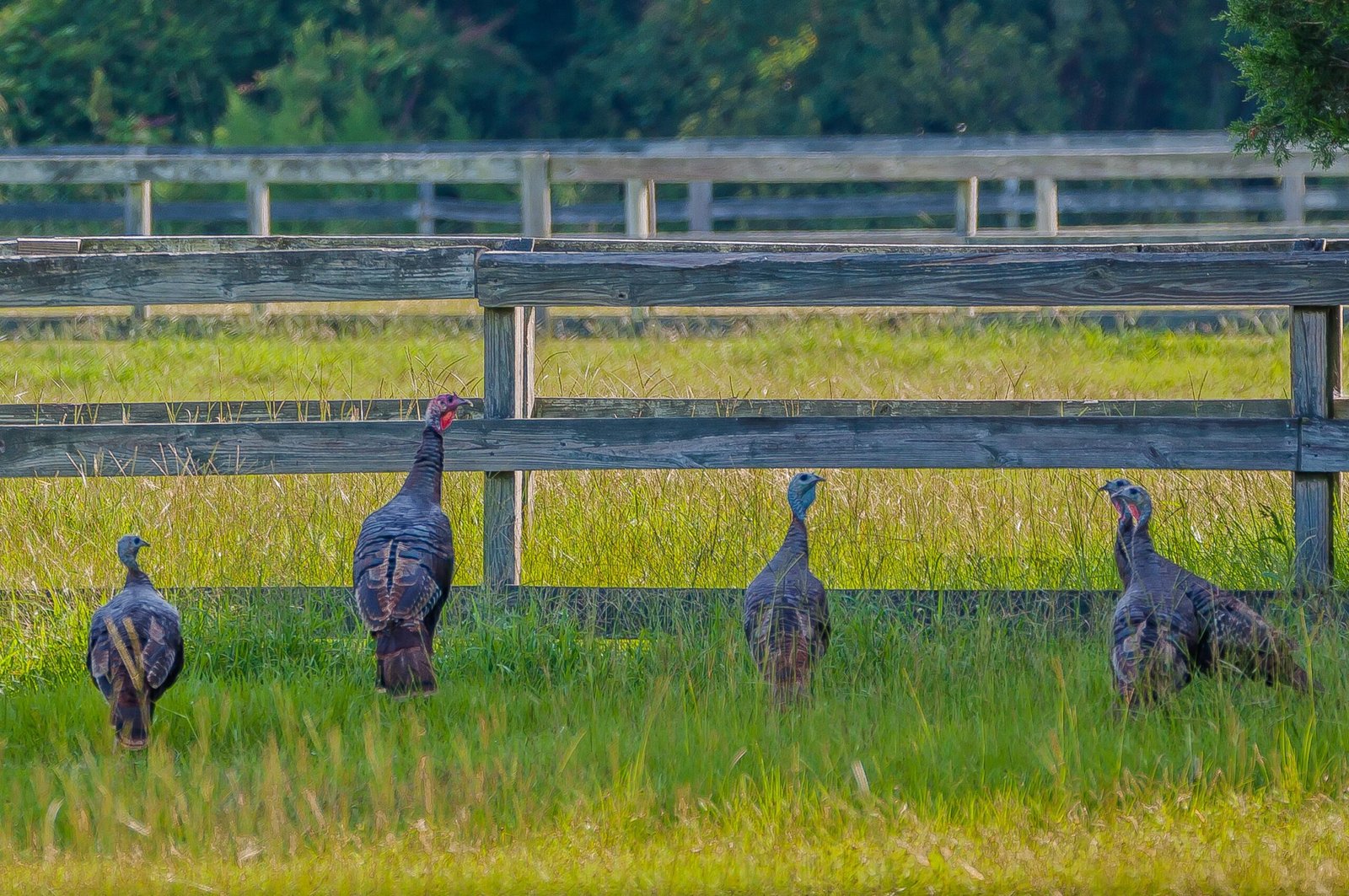
Wild Turkey – Meleagris gallopavoLength: 46″; Wingspan: 64″; Weight: 259 oz. Residents are reporting an increase in sightings of Eastern Wild Turkeys on Seabrook Island. The domesticated version of this large native game bird is well known because of its role each Thanksgiving day. Millions of turkeys are drawn from an outline of the hands of elementary children prior to Thanksgiving each year. The turkey would have been our national
-
Ask SIB: Do you have any recommendations for birding clothes?
Question: I see lots of different clothes when I go on SIB activities. Do you have any you especially like and would recommend to me? Answer: Variations of this question are often asked during our activities. Even the “trip leaders” ask this question of others. So the suggestions below are just some opinions and not
-
SIB “Bird of the Week” – Clapper Rail

Clapper Rail – Rallus longirostrisLength: 14.5″; Wingspan: 19″; Weight: 10 oz. You may not be aware that hidden in dense cover in our salt marshes lurk a bird called Clapper Rail. This slinking, secretive bird is a year-round resident on our island and often we only hear the loud clattering call as our clue that a Clapper Rail
-
SIB Bird of the week -Baltimore Oriole
Have you noticed any new birds coming into your yard lately? One brightly colored visitor that might show up frequently in our area at this time of year is the Baltimore Oriole. Icterus galbula One of the most brilliantly colored songbirds in the east, flaming orange and black, sharing the heraldic colors of the coat
-
Ducks at a Distance: A Waterfowl Identification Guide
Winter means ducks come back to South Carolina. They always seem to be rapidly flying away and/or far away. The Fish and Wildlife Service recently published a PDF: “Ducks at a Distance” by Bob Hines of Department of Interiors, U.S. Fish and Wildlife Service. It’s introductory paragraph gives you a good idea of what to
-
Did you know: Covert Feathers
A covert feather is one of a set of feathers which cover other feathers. The coverts help to smooth airflow over the wings and tail and protect important flight feathers. You can see them inside the red outline on the photo of a Northern Mockingbird that was banded during our Fall Migration Station. Since most
-
SIB Reports: 74 year-old albatross just laid egg
CNN and BBC recently reported The world’s oldest known wild bird has sparked “special joy” among scientists after she laid an egg – her first in four years – at the age of 74. Wisdom, a Laysan albatross, was spotted with the egg and a new partner last week at Midway Atoll National Wildlife Refuge,
-
What is a Bird Irruption?
It sounds like a volcano spewing out birds! Ah, but no. Each winter, birders and nature enthusiasts eagerly await the year’s “Bird Irruption” report. This is a prediction, based on certain ecological conditions, where birds will move en masse beyond their typical wintering range. Irruptions occur when food sources in the species’ native habitat –
-
Happy New Year!
Happy New Year from Seabrook Island Birders! Many birders play a New Year’s game called “Bird of the Year.” The first bird you see on January 1st becomes your theme bird for that year—one to bless your perspective, your imagination, your spirit. So look out your window and maybe that first bird will give you