
Today the United States marks its Semiquincentennial—a massive milestone celebrating 250 years since the signing of the Declaration of Independence. From historic tall ship flotillas in New York Harbor to record-breaking fireworks on the National Mall in Washington, D.C., our nation honors the ideas, struggles, and symbols that shaped our identity.
But while we honor the human revolutionaries who built the country, America’s history has also been quietly shaped, mirrored, and championed by another group of citizens: our birds.
From fierce political debates in the 1780s to the birth of modern conservation, birds have flown alongside the American story. Here is how our avian counterparts relate to the history we are celebrating.
1. The Bald Eagle: The Accidental Symbol
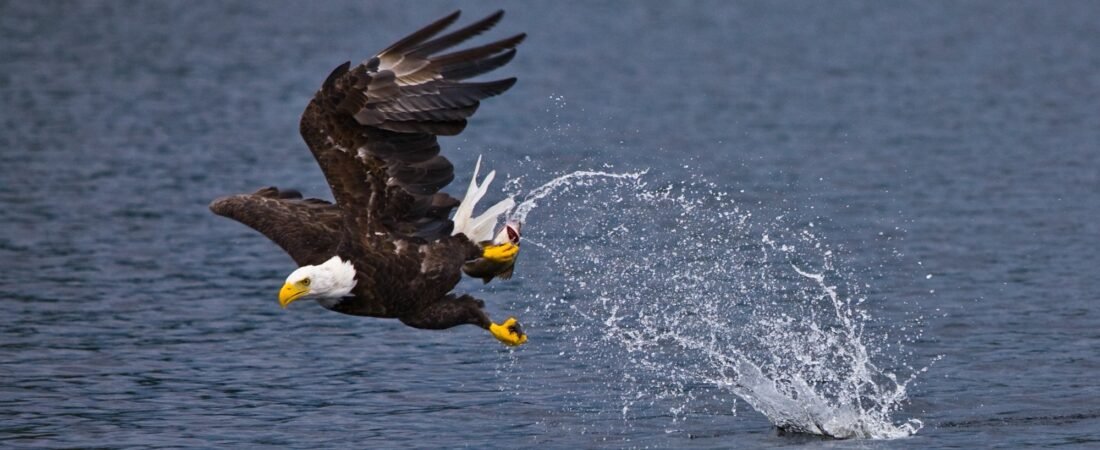
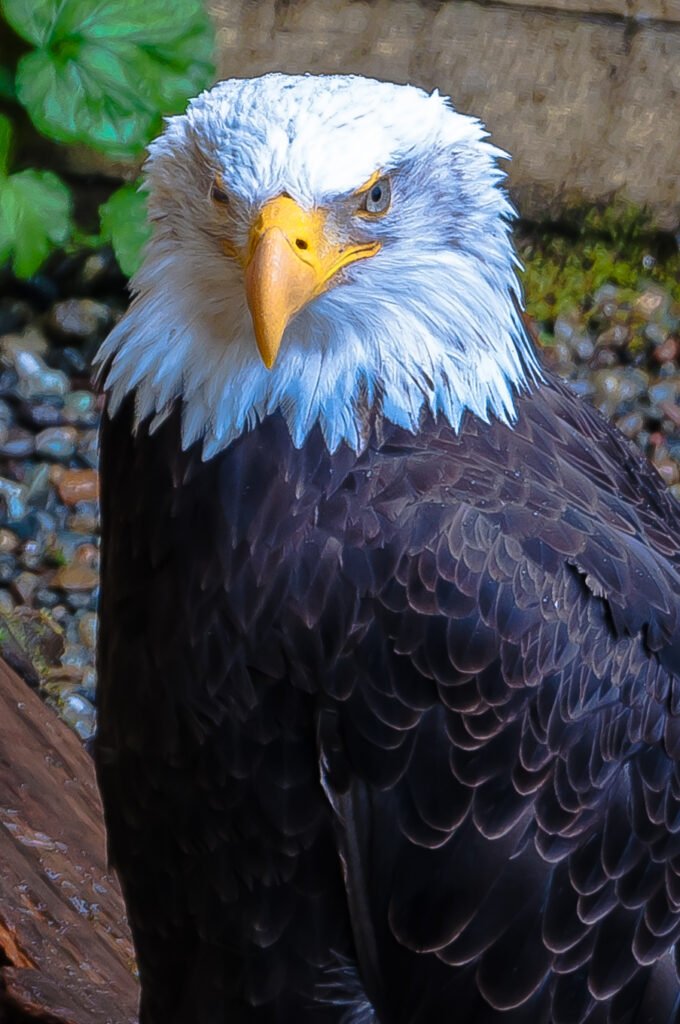
You can’t talk about America without talking about the Bald Eagle, but its journey to the Great Seal of the United States in 1782 was fiercely contested.
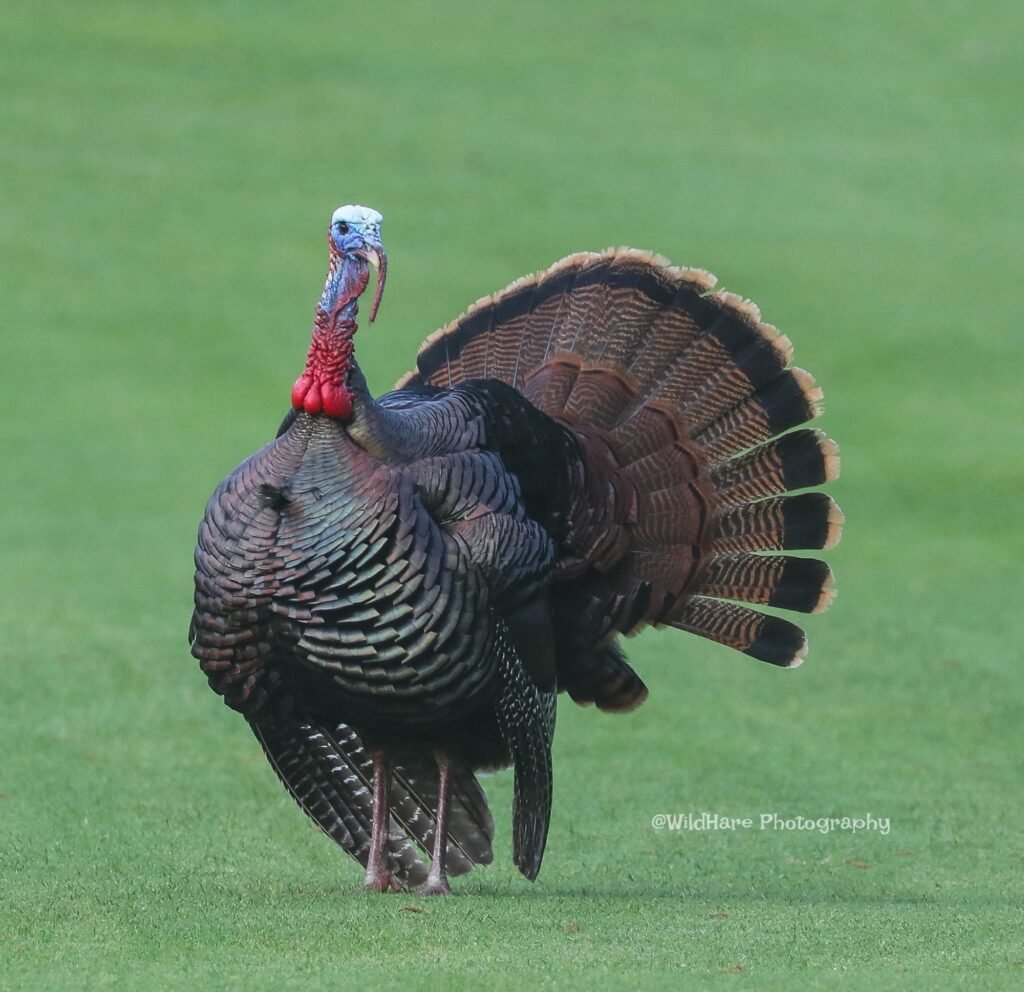
A popular historical legend says Benjamin Franklin vehemently opposed the eagle, famously writing in a letter to his daughter that the Bald Eagle was a “Bird of bad moral Character” because it steals fish from other hawks and is “too lazy to fish for himself.” Instead, Franklin praised the Wild Turkey as a “much more respectable bird” and a “true original Native of America.”
While Franklin didn’t pitch the turkey in the official congressional committee, his critique highlighted a cultural divide. The eagle ultimately won because of its ancient associations with freedom, strength, and sovereign power. Today, it stands as an enduring symbol of American resilience.
2. The Passenger Pigeon: A Warning that Sparked Conservation
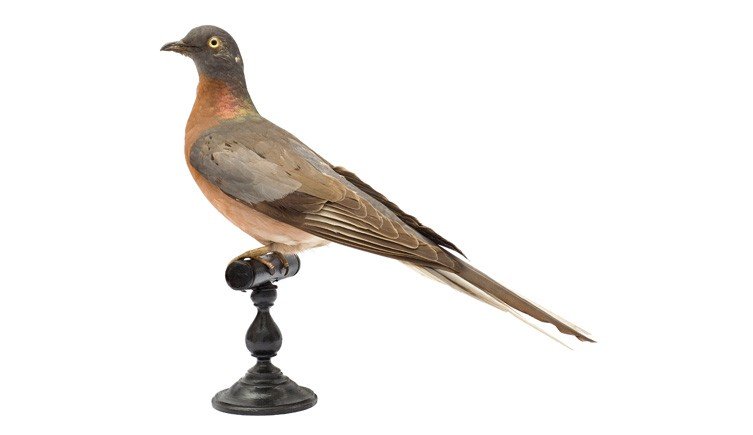
American history isn’t just about triumphs; it’s also about lessons learned. In the 18th and 19th centuries, the Passenger Pigeon was the most abundant bird in North America, with flocks numbering in the billions darkening the skies for days.
However, relentless commercial hunting and deforestation drove the species to total extinction by 1914. This shocking loss served as a massive wake-up call for our young nation. It directly catalyzed the early American conservation movement, proving to citizens that our natural resources were not infinite and leading to the creation of the first robust federal wildlife protection laws.
3. The Canary: Defending the Backbone of American Industry
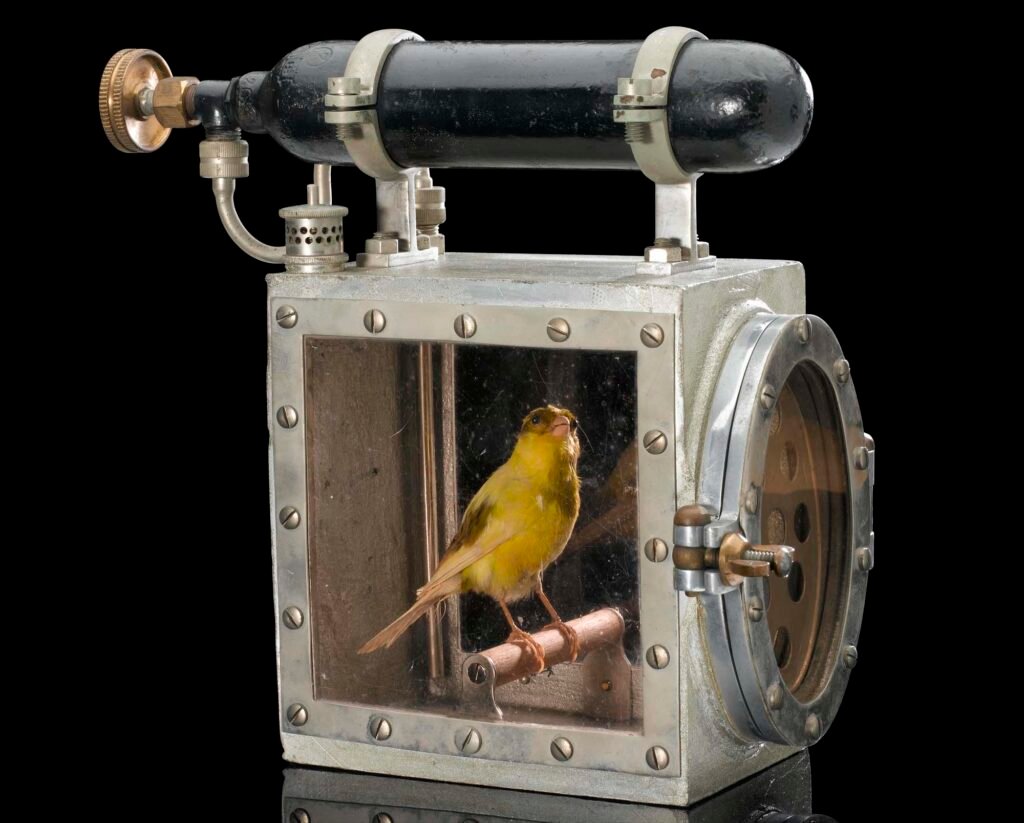
As the United States rapidly industrialized throughout the late 19th and 20th centuries, coal mining became the literal fuel powering the nation’s growth. Deep in those perilous shafts, miners relied on a tiny, bright ally: the canary.
Because of their rapid breathing rate and sensitive respiratory systems, these birds showed symptoms of gas poisoning long before humans did. The phrase “canary in a coal mine” entered the American lexicon as a symbol of early warning systems. These little birds saved countless human lives, protecting the laborers who built the nation’s physical infrastructure.
4. The Pigeon: Unsung Heroes of World War I and II
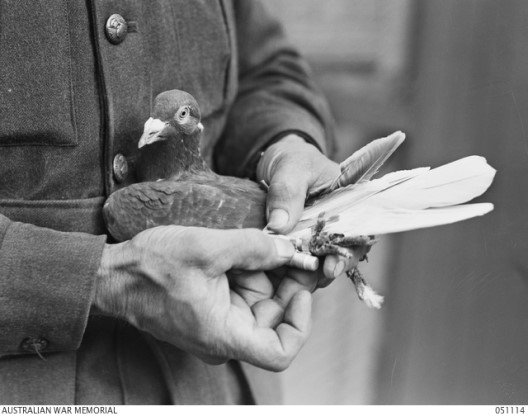
Before modern encrypted digital networks, the U.S. military relied heavily on homing pigeons to deliver critical messages across active battlefields.
During World War I, a pigeon named Cher Ami became an American hero. Despite being shot through the breast, blinded in one eye, and losing a leg, she successfully delivered a message that saved 194 soldiers of the stranded “Lost Battalion.” In World War II, another pigeon named G.I. Joe saved the lives of over a thousand British troops by delivering a cancellation message just minutes before a scheduled American bombing raid on an occupied village. Birds didn’t just witness American history; they actively saved American soldiers.
The eagle may be the most well known emblem of great power and freedom, but it is the collective history of all our native birds and wildlife that truly reflects the vast, untamed spirit of the American landscape.
As we look up at the fireworks this July 4th, it is worth looking up during the daytime, too. The birds flying overhead are a living connection to the landscape the Founders looked upon 250 years ago—reminding us of our past struggles, our industrial grit, and our ongoing duty to protect the land we share.
If you’d like to learn more about Passenger Pigeons, you may enjoy this article “Passenger Pigeon: How the World’s Most Common Bird Went Extinct“
Feature Image: Bald Eagle, by Glen Cox
Source: Wikipedia and Google Gemini