
Birding is a hobby for many of us. A hobby engages people at a level of their choosing. A hobbyist is not an expert nor a professional. They can be dabblers or very proficient. Birding styles fall into a continuum from casual backyard feeder watching to someone who birds often, usually locally, to someone who uses birding as an excuse to travel the world. Last year, Eileen and I filled all those levels. Some people bird purely for the enjoyment. Others use it to build and challenge their abilities by keeping lists like a life list, a state list, a county list, or even a yard list. Still others use their data to enhance the science of birds by using an app called ebird and/or participating in studies. Ebird automates all those lists making record keeping easy. As someone who uses ebird almost every time I bird beyond my house, I can go over that data and learn much about my birding experiences. Out of curiosity, I combed through my ebird lists for 2025 to look for trends.
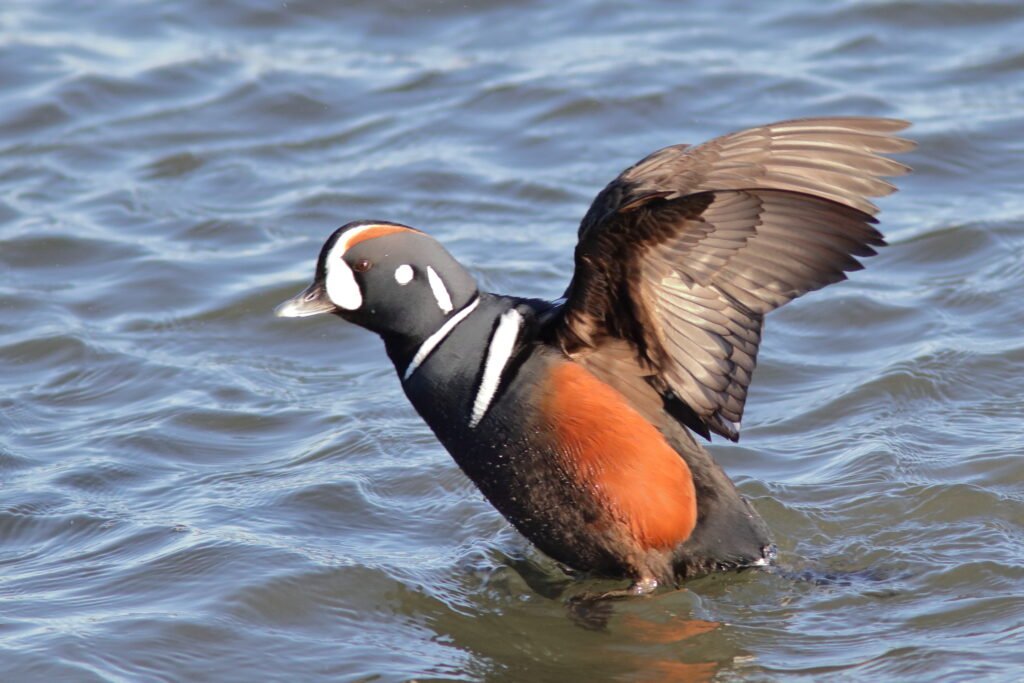
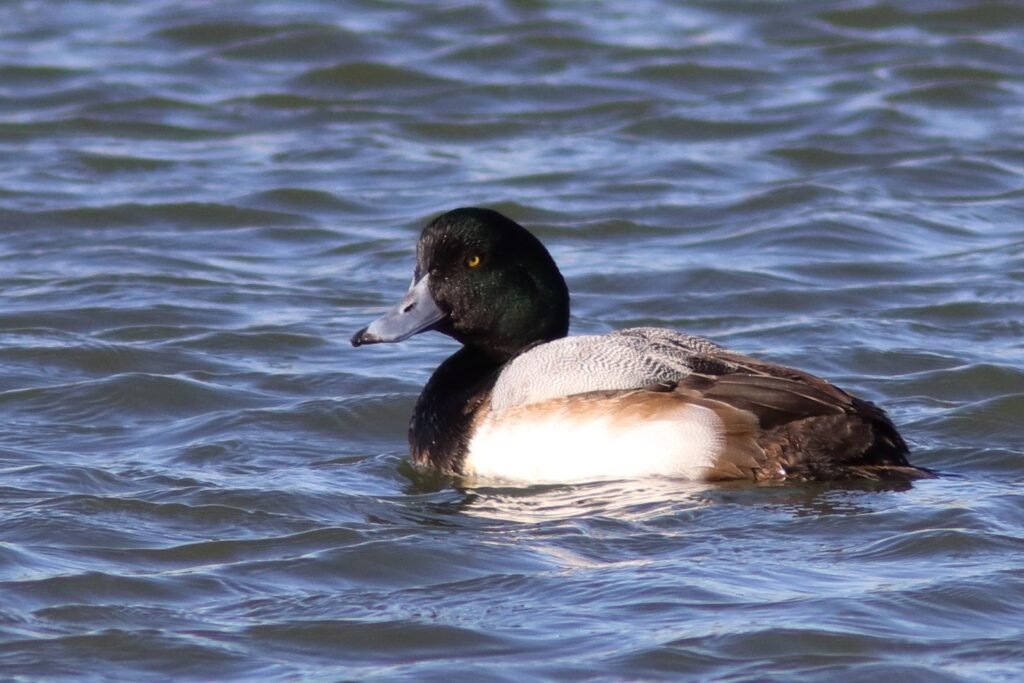
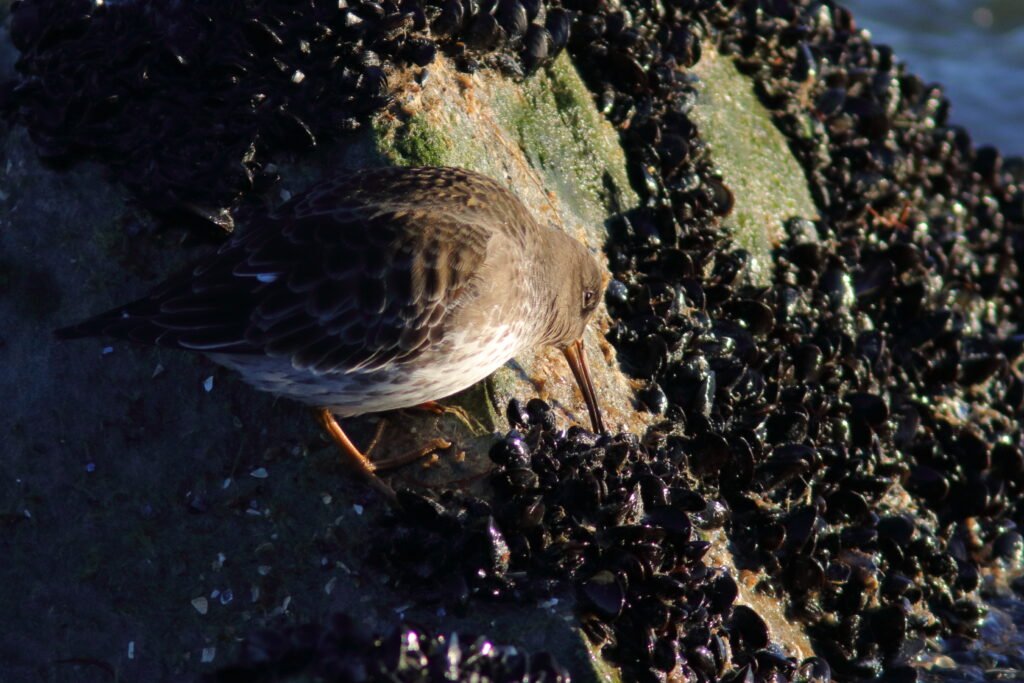
First, 2025 was by far my most productive year of birding! I recorded 754 species. Most years that number is between 250 and 400 species depending on where we travel. Most years, I do my birding in the United States. The year 2025 included travel to Ecuador and Peru which provided the discrepancy. To start off the year, on January 5, 2025, I joined some friends on the Barnegat Light Christmas Bird Count in New Jersey. We found a female King Eider a bird I had not seen for many years. It was very far away, but the light was good enough to highlight the difference between that bird and the many Common Eiders nearby. Other highlights included the stunning Harlequin Ducks, Greater Scaup, and Purple Sandpiper, all birds of the far north.
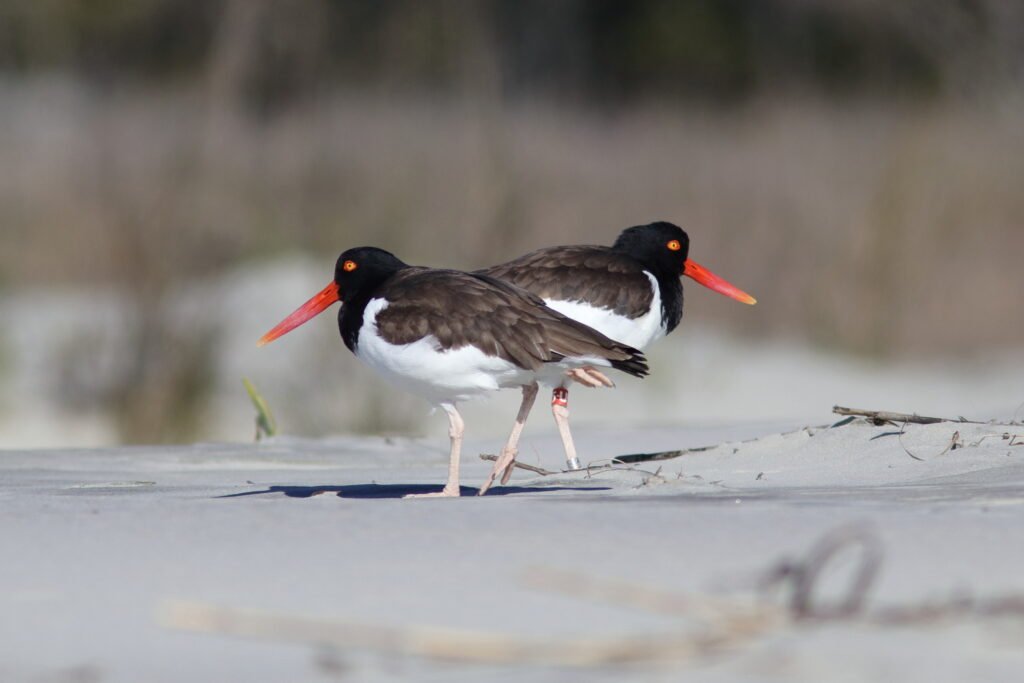
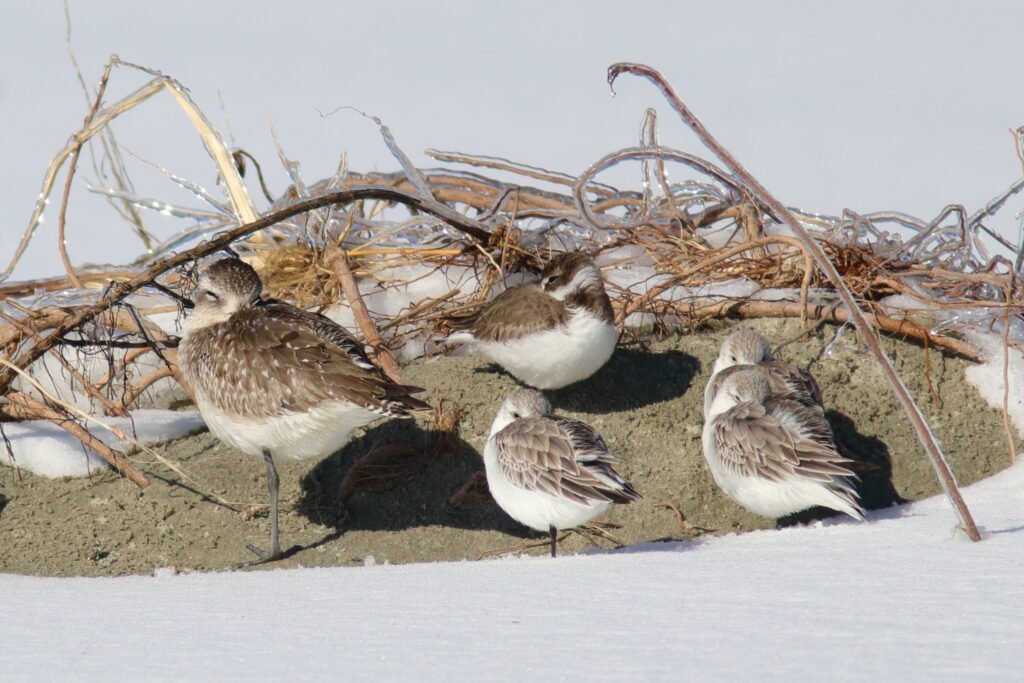
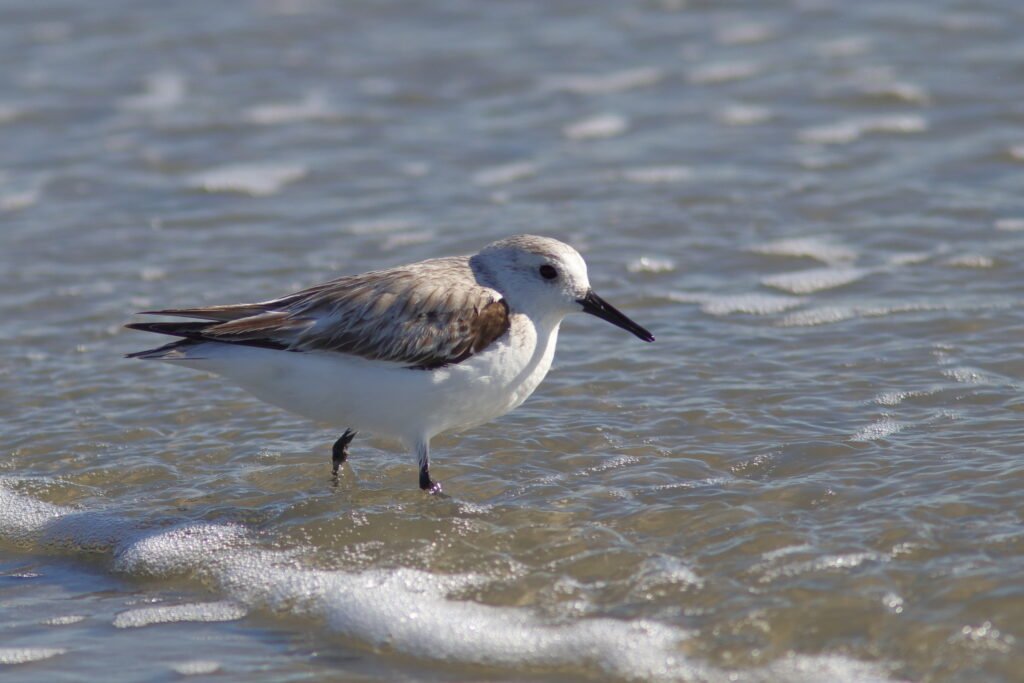
Eileen and I spent the months of January through April on Seabrook Island. During that time, I visited 24 birding locations recording 172 species. While on Seabrook Island, I also took time to study and record the various shorebirds.
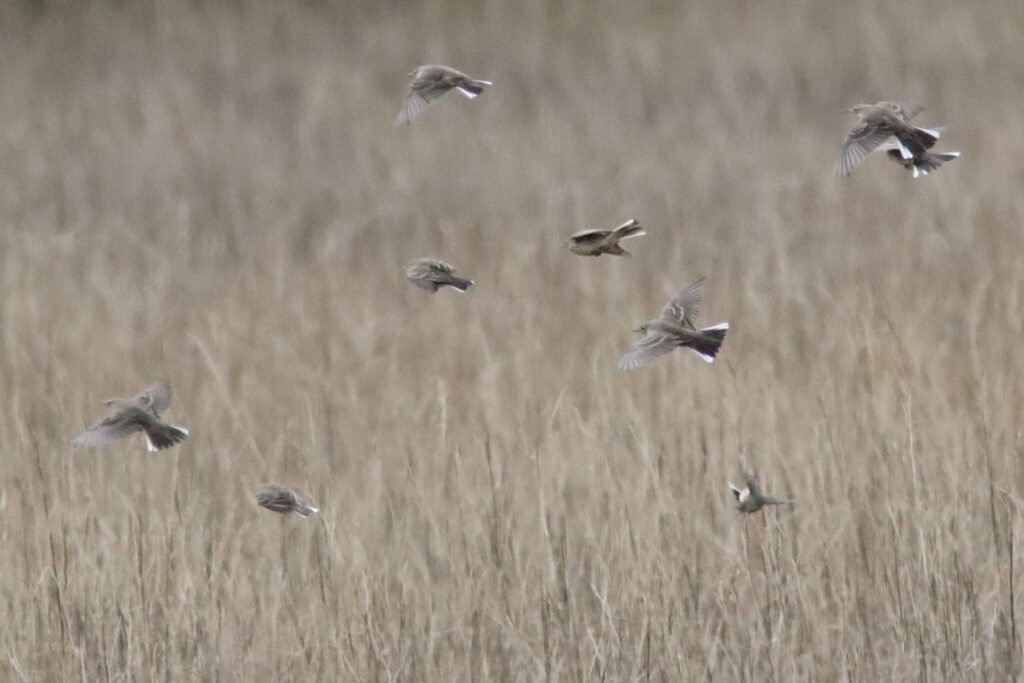
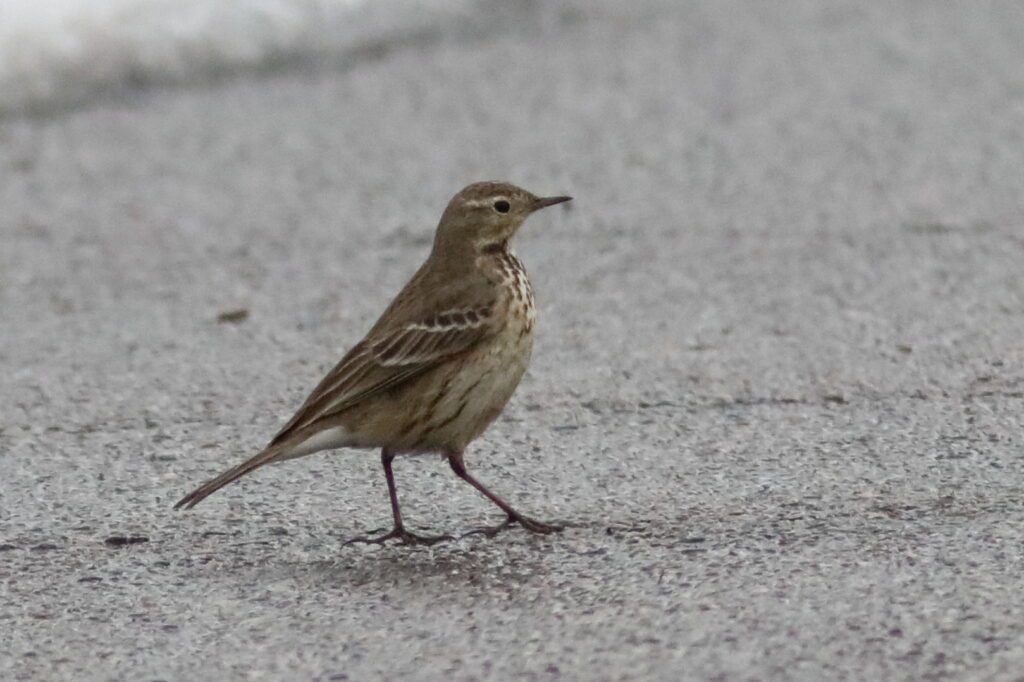
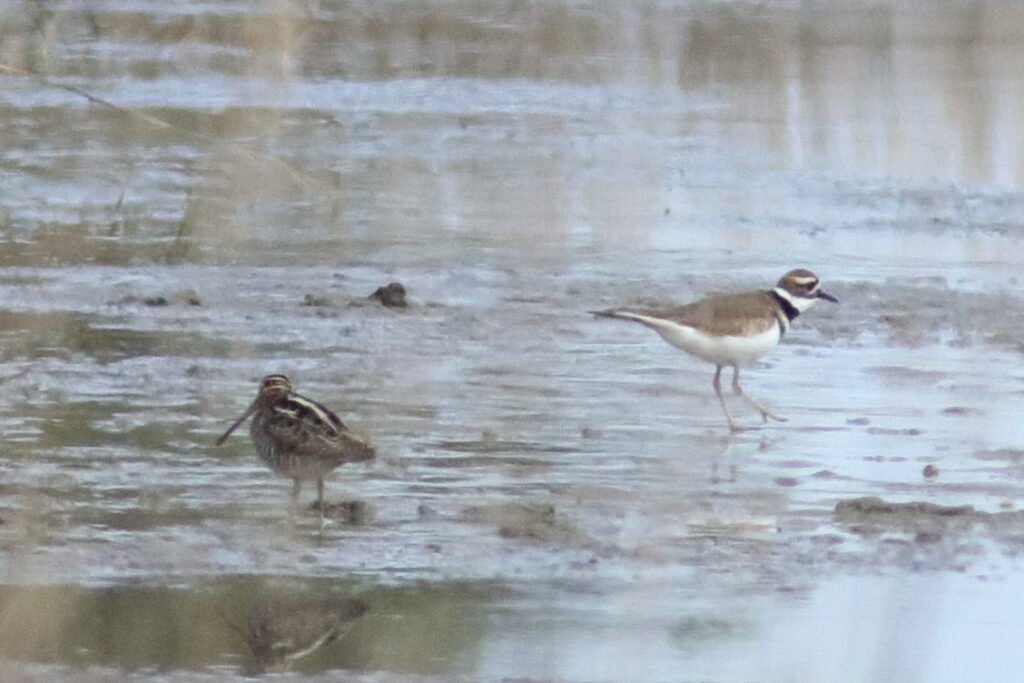
One of the exciting experiences was the period where large numbers of American Pipits and a Wilson’s Snipe (birds I have never seen on Seabrook Island before) visited the marshes by our house.
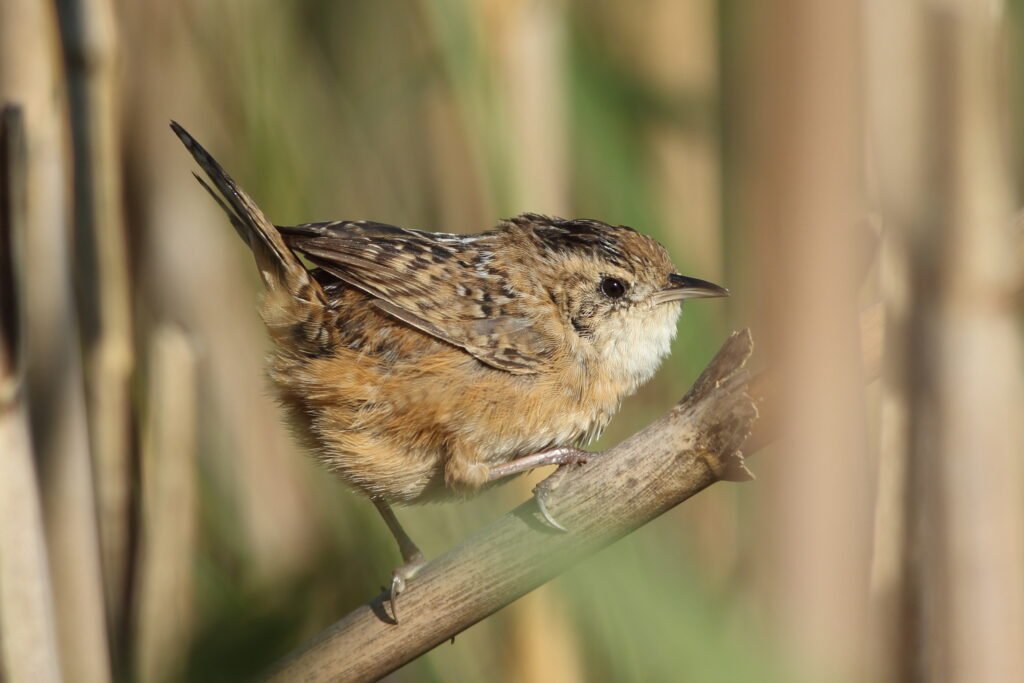
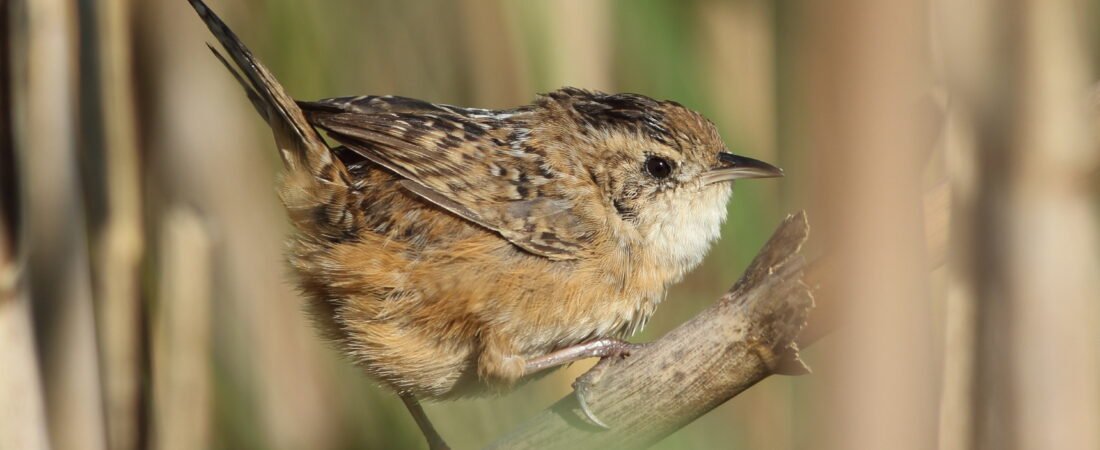
A trip to Earnst Hollings NWR gave me an opportunity to enjoy a Sedge Wren, a species I have only recorded on ebird five other times.
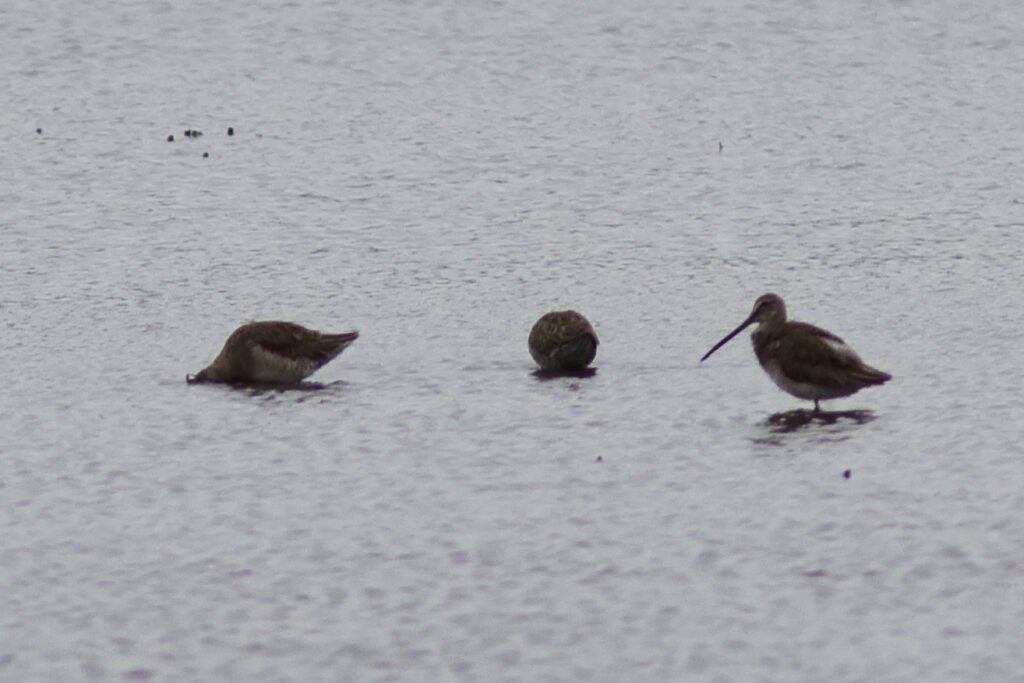
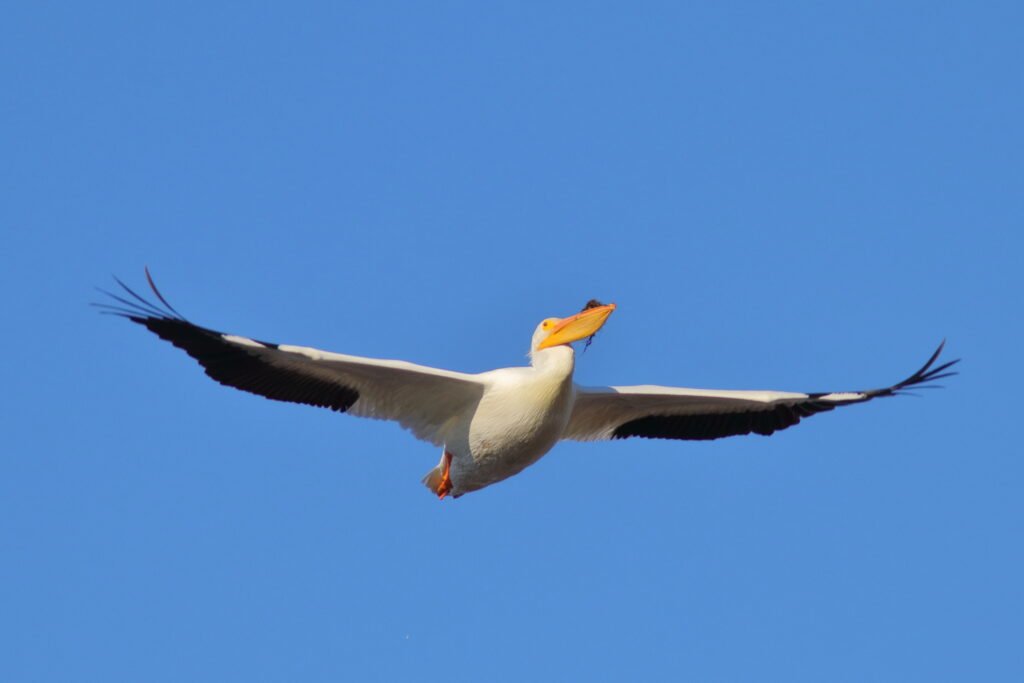
On a trip to Santee Coastal we had a flock of 16 American White Pelican’s pass over. As the second longest wingspan of all North American birds, the sight is impressive. Later that day, we had an opportunity to study the difference between the Short-billed and Long-billed Dowitchers, always an identification challenge!
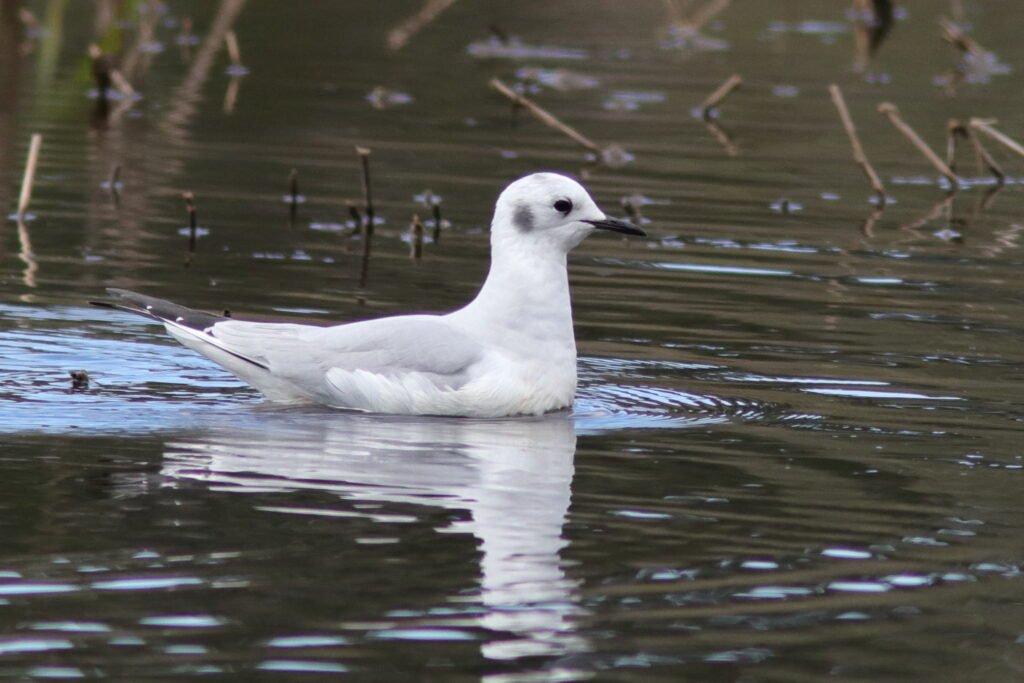
Something we have to do while we are in South Carolina is to visit Bear Island and Donnelly Wildlife Management areas. They never fail to provide some interesting birds we don’t see back home. Our trip on February 22, 2025, we would see 97 species including Tundra Swan, Mottled Ducks, American Avocets, Wilson’s Snipe, Bonaparte’s Gulls, and Red-headed Woodpeckers.
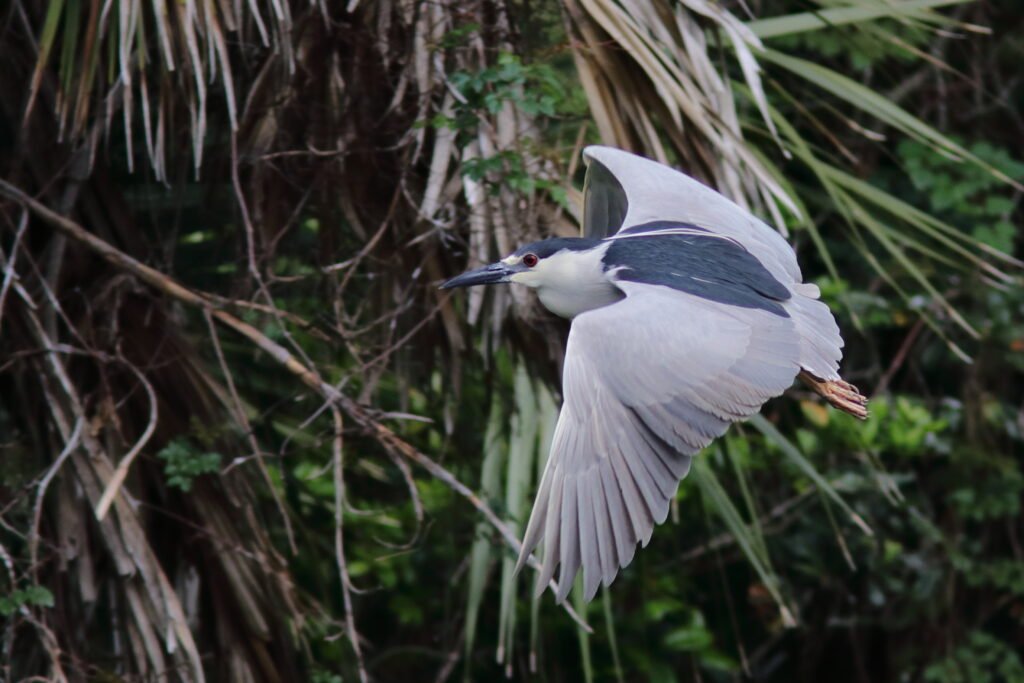
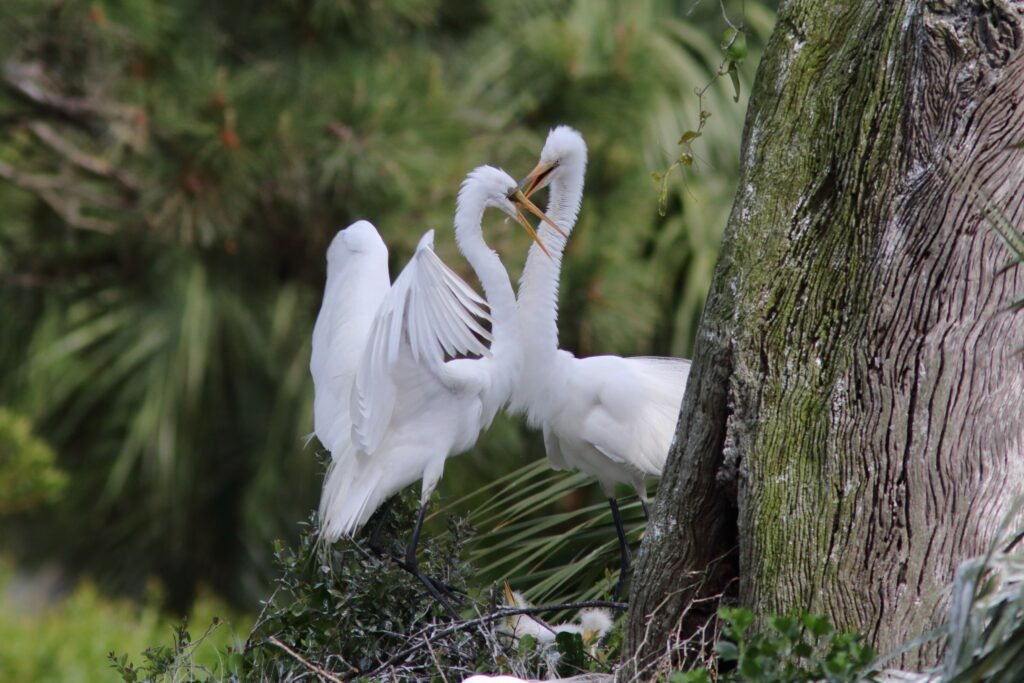
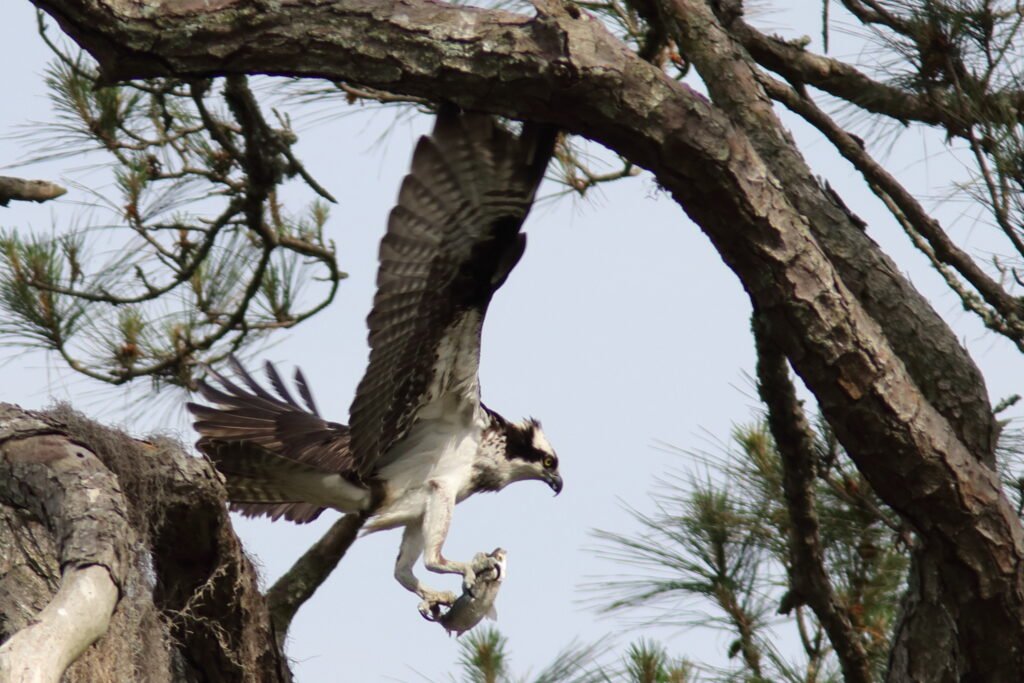
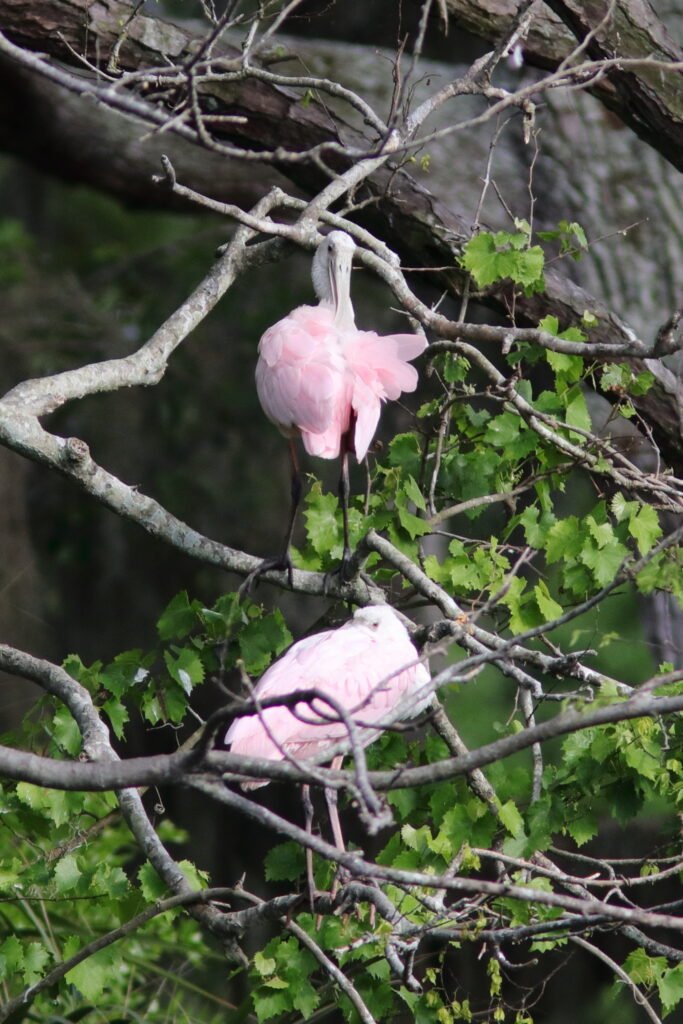
On April 24, 2025, just before we left South Carolina to go back to Pennsylvania, we joined the Backyard Birding activity where we got to view the rookery on Haulover Road. The egrets, herons, and Roseate Spoonbills put on a show. We even got to watch an Osprey bring food to its nest. This is an Annual SIB “don’t miss” activity!
Eileen and I then returned to our home in Pennsylvania in early May so I could enjoy the spring migration and the wonderful sounds of the neotropical migrants. A very challenging, though very common warbler is the American Redstart. Their song is easily confused with several other species and it changes its pattern frequently.
American Redstart
During the late spring and early summer, I participated in the Pennsylvania Breeding Bird Atlas. I have a location I visit often where I note all the birds but spend even more time watching their behavior to see if I can confirm that they breed within my territory. During this second of five years I will be studying this area, I was able to make ten visits this year. So far, I have confirmed 20 species breeding. The most exciting was observing a Common Merganser with recently fledged young.
I also participated in the Pennsylvania Migration Count on May 10. The highlight of the day was the 16 species of warblers. I captured audio of a Northern Waterthrush and a Yellow-throated Warbler, a common bird in South Carolina, but unusual in Pennsylvania.
Northern Waterthrush
Yellow-throated Warbler
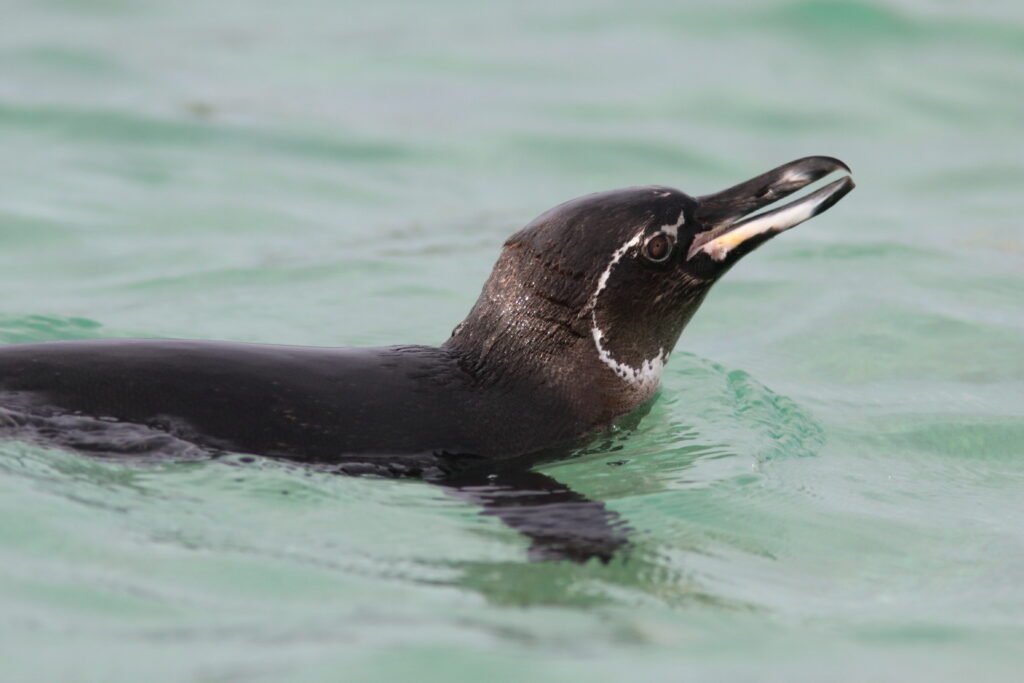
The big adventure was our trip to the South American Countries, which included Ecuador (both the mainland and the Galapagos Islands) and Peru. I already wrote a total of ten blogs on that adventure and barely touched the scope of the experience. Of the 464 species we found while in South America (our first trip to that part of the world), 394 were birds I had never seen before—Life Birds. Maybe the biggest bird highlight of the whole trip was having a Galapagos Penguin swim up to me and stare me in the face while I was snorkeling.
Returning to the states in August, I continued to bird Eastern Pennsylvania and New Jersey at least once a week through the end of the year.
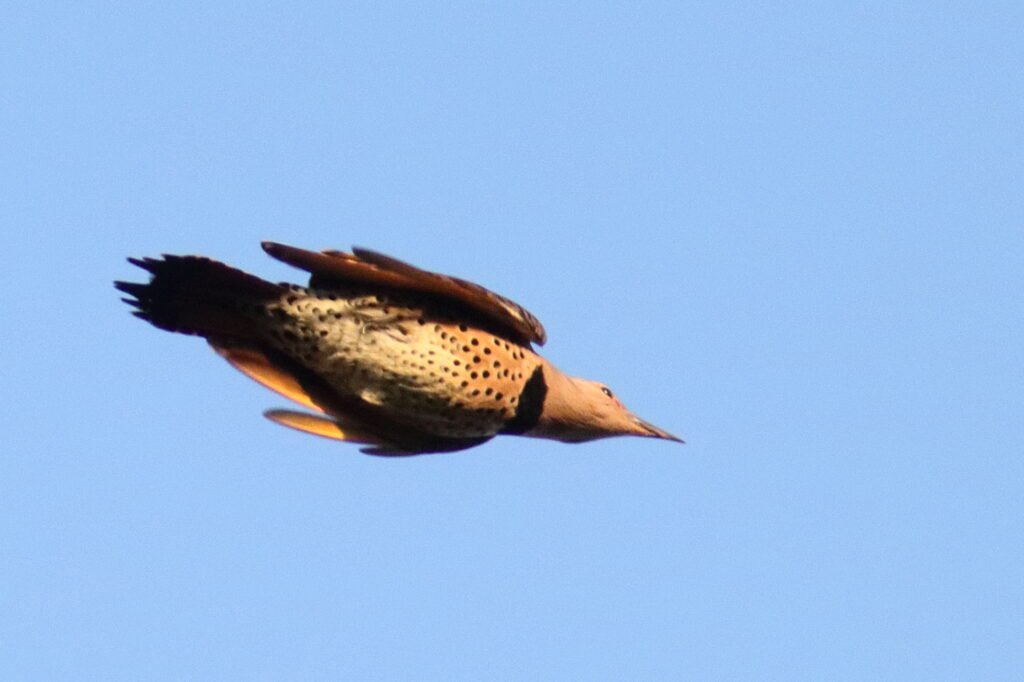
We made a five-day trip to Cape May, NJ, during mid-September, the height of warbler and Broad-winged Hawk migration. We only found 130 species; a disappointment! Most years, Cape May would be hopping with birds. Days with over 100 species is the norm. The dates of our visit coincided with the peak of the Broad-winged Hawk migration where hundreds if not thousands of birds normally pass through. We saw 18. Over 5 days, we would only find 15 species of warblers. Though the 126 Northern Flickers blasting through were nice.
On the way to see the family for Thanksgiving in Massachusetts, we stopped in Rhode Island as I wanted to add a few birds and a new ebird state to my records. One of the fun sightings happened as we were in the car watching a flock of Snow Buntings feeding in a grassy parking lot. An American Herring Gull swooped in carrying a crab big enough to be a legal catch for a person. While fending off other gulls and not paying close attention, the crab grabbed the tongue of the gull and hung on while the gull tried desperately to fling the crab off. The crab eventually dropped off as the gull flew away. No, this isn’t a Disney style story of the prey getting away. Another gull quickly dispatched the crab and had dinner. Eileen and I wondered if that one gull would continue to hunt crabs.
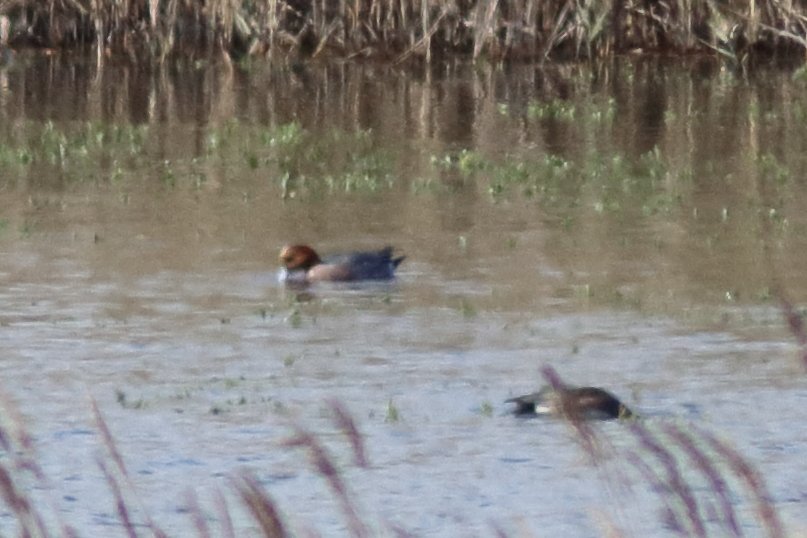
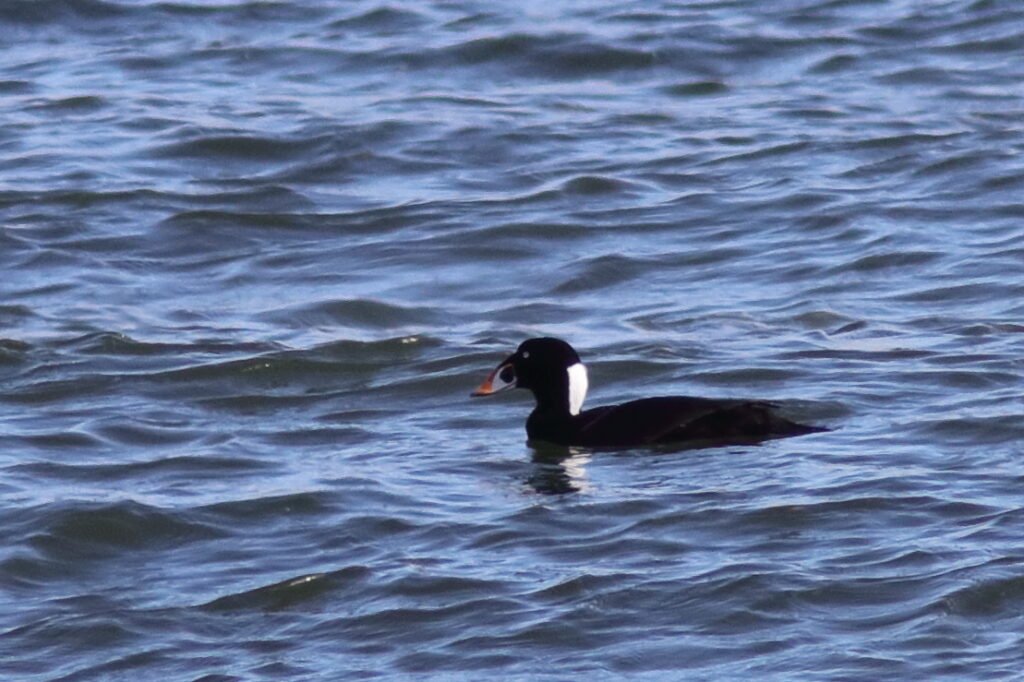
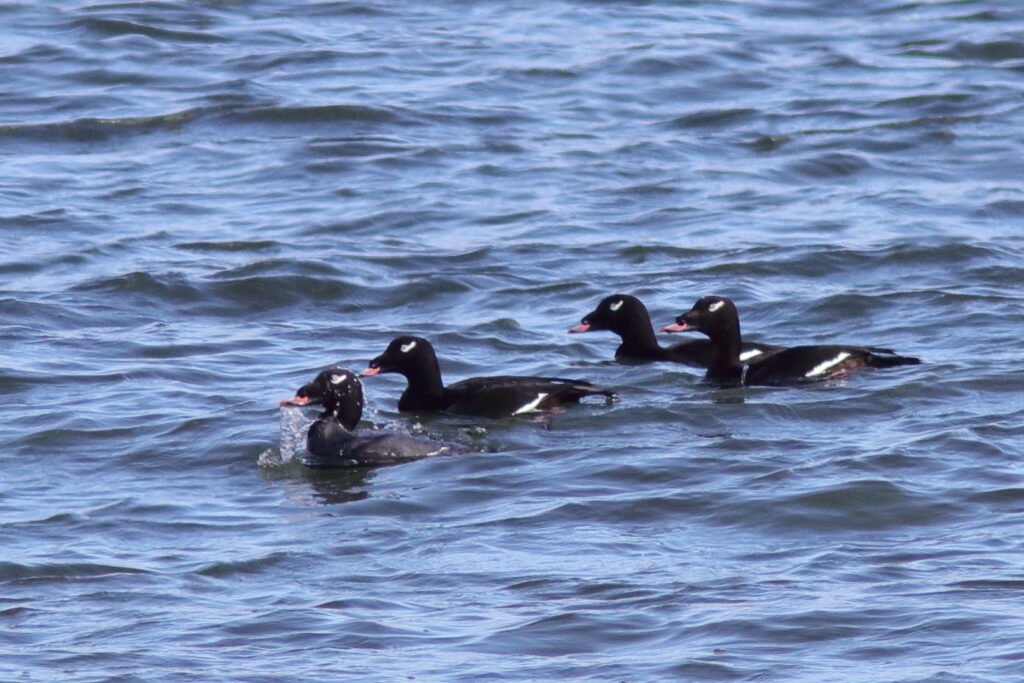
Going north into Massachusetts produced some birds we normally don’t find, birds like Lapland Longspur (bird I had not seen in years), Eurasian Wigeon, Surf Scoter and lots of White-winged Scoters.
In December, I participated in two additional Christmas Bird Counts. I have only missed the most local one, the Southern Bucks County, PA Count once since 1981. Who knows why my brother chose that day to get married. The other count, the Cape May County, NJ County count I’ve been doing consistently for at least 20 years. It turned out to be one of the most miserable days of birding I have ever experienced. At dawn, the rain turned to sleet, then the sleet turned to wet snow. Slowly the snow accumulated several inches and the wind picked up to gale force winds. Yuck. We recorded 51 species, a low count for that part of the state.
You can see that I really enjoy birding on many different levels. I like watching the feeders in my yard. I like exploring local patches. I like participating in science, and I like traveling. The year 2025 provided many opportunities.
What will 2026 bring? I am ready to find out! The only trip currently planned is to Magee Marshes’ Biggest Week in Birding festival. This will be the first festival I have ever attended.
Leave a Reply