
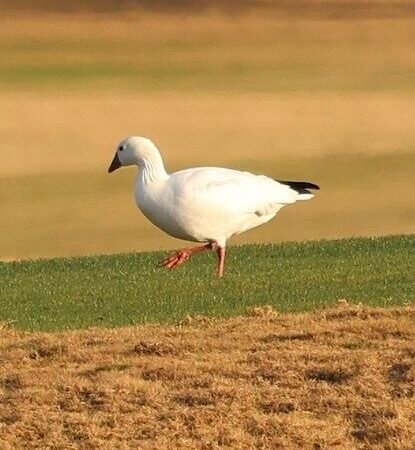
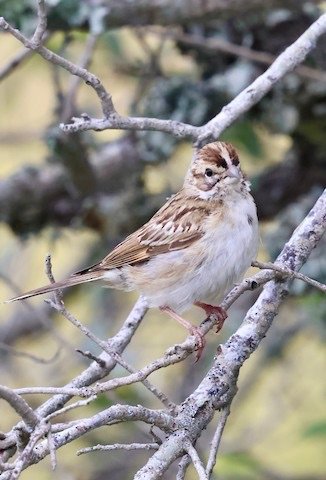
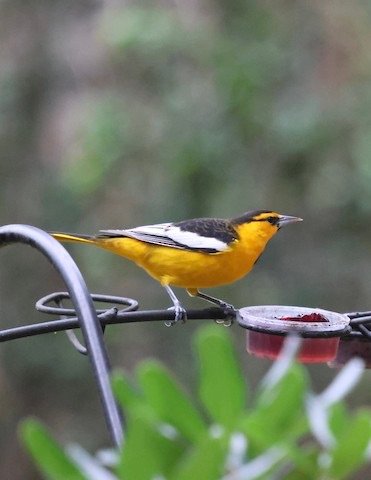
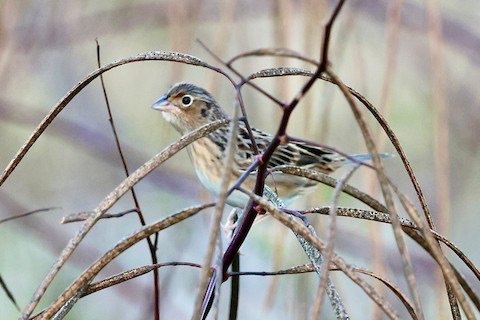
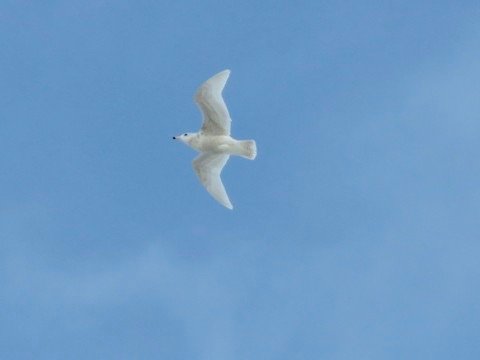
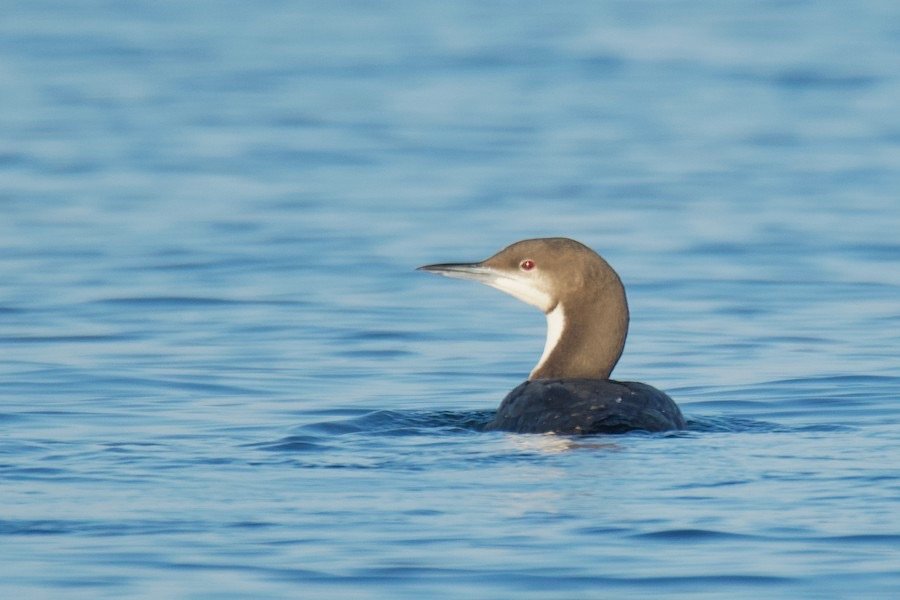
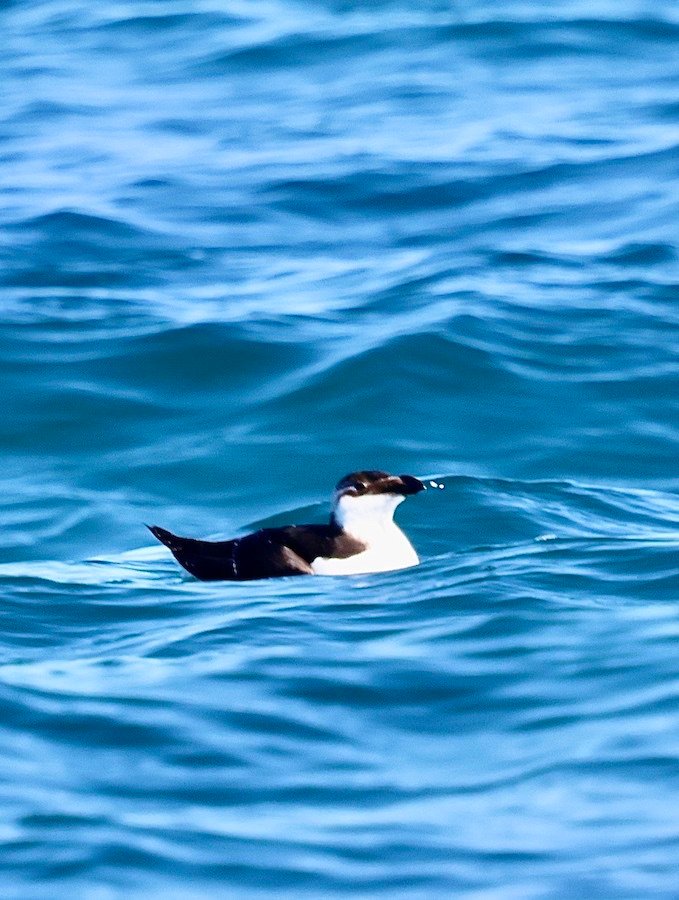
No doubt there has been a flurry of rare birds showing up in South Carolina locally and in the Lowcountry lately. Some notable species are the Burrowing Owl at Fort Sumter, Trumpeter Swan near Spartanburg, Snail Kite recently at Santee Coastal Reserve, Glaucous Gull at Deveaux Bank, Pacific Loon on Lake Murray, Ross’s Goose at Patriot’s Point, Bullock’s Oriole in Mount Pleasant, Razorbill offshore at the Charleston jetties, the list goes on and on. This past winter was a banner year for sparrows in the Charleston area with Vesper, White-crowned, Clay-colored, Lincoln’s, Grasshopper, and Lark Sparrows all being here and observed by many, and most present at the brush pile area of Patriot’s Point (now off limits). From waterfowl, hummingbirds, waterbirds, and seabirds to flycatchers, vireos, sparrows, and warblers, there appears to be more rare birds being detected in the state and locally. Is this a reflection of more rare birds appearing here, more birders out there observing birds, or are multiple factors at work for this phenomenon?
I will briefly discuss some factors that influence bird movement and might help explain what we are seeing. I’ll start with what you always hear birders say, and that is “birds have wings!” That is true, all birds we see here do have wings and are capable of moving long distances, but some rarely show up in the state, and some are not strong flyers. So, what are the mechanisms for movement and why are these birds here?
Birds migrate via internal controls, visual cues, celestial navigation and geomagnetic navigation, all influenced by weather, photoperiod, and even sound and smell. Some birds move in relation to lack of food (northern finches) and some move following movement of preferred food sources (Limpkin and Snail Kite). Additional descriptions of bird movements are called drift, dispersal, misorientation/disorientation, and movement due to human disturbance, mostly self-explanatory. Birds have an incredible ability to travel long distances and given all of the various factors influencing bird movement, let’s talk about some of the rare birds we’ve been observing over the past year and why they may be here. This will give you insight and knowledge into future migrations, weather events, and appearances of “rare” birds locally and in South Carolina, and when and where to get out and look for some of these species.
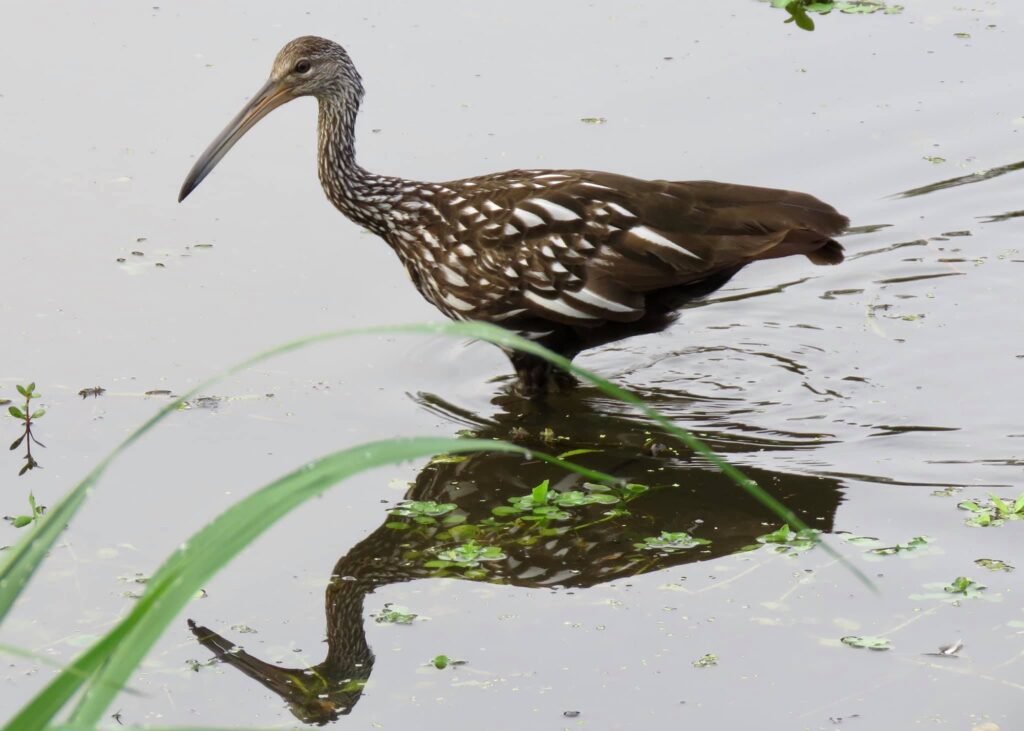
To begin with, I want to briefly present three well-known species that are here now that were not here historically, were once rare, but are now common to see, and have moved to this area because of multiple reasons. These are Wood Stork, Roseate Spoonbill, and Limpkin. When I moved here 37 years ago Roseate Spoonbills and Limpkins were essentially unheard of in this state. Any individual showing up of these species created a frenzy among birders to find them and observe them. Today, Roseate Spoonbills and Limpkins are both known to nest in the state, with successful nesting first documented in 2020 for both. I am currently writing a paper on the range expansion of Limpkin into the state, and South Carolina Department of Natural Resources personnel documented the nesting near the Edisto River in a publication in The Chat. For the Wood Stork, they were unknown in South Carolina until the 1970s, and now South Carolina has over 20% of the US population. While we don’t consider these birds rare any longer, I wanted to use these species as examples of birds that were once rare yet are now fairly common and nest in the state, demonstrating major range changes over time. Roseate Spoonbills and Wood Storks moved out of Florida due to major and significant declines in food availability and quality, and stellar conservation efforts in coastal South Carolina, providing high quality habitat for these birds to move to. The range shift in Limpkin is due to the invasion of the exotic Apple Snail across the southeast United States, and several authors have noted that as the snail has spread, so has the range of the Limpkin, north to South Carolina and as far west as Texas. These three once rare species are now relatively common and have shifted range due to food source availability and excellent wetland conservation efforts in South Carolina.
Now let’s look at the various levels of “rarities” in the state: 1) local, 2) seasonal, and 3) true vagrants.
Local rarities might be species that are common in one part of the state, yet rare in other parts of the state. Not too many species fit this example, but one might think of Limpkin as locally rare even though they nest in the state, and in fact do show up rare in eBird. Roseate Spoonbills are common locally, but when observed upstate are noted as rare. More often many coastal species are observed in the upstate, common here, yet rare in the upstate. Ranges of birds are shifting north due to climate change and a major reason we are seeing more coastal and wading birds upstate. One excellent resource to read is Audubon’s research on range shifts due to climate change, this study demonstrating that the winter range in 186 of 306 species studied has shifted significantly northward, and which could be a factor in why we are seeing some birds remain here for the winter, and some birds further south showing up here. Furthermore, breeding ranges of many species are shifting north as well, increasing the probability of seeing more Florida specialties in the future.
By far most of our rare species occur on a seasonal basis. No matter whether the occurrence is local, seasonal, or vagrancy, the common theme here is migration, with a few exceptions. Migration itself is an extremely complicated movement of birds across our landscapes and influenced by many factors. Only one of our recent rare birds is non-migratory and that is the Burrowing Owl found at Fort Sumter. Since this bird seems to be the outlier for getting here as a non-migratory bird, I’ll discuss this bird first. I say this bird is non-migratory, but there are 25 subspecies of this owl known. However, the owl at Fort Sumter has been agreed upon to be that of the Florida subspecies, which is the non-migratory subspecies. So how did this bird get here and wind up at Fort Sumter? There are very few records of this subspecies in South Carolina, and some have suggested by ship, by car or truck, someone even suggested a previous record was transported with landscaping materials in a truck from Florida, no one really knows. Just recently I saw a news article where two Burrowing Owls of the Florida subspecies were “repatriated” to Florida from Spain after they hitched a ride on a cruise ship. Did the Fort Sumter owl hitch a ride on a cruise ship to Charleston Harbor? Your guess is as good as anyone’s, but birds do have wings and can fly. eBird data does show this species range shifting north, so as species move closer to our state, it’s entirely possible that we will see more species that occur in Florida appear here due to ranges shifting north, and them having wings with the ability to fly long distances. Earlier I mentioned the range shift of Limpkin out of Florida into Carolina and other southeastern states due to the movement of the Apple Snail, and this appears to positively influence the population growth and range expansion of the Snail Kite in Florida as well. As the exotic Apple Snail has marched northward, so has the range of Snail Kite, and the population has increased more than triple since it’s low point in the early 2000’s. The increased numbers and closer proximity to South Carolina could be a factor in why a Snail Kite recently showed up at the Santee Coastal Reserve near McClellanville.
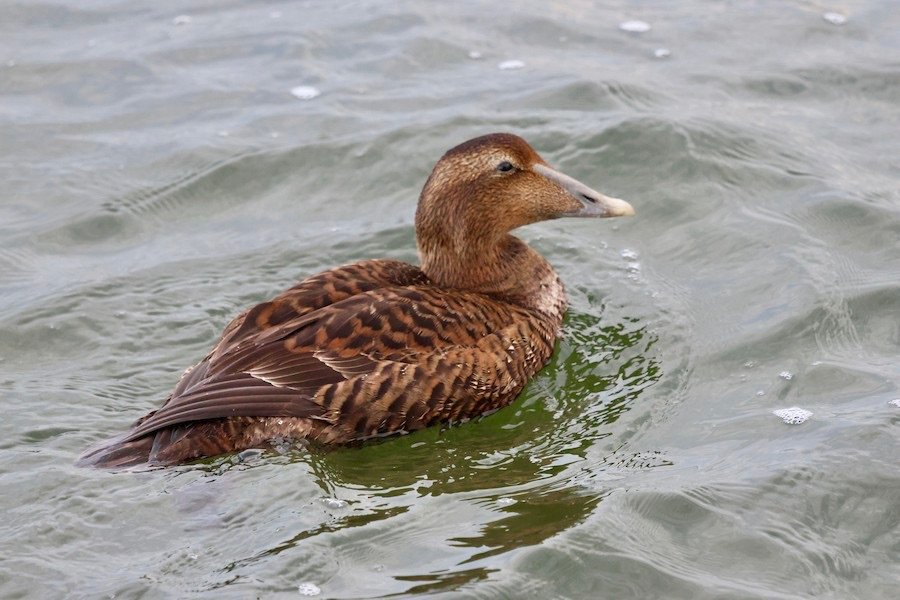
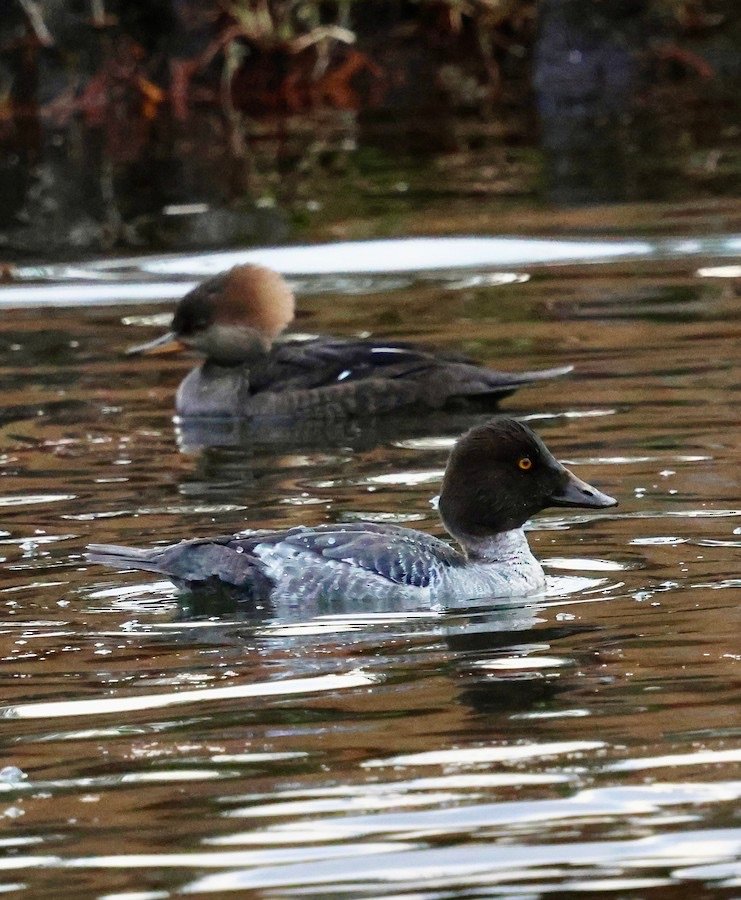
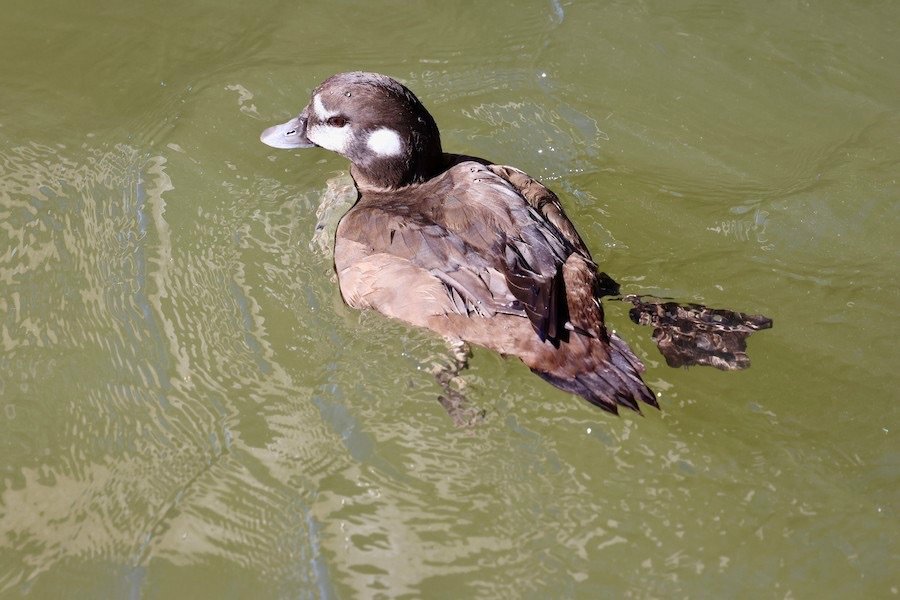
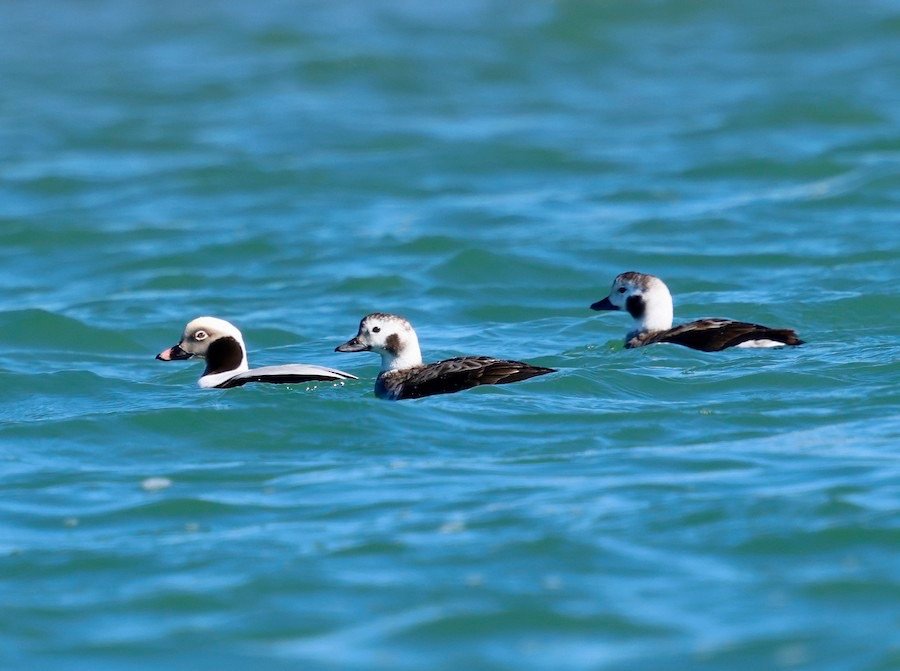
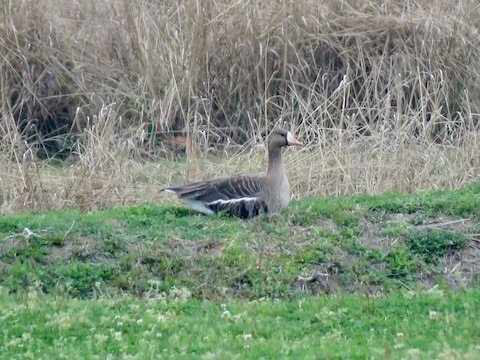
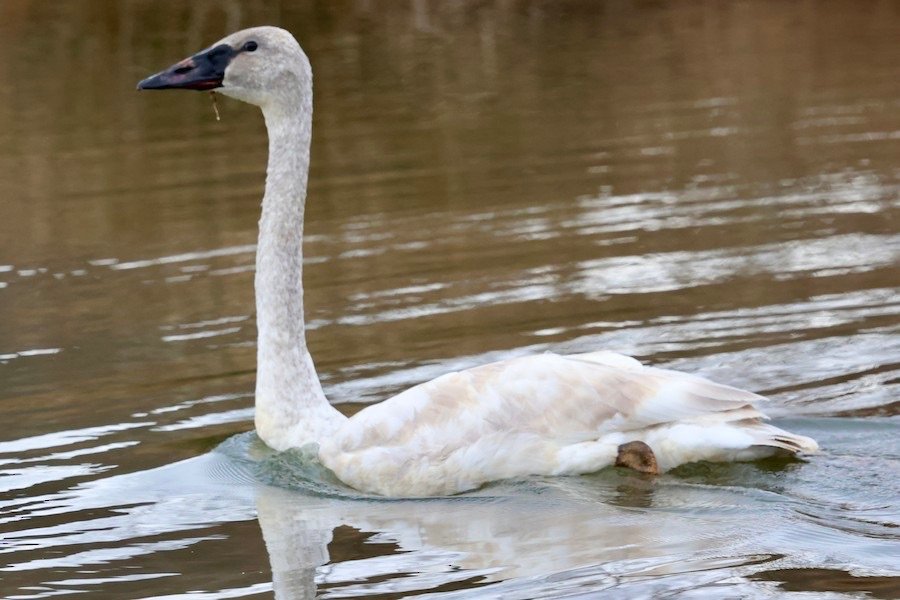
We have few resident waterfowl in the state, primarily Wood Duck, Black-bellied Whistling Duck, and Mottled Duck. A few Hooded Mergansers are known to nest in small numbers, but birders look forward to the winter for the appearance of ducks that nest to our north and visit our refuges, state wildlife management areas, parks, rivers, bays, and ocean during the winter. Everyone is mostly familiar with the common species, but this past year several species have shown up to the delight of birders, including Harlequin Duck, Common Eider, Common Goldeneye, Long-tailed Duck, Greater White-fronted Goose, Ross’s Goose, Snow Goose, and Trumpeter Swan. These species typically spend the winter north of here, both on land and the ocean. All have been recorded in the state, yet this past winter all these species were here. For those species that winter inland and further north, the extreme weather and temperatures froze many lakes and lands suitable for foraging and therefore were forced to move further south than is typical, and with these birds having wings, many showed up here. For the oceanic and nearshore ducks, extreme temperatures also pushed the cold-water wedge further south, shifting forage fish further south, and with the extreme winds (nor’easters), many of the sea ducks pushed a bit further south, and we were able to find them here. When I first moved here, the geese (Snow, Ross’s, Greater White-fronted) were fairly common at the Santee National Wildlife Refuge, yet over time these geese gradually declined in their use of the refuge, likely due to climate change and winter ranges shifting north, and with the extreme cold winter in the US this year, some of those birds did move further south. Other northern species of seabirds and shorebirds that have shown up further south here are Razorbill just offshore of the Charleston jetties, Glaucous Gull (Seabrook and Deveaux Bank, found by Judy Morr), dozens of Purple Sandpipers (Fort Sumter and Charleston jetties), Black-headed Gull (Huntington Beach State Park), and Pacific Loon (Lake Marion). A Red Phalarope showed up near Spartanburg, typically an oceanic migrant, but showed up inland, and dozens of Red Phalaropes were observed recently just offshore of the Charleston jetties. Another seabird, the Roseate Tern, is often overlooked yet migrates through South Carolina to and from its breeding and wintering areas. The past few years it has been observed at Huntington Beach State Park, including last summer, often overlooked due to its similarity in appearance to other terns such as Forster’s Terns. The key is to examine each tern, and yes, that is often a lot of birds to sort through, yet that is how these rarities are detected. Another good example is how often do you look through each cormorant for one of the rarities, such as a Great Cormorant or a Neotropic Cormorant? As the saying goes, “Bird every Bird!”, and you may find a rare bird!
In the next blog, and now that you know a bit more about our rare waterfowl and seabirds, I will focus more on sparrows, songbirds, “irruptive” species, and true vagrants, and why we may be seeing these birds.
Written by Craig Watson
Photos by Craig Watson, unless otherwise noted
Feature Photo: Ross’s Goose
About Craig:
Craig currently resides in Mount Pleasant, South Carolina where he previously worked as a full time migratory bird biologist for the U.S. Fish & Wildlife Service (retired three years ago). Craig moved to South Carolina 37 years ago and began his career with the U.S. Forest Service managing Red-cockaded Woodpeckers, particularly after Hurricane Hugo decimated the habitat and population of the woodpeckers. Craig transitioned into his position with the U.S. Fish & Wildlife Service 28 years ago, where his primary duties were securing funds for bird habitat
conservation from North Carolina to Puerto Rico. His most recent effort was the newly released Black Rail Conservation Plan, working on this species for the last 6 years of his career.
Craig was past Chair of the Grants Committee Carolina Bird Club (CBC) and served as Vice President of the CBC. Craig worked for Ventures Bird Tours several years and has retired from that work as well, but still volunteers with local groups. He is a trip leader for various birding
festivals in the US, including the North Shore Birding Festival in Lake Apopka area in Florida, and The Biggest Week in American Birding on the shores of Lake Erie. Craig participates in many Christmas Bird Counts and leads other local birding activities. Craig spends most of his time exploring and birding, and spreading the word about birds!
Leave a Reply