
On October 12, 20 SIB members participated in October Big Day otherwise known as World Migration Day. eBird reports: birders from every continent on earth came together for an extraordinary celebration of birds, nature, and the power of participatory science: October Big Day. In just 24 hours, this event united birdwatchers in 201 countries in a shared goal—recording and appreciating the diversity of birdlife that surrounds us. The result was nothing short of inspiring, as more than three quarters of a million birders collectively contributed to the most successful October Big Day ever, breaking a world record with more than 7,800 species being documented in a single day.
The day had scheduled walks on the island but also encouraged members to report the birds seen wherever they were. Clapper Rails were heard and Roseate Spoonbills were among the 22 species identified in a little over an hour at the Crab Dock which was the first scheduled stop of the day. The highlight may have been the first of the season Ruby Crown Kinglet flittering in the bushes. New arrivals, Palm Warblers, were there in high numbers.
The second stop was a walk around Palmetto Lake. The birds were so numerous and varied it took us almost 3 hours to transit the half mile around the lake. The 12 species of warblers showed why it was called World Migration Day. The list includes these warblers: Black-and-white Warbler, Common Yellowthroat, American Redstart (25 individuals so we just started saying “just an American Redstart), Northern Parula, Magnolia Warbler, Yellow Warbler, Blackpoll Warbler, Black-throated Blue Warbler, Palm Warbler (plenty of these too), Pine Warbler, Yellow-throated Warbler, and Prairie Warbler.
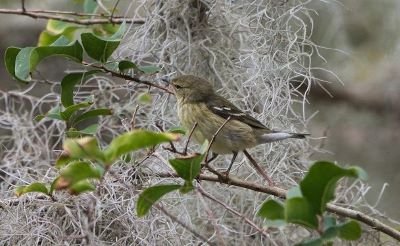
The Blackpoll Warbler was a “life bird” for several of us on the walk. We originally identified it as a Pine Warbler until Avi Morgan correctly challenged our identification. Susan Markam’s pictures were sent independently to Craig Watson and Bob Mercer who confirmed Avi’s ID.
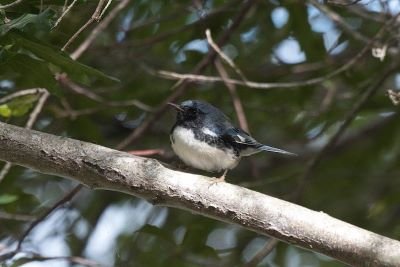
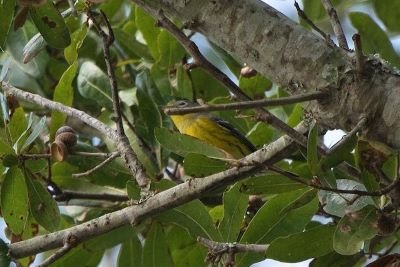
The Black-throated Blue Warbler and the Magnolia Warbler were also good migrants to be able to see for the day.
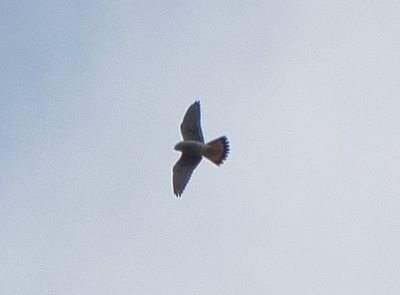
With 53 species at Palmetto Lake, there were obviously many of the “normal suspects” seen as well. An American Kestrel and 5 Roseate Spoonbills flying overhead were among the crowd pleasers.
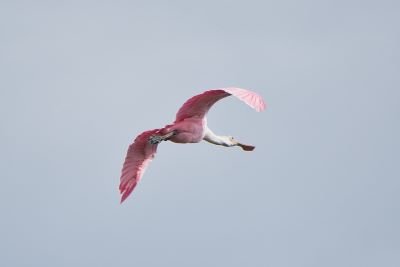
The afternoon started with a trip down Jenkins Point Road. Both Yellow-Crowned Night Herons and Black Crowned Night Herons were seen. This was where we also saw the only Common Gallinule and Greater Yellowlegs of the day. We saw 32 species in about 1.5 hours. Gene Rochester was happy to see the Roseate Spoonbills since he left Palmetto Lake before their appearance there.
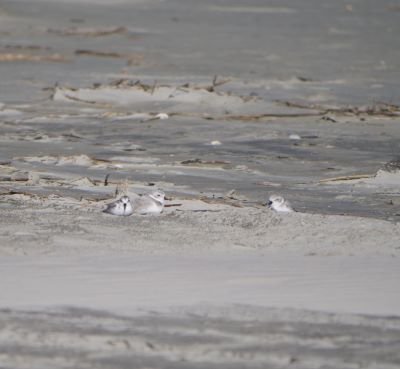
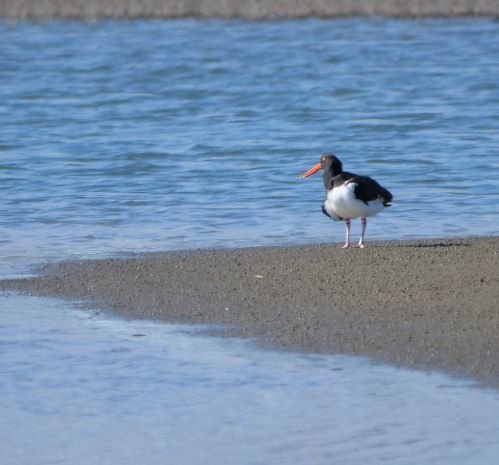
North Beach was a pleasant walk at high tide. 28 species were identified. It’s hard to say if the highlight was the 7 Piping Plover cuddled down beside a minimal pile of sand or American Oystercatcher U5 by the lagoon or maybe the estimated 150 Black Skimmers and 200 Royal Terns hanging out on the Kiawah side of the river.
The scheduled walks ended by comfortably sitting in our chairs at the Equestrian Center and letting the birds come to us. As dusk was settling in, bird identification became a challenge. 7 species were identified including 3 Killdeer previously unseen during the day. In total, 79 species were seen on the scheduled walks.
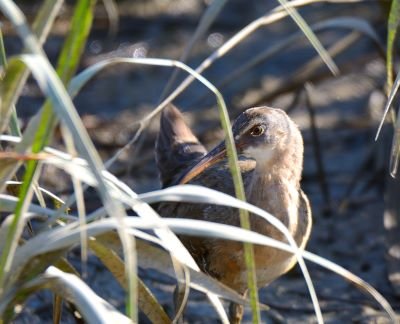
Of course members were asked to share their sightings wherever they birded. Some of the notable sightings were Jennifer Jerome seeing 30 species at her home. That included the only report of a Swainson’s Thrush, a Baltimore Oriole, and Painted Bunting. Gina Sanders was at her home in Greenville and reported 36 species which included a Golden-crowned Kinglet and her frequent recent visitors of Rose-breasted Grosbeak. Dean Morr birded Middledam Court and got a good picture of an elusive Clapper Rail. Rob Jerome had the last report of the day when he heard the Great Horned Owl at 10:30 that night.
In total, SIB members reported 99 species for the day. If you forgot to share your sightings, there is still time. It was a good day and we look forward to some of the upcoming long days….Christmas Bird Count (Sea Islands in early January) and Great Backyard Bird Count in mid-February.
Submitted by: Judy Morr