
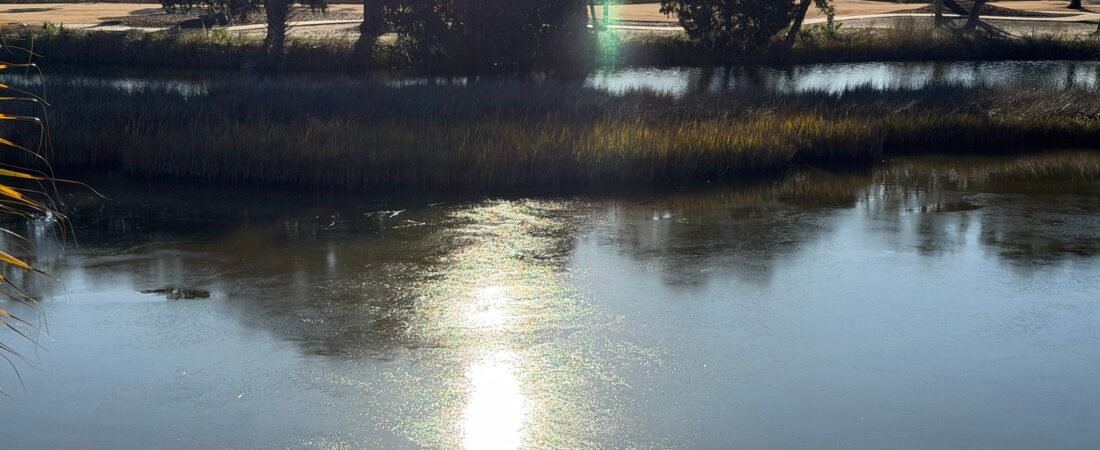
When cold weather strikes, and snow is in the forecast, we often wonder how our feathered friends survive these Arctic blasts. Over the last few days, with very low temperatures, snow, ice, and single-digit windchills, we’ve shared photos on our social media of our local birds coping with the change in weather.
We all know birds have thick down and feathers, and they fluff those feathers to create insulating air pockets that trap body heat and keep them warm. But there’s more than just feathers keeping them warm.
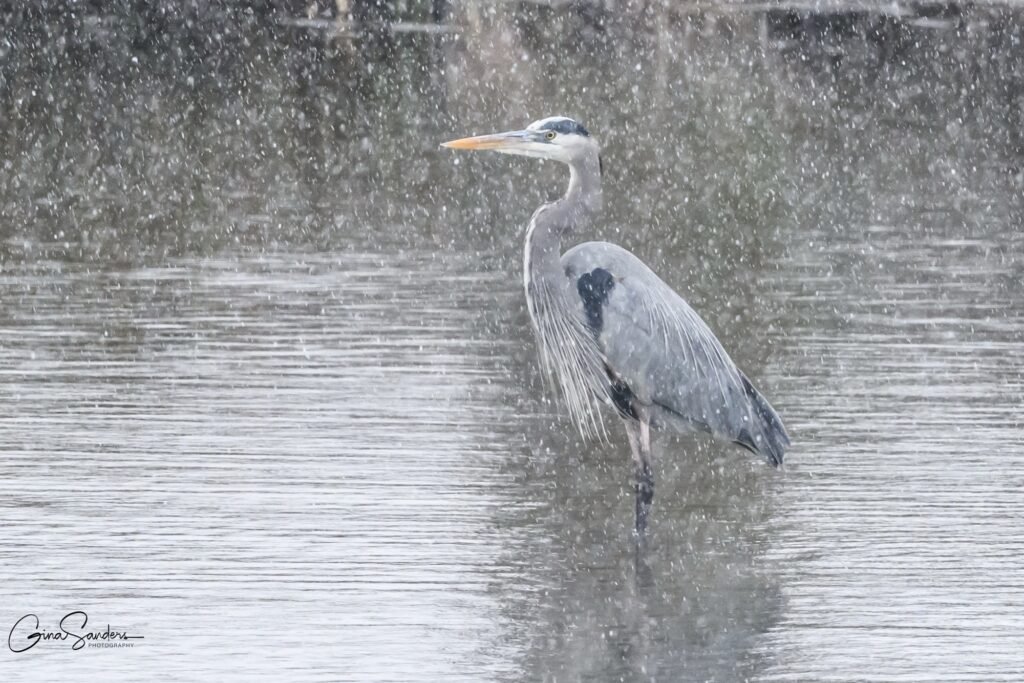
For instance, this Great Blue Heron standing in very cold water in the midst of a snow shower, why doesn’t his/her feet get cold? It turns out that wading birds and ducks have something called “countercurrent exchange.” Ornithology.org explains it as this: “…a pair of veins running closely on either side of an artery. The warmer arteries pass on some of their heat to the colder veins, returning some warmth to the heart but still providing enough heat to the legs and feet to keep them from being frostbitten.”
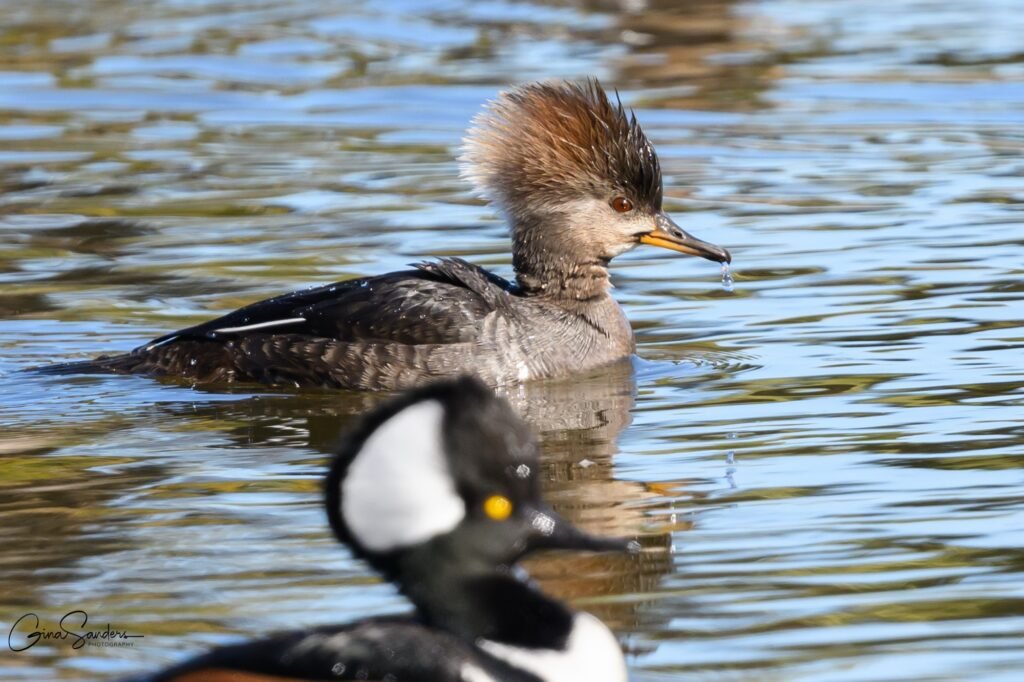
We have numerous Hooded Mergansers on the island in winter, and they, too, benefit from countercurrent exchange. Reading further we find out that “a duck standing on ice will lose body heat, but only five percent of that loss will come from its feet. Blood also serves to supply oxygen and nutrients to the feet and legs, but there is not much muscle there so little blood is needed. The muscles that operate the feet and legs are mainly concentrated in the upper leg and utilize long tendons for mobility.”
Even a layer of ice on the water’s surface isn’t enough to slow down our mergansers as they’ll simply dive under the ice, or forage around the edge of the broken ice, as seen in this video.
The countercurrent exchange process is not unique to birds, either. Arctic foxes, wolves, and sled dogs use this mechanism to keep their paws from freezing in snow and ice. Seals and whales use similar mechanisms to manage heat loss in cold water.
Another interesting post on Facebook this week comes from a group at Folly Beach, SC. In this post, a group of White Pelicans, cormorants and dolphins were having a non-stop feeding frenzy on the local fish. What we learn from this observation is cold weather causes fish to become lethargic, slowing their metabolism, heart rate, and movement to conserve energy as their body temperatures drop with the water temperature. Not so good for the fish, but easy hunting for the birds and dolphins.
If you happen to be on Facebook or Instagram, but don’t follow Seabrook Island Birders’ page, we invite you to. We post daily photos of our local birds and wildlife, birds seen on our travels, and highlights from our programs and events. Here are some quick links to our page.
Facebook – Seabrook Island Birders
Instagram – Seabrook Island Birders
To learn more about Countercurrent Exchange in birds, click here.
To learn more about fish and their reaction to cold water, click here.
Submitted by Gina Sanders
Photos and video by Gina Sanders