
Latest posts
-
SIB “Bird of the Week” – Northern Flicker

Northern Flicker – Colaptes auratusLength: 11-12.2″; Wingspan: 16.5-20.1″; Weight: 3.9-5.6 oz. Northern Flickers are large, brown woodpeckers with a gentle expression and handsome black-scalloped plumage. On walks, don’t be surprised if you scare one up from the ground. It’s not where you’d expect to find a woodpecker, but flickers eat mainly ants and beetles, digging for them
-
SIB “Bird of the Week” – Black Skimmer

Black Skimmer – Rynchops nigerLength: 18″; Wingspan: 44″; Weight: 11 oz. We are among a lucky few to have the Black Skimmer along our beaches. As you can see from the map below, this dramatic and beautiful bird populates only a very small portion of the United States. Aside from its striking black and white
-
SIB “Bird of the Week” – Piping Plover
Piping Plover – Charadrius melodusLength: 7.25″; Wingspan: 19″; Weight: 1.9 oz. The Piping Plover is a small shorebird that has gotten a lot of attention at Seabrook. It doesn’t nest here, but Seabrook is an important stop for it in migration to feed. It’s feeding habitat has seriously declined since many coastal beaches have been lost to
-
SIB “Bird of the Week” – Little Blue Heron
Little Blue Heron – Egretta caeruleaLength: 22-29”; Wingspan: 40”Below is a confusing bird to identify. It’s a Little Blue Heron in what is called “first year” plumage. When a Little Blue is immature (i.e., during the year in which it is born), it is totally white. Until a birder has mastered the characteristics of our local white egrets,
-
SIB “Bird of the Week” – American Redstart
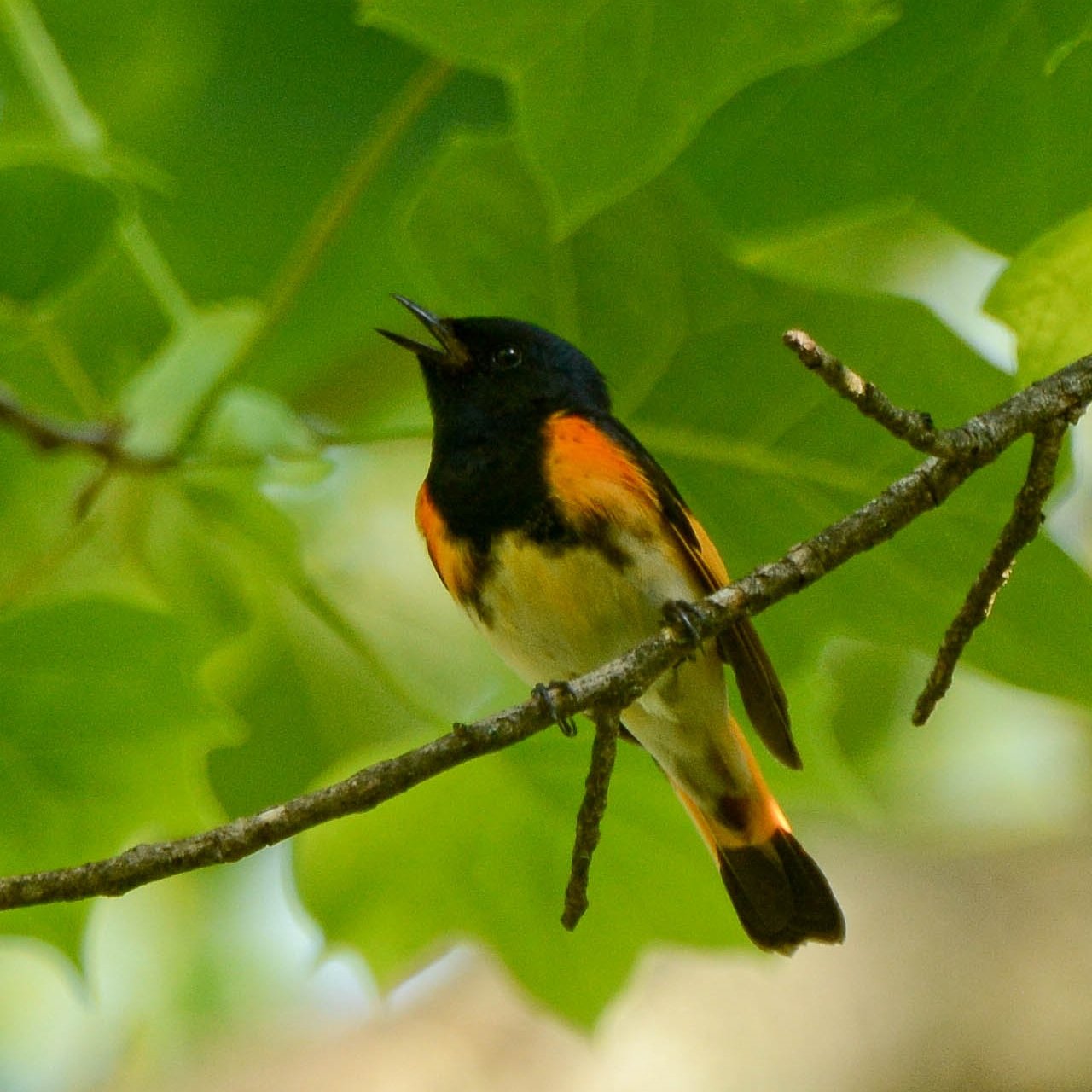
American Redstart – Setophaga ruticillaLength: 5.25″; Wingspan: 7.75″; Weight: 0.29 oz. While the American Redstart is a wood-warbler and part of the Parulidae Family, it is the only warbler species in the Setophage Genus. David Sibley, in his Field Guide to Birds index, does not list it among the warblers, but alone under Redstart. They do migrate, in treed habitats, along the SC
-
SIB “Bird of the Week” – Carolina Wren
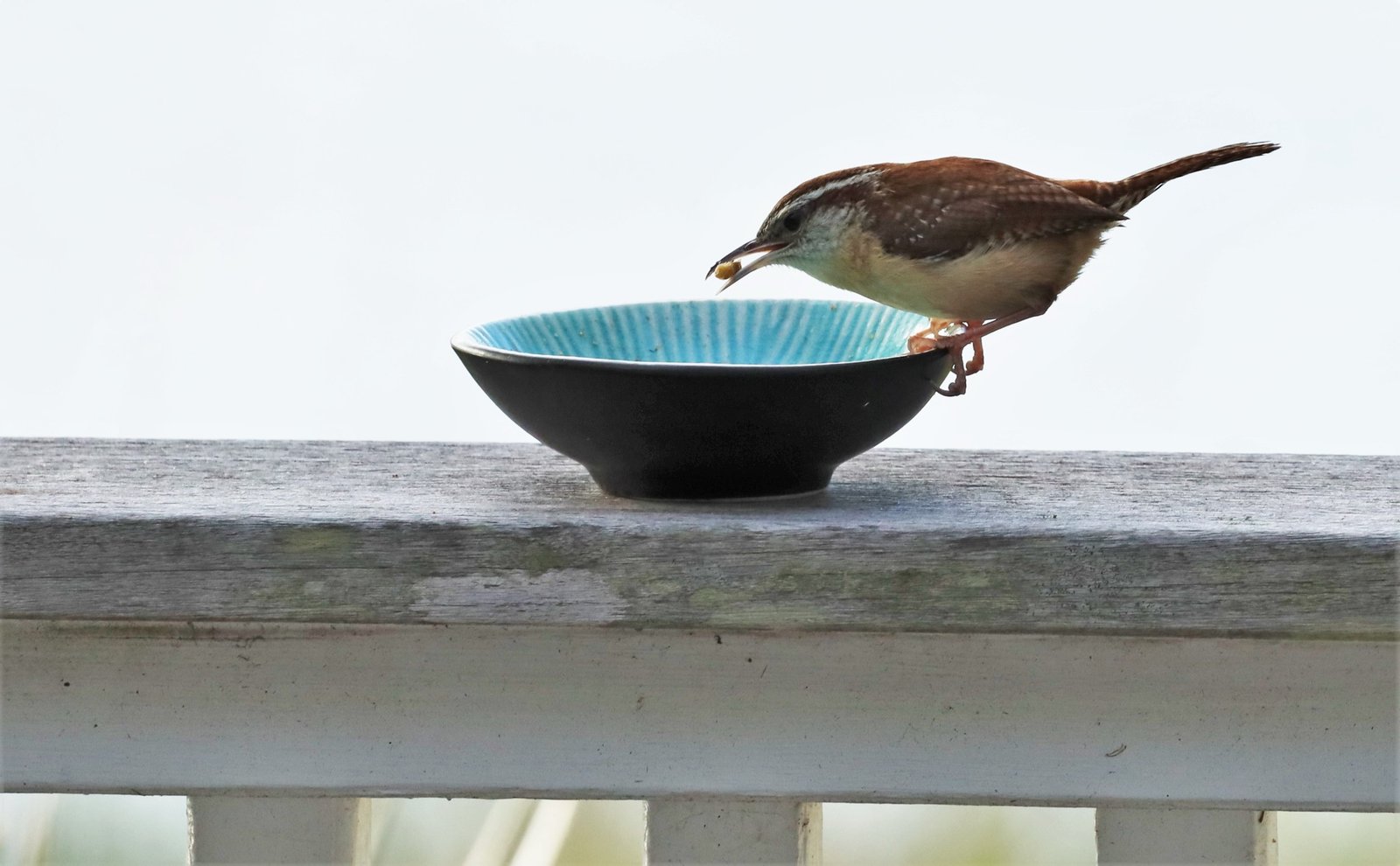
Carolina Wren – Thryothorus ludovicianusLength: 5.5″; Wingspan: 7.5″; Weight: 0.74 oz. The Carolina Wren is the state bird of South Carolina and sings tea-kettle, tea-kettle, tea-kettle tea. It is a small but chunky bird with a round body and a long tail that it often cocks upward. The head is large with very little neck, and the distinctive
-
SIB “Bird of the Week”- Carolina Chickadee

The Carolina Chickadee (Poecile carolinensis) is a common bird to our area, as well as a great portion of the Midwest down to south Texas and east to central Florida, up to central New Jersey, and non-migratory so we see them year round. They are part of the perching songbird family called Paridae which consists
-
SIB “Bird of the Week” – Roseate Spoonbill
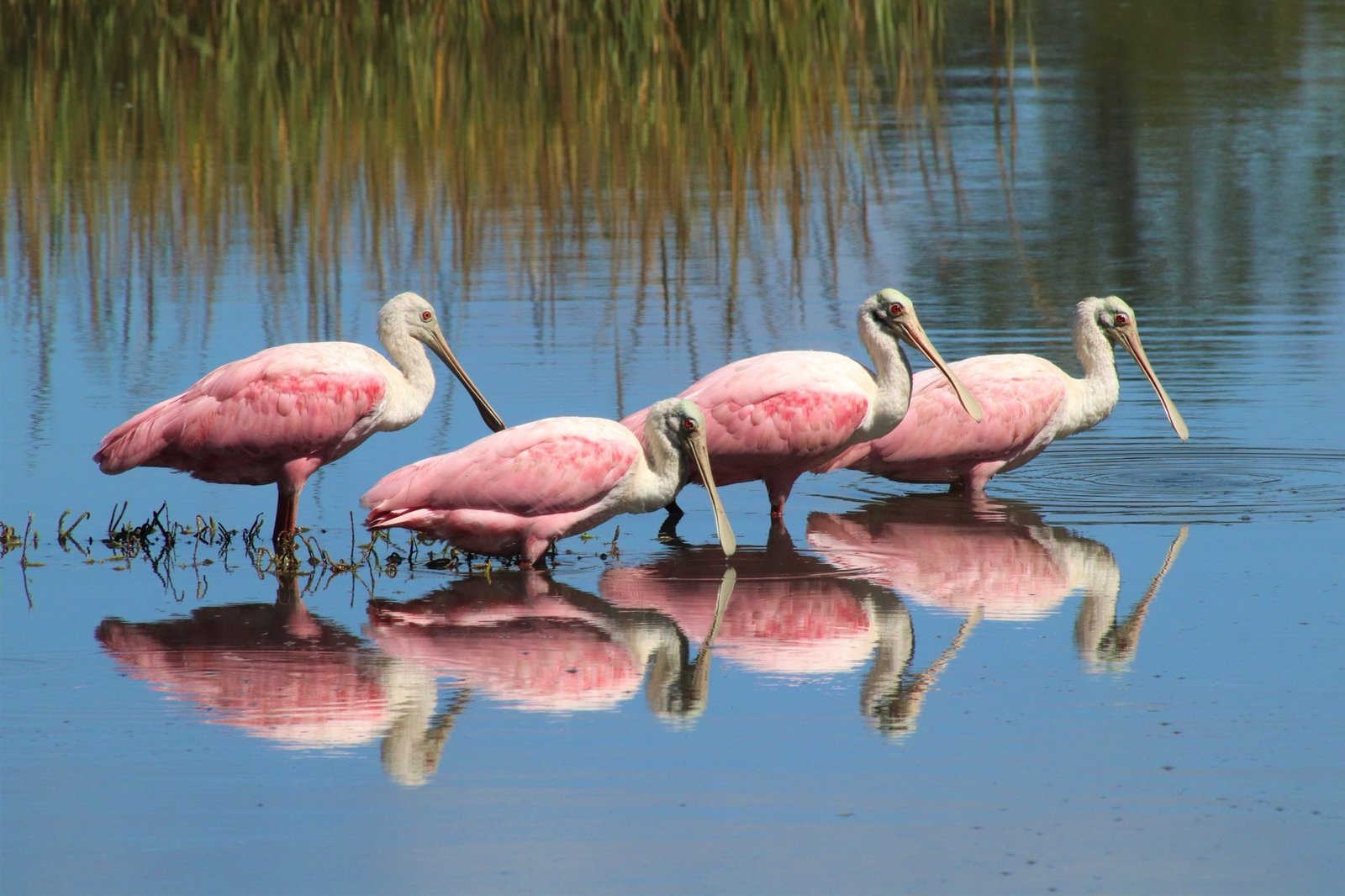
Roseate Spoonbill – Platalea ajajaLength: 32″; Wingspan: 50″; Weight: 52oz. The next time you see a Roseate Spoonbill, check out the long, flat, spoon shaped bill. Spoonbills feed by walking in shallow, muddy bottom water and tidal ponds foraging by sweeping their bill from side to side with it slightly open to sift up small fish,
-
SIB “Bird of the Week” – Laughing Gull
Laughing Gull – Leucophaeus AtricillaLength: 16.5″; Wingspan: 40″; Weight: 11 oz. Swirling over beaches with strident calls and a distinctive, crisp black head, Laughing Gulls provide sights and sounds evocative of summer on Seabrook Island. You’ll run across this handsome gull in large numbers at beaches, docks, and parking lots, where they wait for handouts or fill
-
SIB Bird of the Week – Wood Stork
Large, white Wood Storks wade through southeastern swamps and wetlands. It is a good flier, soaring on thermals with neck and legs outstretched. This bald-headed wading bird stands just over 3 feet tall, which makes it one of the tallest wetland bird. A whooping crane beats out the Wood Stork as tallest. Wood Storks breed