
Latest posts
-
Red Knot Update #4

As of August 29th, 2025, we have 11 satellite-tagged Red Knots still transmitting location data. Two were banded on March 30th and nine on May 18th—which we have now been tracking for 151 days and 102 days, respectively. Below are their flag codes: LC1 LM2 LN0 LN4 LN5 LN6 LN7 LN8 LP7 LP8 LM9 Here
-
SIB’s Article for the September Edition of “The Seabrooker”
In case you don’t receive it, or haven’t had a chance to read it yet, we hope you will enjoy The Seabrooker’s September 2025 SIB article. Seabrook Island Birders (SIB) contributed a full page article on Page 12!
-
SIB “Bird of the Week”- Carolina Chickadee

The Carolina Chickadee (Poecile carolinensis) is a common bird to our area, as well as a great portion of the Midwest down to south Texas and east to central Florida, up to central New Jersey, and non-migratory so we see them year round. They are part of the perching songbird family called Paridae which consists
-
2025 SI Eastern Bluebird Trail Season
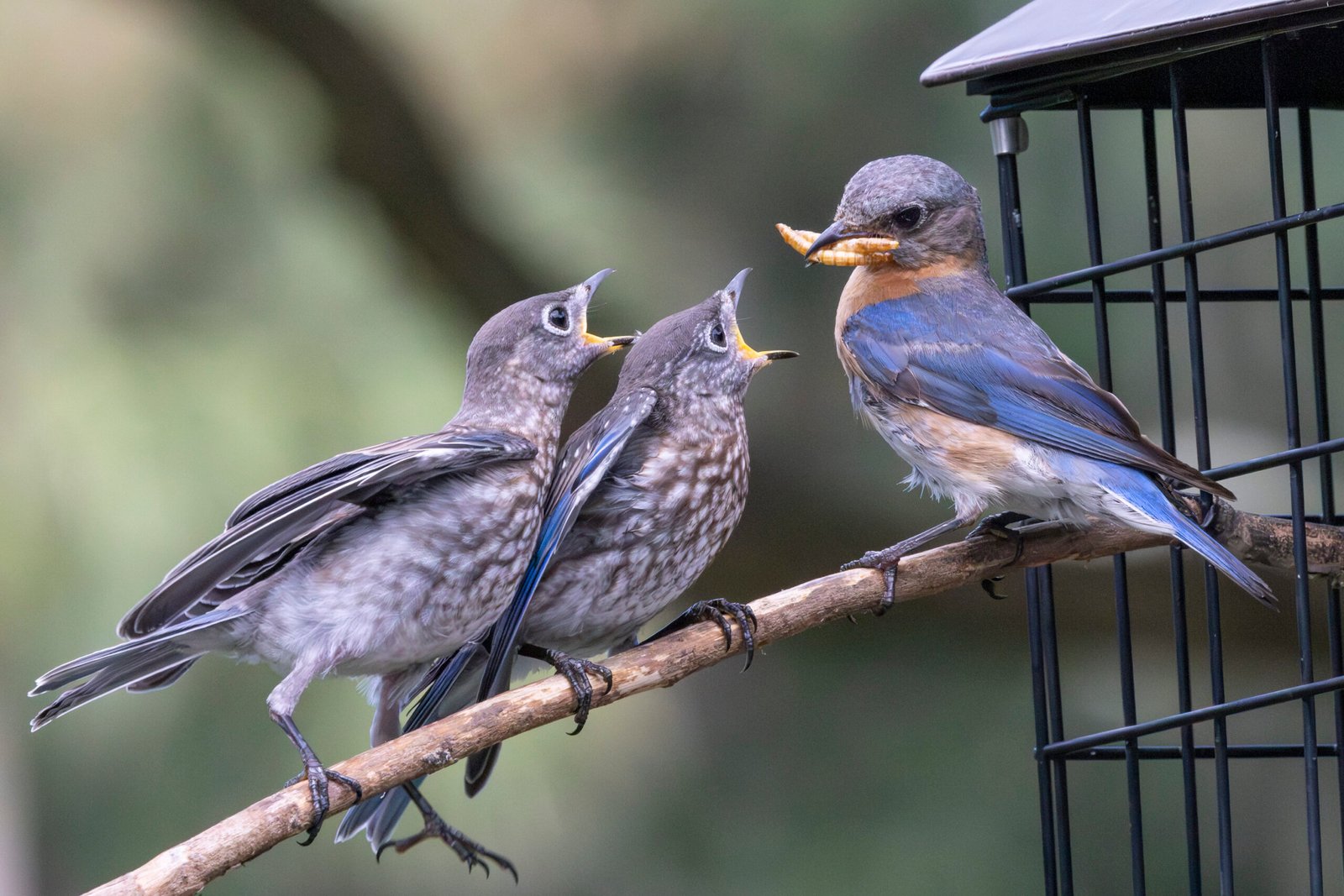
The beauty and vitality of Eastern Bluebirds depends on the efforts of a dedicated team of volunteers who monitor and protect their nesting sites. In this blog, we shine a spotlight on these unsung heroes who play a crucial role in conserving Eastern Bluebirds and share their inspiring stories. Our Eastern Bluebird Trails on Seabrook
-
SIB Reports: Shorebird Identification

Do you find shorebirds challenging to identify? Even the best birder has trouble with this bird group! And just when you think you’ve got it, they change in color as they molt and go through different seasons. With fall migration underway and our wintering shorebirds returning to our beaches, this is the perfect time to
-
SIB “Bird of the Week” – Laughing Gull
Laughing Gull – Leucophaeus AtricillaLength: 16.5″; Wingspan: 40″; Weight: 11 oz. Swirling over beaches with strident calls and a distinctive, crisp black head, Laughing Gulls provide sights and sounds evocative of summer on Seabrook Island. You’ll run across this handsome gull in large numbers at beaches, docks, and parking lots, where they wait for handouts or fill
-
SIB Reports: Storks and Corks

Audubon South Carolina’s Silver Bluff Sanctuary, near Aiken, SC, has managed stork feeding ponds that provide vital foraging and resting habitat for Wood Storks after the breeding season, and before their annual migration. To honor conservation success of Wood Storks, Silver Bluff holds an annual “Storks and Corks” event in late summer. This year, some
-
SIB Bird of the Week – Wood Stork
Large, white Wood Storks wade through southeastern swamps and wetlands. It is a good flier, soaring on thermals with neck and legs outstretched. This bald-headed wading bird stands just over 3 feet tall, which makes it one of the tallest wetland bird. A whooping crane beats out the Wood Stork as tallest. Wood Storks breed
-
Did you Know: How Birds Deal with Summer Heat

As we all escape to our air conditioning to avoid the South Carolina heat in summer, what do birds do to deal? David Sibley wrote a brief article on this that states: The activity patterns birds employ to survive the heat are generally what we would call “common sense,” and your strategies for finding birds
-
SIB -BIRD OF THE WEEK -Tricolor Heron

The Tricolor Heron can range in size from 25-30″ (64-76 cm). W. 3’2 (97 cm). Dark blue upperparts contrast with white belly and white stripe up fore neck. Base of bill and bare face skin are yellowish at most seasons, bright blue in breeding season. Slender shape makes this species look even longer-billed and longer-necked