
At the beginning of each season, we’ve briefly discussed birds arriving for that season. Many of our favorite birds are here all year. In fact, there are so many, let’s focus today on those we often seen in our backyard. The link in each description is a link to a “Bird of the Week” article previously published.

Carolina Wrens are the state bird of South Carolina. They nest in planters, wreaths or many other interesting places. Their cheerful song isn’t always appreciated early in the morning outside our windows.
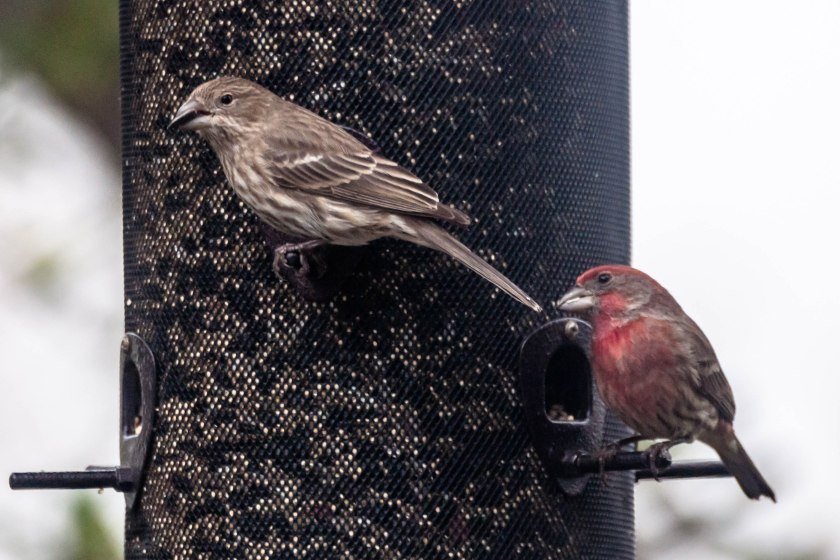
House Finch will nest in deciduous trees and shrubs but will also nest in planters, ledges or even lamp posts. The males have the red head and upper chest while the female is a mottled brown.

Eastern Bluebirds are seen year-round all around the island. Seabrook Island Birders monitor 76 Eastern Bluebird Boxes on the golf courses and around the Lakehouse.
Northern Cardinals are often considered a fitting red bird for Christmas cards but are actually here year-round. They are frequent visitors to feeders.


Downy Woodpeckers and Red-bellied Woodpeckers are frequently seen at suet feeders and in our trees in our yards. Less frequently seen are the larger Pileated Woodpecker that many say remind them of Woody Woodpecker. Red-headed Woodpeckers are frequently seen at Donnelly or Caw-Caw Interpretive Center. It’s head is totally red compared to the red crest seen on the Red-bellied Woodpecker.

Carolina Chickadees are frequent visitors to feeders. They eat seeds of all types. In the spring, they often claim a Bluebird box before the Eastern Bluebirds have a chance. When submitting an eBird list, the next bird on the checklist is Tufted Titmouse which makes it for easy entry of these frequent birds.
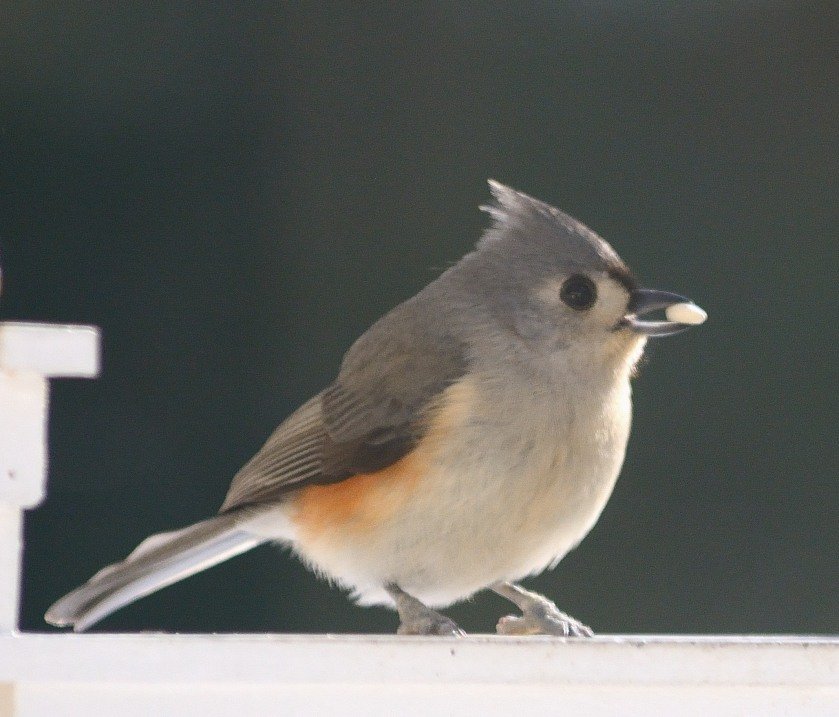
Tufted Titmouse have a nice tuft on its head while wearing what reminds me of a nice grey suit. Frequent visitors at feeders, their “Peter-Peter” call is one of first many beginner birders recognize.

White-breasted Nuthatches are birds similar in size to the Tufted Titmouse but their white face and pointed beak set them apart. So does their common approach to the world…they often are on the feeders or climbing down a tree, head first.
Mourning Doves frequently clean up the mess on the ground that other species drop from feeders. They are seen all around Seabrook Island. The less common Eurasian Collared-Dove is occasionally seen at the Lakehouse and often seen at Bohicket Marina.

Other birds often seen in numerous locations around the island are shown below.


Submitted By: Judy Morr
Photos: White-breasted Nuthatch – Kathy Woosley
House Finch: Charley Moore
Remainder by Dean Morr unless otherwise noted.