As my quest for “50 species in each of 50 states” continues, Ed and I decided to head out west mid-August. The temperatures looked wonderful compared to the fryer at our home in Atlanta, so we headed out for a 12 day trip to UT, NV, ID, and WY!
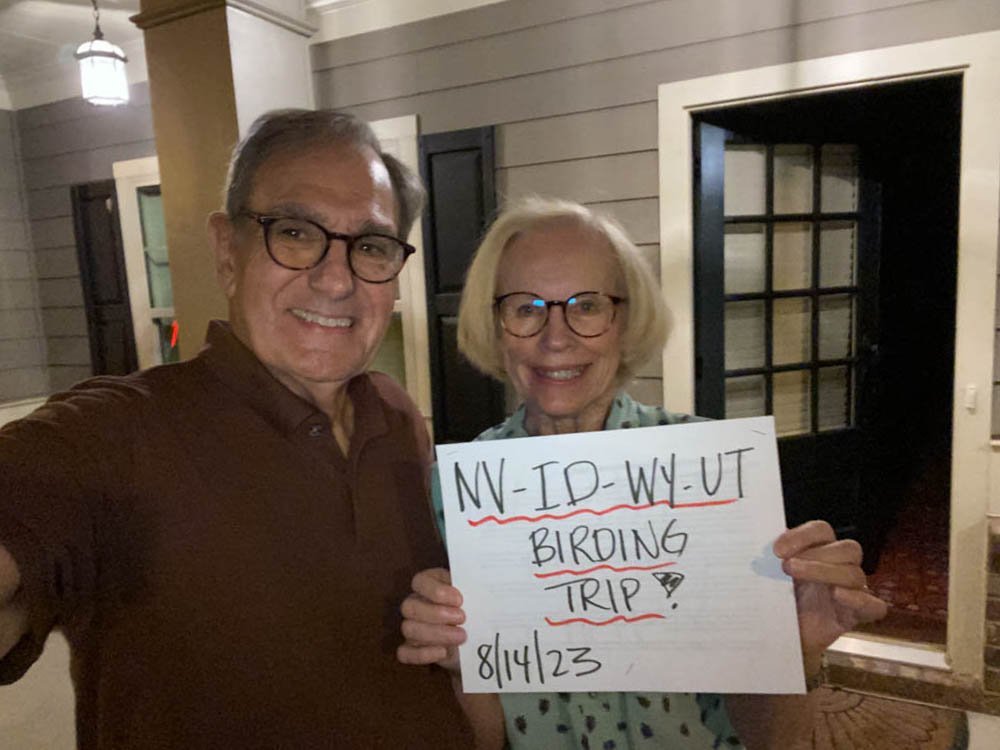
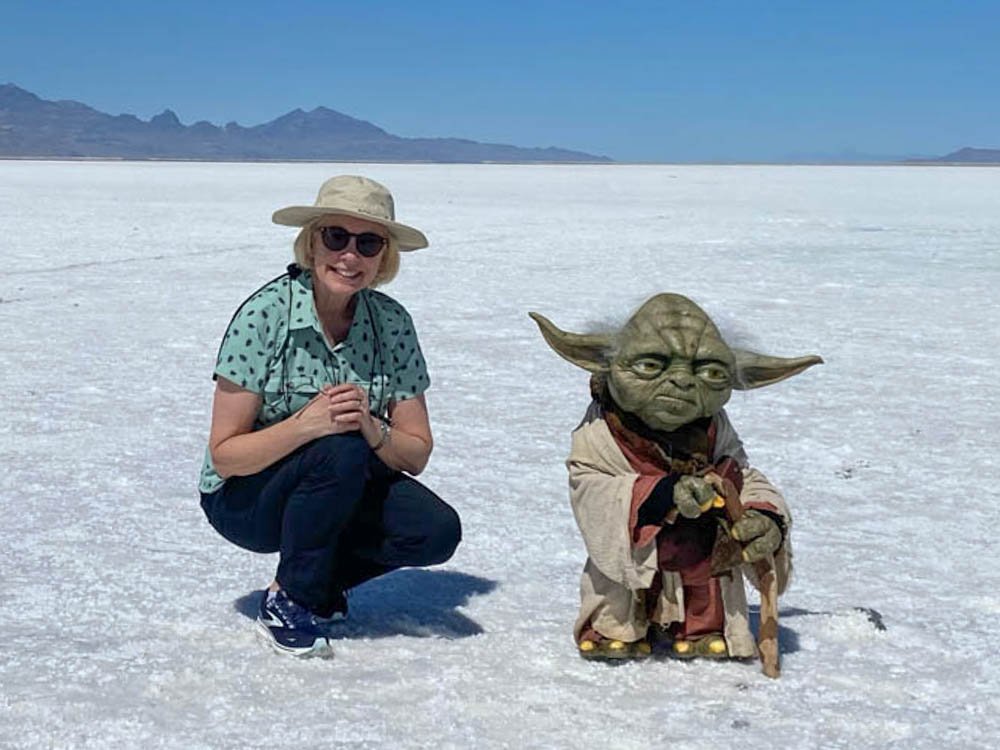
We flew into Salt Lake City and drove across the Bonneville Salt Flats to the northeast corner of NV. On the salt flats, we encountered a very wise and powerful friend that someone had brought along. The salt flats are always amazing with their austerity and bright white snowy look.
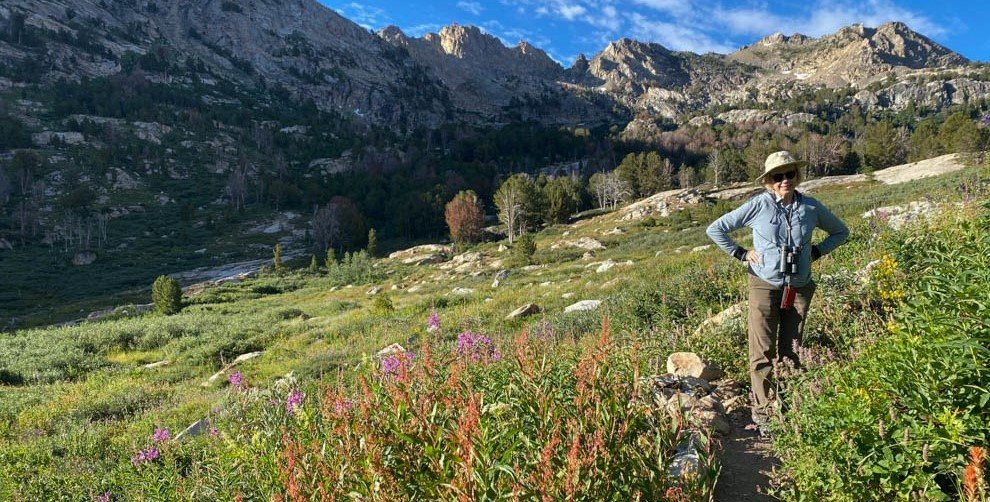
Elko County, in the northeast corner of NV was the easiest and birdiest place for us to get NV birds. We were not prepared for that corner of the state to be so beautiful, with many mountains and canyons. Wildflowers were still in full bloom. We did a bit of what I call “combat birding”, from dawn to dusk and were rewarded with great birds. We added another NWR to our list, Ruby Lake, isolated and beautiful with great wetlands. We also learned a few lessons… hiking at 7000 feet is not easy and birds can be pretty scarce at higher altitudes. We had to work hard to reach our NV goal of 50 species, but exceeded it with 68.
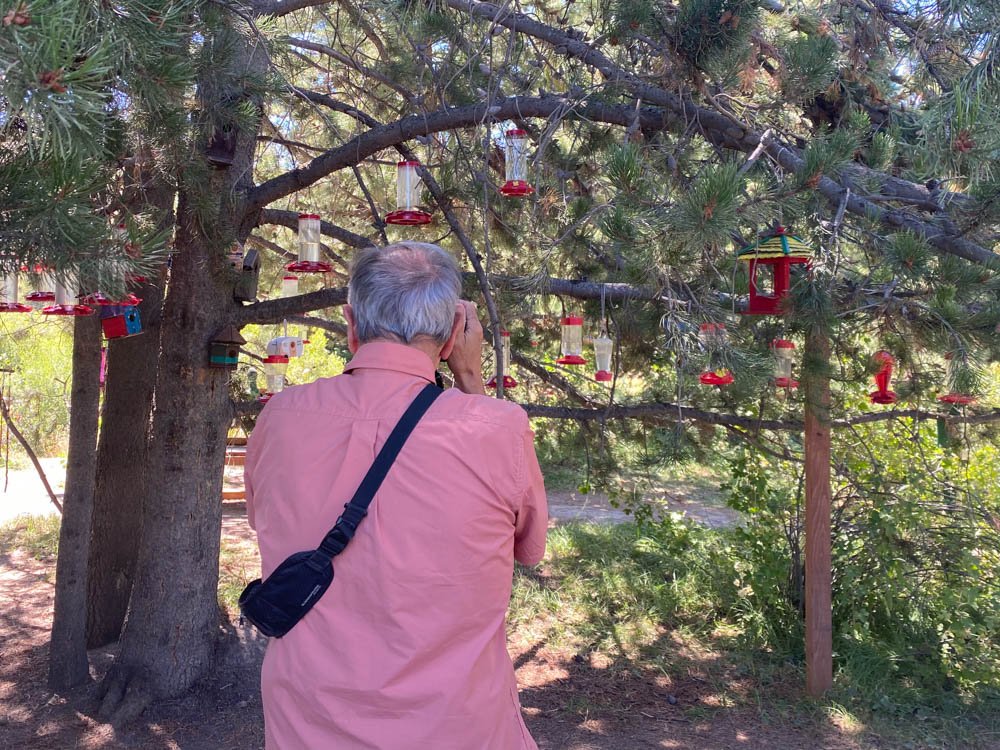
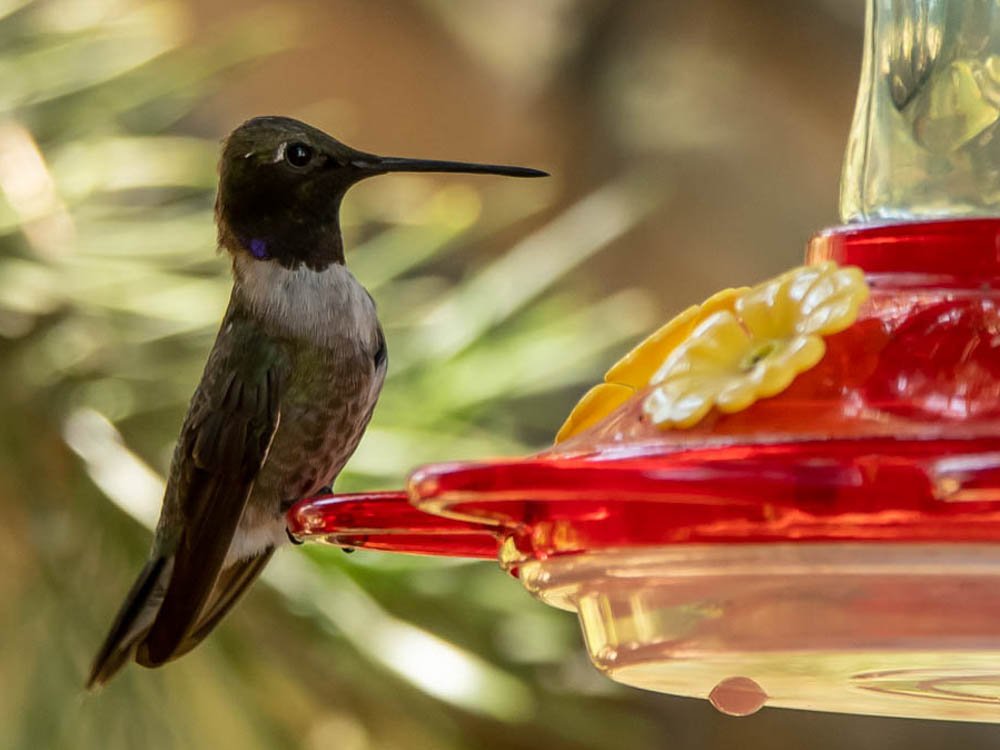
Then it was on to ID. Our first destination was Brockman’s Hummingbird Feeding Station. It’s in the middle of absolutely nowhere and has over 40 hummingbird feeders. It was founded by a local over 30 years ago and is now maintained by locals who clean and keep the feeders filled. Amalgamated Sugar donates the sugar for them. After about 12 miles on a dirt road, we came to the station and were rewarded with probably over 40 hummingbirds buzzing our heads and landing in front of us on the 40+ feeders. Ed was in heaven taking pictures! There were 4 species – Black-chinned, Rufous, and Broad-billed. We also managed to find one tiny Calliope in the mix!
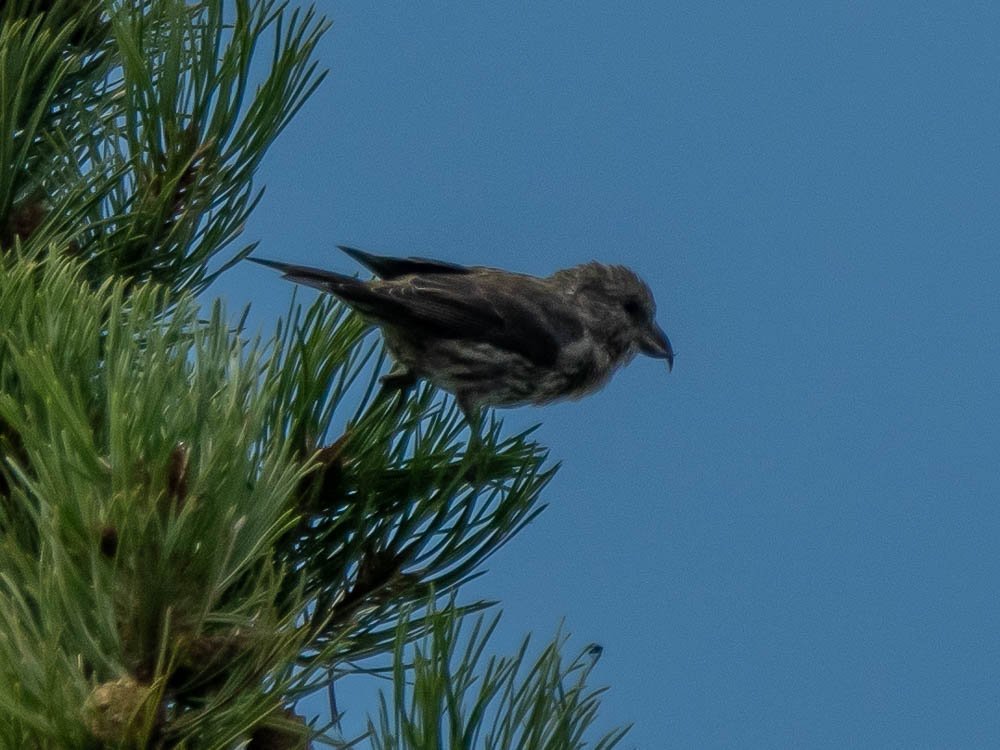
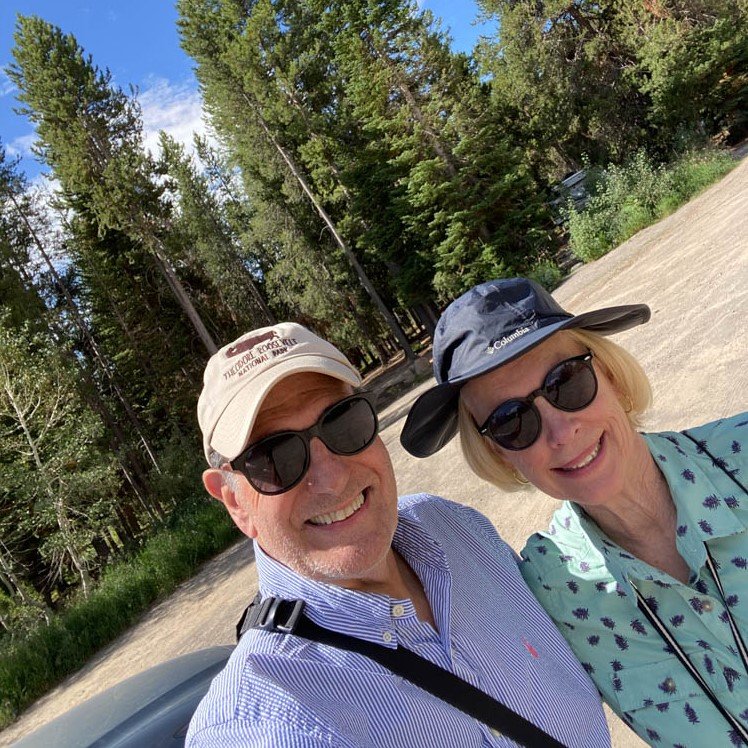
One of our targets in Idaho was the Cassia Crossbill, a life bird for me. The Cassia was split from the Red Crossbill in 2017 and is found in one corner of the mountains in southeast Idaho. They eat the seeds of the lodgepole pines, which Red Crossbills cannot crack. We found it at Diamondfield Jack campground, a known location. Woo hoo… Life bird number 634 for the US!
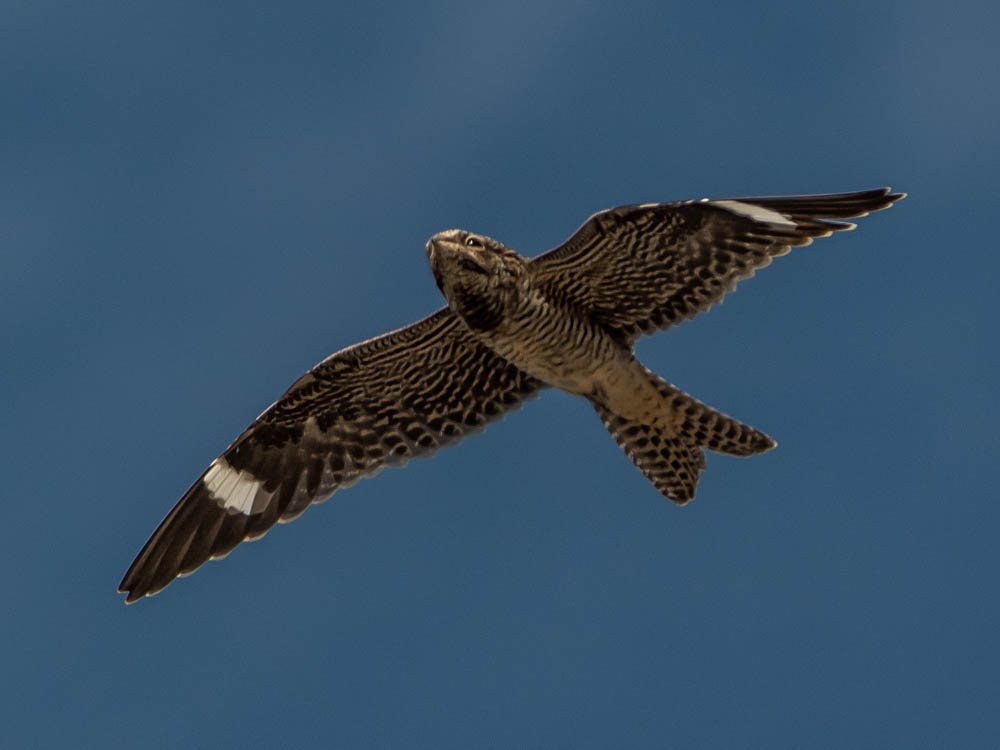
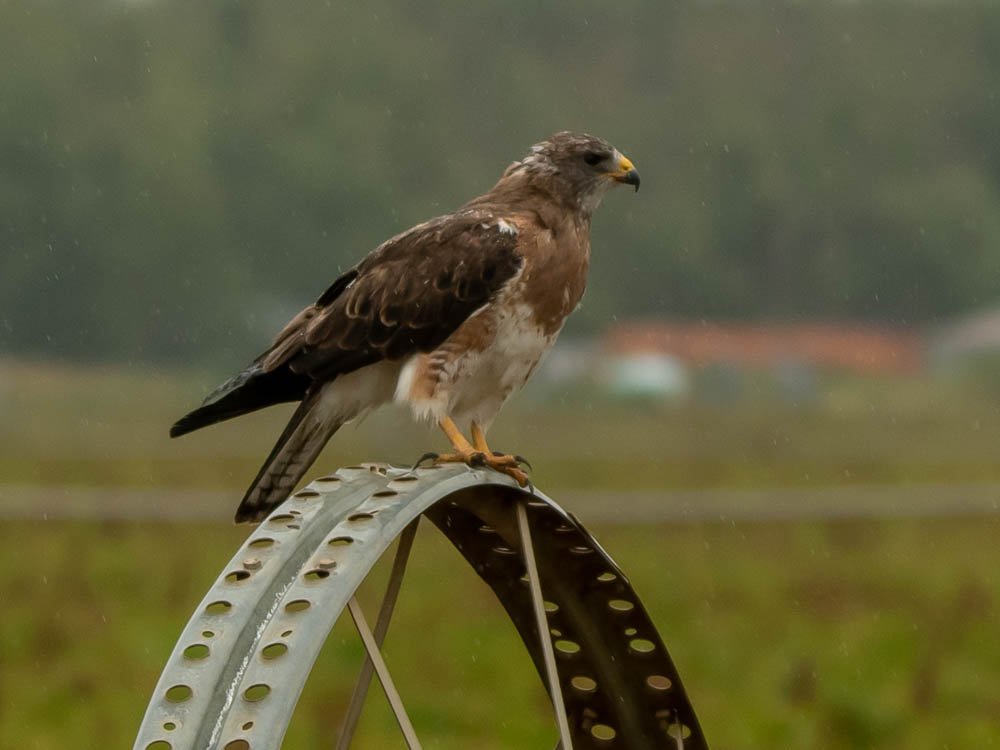
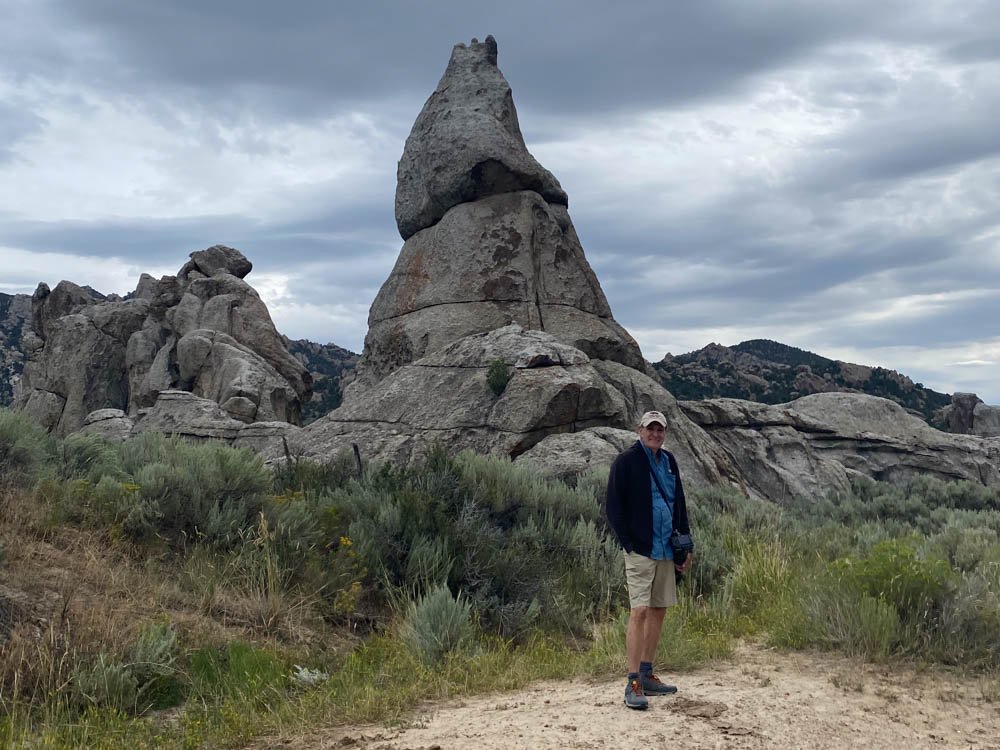
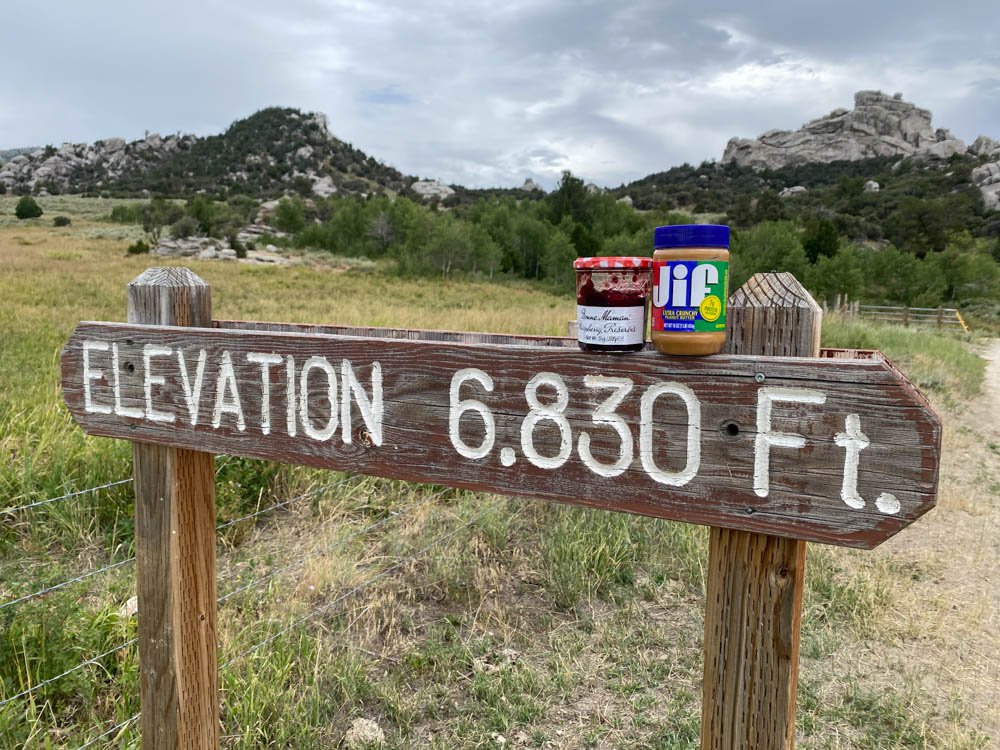
At the campground at 7300 feet, we also had fantastic looks at Common Nighthawks, a group of 15 flying over. Throughout Idaho we also found many Swainson’s Hawks, a common western hawk, often in family groups. The next day we went to the City of Rocks Natural Reserve, stunning with all the rock formations. An excellent place for a PB and J at almost 7,000 feet!
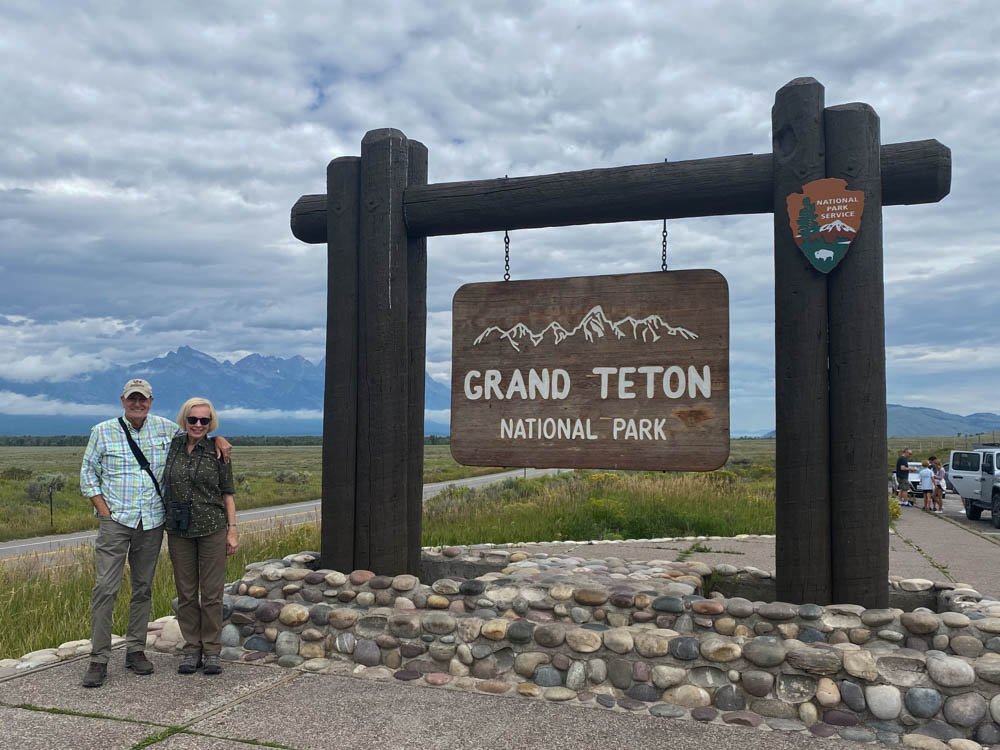
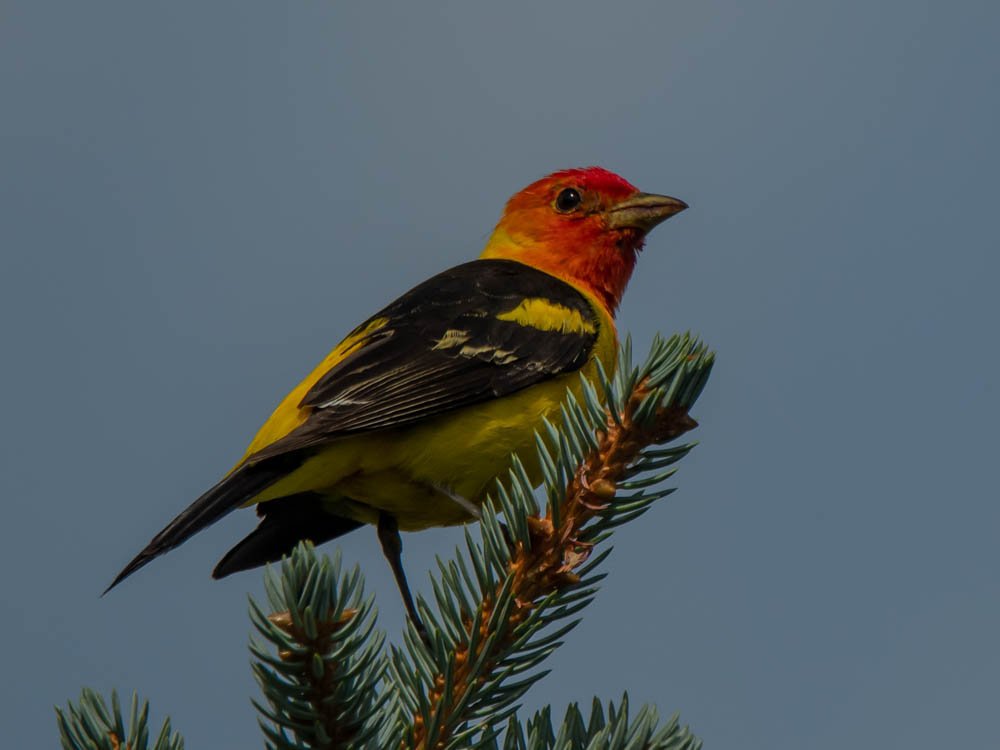
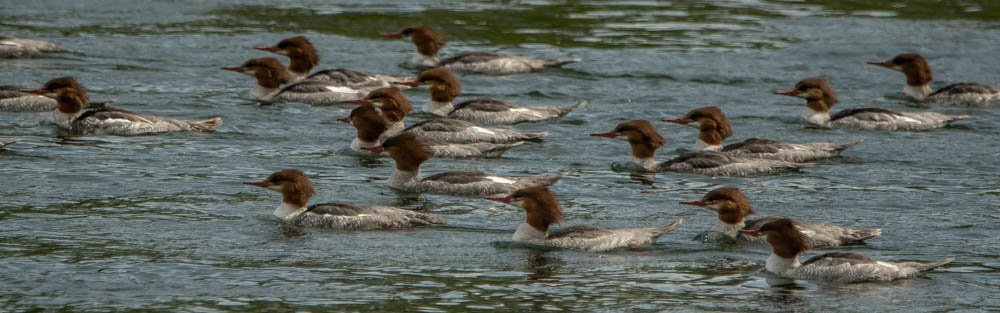
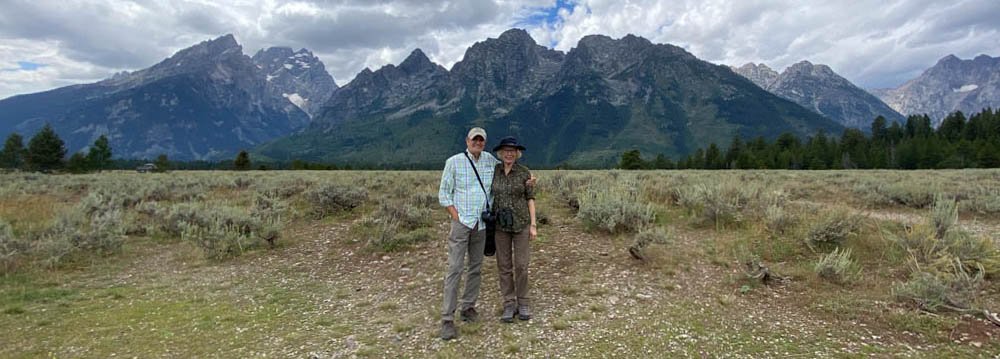
Then it was onto Wyoming, where one of our main goals was to see Grand Teton National Park, a park we had never visited before. It did not disappoint, the mountains were spectacular. Once again, looking for birds wasn’t the easiest at elevation. But soon there was a beautiful Western Tanager posed in a tree for Ed to photograph. Then a large group of over 50 Common Mergansers. Both are always a joy to see.
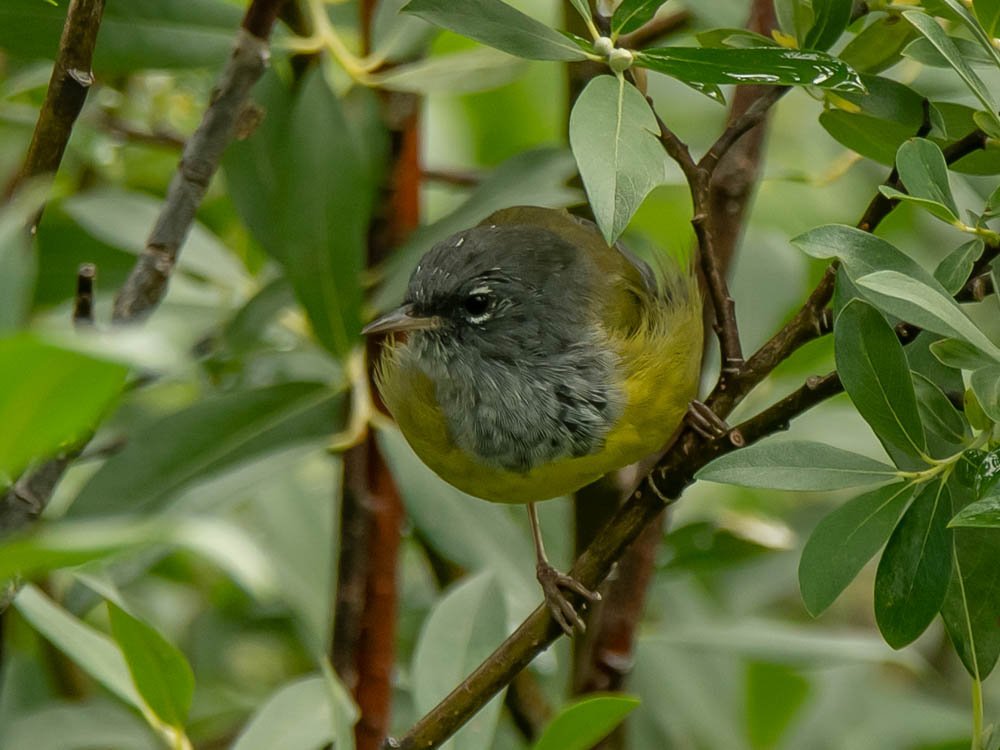
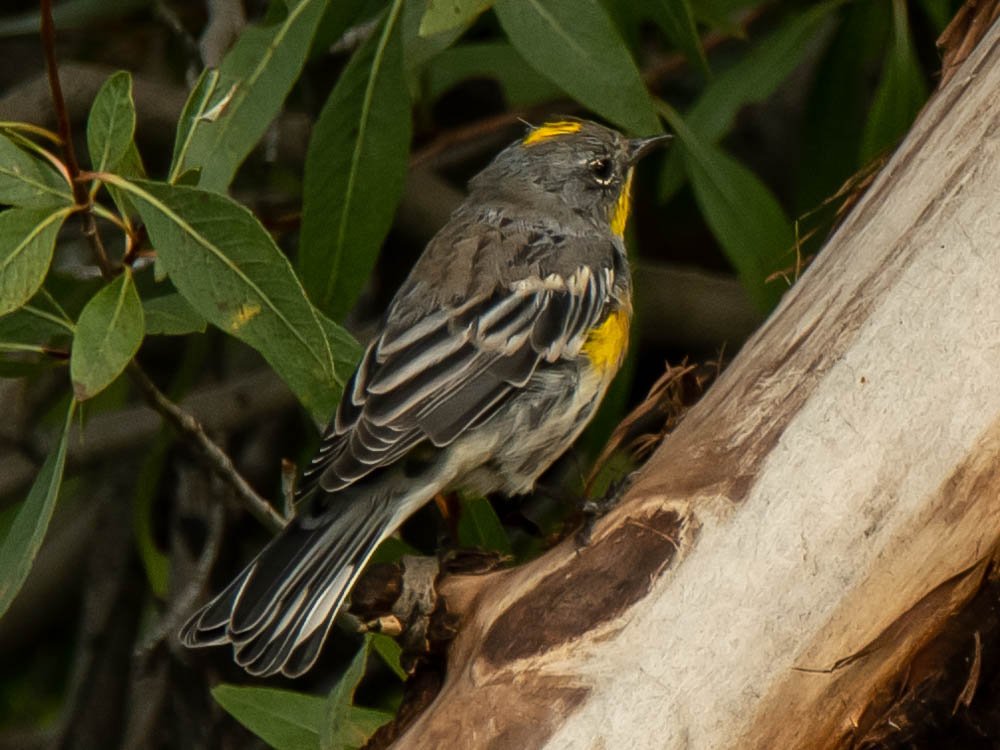
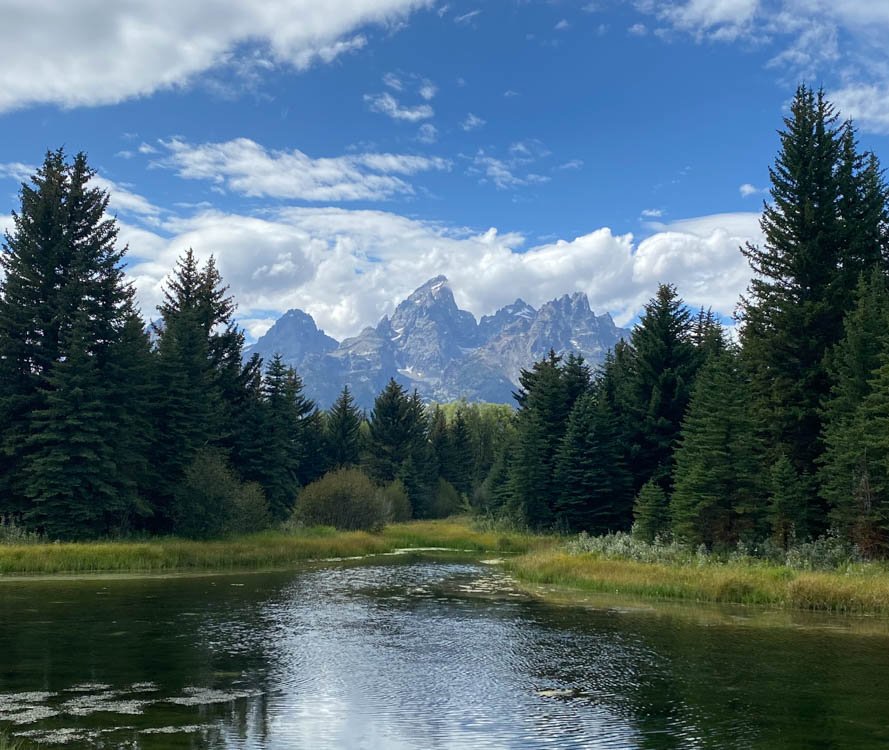
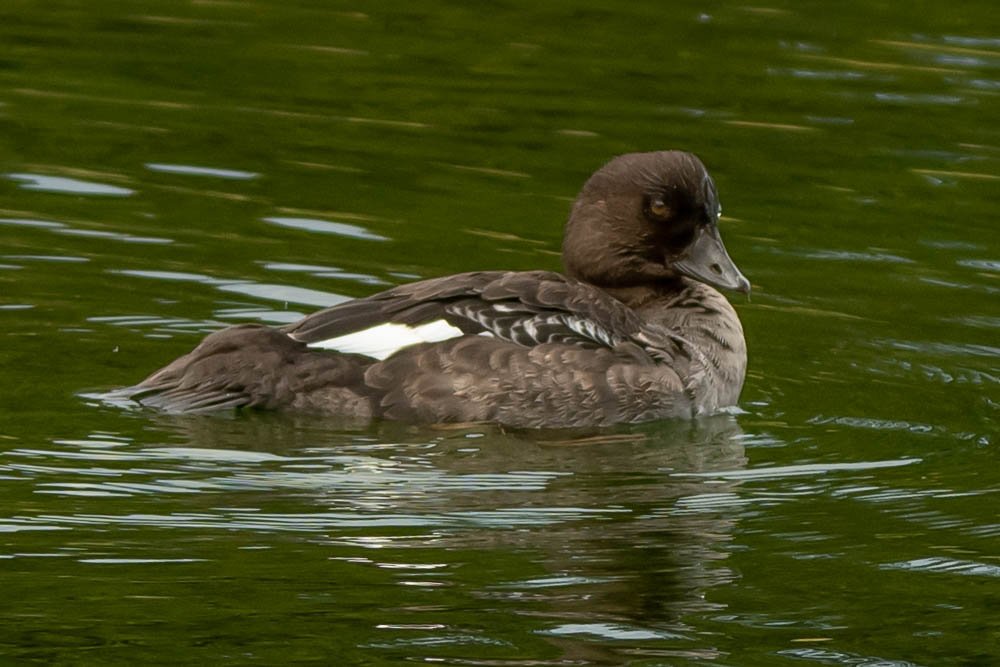
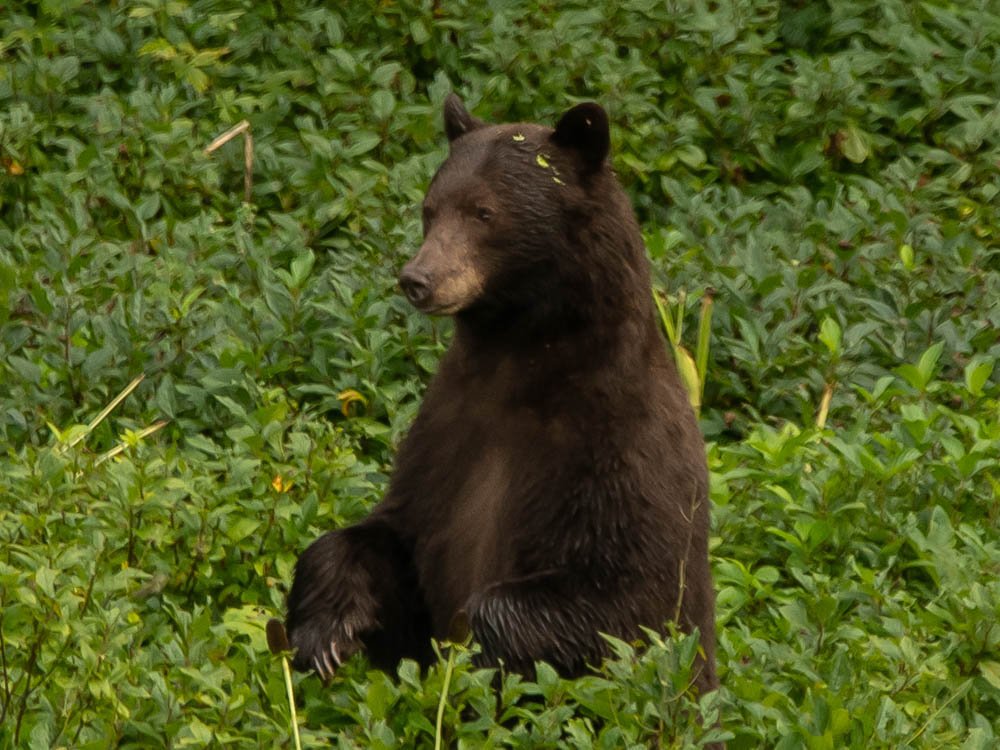
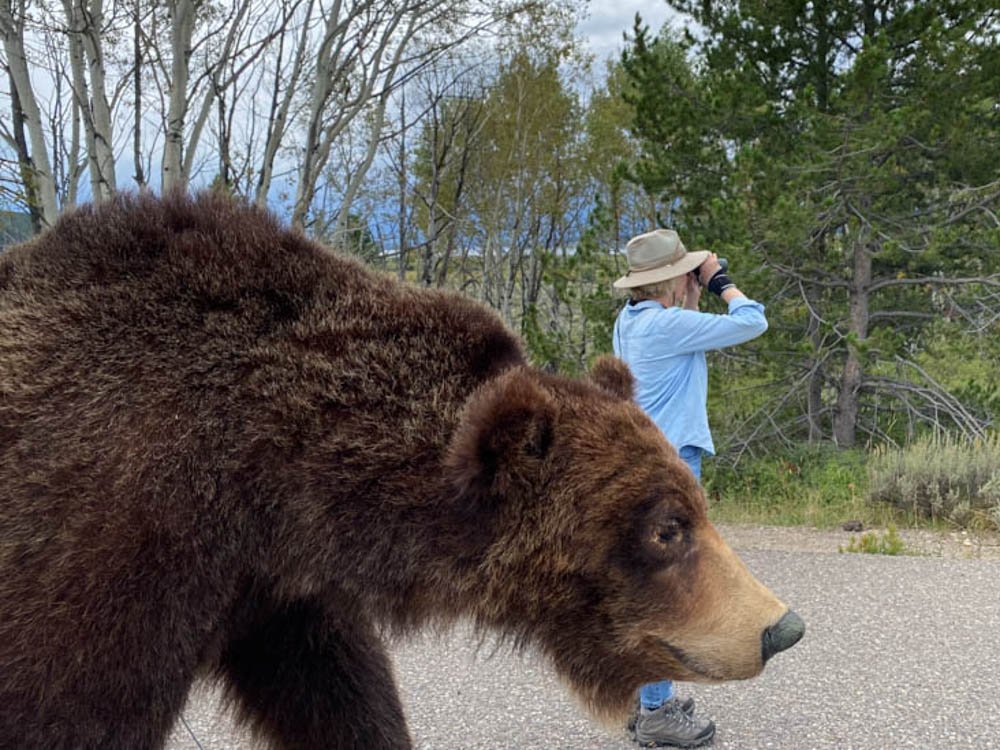
MacGillivray‘s Warblers chipped everywhere, as did Audubon’s Yellow Rumps, similar to ours, but with a yellow throat. We had great looks at Barrow’s Goldeneyes in the wetlands, along with an incredible view of the 13,775 foot Grand Teton. And of course, we couldn’t leave until we found a bear! Thank heavens for Ed‘s 600 mm lens capturing this Black Bear snacking on the foliage. And the Grizzly with me? Use your imagination!
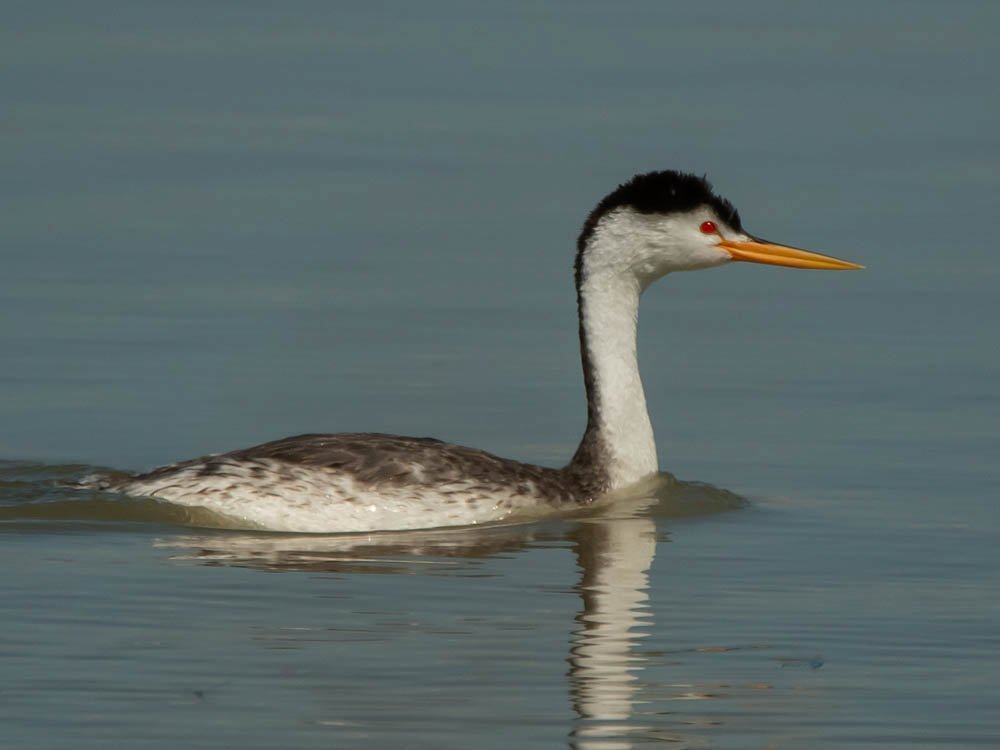
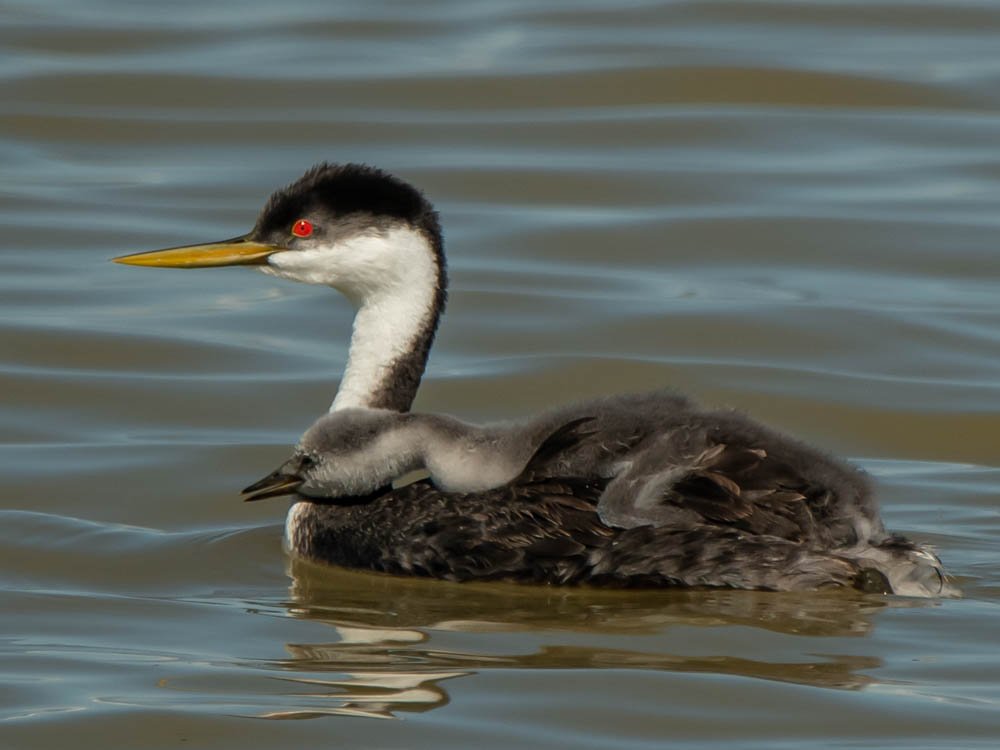
Then it was on back to Utah. On the way to Salt Lake City, we stopped at the Bear River Migratory Bird Reserve. We had fantastic looks at hundreds of ducks and grebes! The most exciting was seeing Western and Clark’s Grebes with babies on their backs and several nests still occupied. These grebes, especially with the babies, are some of Ed‘s most favorite bird subjects to photograph!
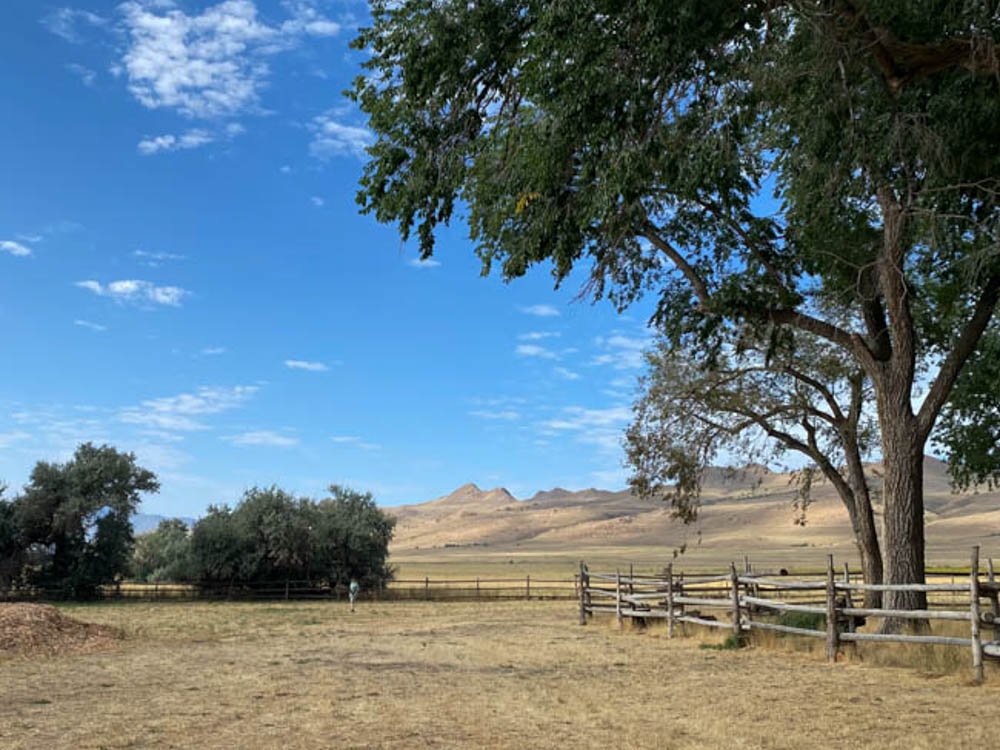
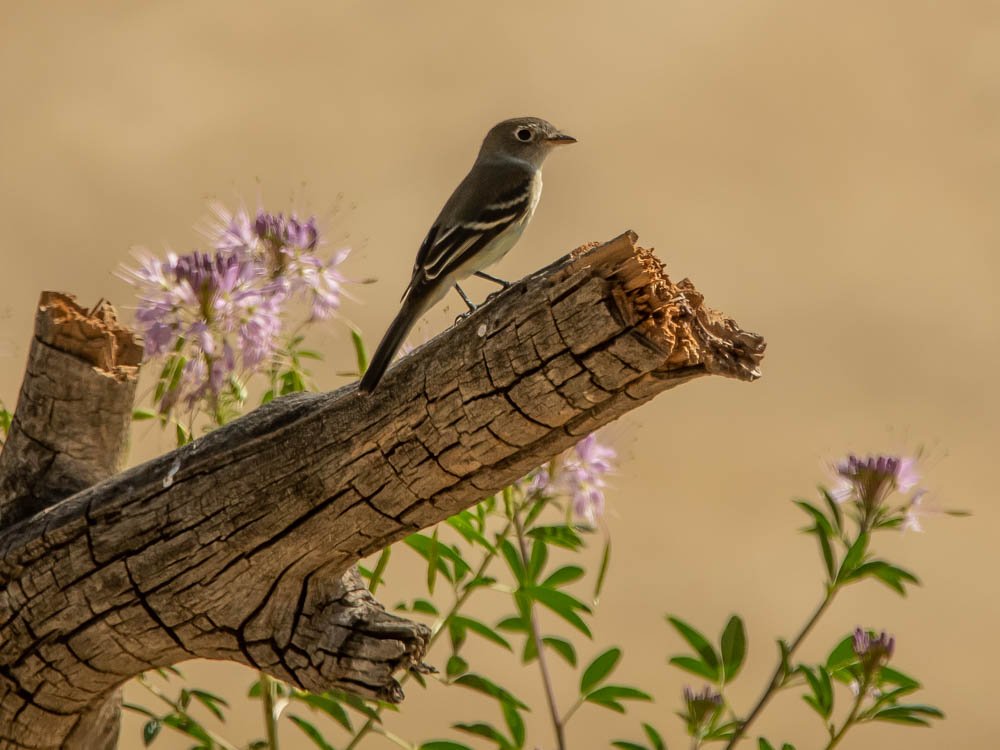
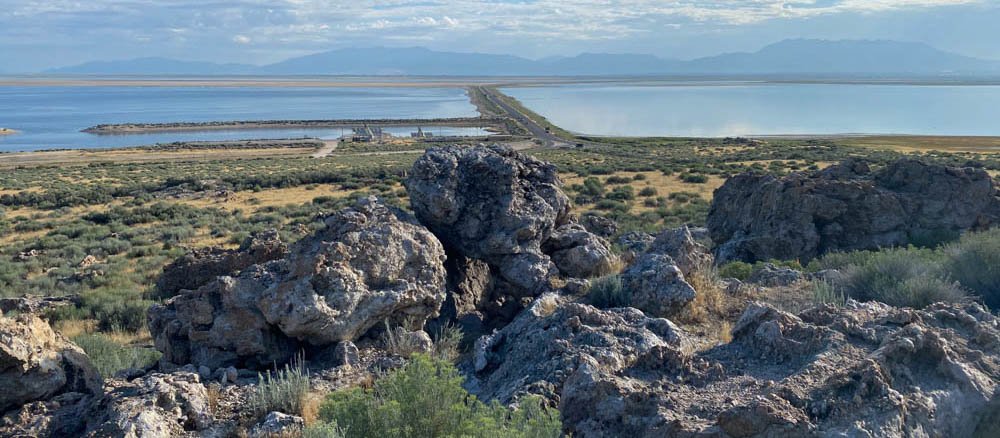
Our final destination in Utah was Antelope Island State Park on the Great Salt Lake. There were literally hundreds upon hundreds of Black-necked Stilts and American Avocets. Our goal was Garr Ranch in the park to look for a Gray Flycatcher, another life bird goal. We found it fly catching at the ranch, doing its gentle downward “tail-bob” after each foray. Woo hoo… US life bird # 635!
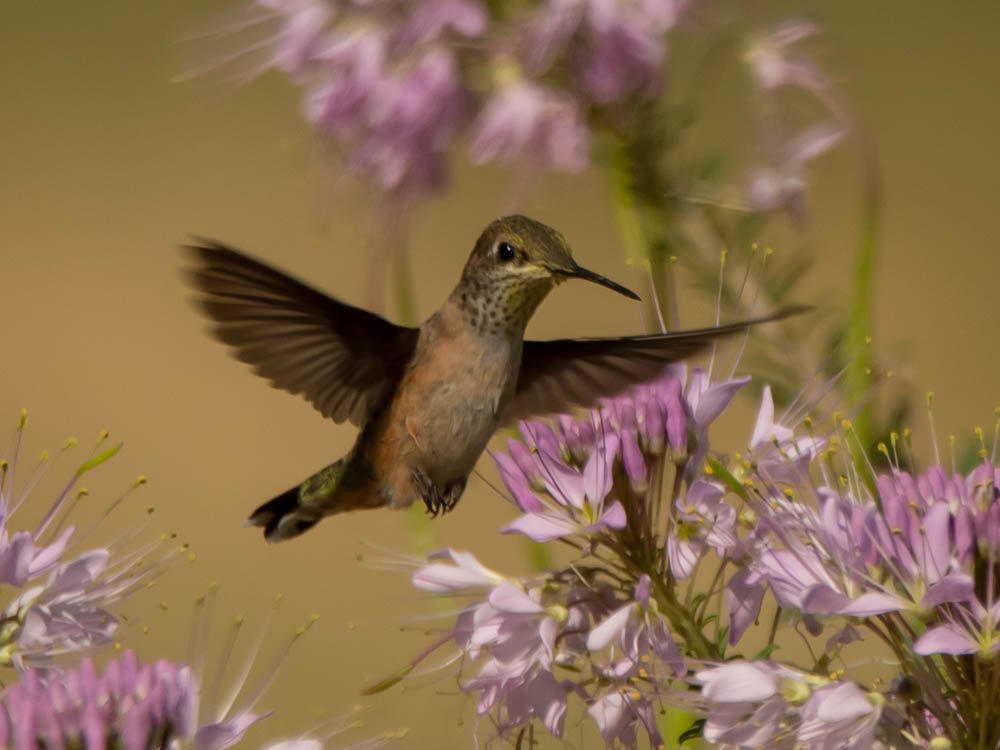
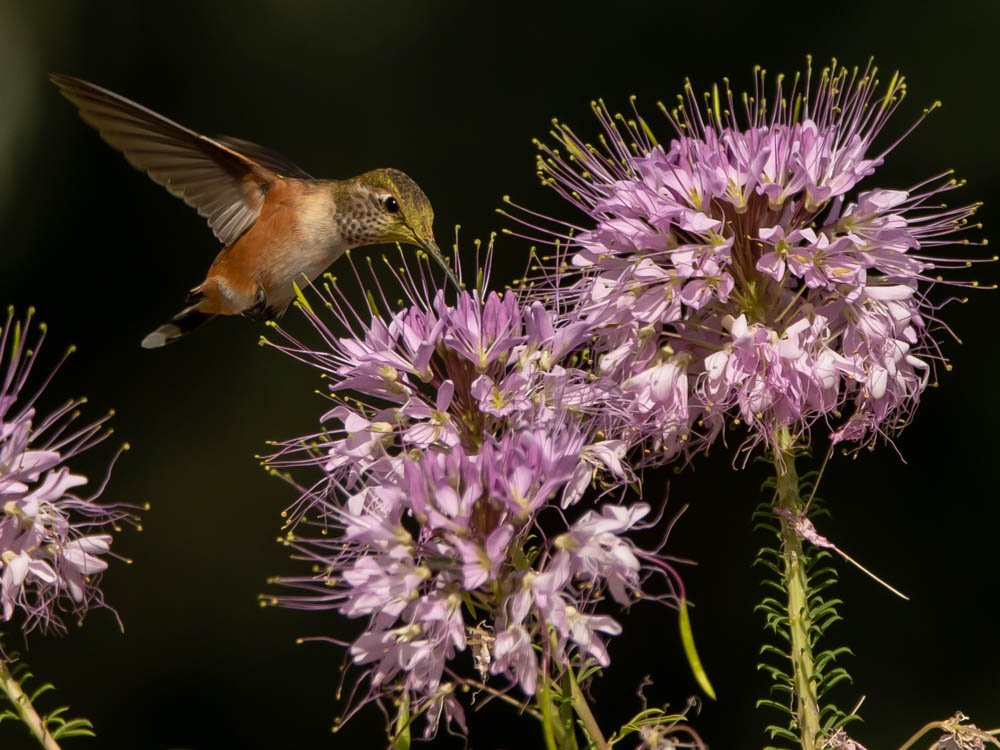
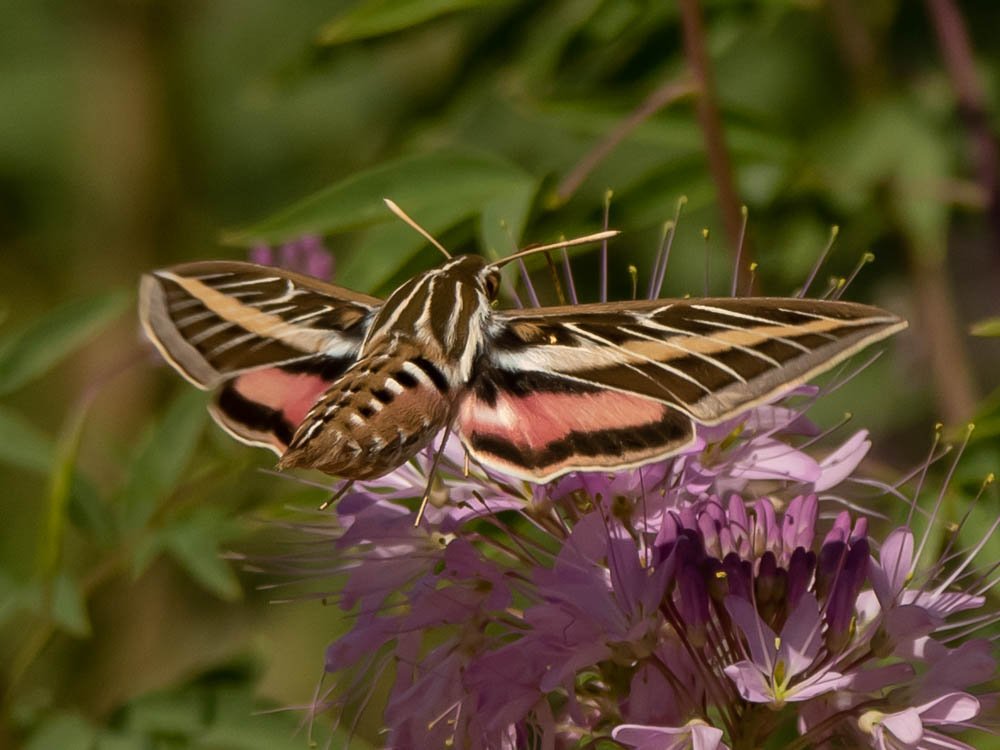
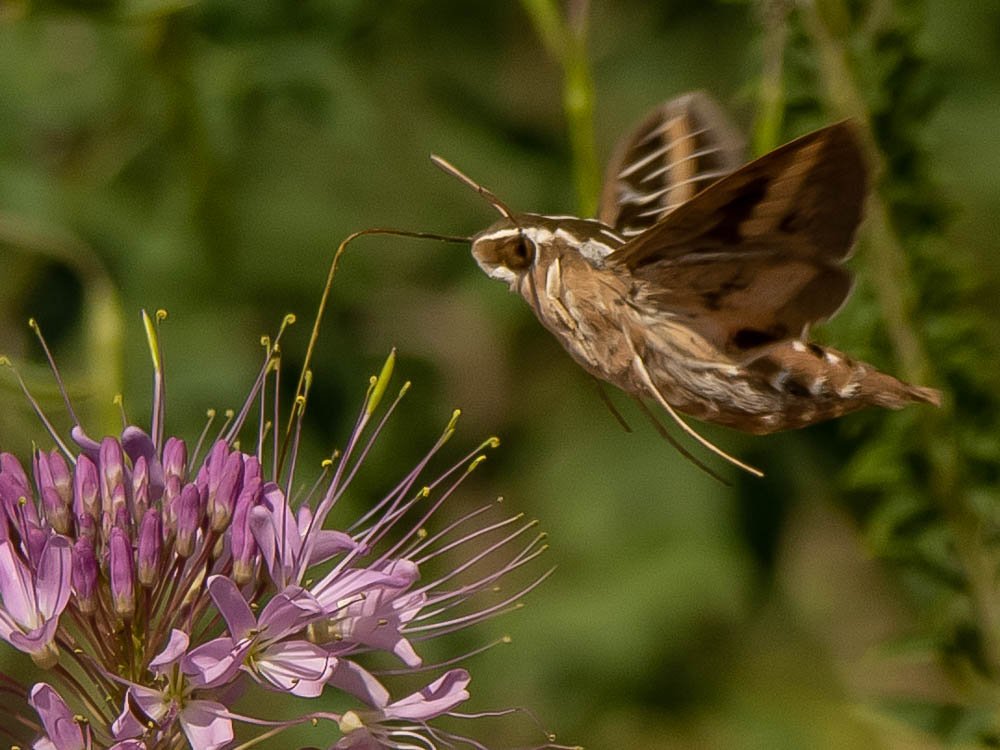
At Antelope Island, we were also treated to one of the most spectacular looks at hummingbirds working a patch of flowers. Ed got great pictures of the Rufous hummingbird, along with a White-lined Sphinx, a moth that is hummingbird size and has a proboscis long enough to take nectar out of flowers as seen in the photo. I might have been more excited about the moth than the Hummers! But Ed said this may have been his best hummingbird shoot ever!
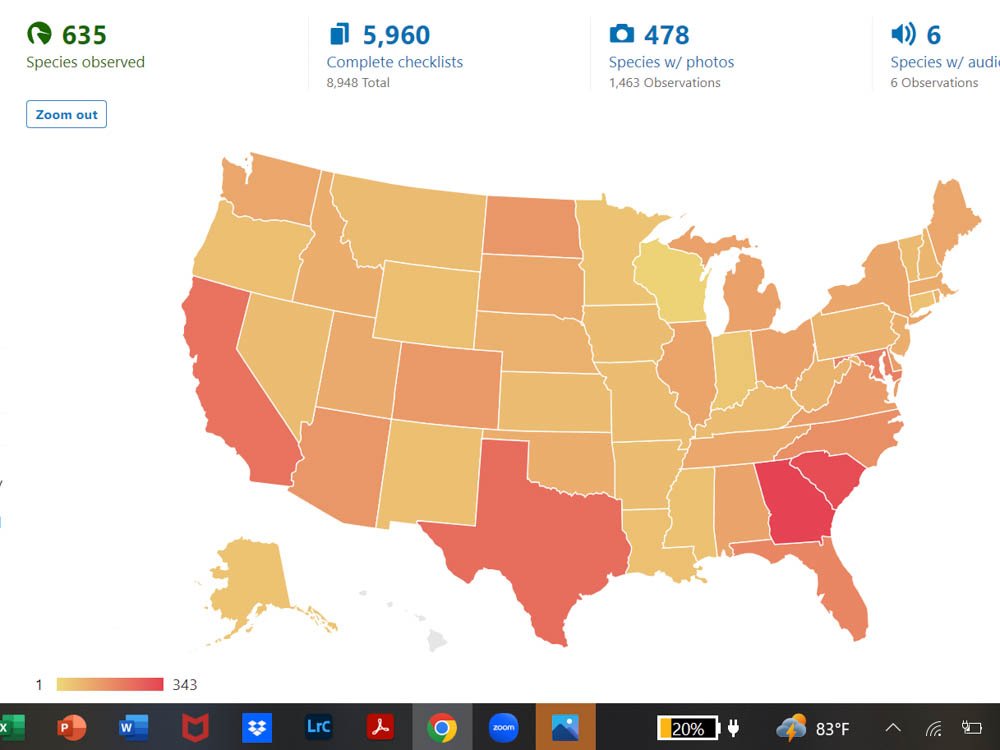
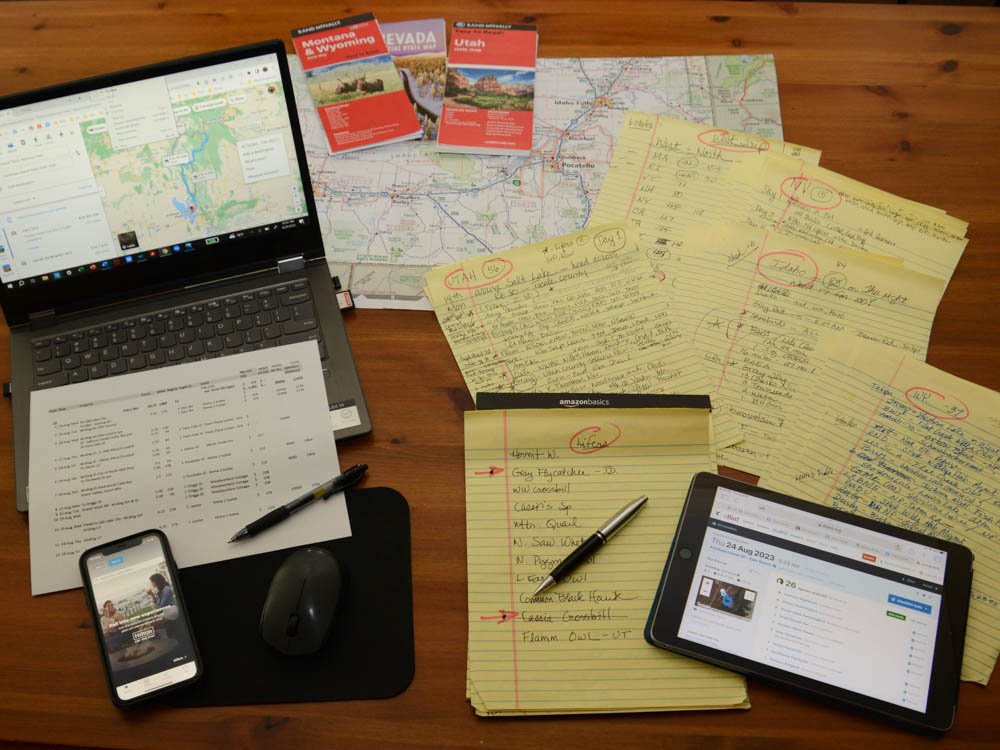
Lots of planning goes into these trips and locating my target birds. Countless eBird searching…pages and pages on yellow tablets recording potential target birds and hotspots… referencing good old paper maps and Google maps…Ed’s travel planning and navigation…and his Lightroom editing of 100s of photos!
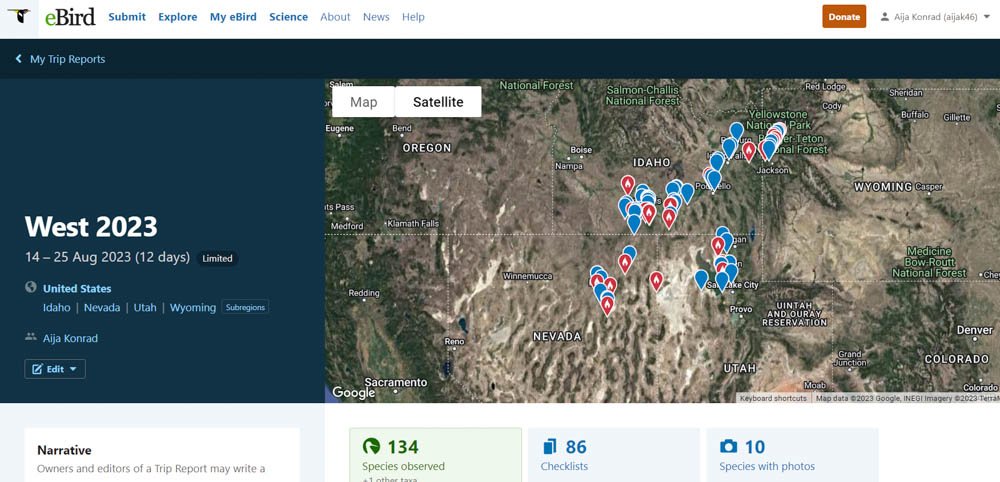
And before we knew it our 12 days were over! The quest for species went extremely well with Utah and Idaho falling into the “over 100” species column, and NV and WY each with over 60 species. On eBird you can create a great trip summary as seen above. We observed 134 species for the trip, with 86 checklists in the four states. What’s next? Three states to go in my quest…Wisconsin and Indiana for over 50 species, and birding in Hawaii as our 50th state!
Article by Aija Konrad, photos by Ed Konrad