When one thinks of going on a Caribbean cruise, usually thoughts of sun, sand, turquoise water, food and drinks, come to mind. That is our usual MO, but this time we decided to try a different approach. Instead of beaching, snorkeling, culture or history tours, we would try birding in every port.
Most cruise line excursions focus on culture, history, shopping, or beaches so we had to be creative, choosing either excursions that involved parks, or ports that had natural areas around them. We did book an independent birding activity to an Audubon site in Belize. As dilettante birders, we were very happy with our 22 life birds in 14 days.
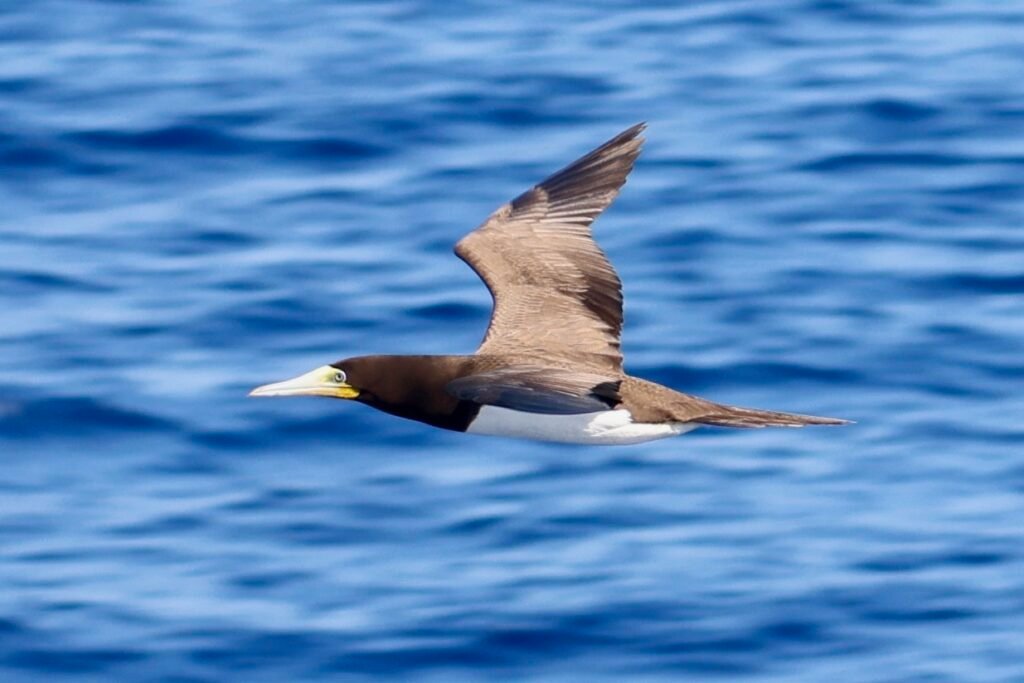
Our first bird appeared as we neared the Dominican Republic. The Brown Booby ballet is always a treat to watch as they swoop and dive for fish churned up by the ship.
Brown Booby
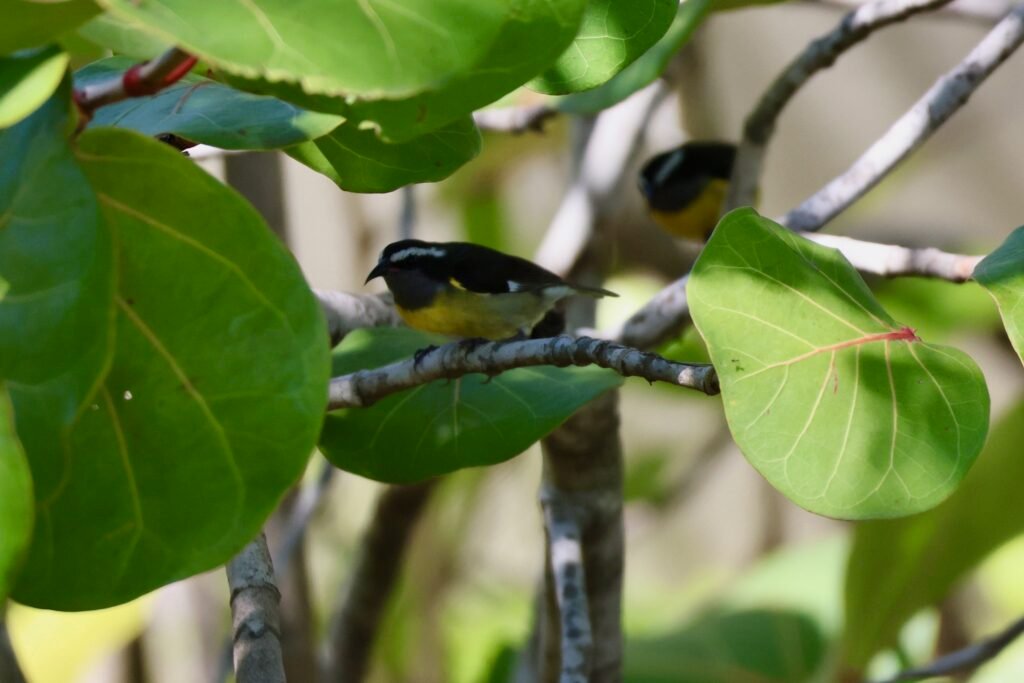
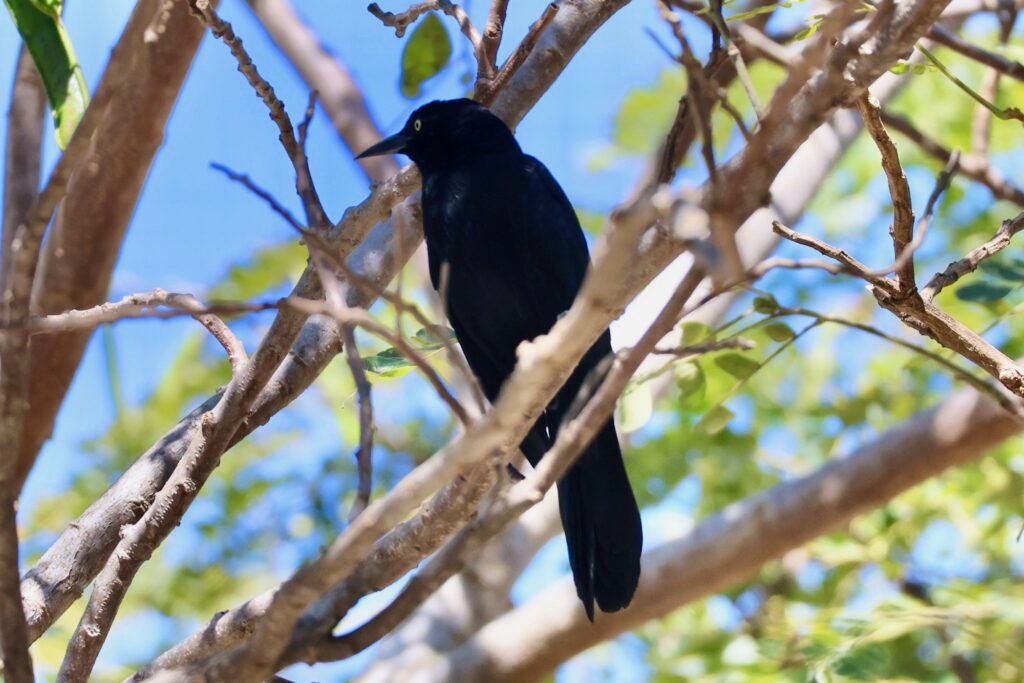
Amber Cove, Dominican Republic was our first port. Here we decided to just bird around the port. The map showed a lake and an area of trees so we headed there. What it didn’t show was that there was a bank of solar panels between us and the lake. It also didn’t show that it was the employees parking area and we were not supposed to be there. Despite these obstacles, we still managed 12 species and 4 Life Birds. Greater Antillean Grackle, Antillean Palm Swift, Black Whiskered Vireo, and the ever present, Bananaquit.
BananaquitGreater Antillean Grackle
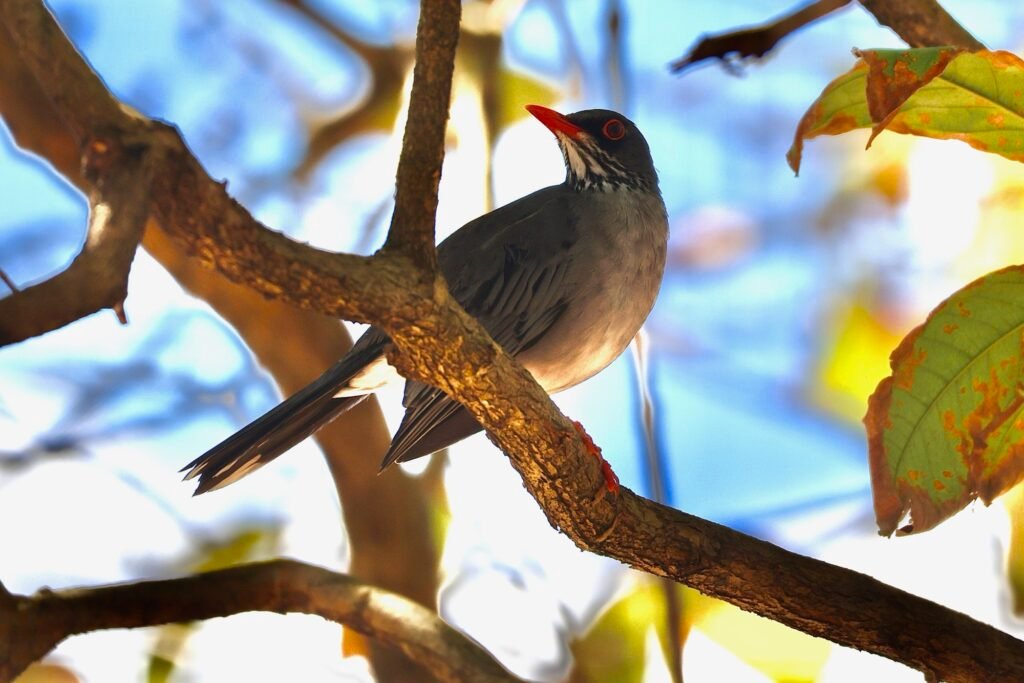
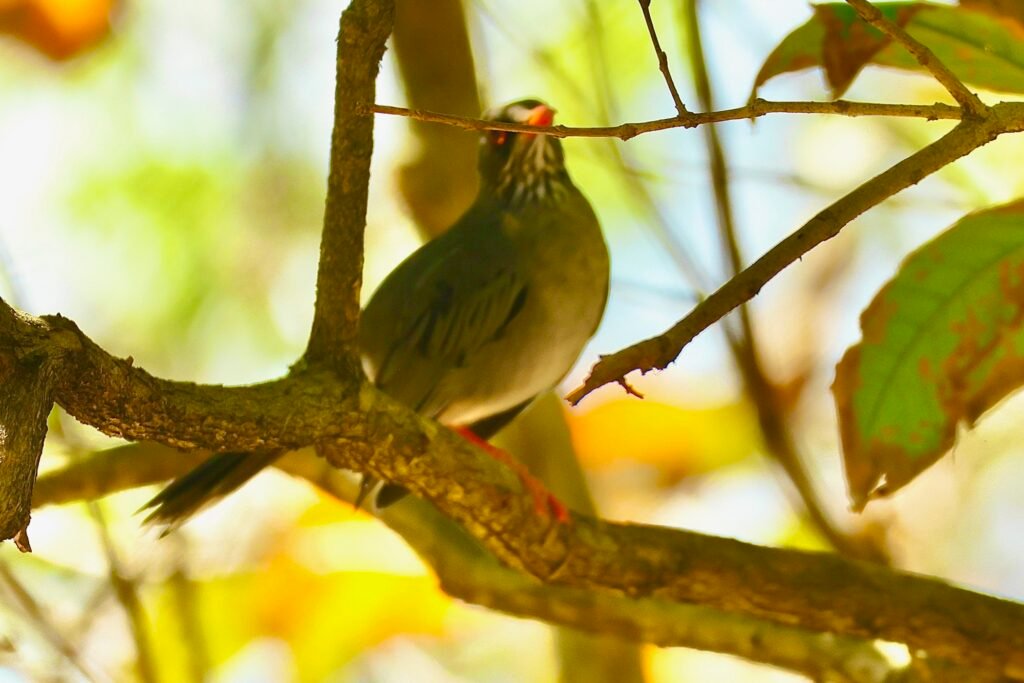
San Juan, PR was mostly a history oriented day with visits to El Morro, and the Cathedral. Our outdoor tapas lunch did get us a Red Junglefowl, aka chicken. A small park netted 7 species and 2 Life Birds, Eastern Red-legged Thrush and a Black-faced Grassquit.
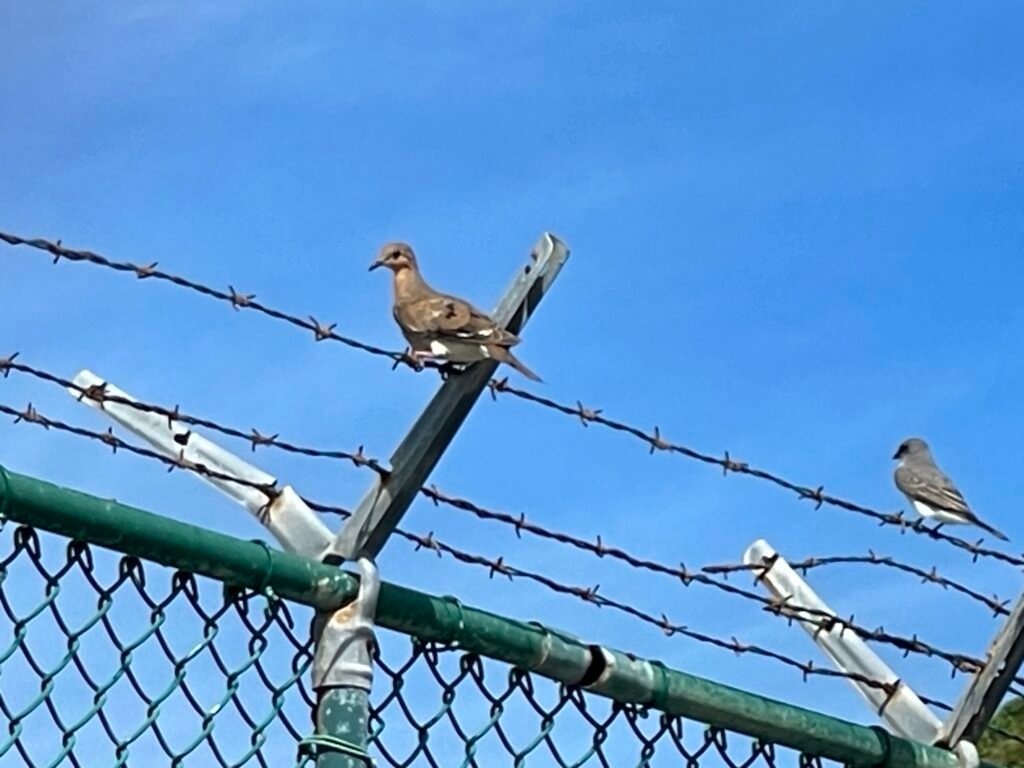
St. Maarten was the only island where we did not find a life bird. Lots of Rock Pigeons and grackles, 2 Gray Kingbirds and Zenaida Dove were our hits here. Local lunch and successful jewelry shopping made up for the lack of new birds.
Zenaida Dove and Gray Kingbird
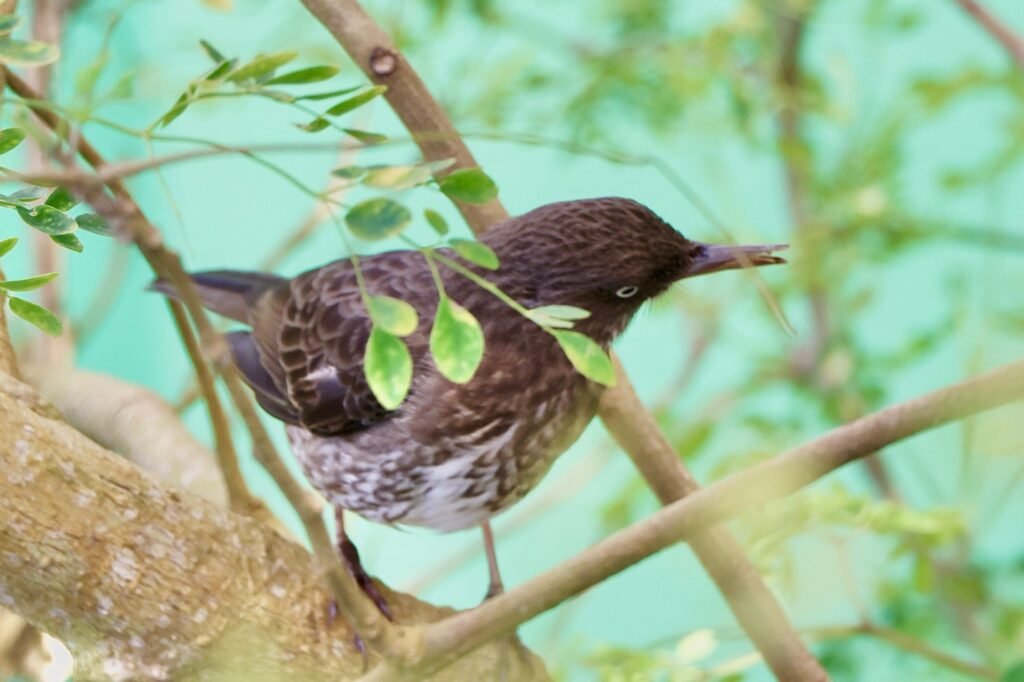
Many times St. Thomas has served as a jumping off point, but we have never explored the island, so we headed to Plantation Crown and Hawk Botanical Gardens. The flowers were lovely, the lizards cute, the Bananaquits vocal, but other birds were not to be seen or heard, except an ever elusive, according to Merlin, Pearly-eyed Thrasher. Imagine our delight when later on Mountain Top, a Pearly-eyed Thrasher posed at eye level for us. Life bird #7.
Pearly-eyed Thrasher
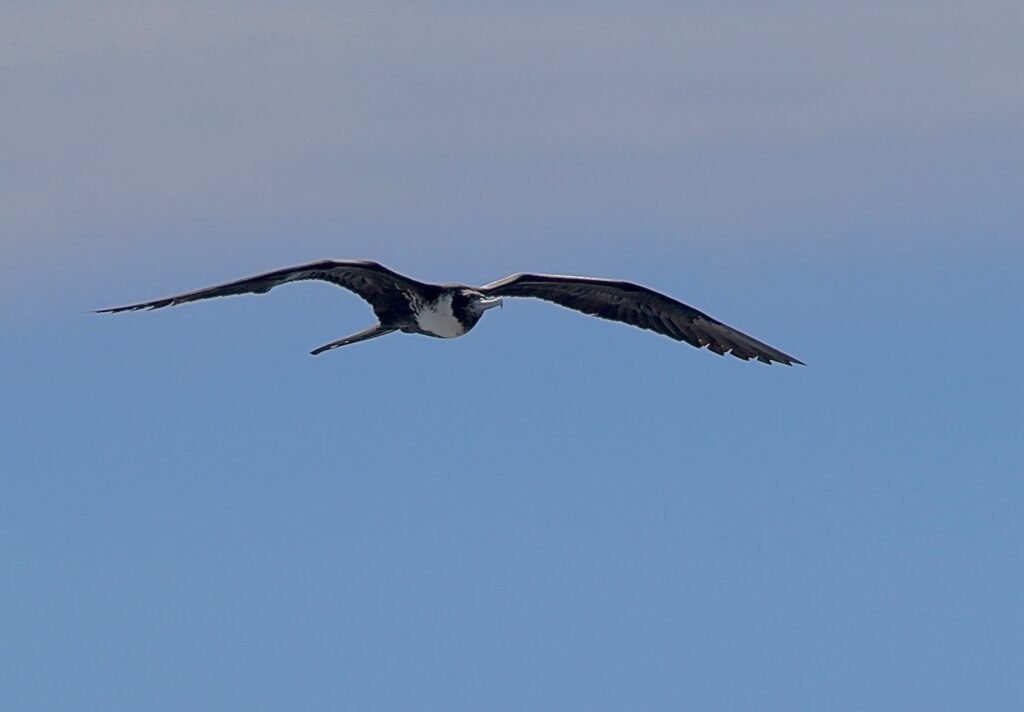
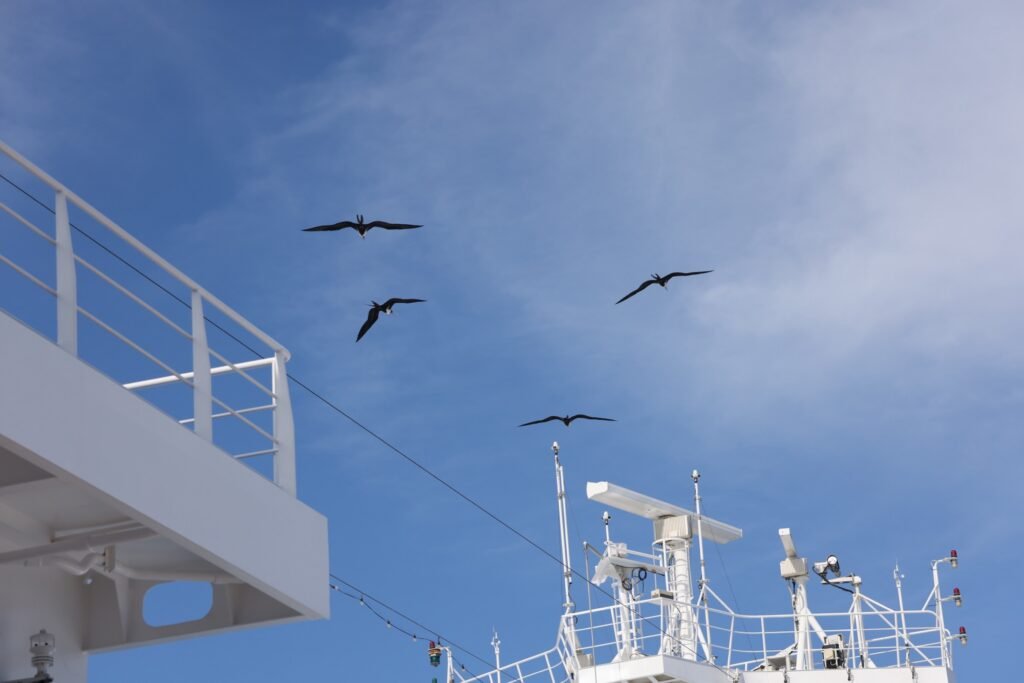
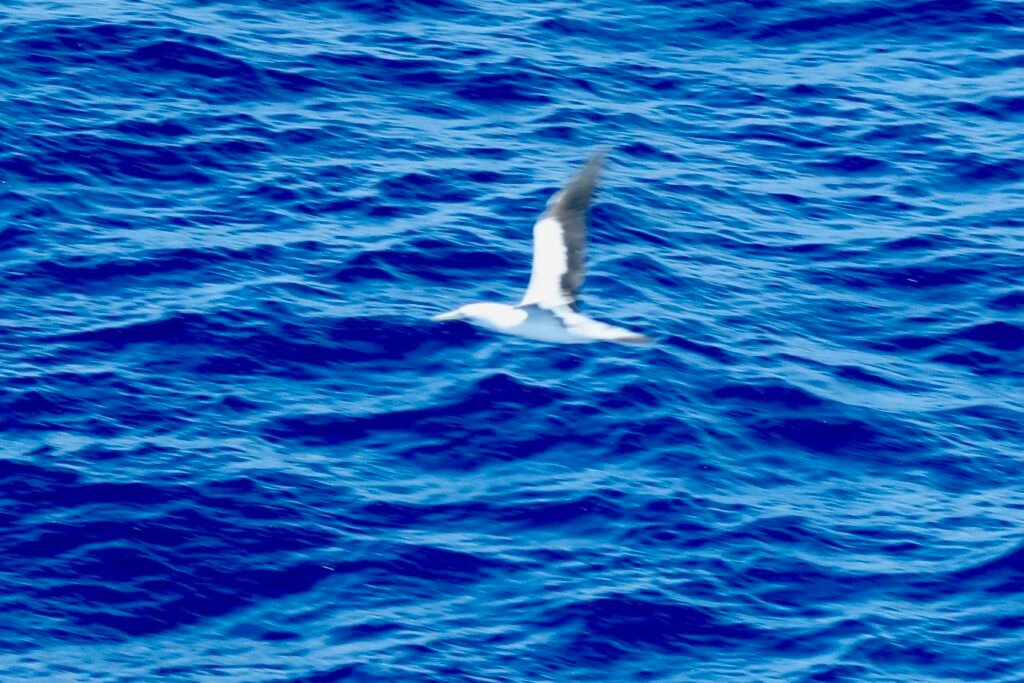
Some miles outside of St. Thomas we were joined by Masked Boobies. The first time I saw a Masked Booby I thought it was an Albatross, the only sea bird I knew of at the time. As we chugged toward Roatan, Honduras, another Brown Booby ballet with a chorus line of Magnificent Frigatebirds entertained us.
Coming into Mahogany Bay, Roatan, Honduras, we were greeted by a Whimbrel, Little Blue Herons, and a Great Egret. Once there, we headed to Gumbalimba Park.
“Gumbalimba Park is a privately owned, eco-adventure and history park on the island of Roatan. The park was established in 2003. The name Gumbalimba Park comes from a tree native to the island called, gumbo limbo, but the islanders know and call it Gumbalimba.”
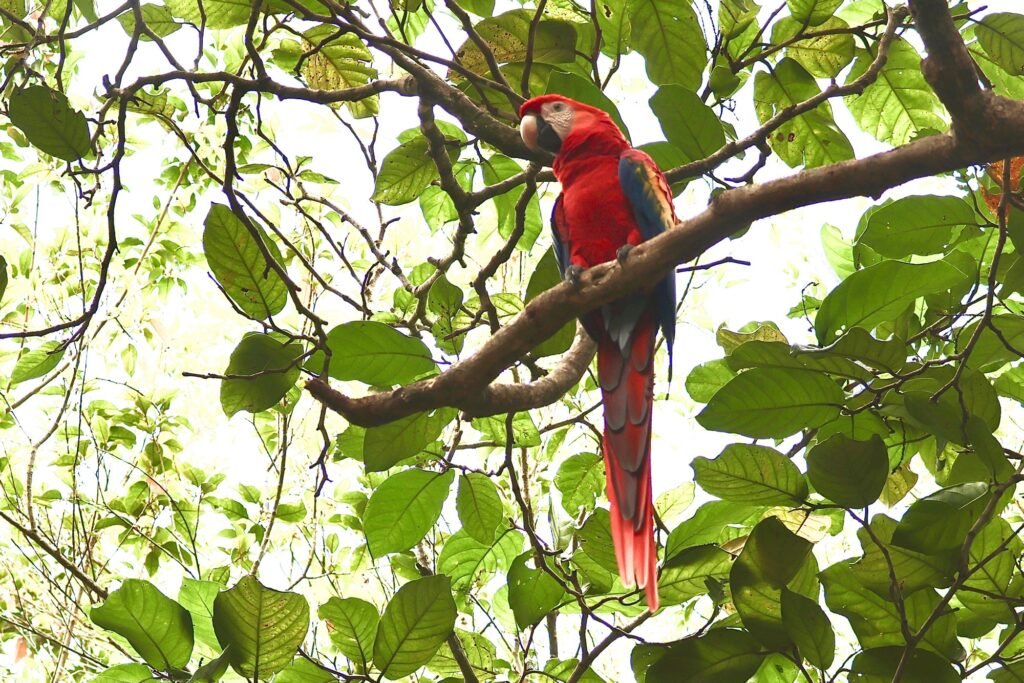
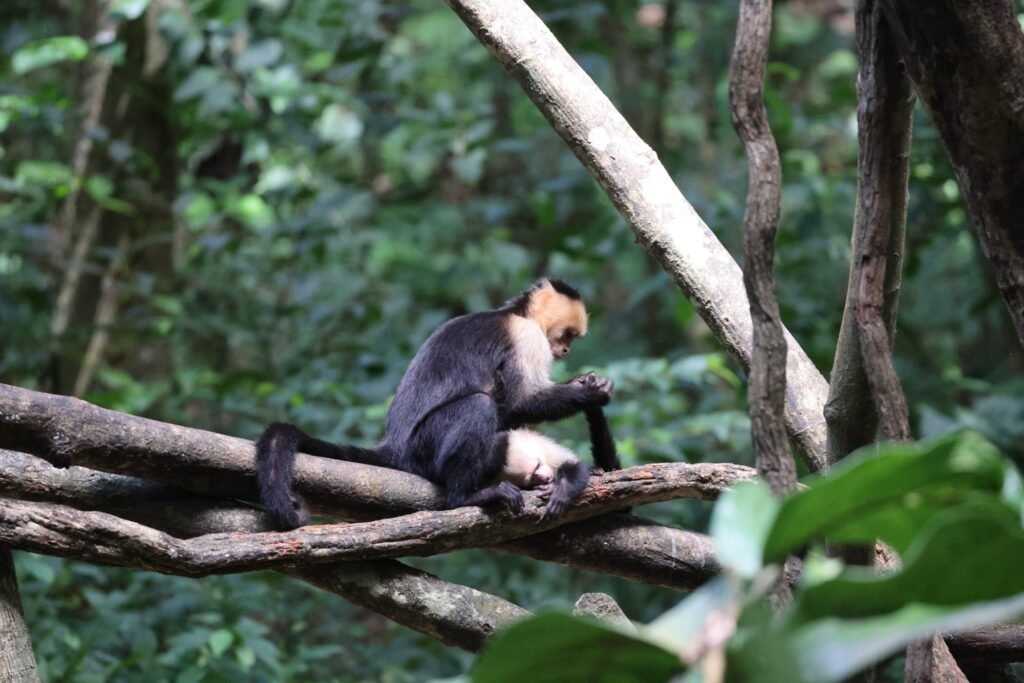
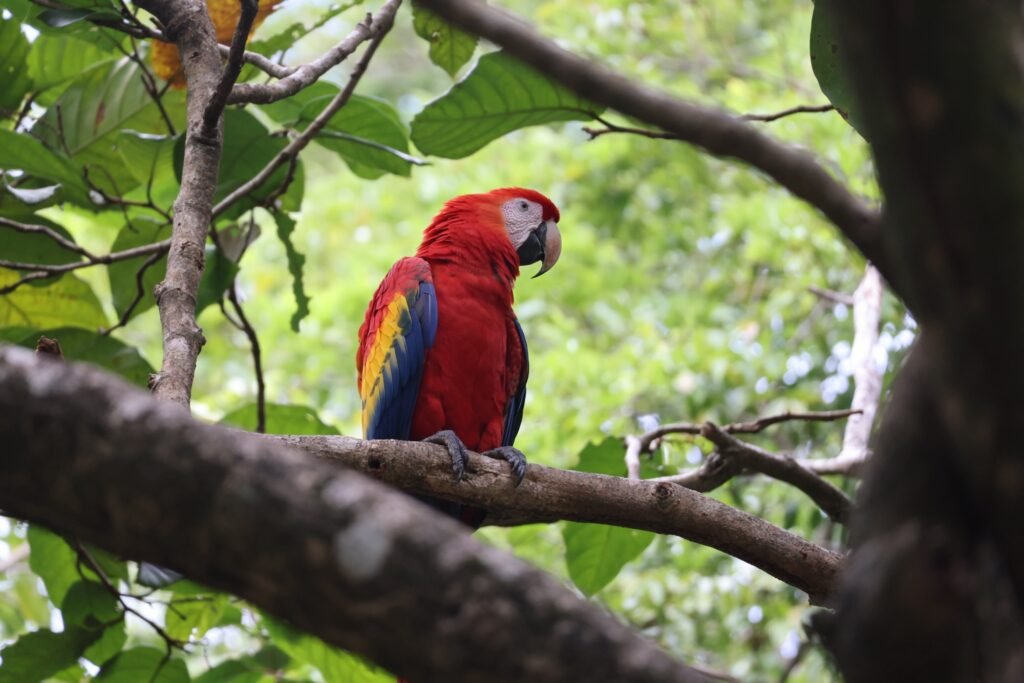
Here we saw free roaming Scarlet Macaws and white faced Capuchin monkeys. Both of these are native to mainland Honduras, but have been brought to the islands. Much like our backyard birds, the Scarlet Macaws are free flying, but return to the feeders.
Scarlet MacawCapuchin MonkeyScarlet Macaw
Our next port, Belize City, had us stepping outside our comfort zone. We have always booked excursions through cruise lines. This time we booked an independent trip to an Audubon site, Crooked Tree Wildlife Sanctuary. One of Belize’s top birding spots, Crooked Tree Wildlife Sanctuary spans 16,400 acres and includes more than 3,000 acres of lagoons, swamp and marsh.
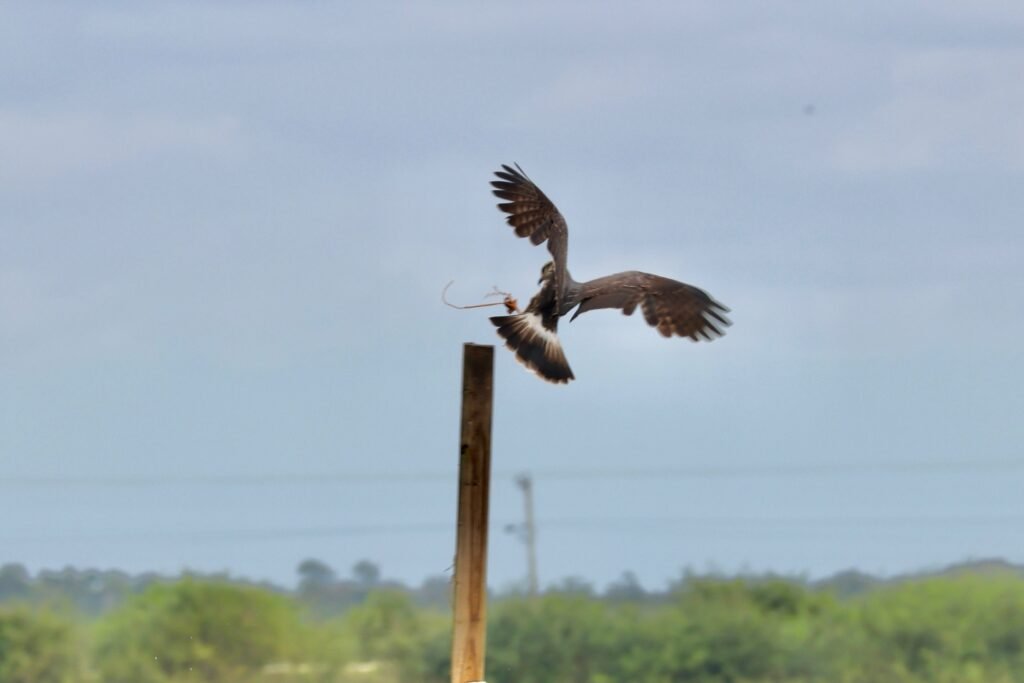
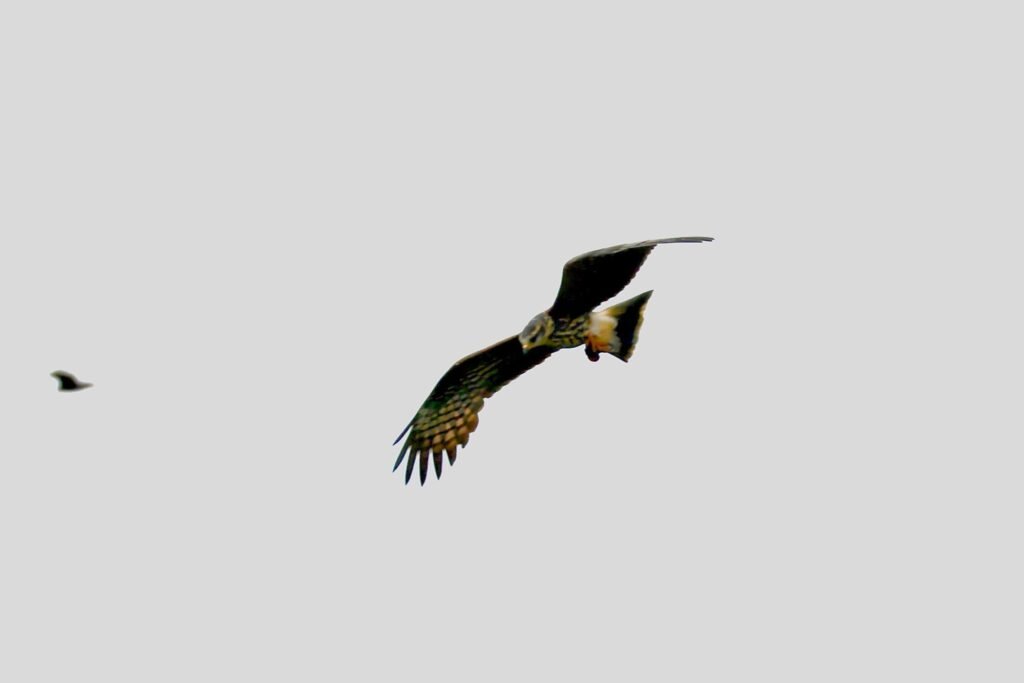
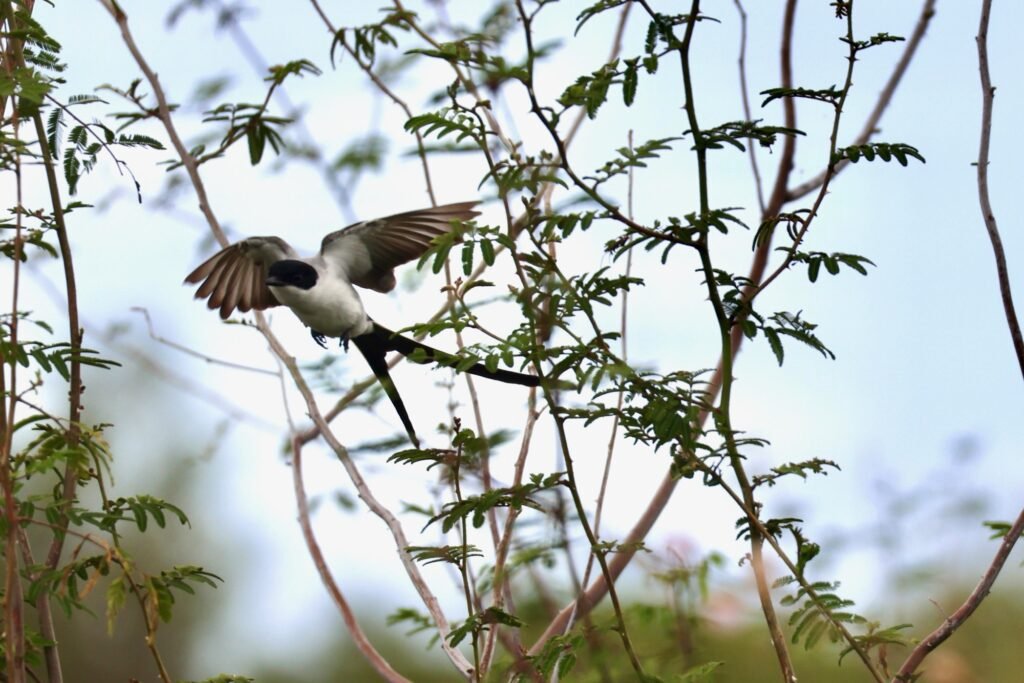
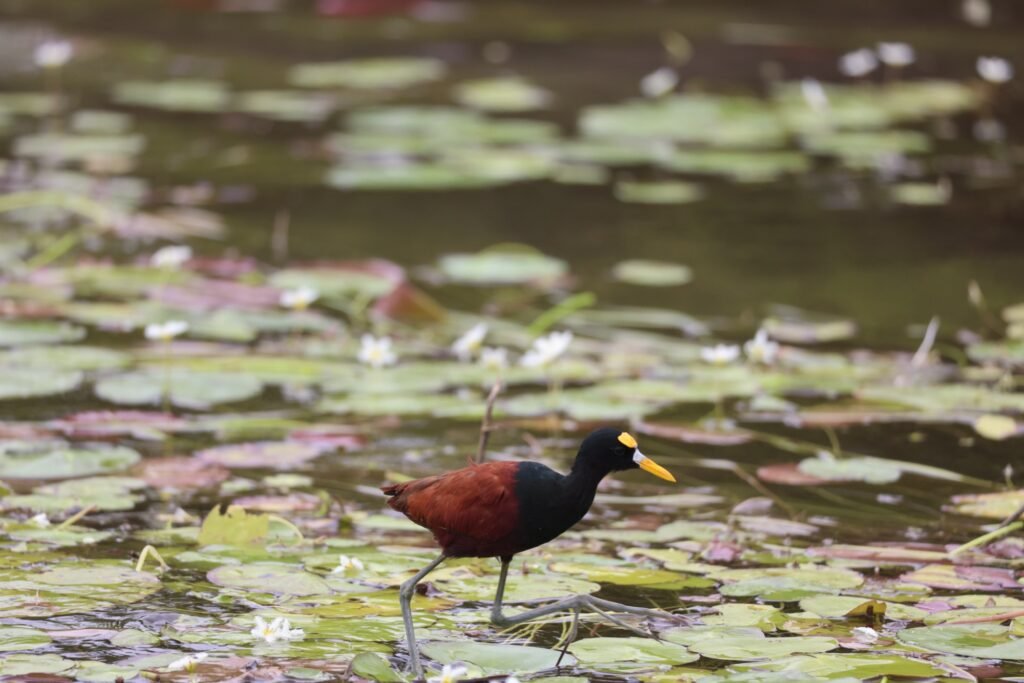
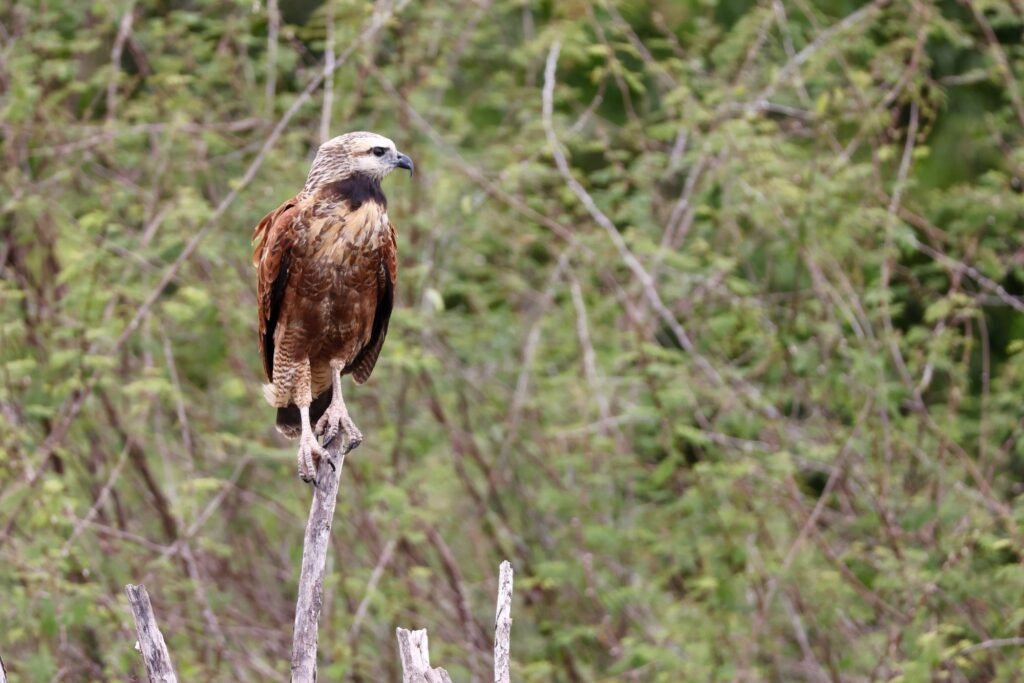
This trip could put a serious dent in our dilettante status as we had to get up at 5 a.m. to be sure we got tickets for the first tender into port. Our driver gave us interesting history and cultural information on the hour+ trip to the Sanctuary. Once there, he turned us over to our birding guide, Robert. Before we left the dock, we had 3 species, Snail Kite, Mangrove Swallow, Least Sandpiper, 2 of which were Life Birds.
Snail KiteSnail Kite
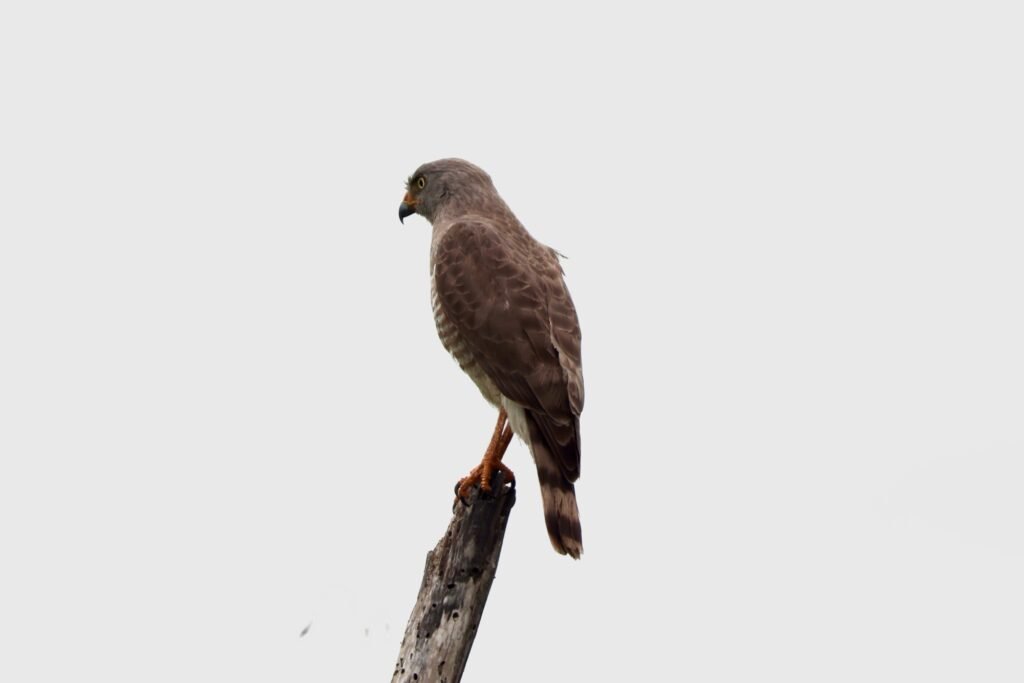
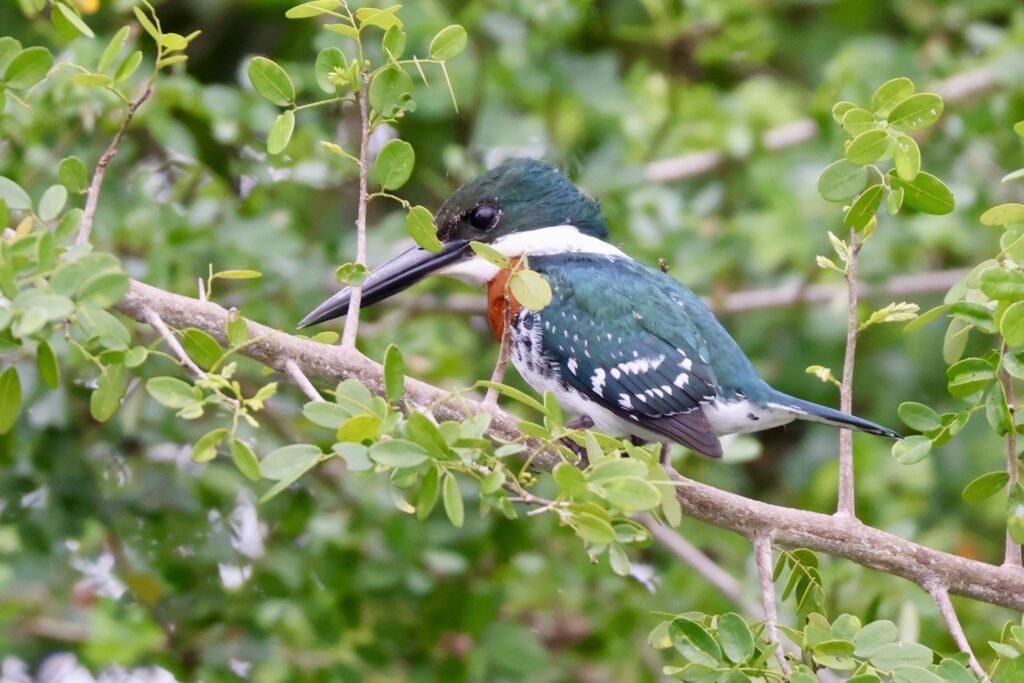
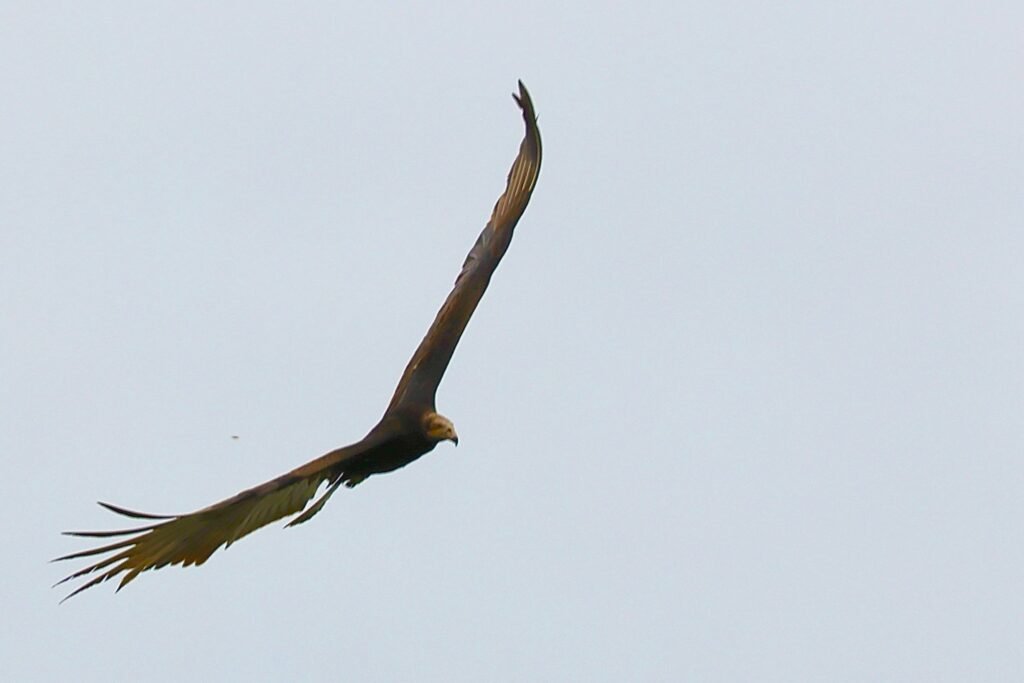
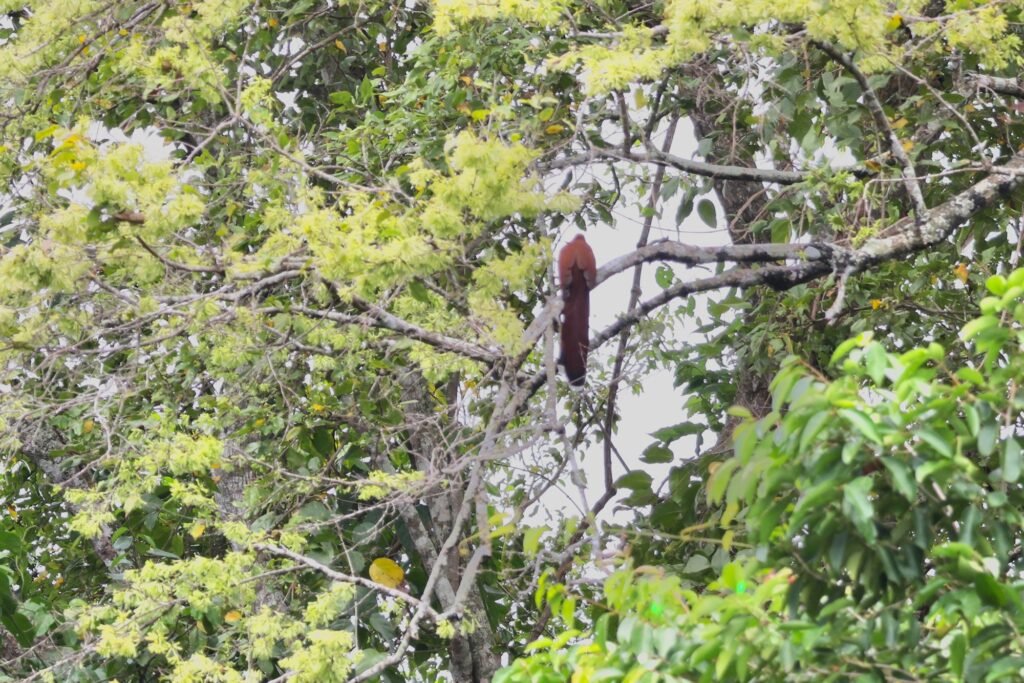
Robert piloted us around the lagoon for 2 hours. He was most knowledgeable and patient. My eyesight is not the sharpest and he took pains to try different methods of pointing out hard to see birds, making sure not to move until I spotted them. The dark, cloudy day did not help my vision or photographs. Despite less than ideal conditions, we managed 33 species and 14 Life Birds.
It was a wonderful experience that we will try to repeat here and in other locations now that we have our non-cruise connected excursion under our belts.
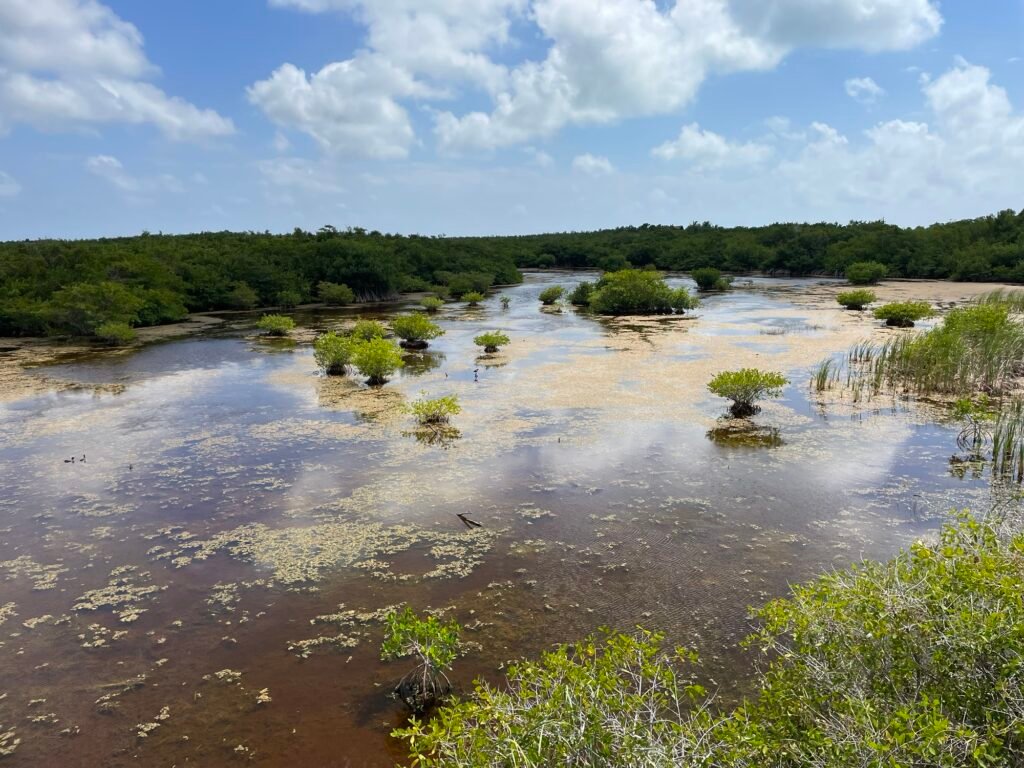
Our last port, Cozumel, was supposed to be a beach day, no birding planned unless seabirds flew by. Although we did know there were supposed to be a lagoon and trails, we didn’t have high expectations so no camera other than cell phone. We never found trails, but the boardwalk over the lagoon was a surprise. We snagged our last Life Bird, Tropical Mockingbird, on our return trip across it, as well as familiar species like grackles, coots, kingbirds, and Kiskadees.
Lagoon in Cozumel
With birding becoming such a popular activity, we hope that cruise lines will add birding activities to their excursion lists. If not, it is doable without too much effort.