
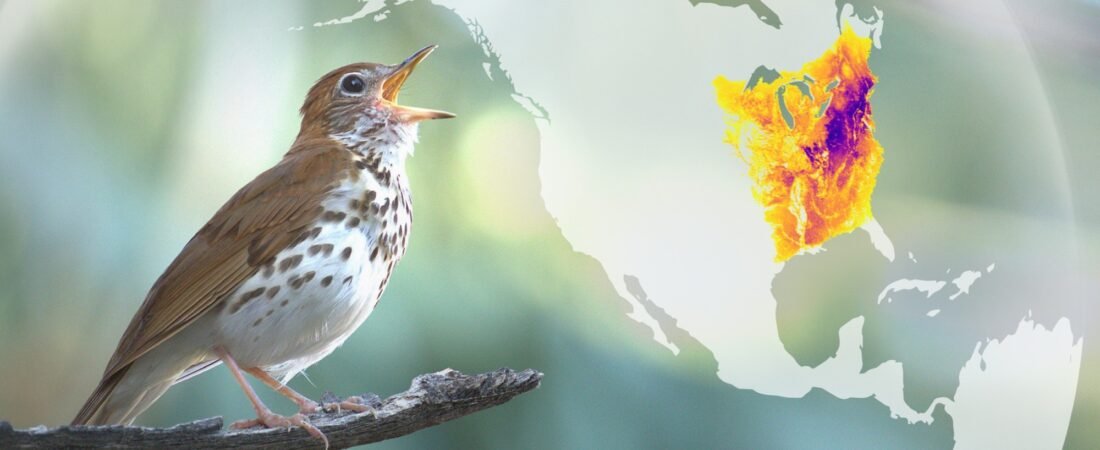
If you’ve ever wondered how birders and birdwatchers keep track of the birds they see, the most common answer is eBird. But what is eBird, and why should we use it?
eBird is a project where birdwatchers from all over the world share their bird sightings. Run by the Cornell Lab of Ornithology, it lets anyone, anywhere, help scientists and conservationists learn more about birds. All you need to do is keep track of the birds you see and enter them using the website or the free mobile app.
How Does eBird Work?
By keeping checklists in the app, or online. When you go birdwatching, just write down what you see. If you list every bird you spot, that’s a “complete checklist.” If you only want to share the highlights or a few special sightings, that’s an “incomplete checklist.” Both are welcome!
Easy to Use
The eBird app works even if you don’t have an internet connection. It helps you find your location, suggests birds you’re likely to see that day, and makes it easy to add your sightings, even when you’re out in the field.
Why Should You Use eBird?
For Birders:
· Keep track of your life list: eBird saves a running count of all the bird species you’ve seen.
· Find new places: You can check out local “hotspots” to see where others have spotted birds and discover new places to visit.
· Stay connected: The app and the website both help you connect with other birdwatchers and even organizations that care about birds.
For Science and Conservation:
· A huge collection of data: All the sightings together make one of the biggest bird databases in the world.
· Helps scientists: Researchers use this information to study things like how bird diseases spread or how to take care of bird habitats.
· Protects birds: Your observations help conservation groups make better decisions and prove how important birdwatching is for science.
This short video provides more information.
You may also enjoy learning more from these articles.
How eBird data is used to model probabilities of bird sightings.
Submitted by Jennifer Jerome