
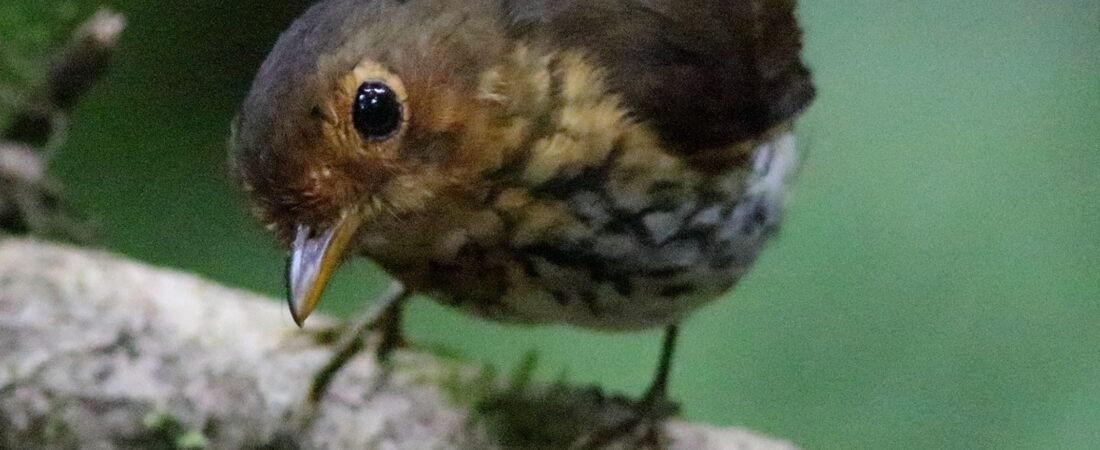
In late July and early August, Eileen and I were in Ecuador. We spend 14 days on a trip arranged by Wildside Nature Tours entitled “Ecuador West to East Andes.” We would find over 400 species of birds, and I was able to capture photographs of 226 of them. Instead of giving you a blow by blow, day by day description, in the next few blogs, I intend to focus on select groups of birds—antpitta, hummingbirds, toucans and allies, Tanagers, and some very specialized species.
First some background. Ecuador has documented 1700 species of birds. Ecuador, a country about the size of Colorado (which has 333 species of birds) and a little more than three times the size of South Carolina which documented 446 species, a little less than a quarter of the birds. (Ecuador 109,484 sq mi vs. South Carolina 32,020.49 sq mi) Why? The answer lies in the Andes Mountains. The west coast of Ecuador rest on the Pacific Ocean and includes the Galapagos Islands. The high peak of the Andes Chimborazo rises 20,548 ft from sea level. The highest point in South Carolina, Mount Sassafras, reaches 3.554 ft. above sea level. The high elevation of Ecuador runs down the spine of the country so the west part drains to the Pacific Ocean and the east drain down to the Amazon River and eventually the Atlantic Ocean. The mountains created an impassable barrier for many species, creating a myriad of different habitats governed by rainfall and elevation. While we were there in August, the west was dry and the east wet. Traveling just a couple of thousand feet up or down drastically changes the temperature by 5 degrees per 1000 feet. This results in a change in vegetation and therefore the animal species composition. Our trip made basically a line transect up and over the mountains.
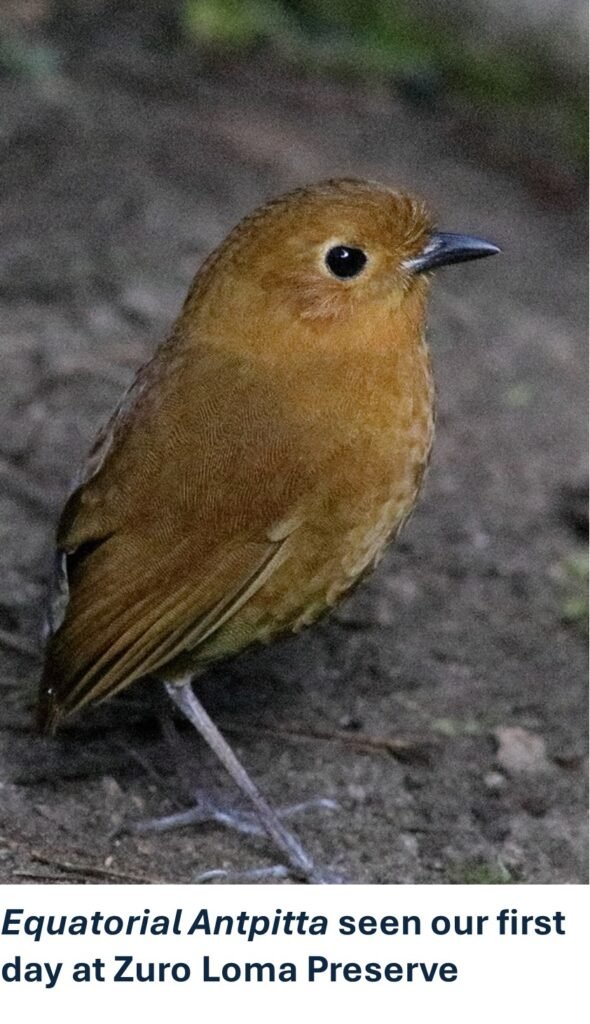
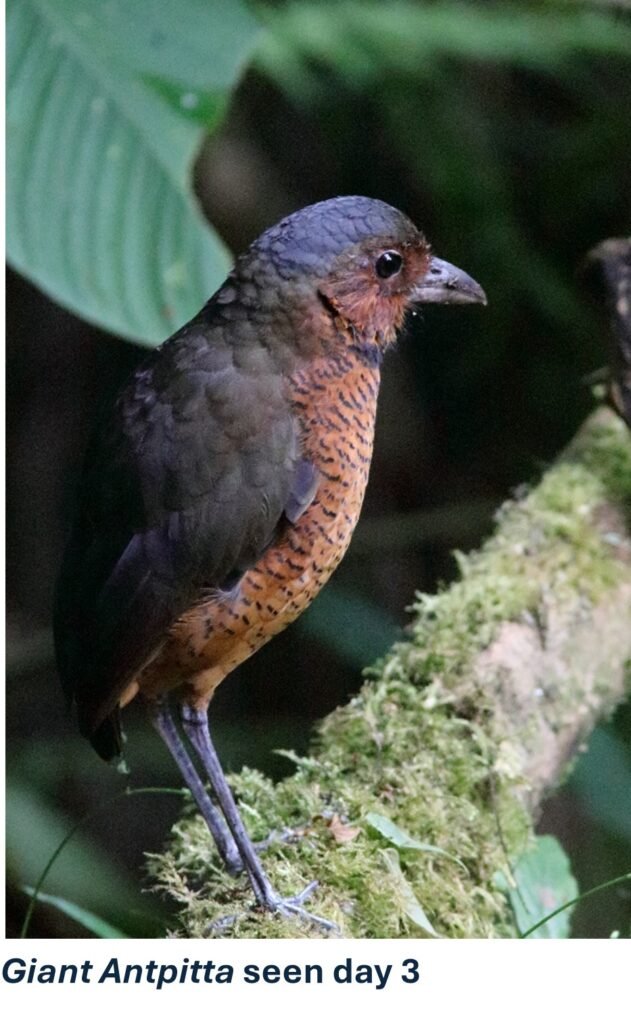
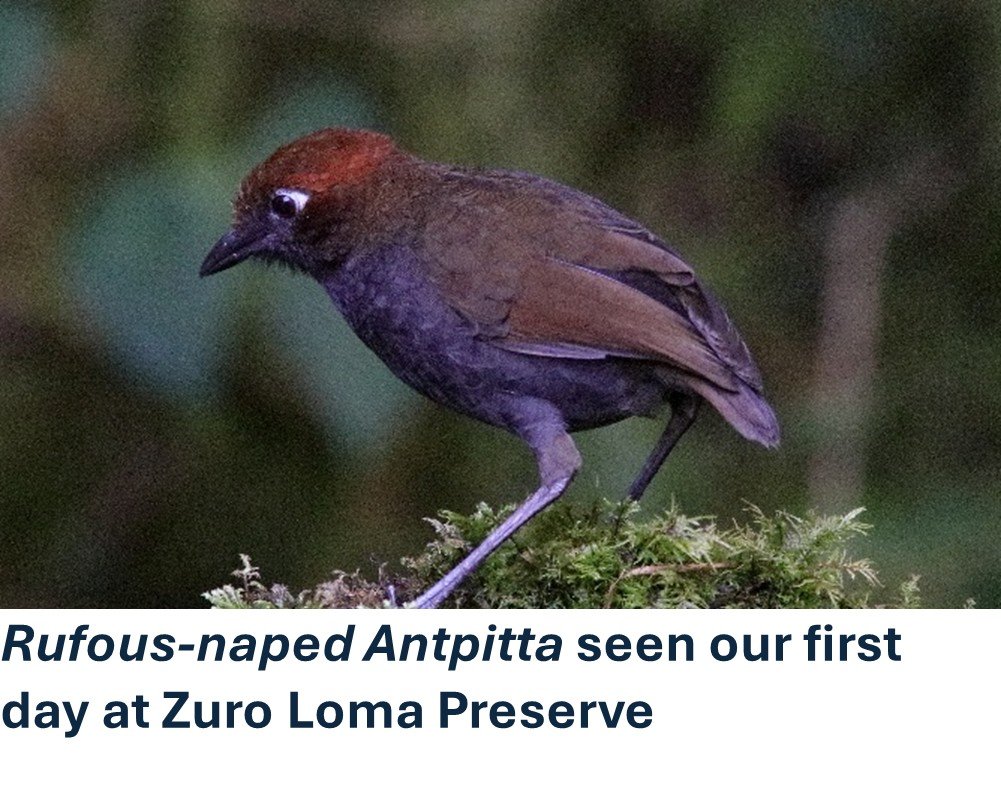
In Ecuador, theoretically, one can find 23 species of Antpitta. We were lucky enough to find 9 species, and I would capture images of just 5 species. For many birders antpittas are highly desirable. Mid-sized birds that love dark heavily vegetated corners that one can best describe as skulky, these birds prove challenging to find.
All of the species appear tailless, long legged, cryptically colored, and spend most of their time on the ground. Needless to say, deforestation wreaks havoc on these birds.
How do you find such an elusive bird? About 20 years ago, a private landowner struck upon the idea of attracting a Giant Antpitta to a feeder and charging visitors to see them, just like using a hummingbird feeder to draw those species. They are very careful to follow some guidelines. Only set up a feeder well away from normal traffic and only feed once a day so the birds don’t become dependent.
All but one antpitta we found came to a feeder. Often the owner of the small sanctuary would go to a vegetation covered nook and call out the names they gave the birds visiting or whistled to attract the bird’s attention as we stood quietly nearby. Each time, a bird would sneak out and grab a mouthful of worms.
Below, I have picked a few of the Antpittas we saw and posted their range map to give you an idea of 1. how unusual they are and 2. to demonstrate the importance of elevation and location in relation to the Andes Mountain for the various species.
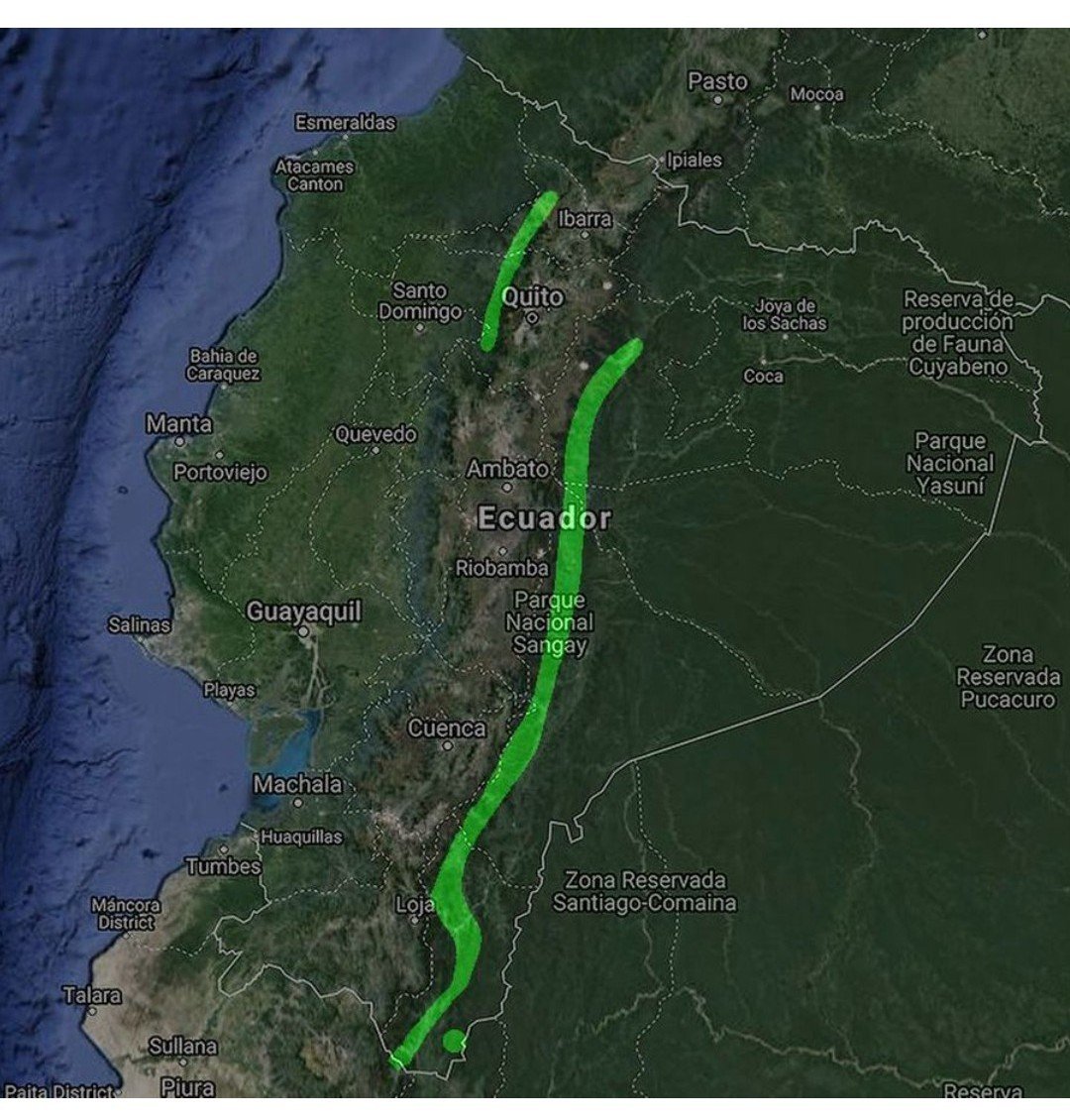
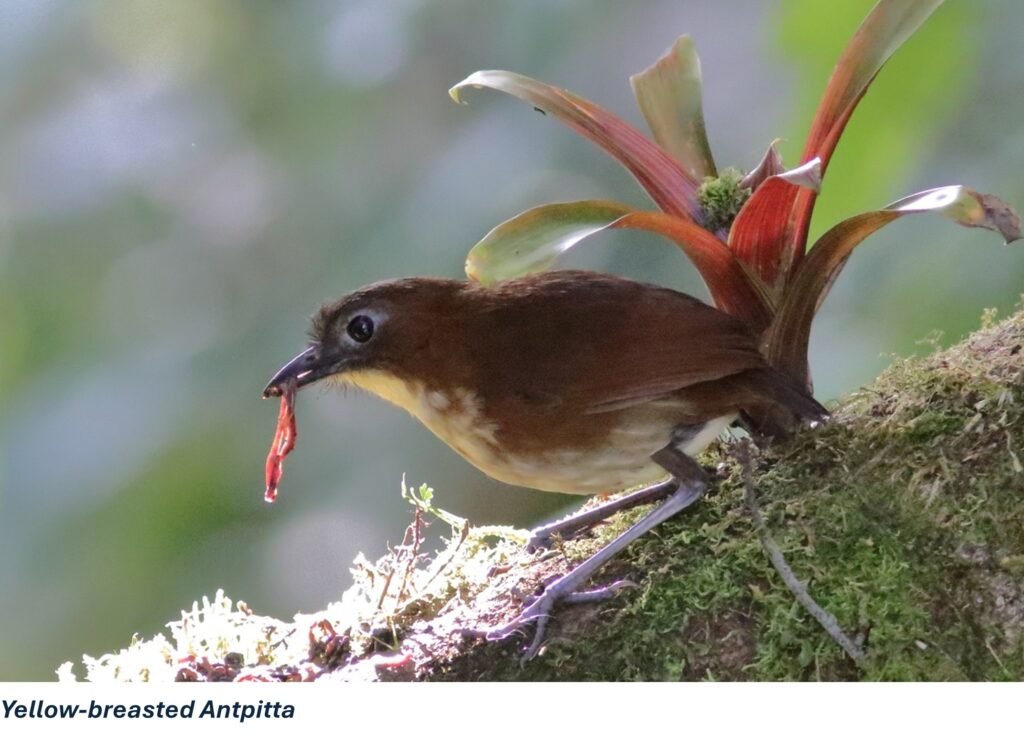
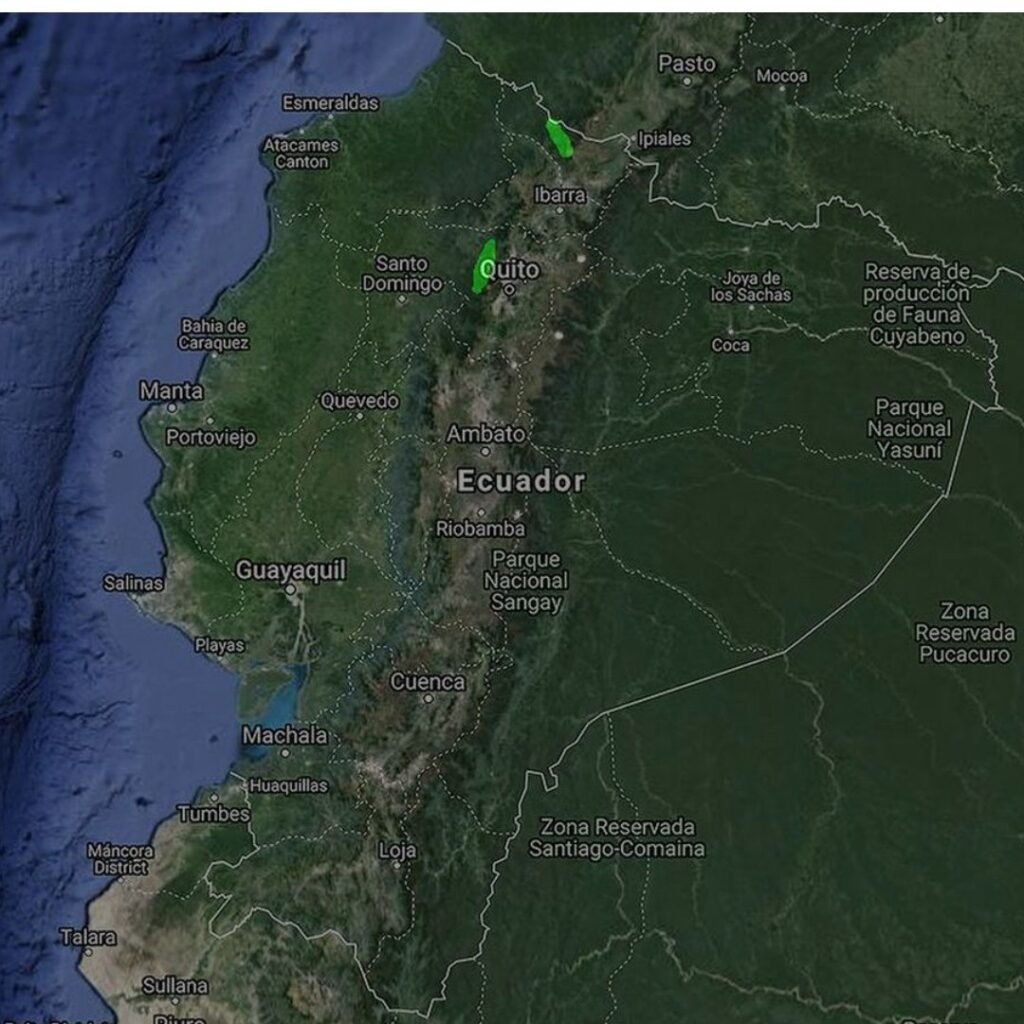
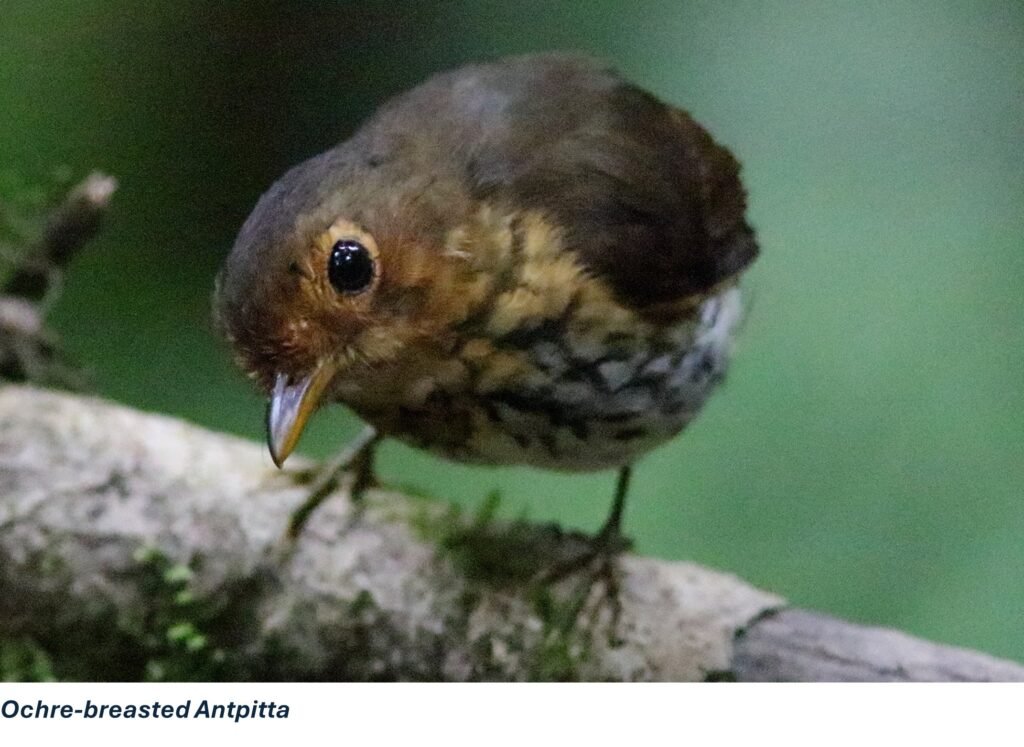
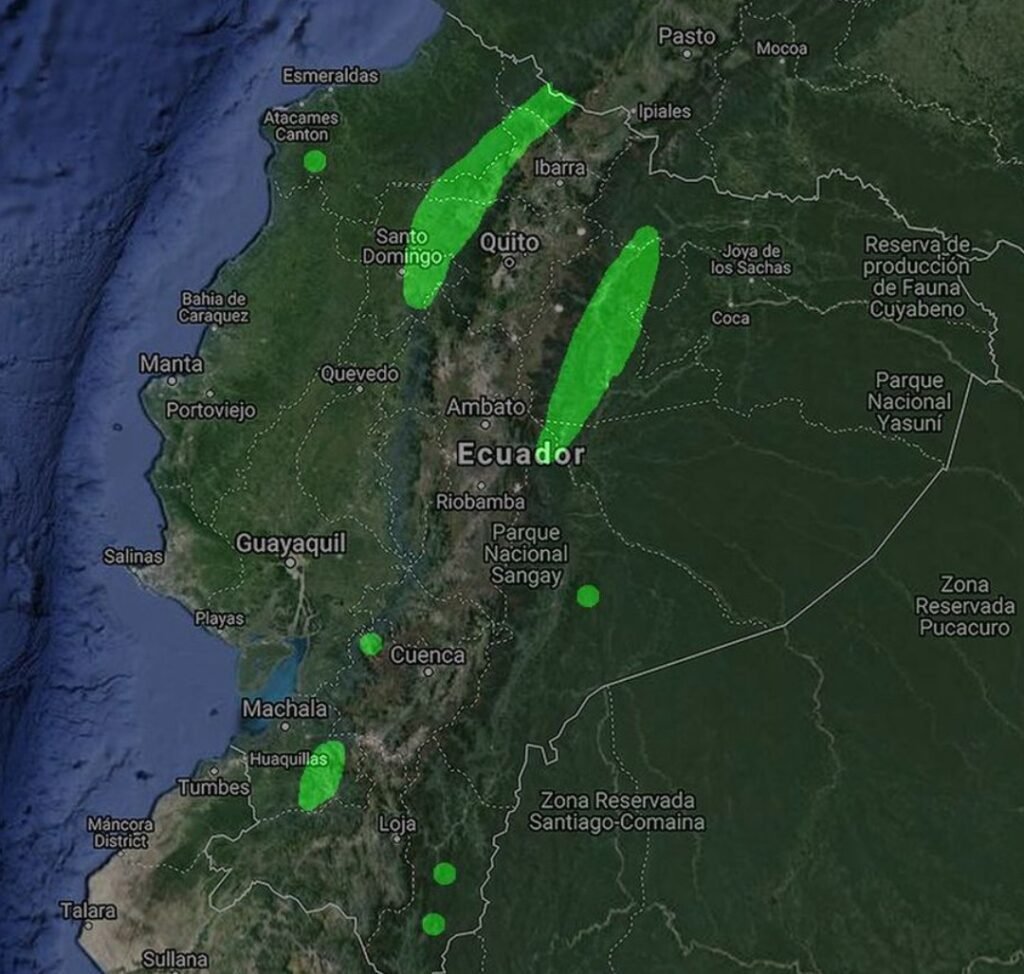
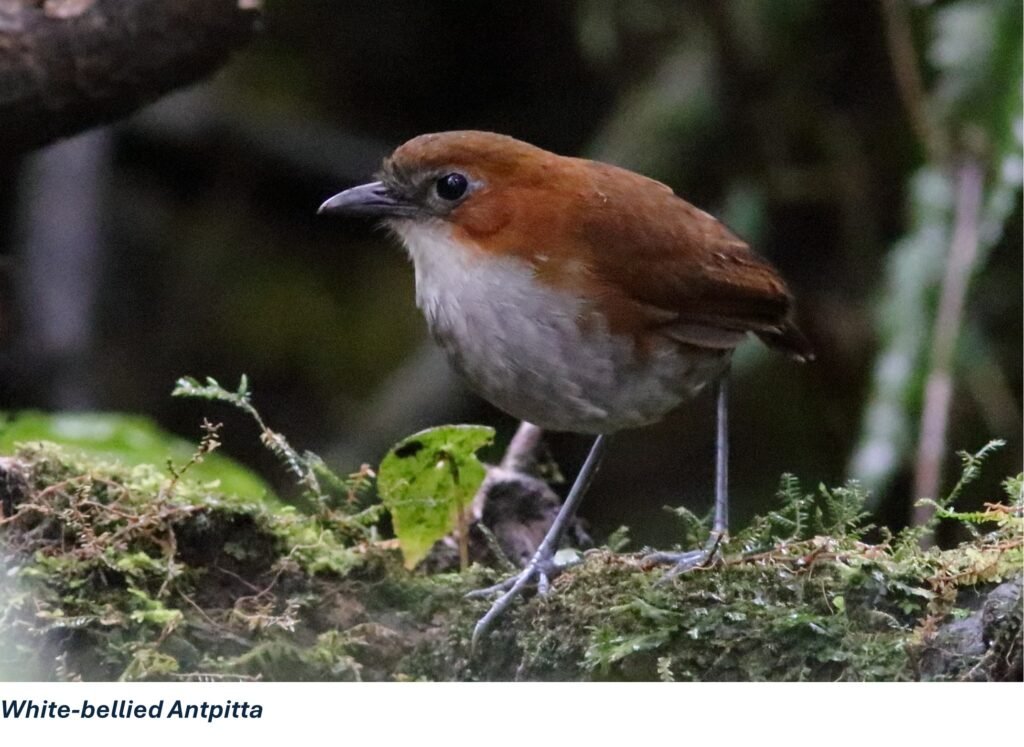
White-bellied Antpitta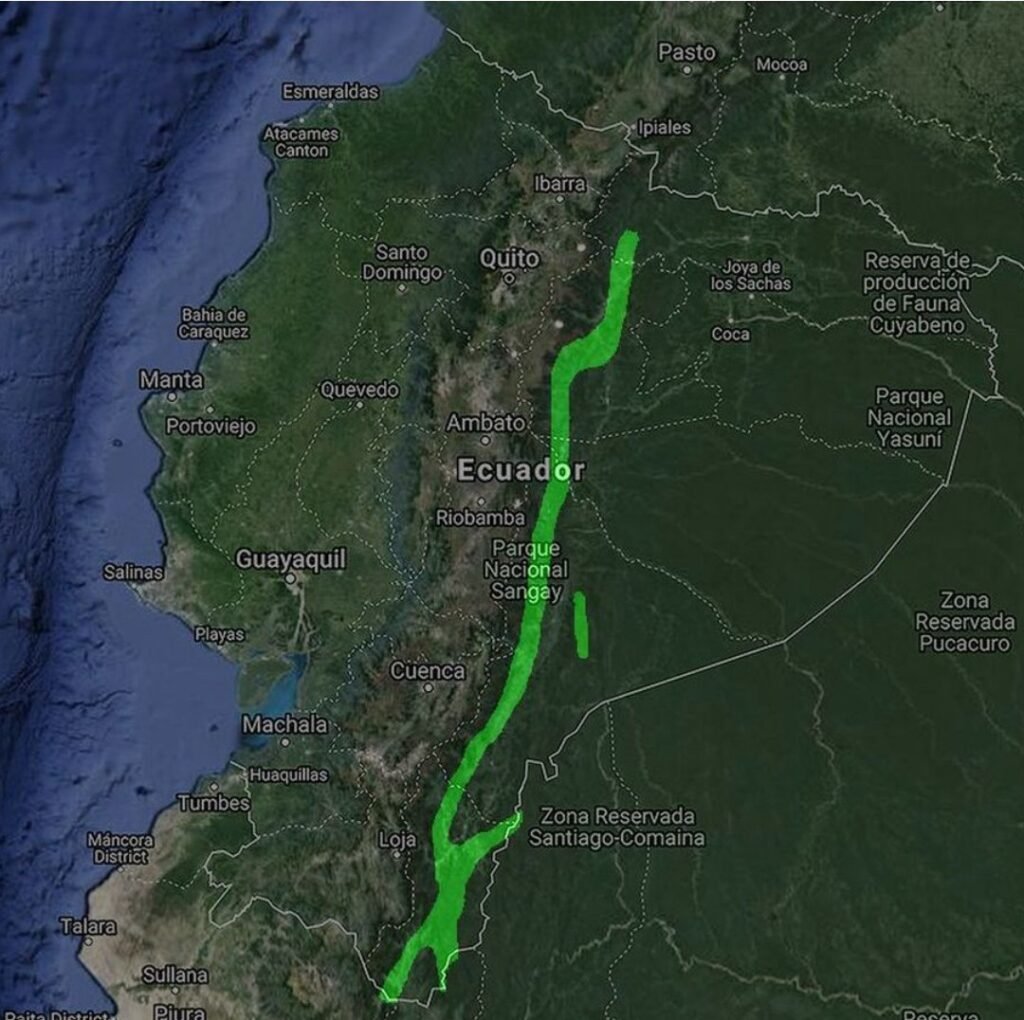
These secretive birds can now be found at places like Zuro Loma, Refugio Paz de las Aves (the first location to train antpittas), Guango Lodge, and Cabanas San Isidro. Ecuador has embraced bird tourism. As we rode around, we saw many signs promoting locations for birding. The many tour groups that visit each have their favorite locations to visit, all of them produce a wide variety of bird species. We are glad we used a tour service as identifying that many new birds would have been impossible. Also, the road system leaves much to be desired, and the drivers make our local nutjobs look sane.
The Antpittas represent a tiny portion of the potential birds to be seen in Ecuador. While not the most stunning to look at, their secretive habits make them hard to find without visiting one of the known locations. With each visit, the landowner received compensation further encouraging them to preserve their property and share it with visitors, a win-win.
Up next will be the hummingbirds. If you enjoy our single species, the Ruby-throated Hummingbird, don’t miss the spectacle of many species, shapes, and sizes!
References
The Paz family who started the feeding of Antpittas – About Paz de las Aves | pazdelasaves.org
The maps are from Ridgley, Robert S. and Paul J. Greenfield. The Birds of Ecuador Field Guide electronic version published by Birds in the Hand LLC.
Written by Bob Mercer
Photos by Bob Mercer