
Back when I managed a nature center, I regularly met with our county forester to walk our trails. With our expertise, we would decide how to manage the trees. It took a little time for me to convince him of my vision, but once we were on the same page, it worked like a charm.
Our objective was to identify the “hazardous” trees. That is very different from identifying the dead or dying trees. A dead tree that hung over the trails or real close to a structure and could fall and hurt something or somebody needed to be removed. A dead tree far enough away from the trail/structures or one that leaned away from the trails/structures we left standing. If we could remove the branches from one side of a tree so that the center of gravity leaned away from the buildings or trail, we would remove those branches but not cut the tree as it would naturally fall away from the trail or building. Why not just cut it down? A dead tree is a source for tremendous life. It may look dead, but it is teeming with life.
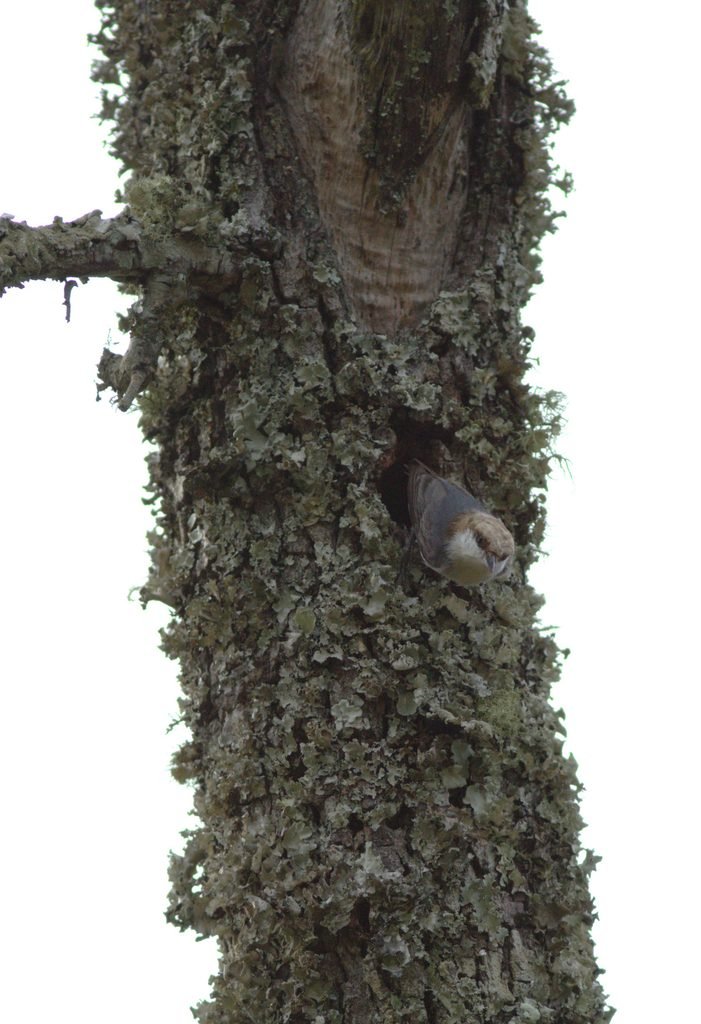
To me, a dead tree works like an apartment complex. Many denizens lived in or on the tree, while a whole host of other creatures use the tree as a resource. Once a tree dies, the insects and fungi start to work on it. Other insects and creatures find hiding locations under the flaking bark. The insects attract woodpeckers, nuthatches, and other insect eating birds.
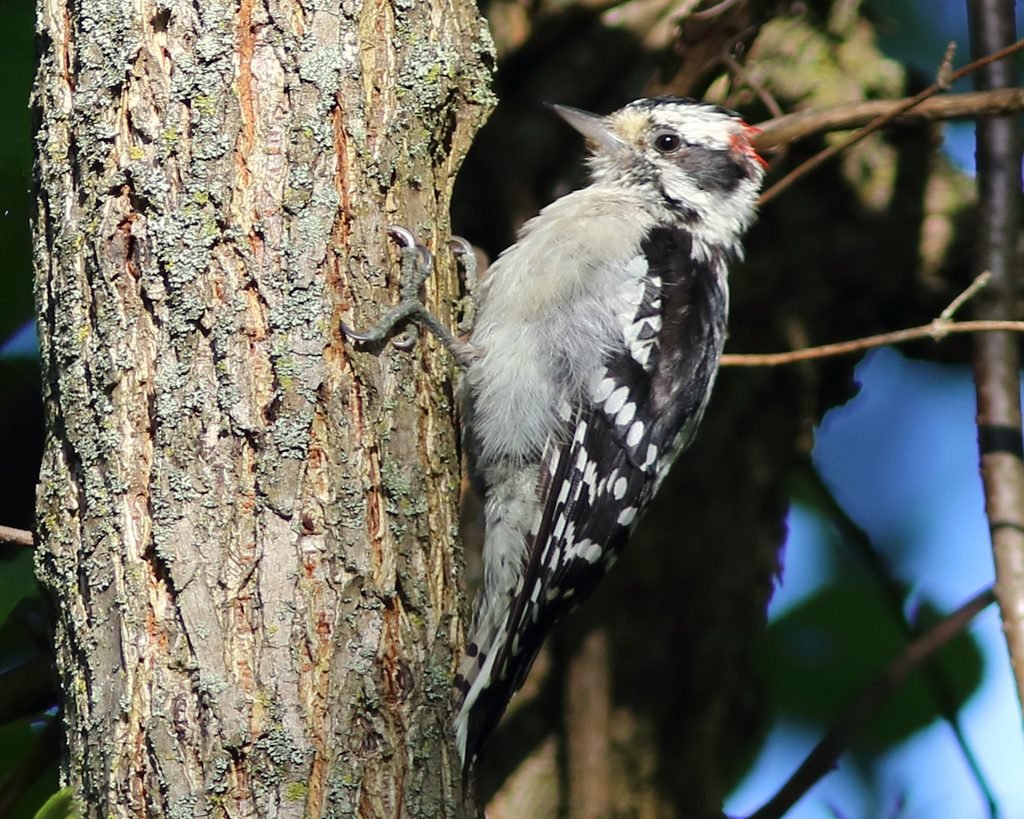
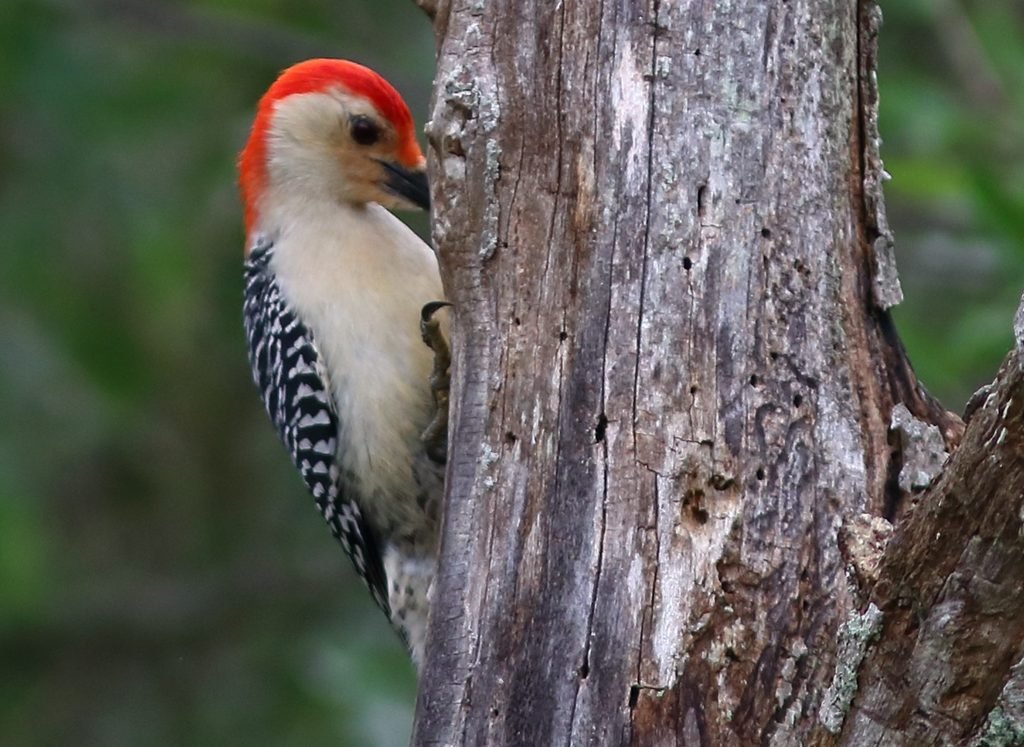
Once the tree has reached a certain level of decay, woodpeckers can build their homes. In North America, only the Red-cockaded Woodpecker builds a nest in a living tree. All others are dead tree obligates (meaning they cannot survive without a dead tree). Our local nesting woodpeckers include the following from left to right: Downy Woodpecker, Red-bellied Woodpecker, Northern Flicker, Pileated Woodpecker, and Red-headed Woodpecker.
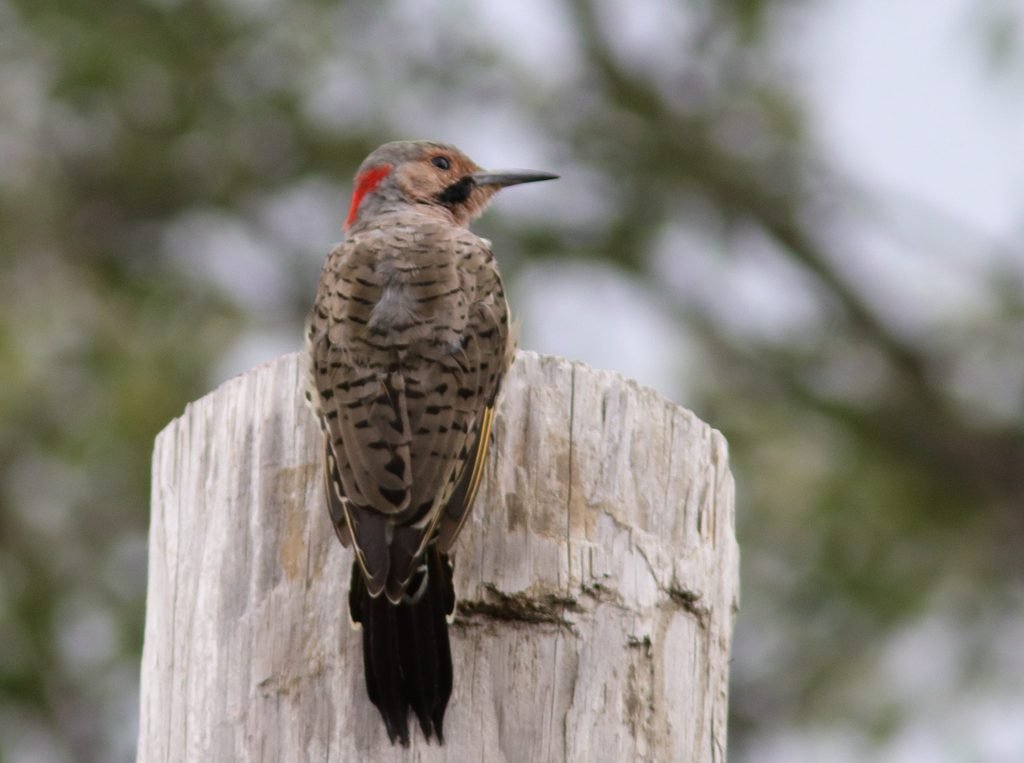
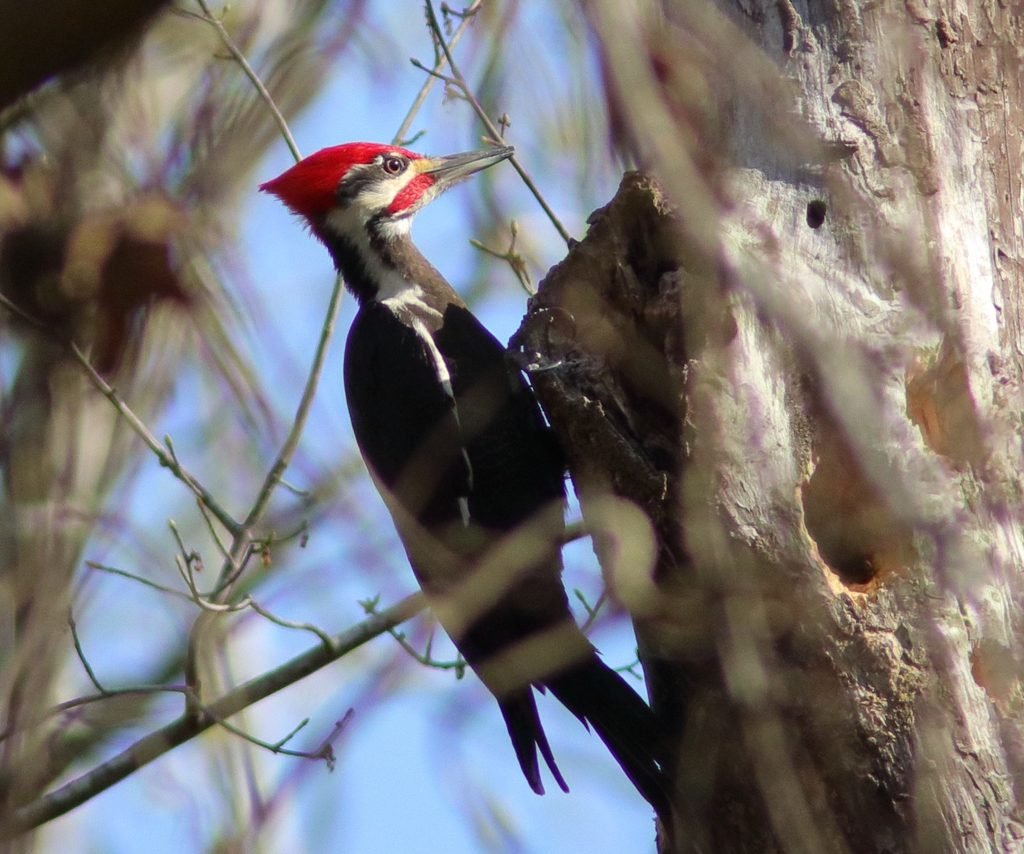
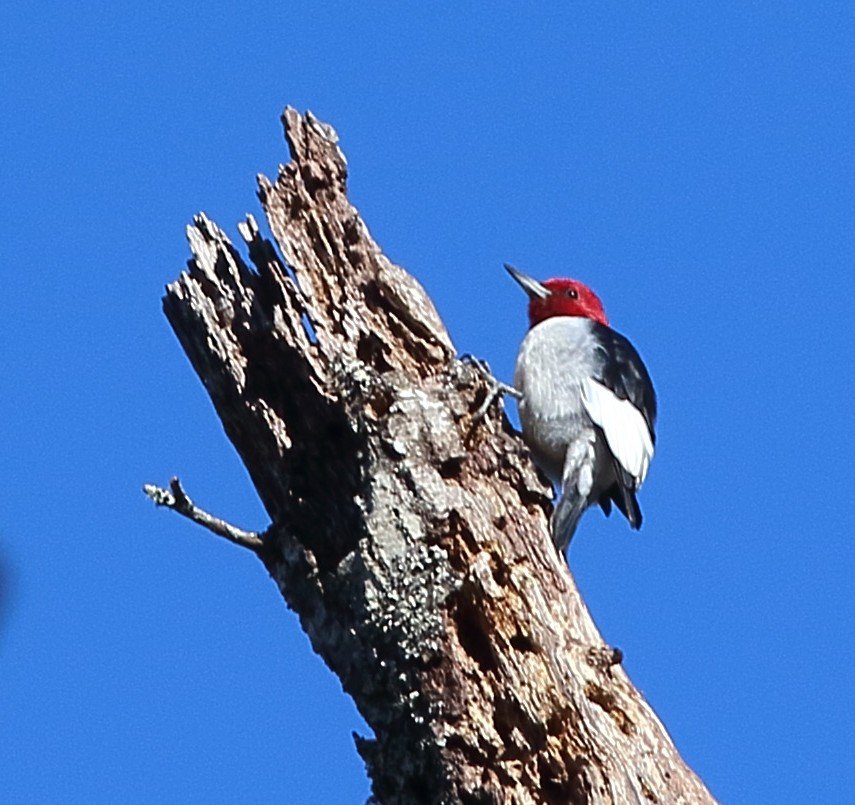
Since a woodpecker uses a hole for just a single season, once vacated, that hole provides shelter and nesting locations for cavity nesting birds like Carolina Chickadee, Tufted Titmouse, Brown-headed Nuthatch, Eastern Bluebird, Prothonotary Warbler, Eastern Screech-owl, and Wood Duck. All of these birds must have a cavity to successfully procreate. Some, but not all, will readily use manmade cavities.
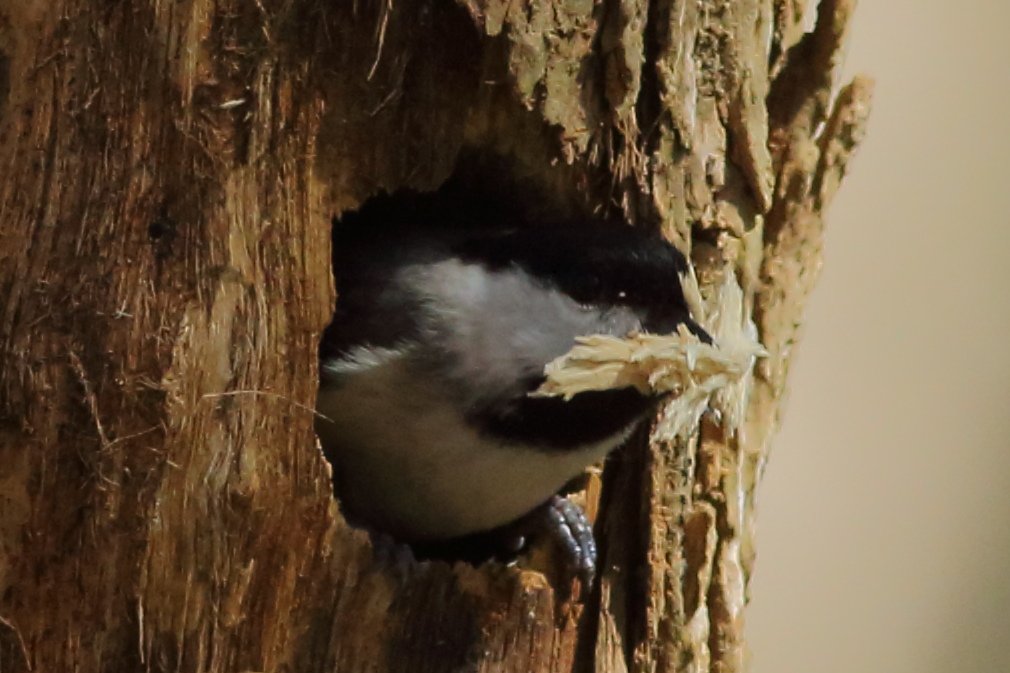
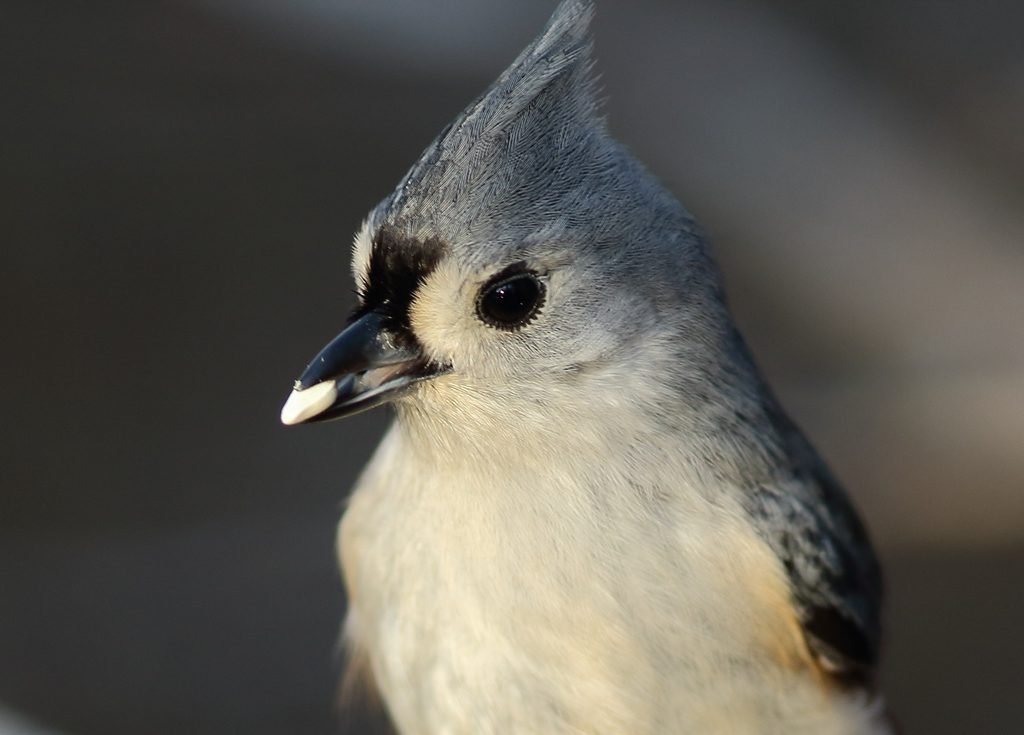
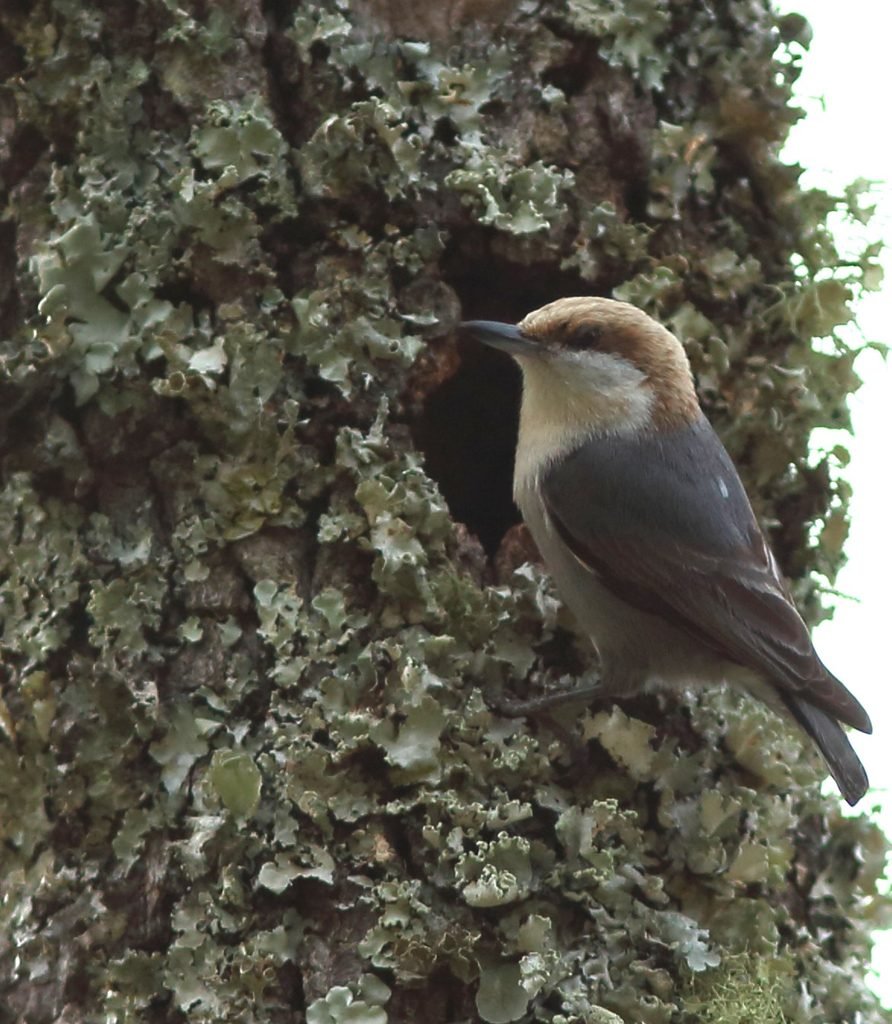
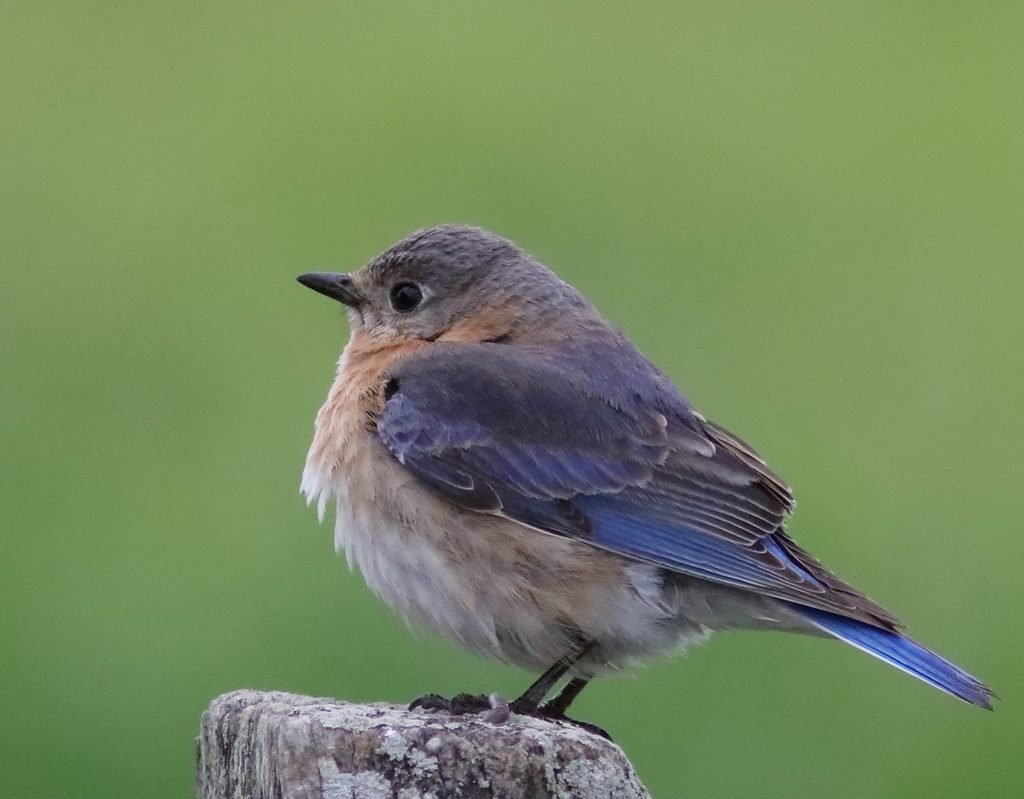
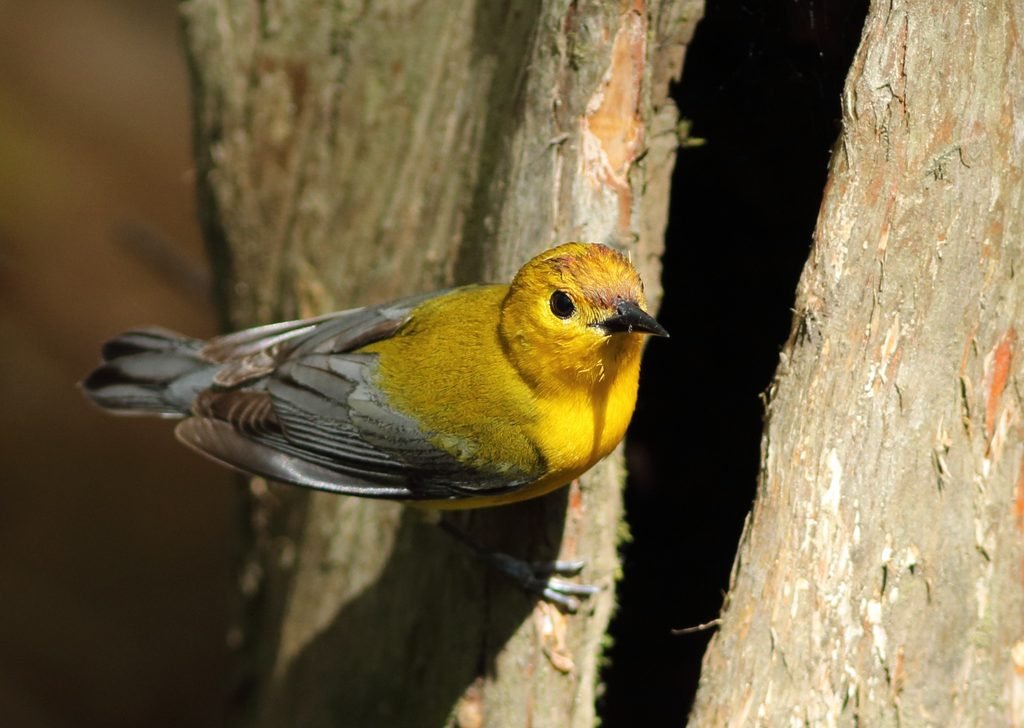
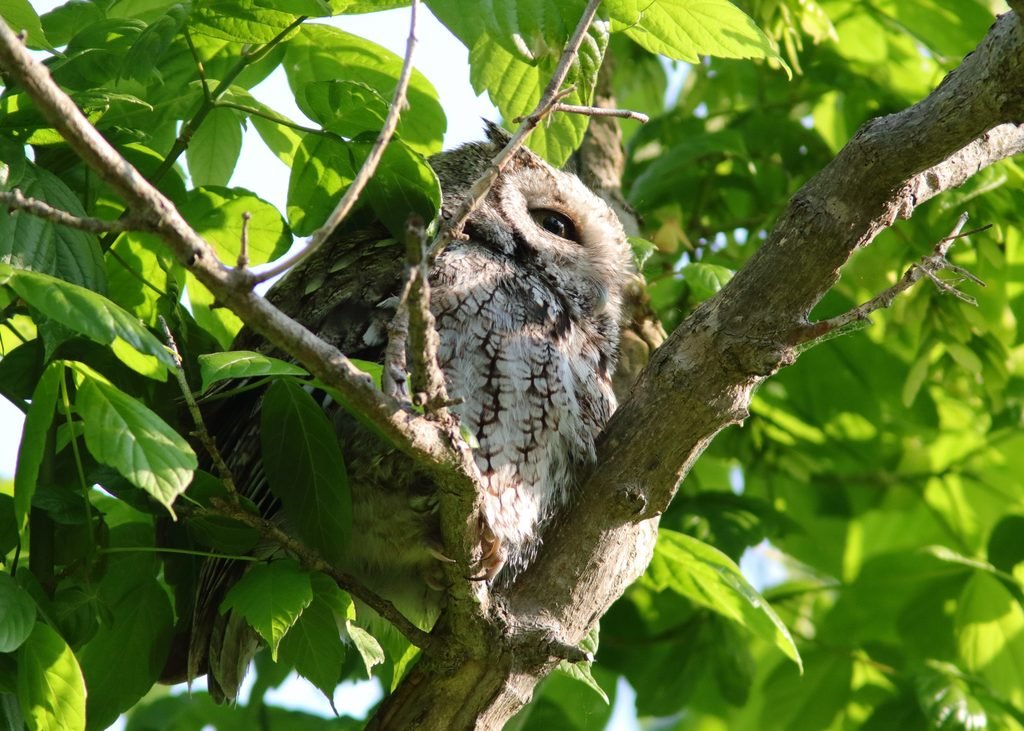
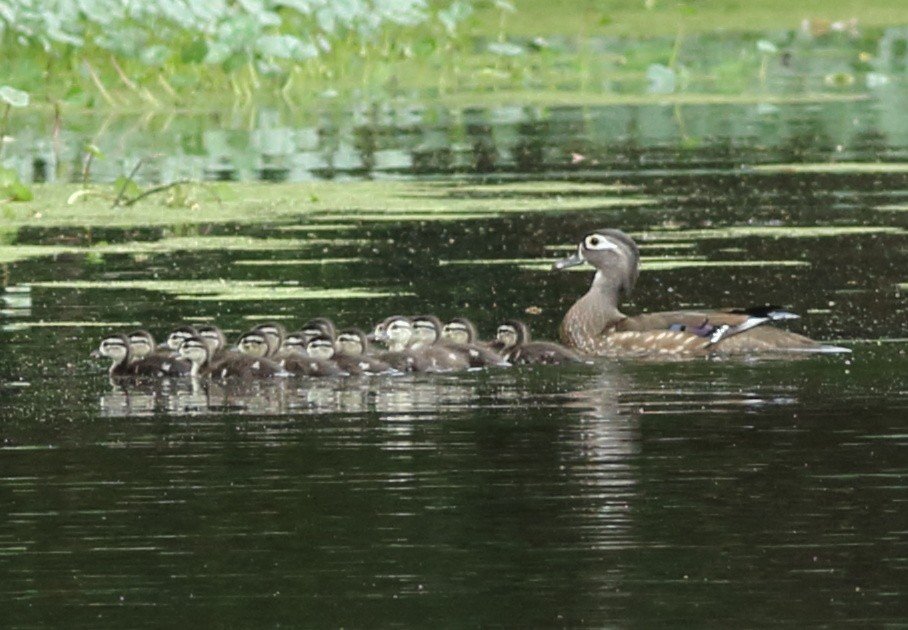
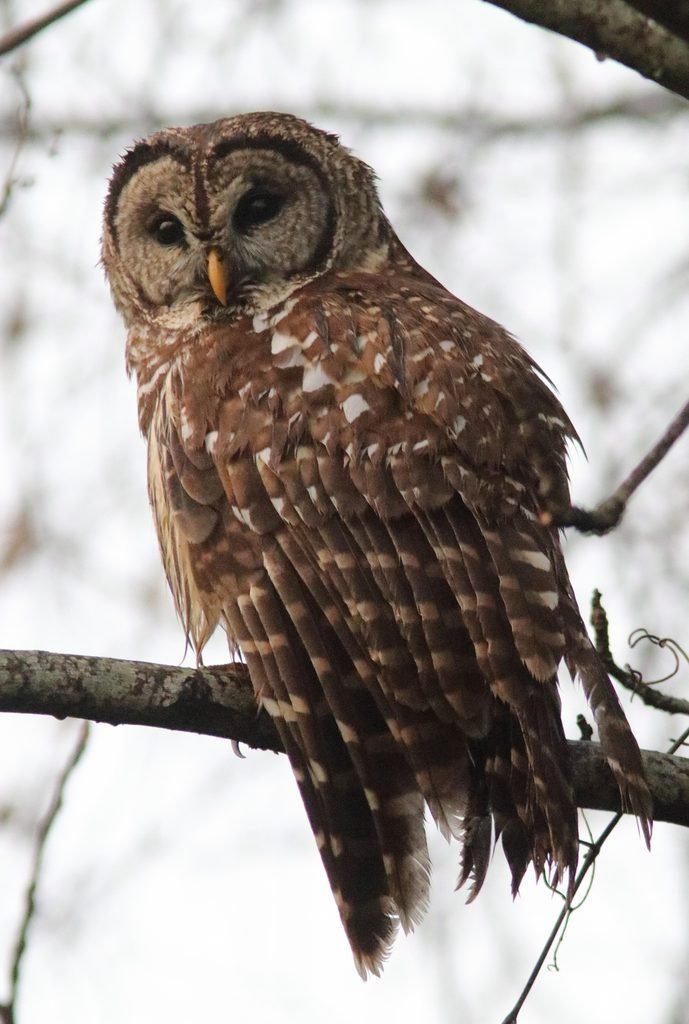
When a larger branch rots away, or a tree with a large cavity, it can provide a secure location for animals like Barred Owls, Raccoons, and Gray Squirrels.
What other uses are there for a dead tree?
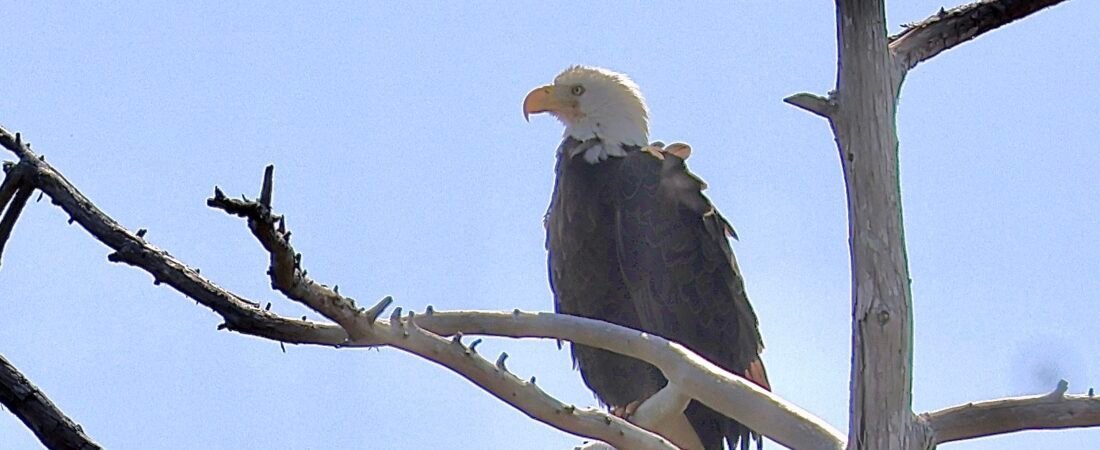
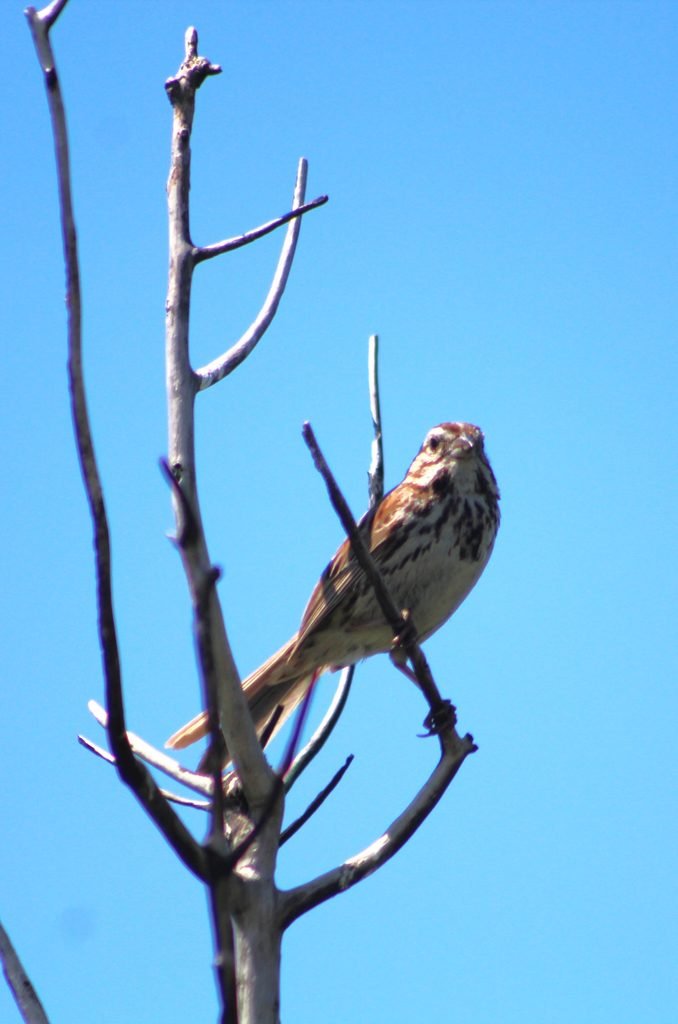
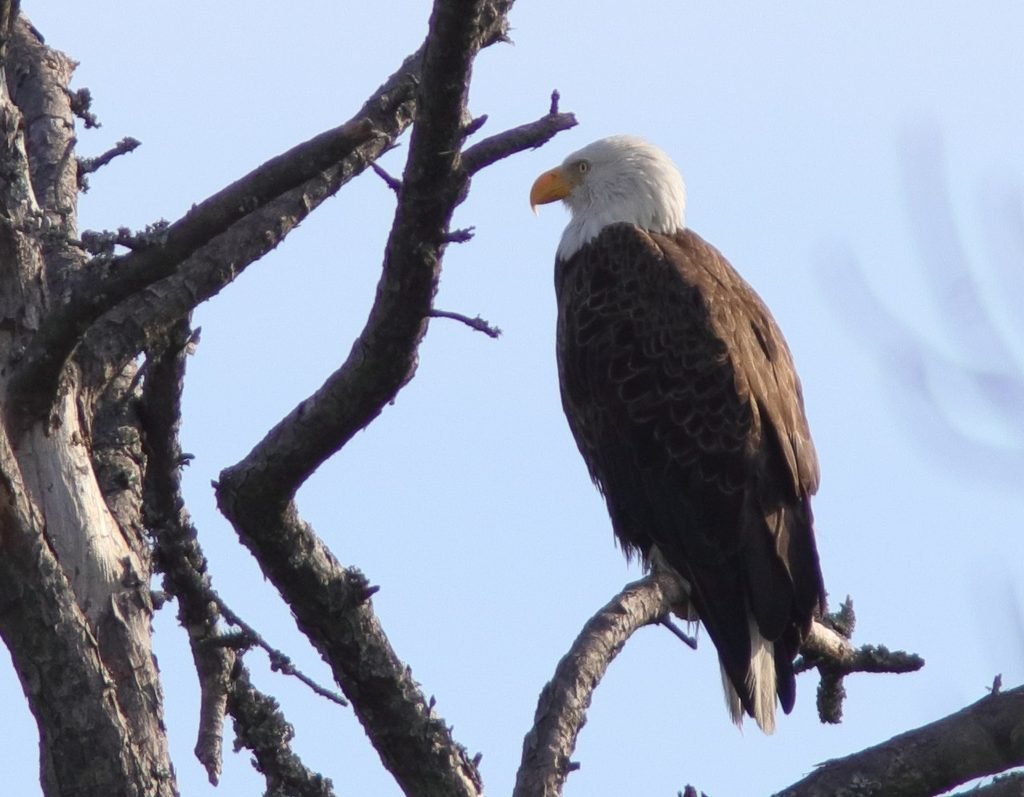
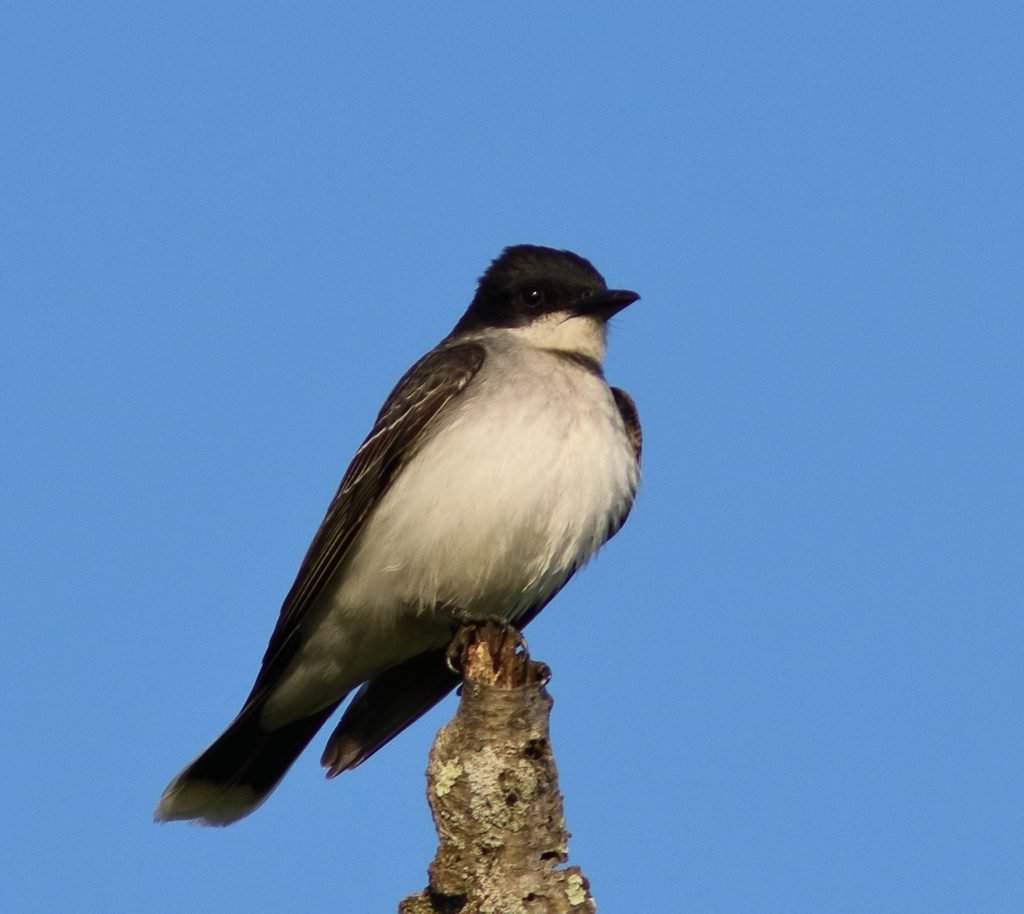
Birds of all sizes from the tiny Song Sparrow to the large raptors like the bald Eagle use dead trees for looking posts. From this clear vantage, they can search for food or dangers. Flycatchers like the Eastern Kingbird use the perches to locate their food.
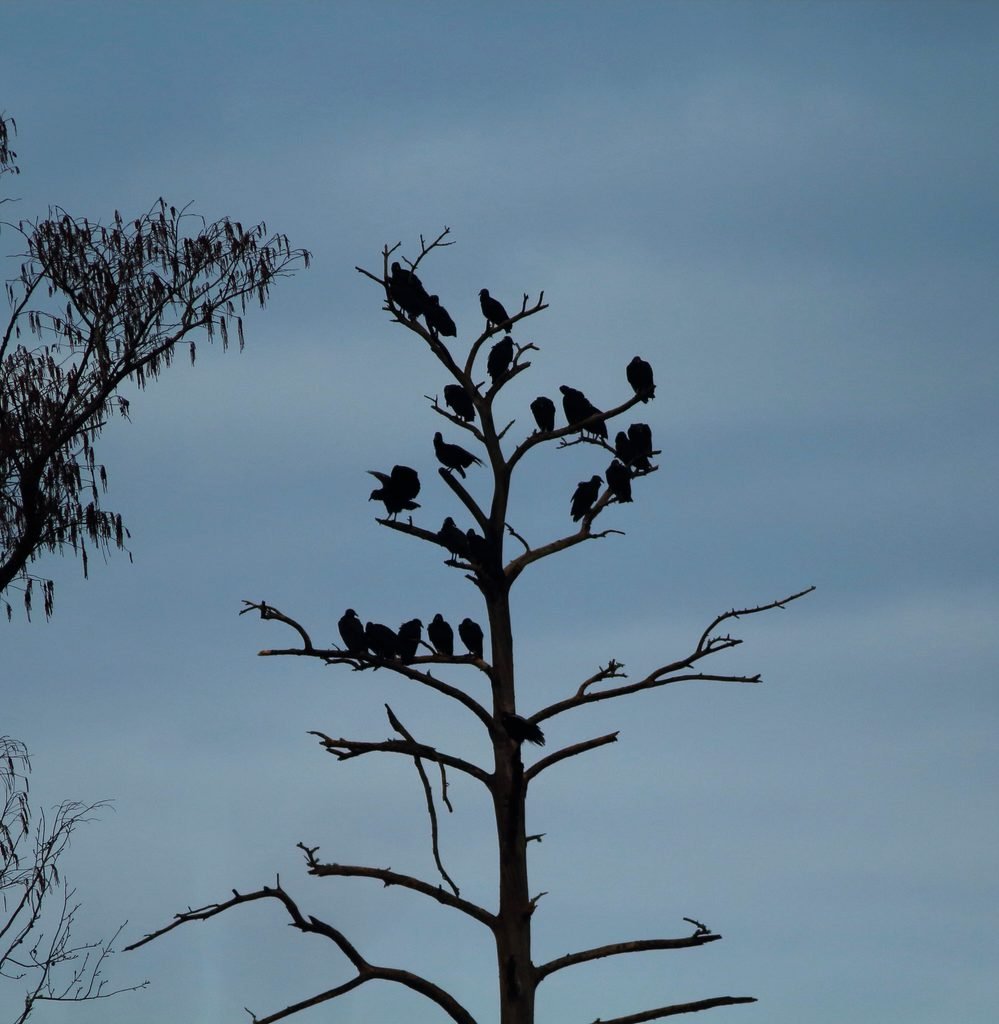
Other birds, like these Black Vultures waiting for the sun to rise, utilize dead trees for resting.
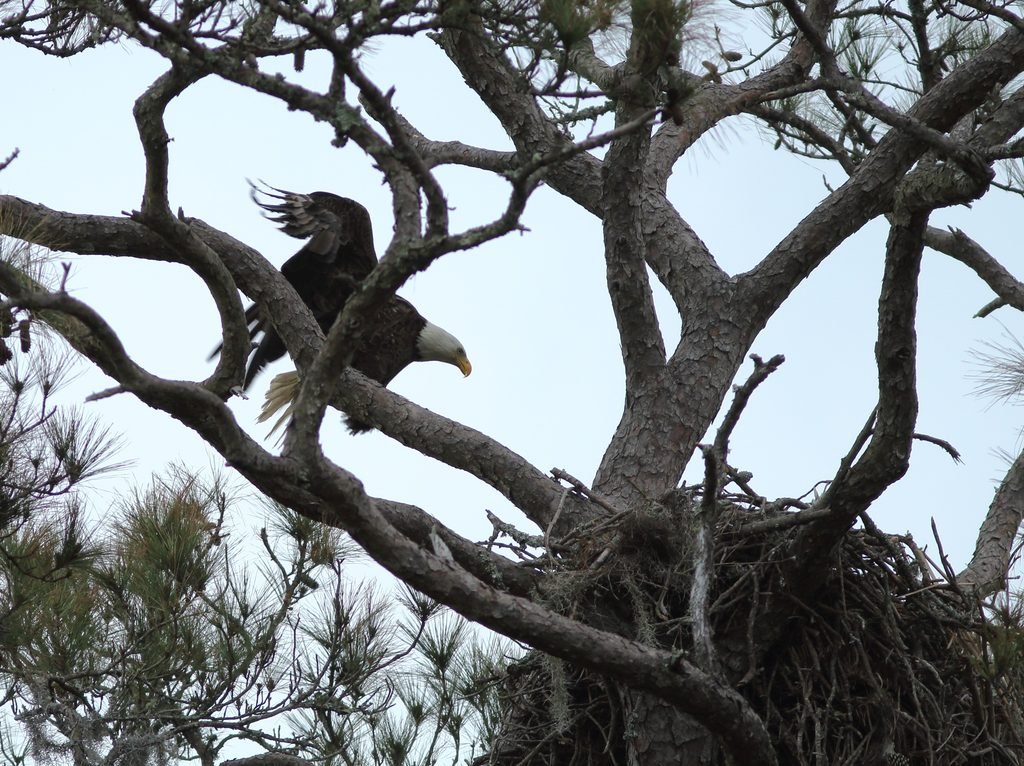
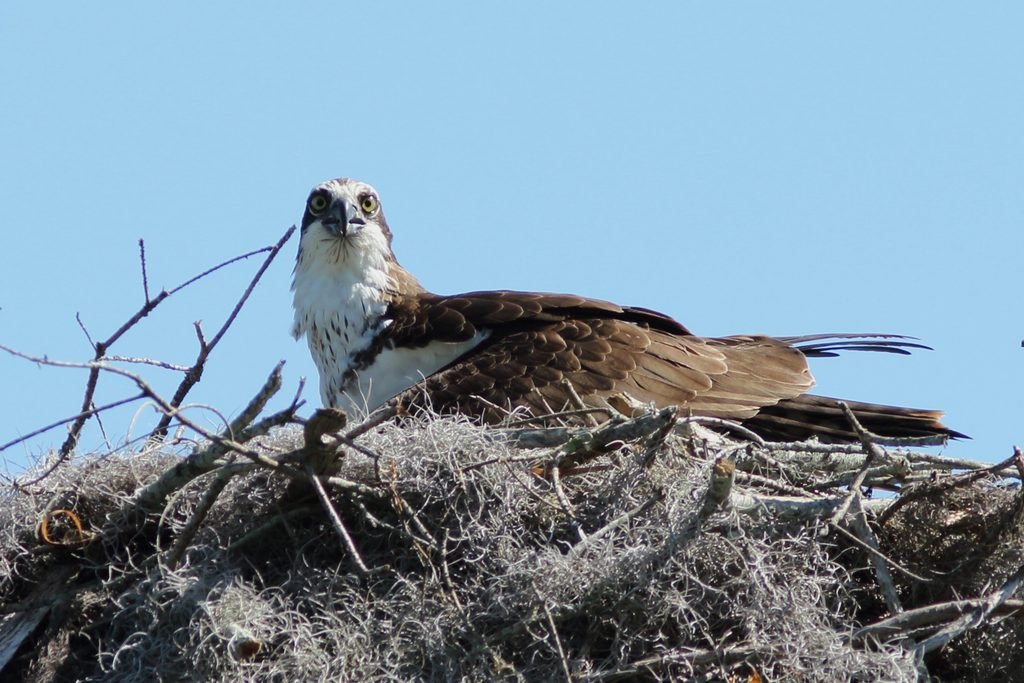
When you see the huge Bald Eagle or Osprey nests, think about where those branches came from. A dead tree run through a chipper won’t help them much. A dead tree can be a great resource to encourage those and other species to nest.
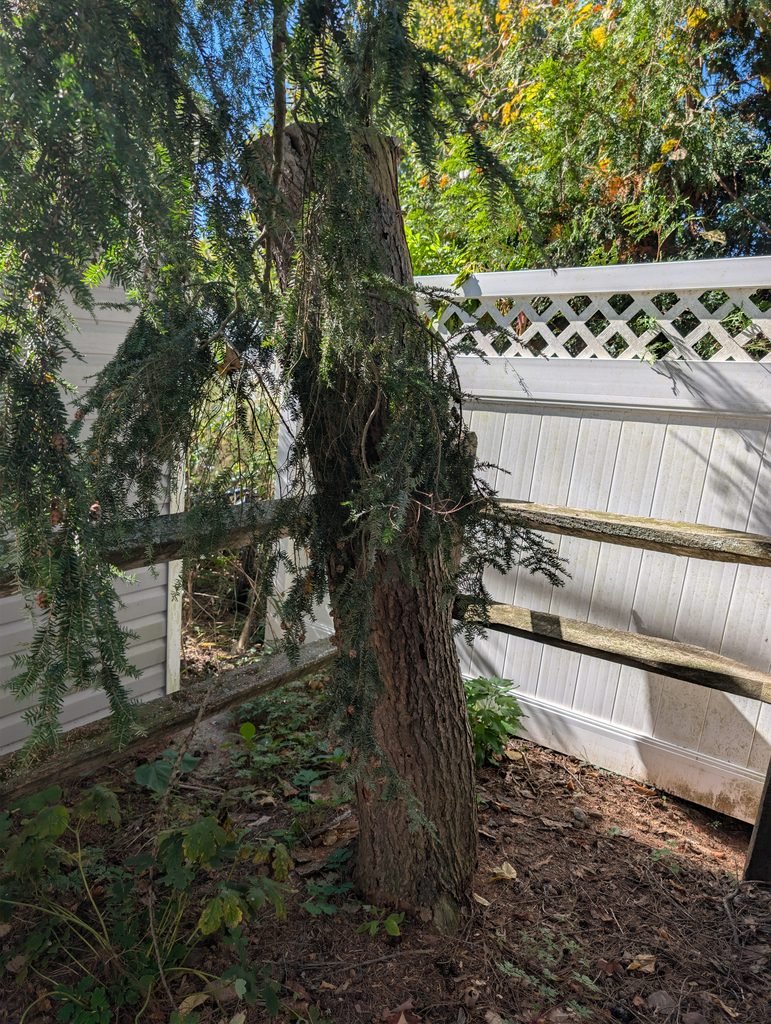
A dead tree located where it will not fall and hurt people or damage property can be left standing to serve the ecological functions. A tree that has large branches that might break and fall can have those branches trimmed and a major part of the trunk left standing for the benefit of wildlife. At my home in Pennsylvania, I still have the trunk of a Hemlock tree standing behind my shed. The tree was damaged in Hurricane Sandy. I cut it down to a level where if it fell, it would not hit my neighbors shed. For the last 14 years, I left it there for whatever animal wishes to utilize the resources therein and they do.
Once a tree falls naturally in the woods, they create new opportunities for life as the insects, fungi, and bacterial decay turn the wood into soil. Nothing is wasted in nature. Turn over a decaying log and you will find a host of creatures using it. Everything is eventually eaten and returned to the soil. A dead tree is a major component of that function.
When faced with a decision as to what to do with a dead or dying tree, give serious consideration to if the tree or parts of the tree can be saved for wildlife. If it is not a hazard or the hazard can be mitigated, consider leaving it as a feature of your yard. Even though the tree is dead, it is still alive with life dependent on it.
Submitted by Bob Mercer
Photos by Bob Mercer
Feature Photo by Jackie Brooks
Leave a Reply