
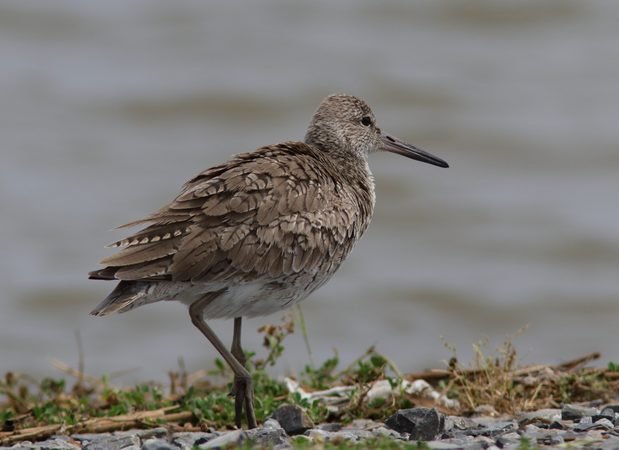
The American Ornithological Society (AOS) manages the taxonomy for birds in the Western Hemisphere. As scientists delve deeper into the variety of birds, their appearance, behavior, and preferred habitats, scientists recognize that the birds they observe may not fit so nicely with the accepted identification, so they propose changes. Once a proposal arrives at the AOS headquarters, the proposal paper and all of the supporting documents get sent to a host of other scientists to review. After serious review and communication (sometimes devolving into disagreements that may take years to resolve) the committee votes for or against a proposal.
If accepted, a proposal can lump two species into one. This happened years ago with the lumping of Red-shafted Flicker with Yellow-shafted Flicker to create the species we now call Northern Flicker. Other times, and more often, scientists decide that one species is actually two or more species. One of the birds in this year’s changes, the Southern Beardless Tyrannulet, is now four (4) species. On October 20, 2026, the AOS published the most recent accepted changes. There were twelve (12) of them. These changes impact five (5) regularly occurring species on Seabrook Island.
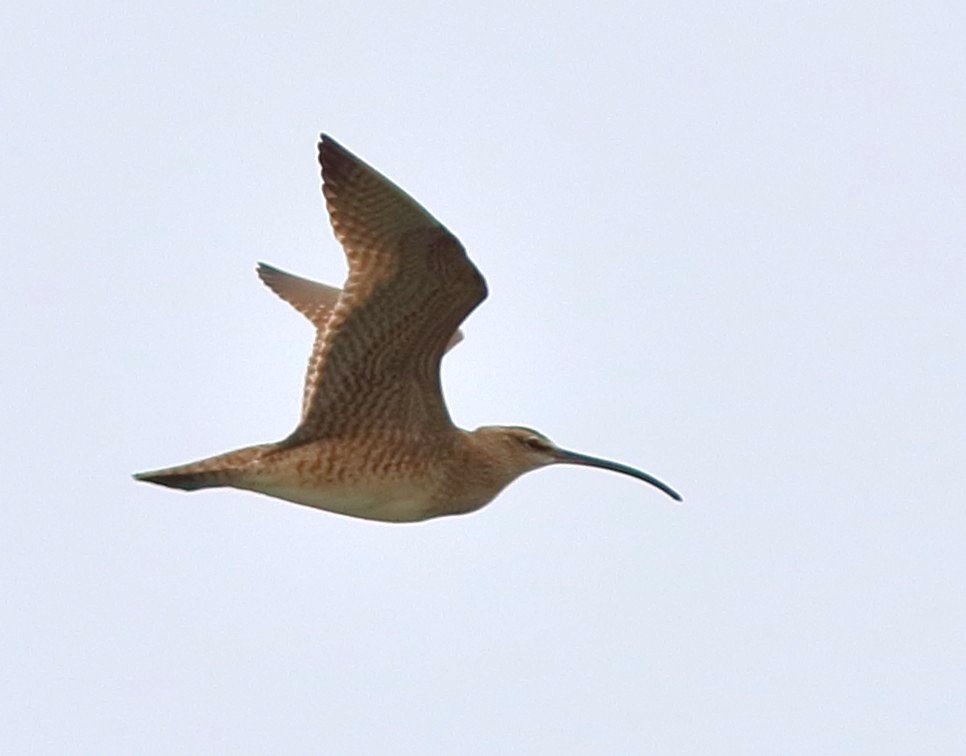
The first was a split of the Whimbrel into two species, the Hudsonian Whimbrel and the Eurasian Whimbrel. Prior to the change, Whimbrels were recognized as living all across the globe. The structural and breeding location differences between the two led scientists to declare that the Hudsonian Whimbrel lives in the Western Hemisphere and the Eurasian Whimbrel lives in the Eastern Hemisphere and they rarely meet or hybridize. To us local birders there is no problem. Everything we see here is now a Hudsonian Whimbrel. Deveaux Bank is a major stopping spot for this species with an estimated 40% of the population visiting Deveaux Bank.
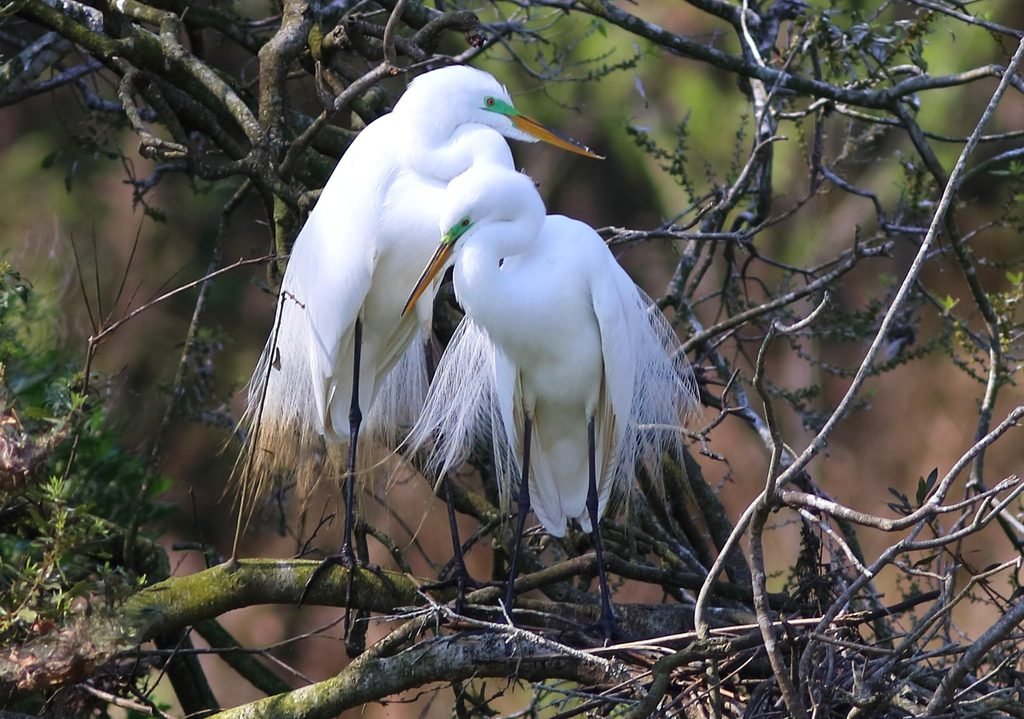
Another similar spit occurred with our Great Egret. Many people complain that name changes are annoying. After one has been birding long enough, this gets to be old hat. I can remember when this bird was the Common Egret, then changed to American Egret, then the Great Egret. You may occasionally hear me call them the Great, American, Common Egret. The new name is back to American Egret. American Egrets live in the Western Hemisphere while the bird now named the Great Egret lives in the Eastern Hemisphere. Once again this poses no identification problem for us local birders. If you are an Ebirder, you will see these name changes on your Ebird lists.
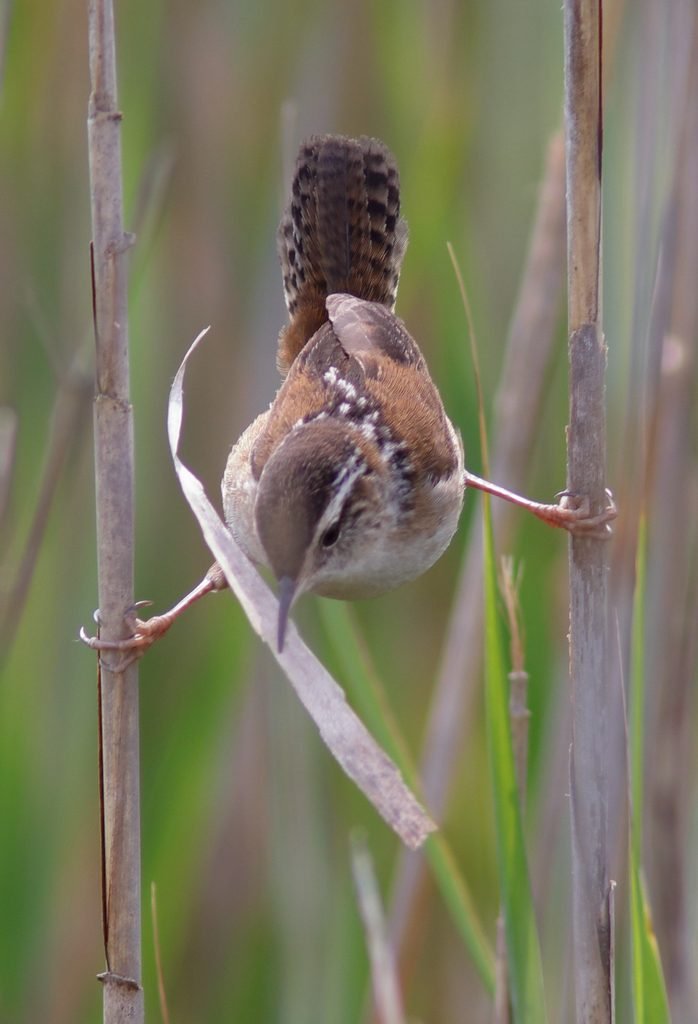
The Marsh Wrens we hear singing in the marshes of Seabrook Island now carry the name Eastern Marsh-wren. When I started birding, the name was Long-billed Marsh Wren. The closely related Short-billed Marsh Wren had its name changed to Sedge Wren to alleviate confusion. This year, the Marsh Wren species became two species, the Eastern Marsh-wren and the Western Marsh-wren. The original Marsh Wren species contained 14 subspecies. This complicates the taxonomy considerably. The good news for us local birders, is the birds we see and hear on Seabrook Island are all Eastern Marsh-wrens. Those of us who travel face a challenge. The primary difference is song and location. As the knowledge about the characteristics of this split becomes more readily available, people traveling out west need to pay attention. It will be interesting to see if eBird updates the identification on the Marsh Wrens I have seen out west.
The fourth change happened to a very common summer resident where I live in Pennsylvania and a visitor in South Carolina during migration, the Yellow Warbler. We recognize its bright yellow male with the red streaking and the softer colored female and young. Even in the fall, these birds show yellow throughout their body all the way through the tail. What we see in Pennsylvania and South Carolina now carries the name Northern Yellow Warbler.
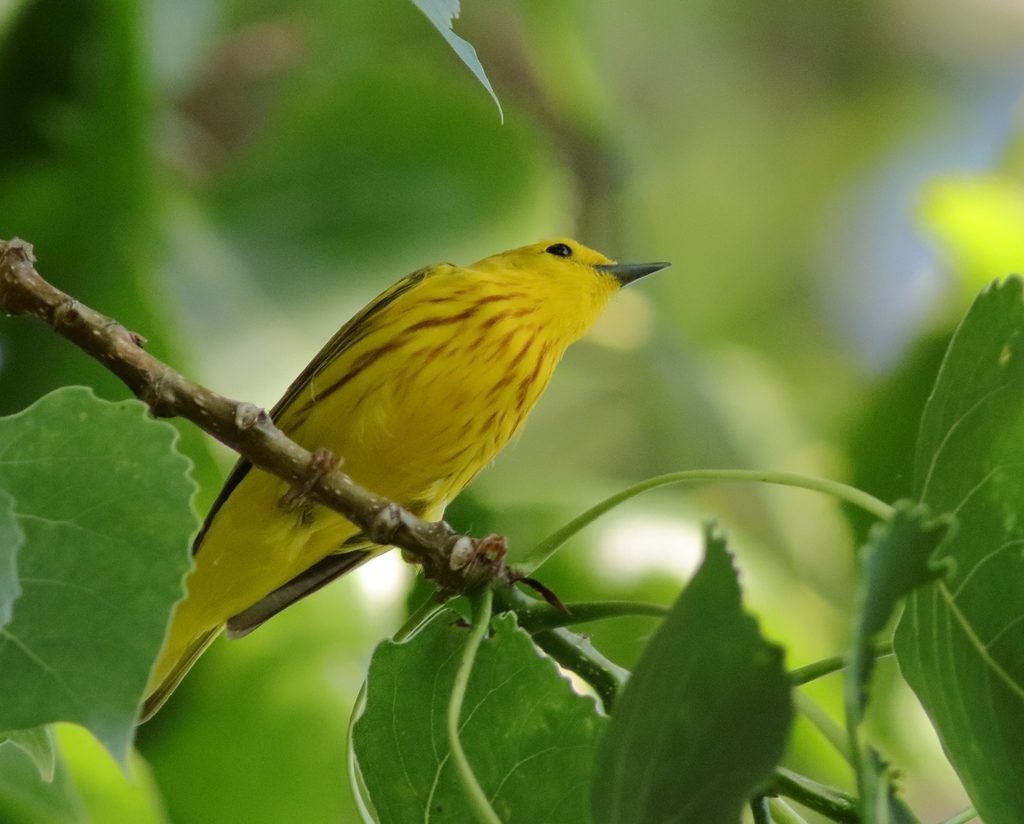
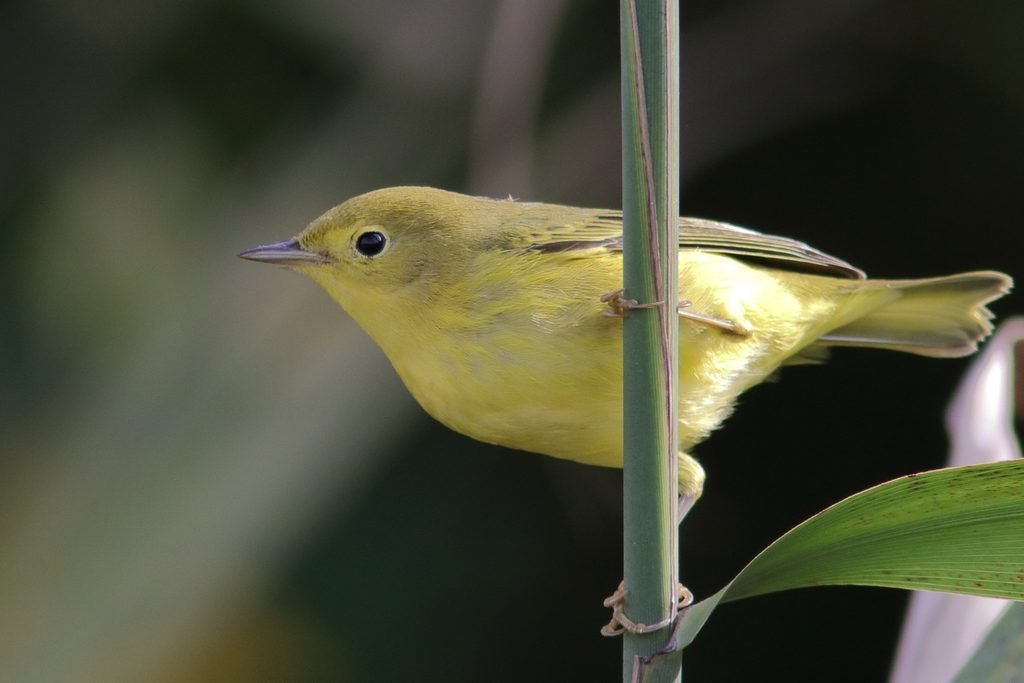
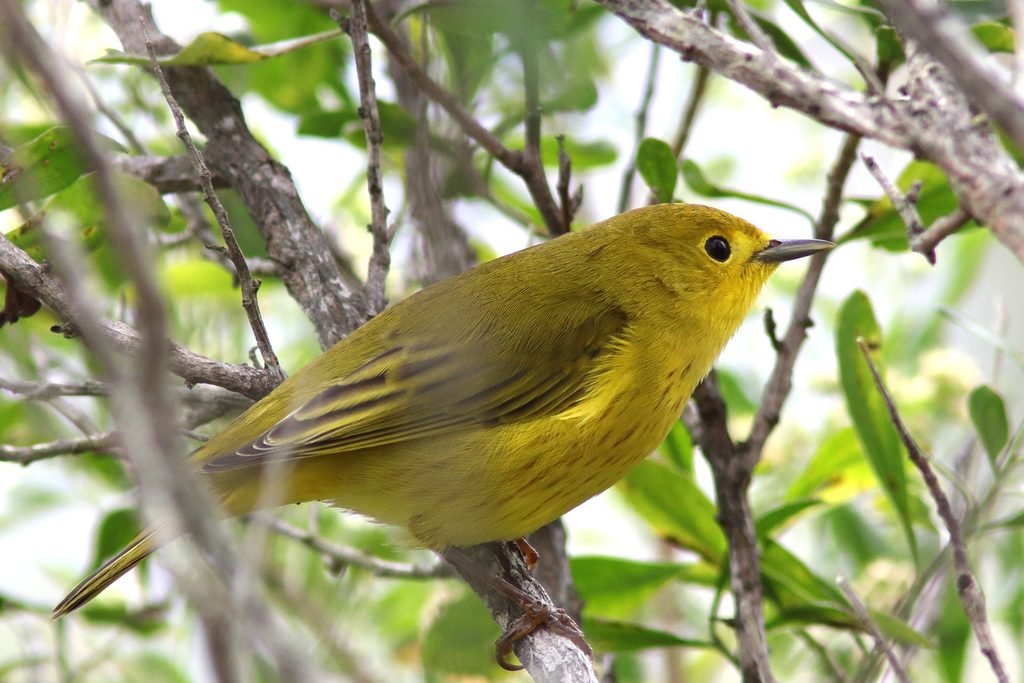
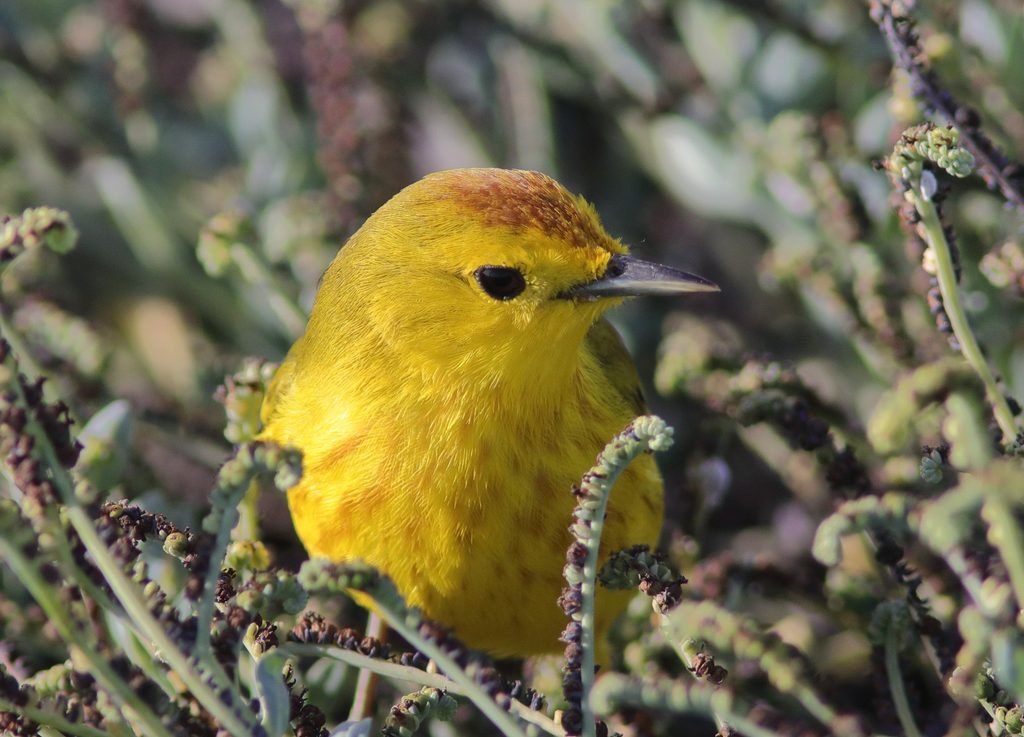
One would think that the new species would be called the Southern Yellow Warbler, but not so. The new name is Mangrove Yellow Warbler. In the contiguous United States, this species can be seen occasionally in the southern tip of Forida and in the southern tip of Texas. usually among the Mangrove trees along the saltwater edges. More common along the coasts throughout much of South America and the Caribbean, the Mangrove Yellow Warbler usually sports a chestnut-colored hood or cap on the head of the male. The female may not have any chestnut.
The Mangrove Yellow Warblers we saw on the Galapagos Islands did not have any chestnut but were much grayer than our Northern Yellow Warbler. Often residents of islands, the Mangrove Yellow Warbler exhibits tremendous evolutionary diversity with 28 subspecies recognized. Many of these restricted to a specific island.
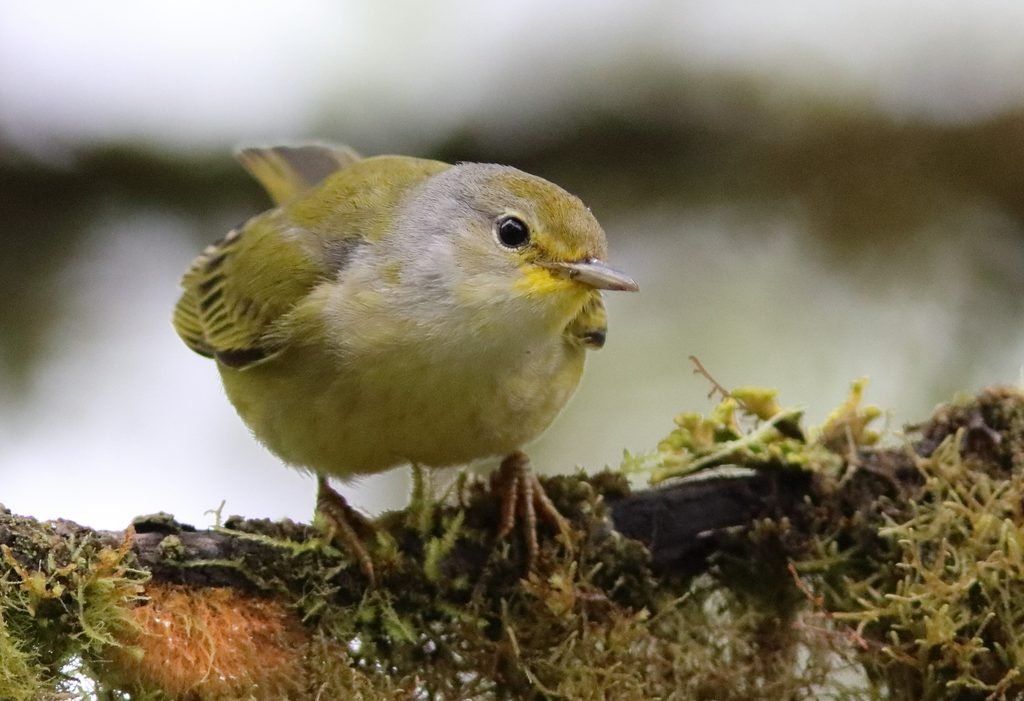
The last change does create some challenges for us local birders. The Willet, that common year-round bird flying and displaying on our beaches and marshes has been split into the Salt-marsh Willet and the Prairie Willet. Formerly the subspecies were Eastern Willet and Western Willet. With this name change, the decision to use the primary breeding habitat as the descriptive name may help with understanding why the species were split. The complication comes from the non-breeding territories of these two species.
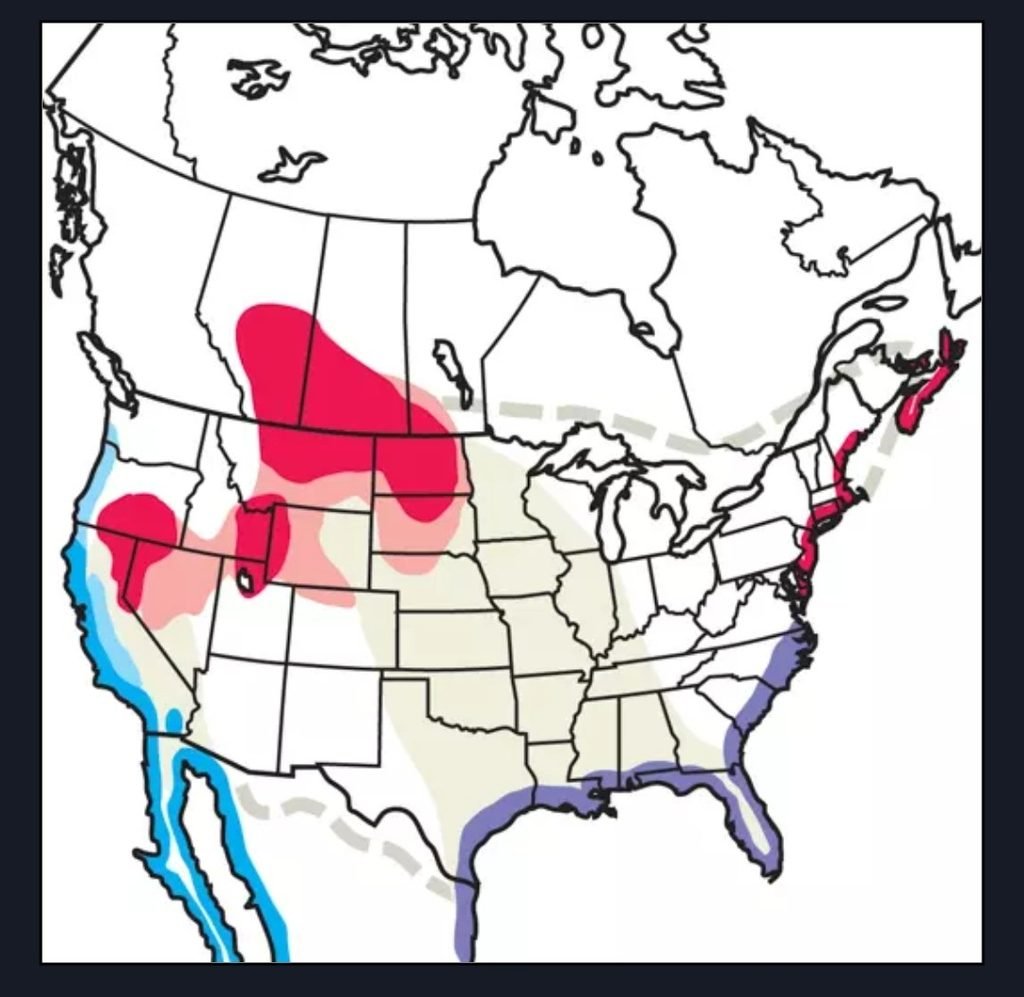
Look at any current filed guide such as this image snipped from the Audubon digital guide and you can see two very distinct populations. A current field guide shows that the Willet is a year-round resident of the southern coast (purple). It breeds out west and along the northern east coast (red) and winters out west and all the way down to South America (blue). That year round along the southern east coast defines the zone of confusion. The Saltmarsh Willet breeds along the eastern coast and is the bird we see and hear in our marshes from April to August. By September, these birds leave our area and spend the winter in the Caribbean and South America. The Prairie Willet breeds in the center of the country, BUT it migrates to our coast, arriving from late-June to mid-July. So, yes Willets are year-round residents in South Carolina, but it is not the same species anymore. What are you looking at between June and August? Therein lies the challenge. If you want to know which species you see, anything from September to April is a Prairie Willet. Most willets seen between April and mid-June are Eastern Willets. Anything in between June and September could be either species.
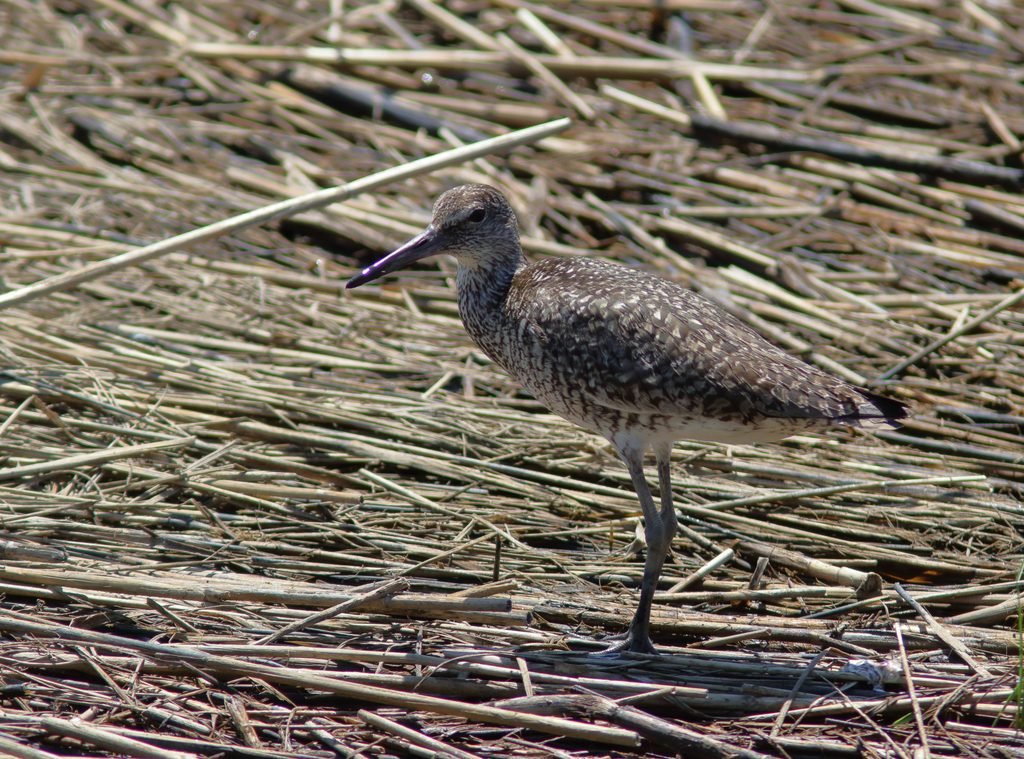
What is the difference? The following set of pictures may help. The first set of pictures shows the Saltmarsh Willet. These birds are in breeding plumage as that is what they are doing here. They can be found more often in the marshes than the beach. Note the warm brown color on a heavily streaked bird.
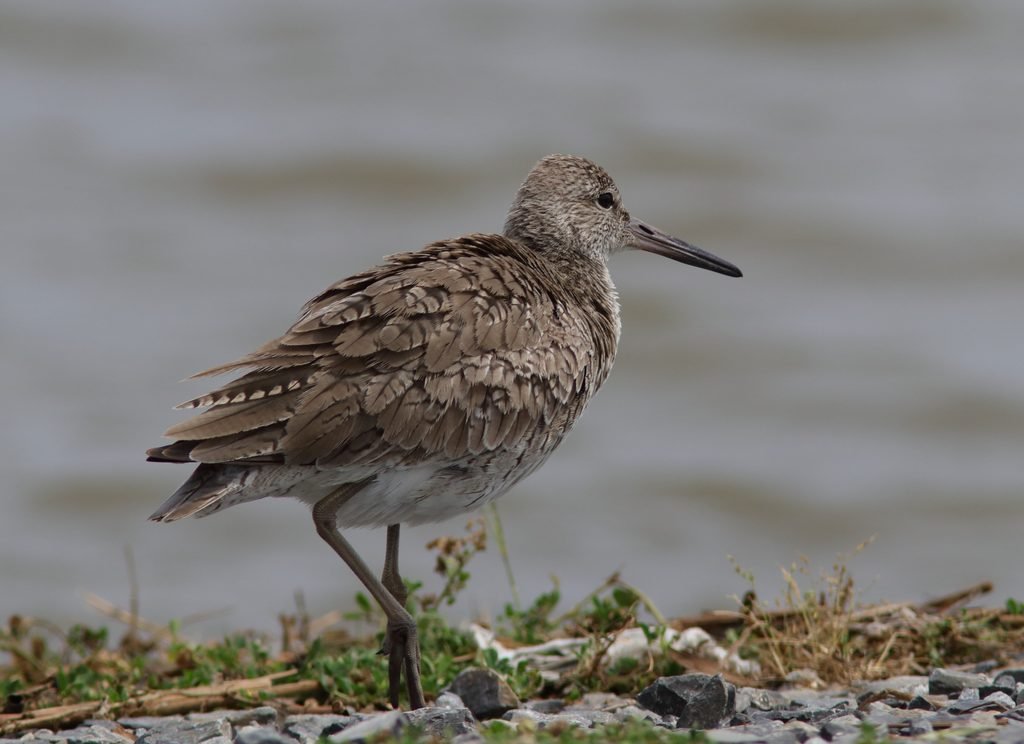
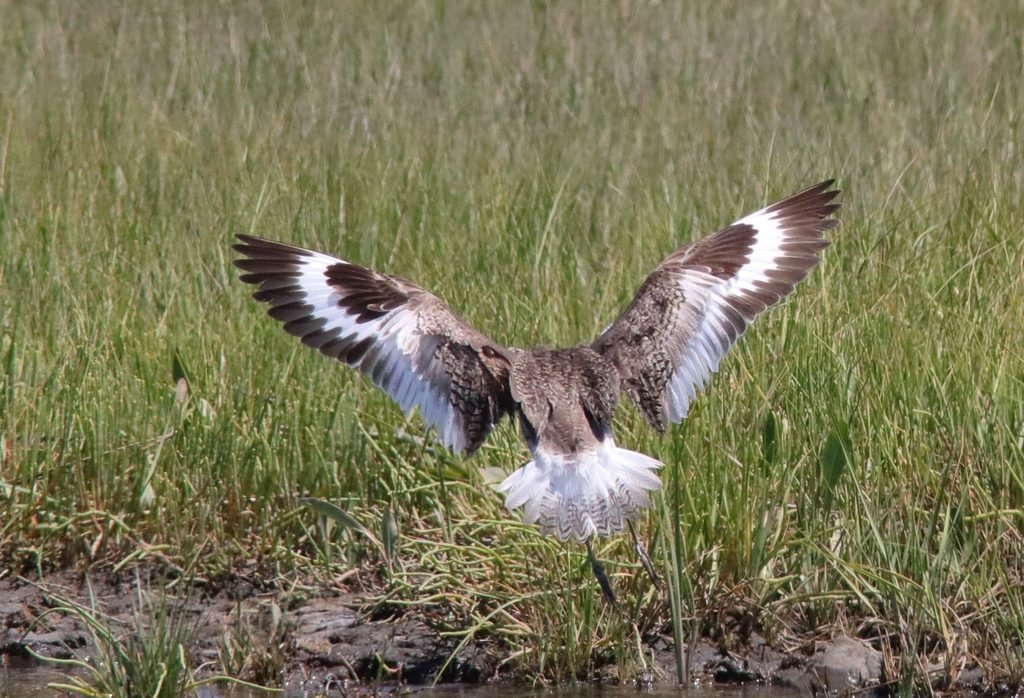
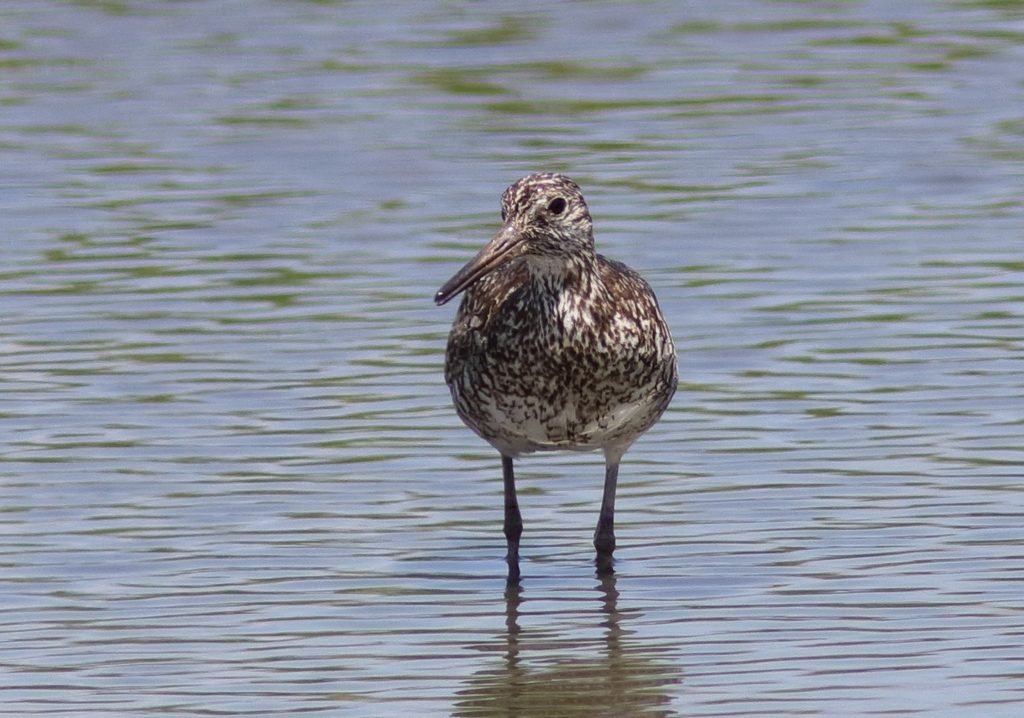
Now for the Prairie Willet. Notice the soft pale color with few streaks. When it goes into breeding plumage, it will be streakier. The Prairie Willet often hangs around on the beach. The sand-like colors would help protect the bird. During the breeding season, the heavy marking help the birds blend in with the vegetation where they build their nests. The Prairie Willet is also a larger bird with a more tapered beak.
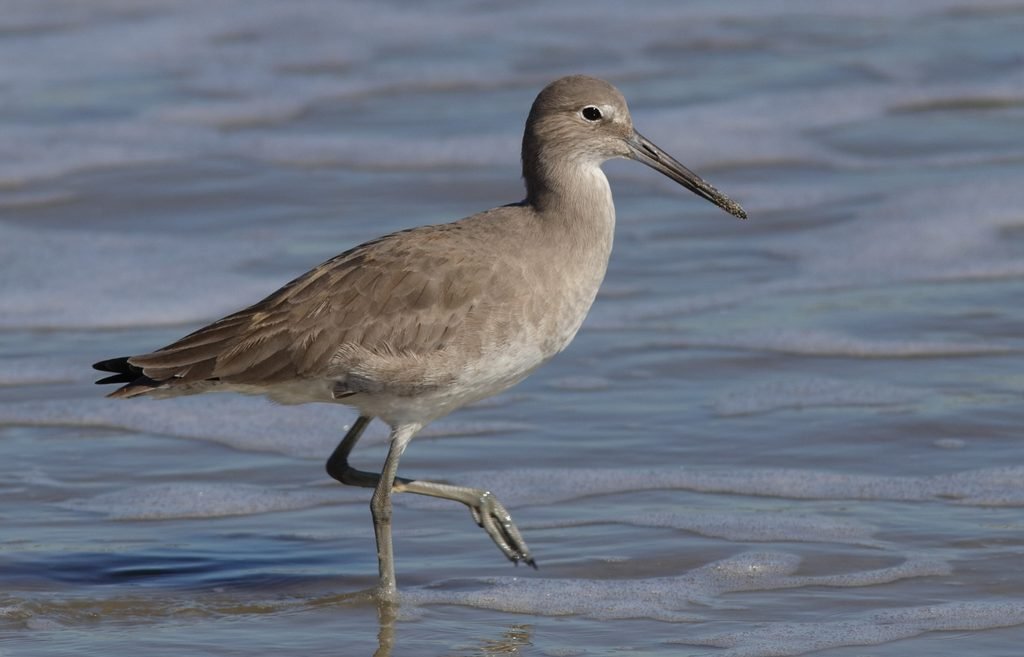
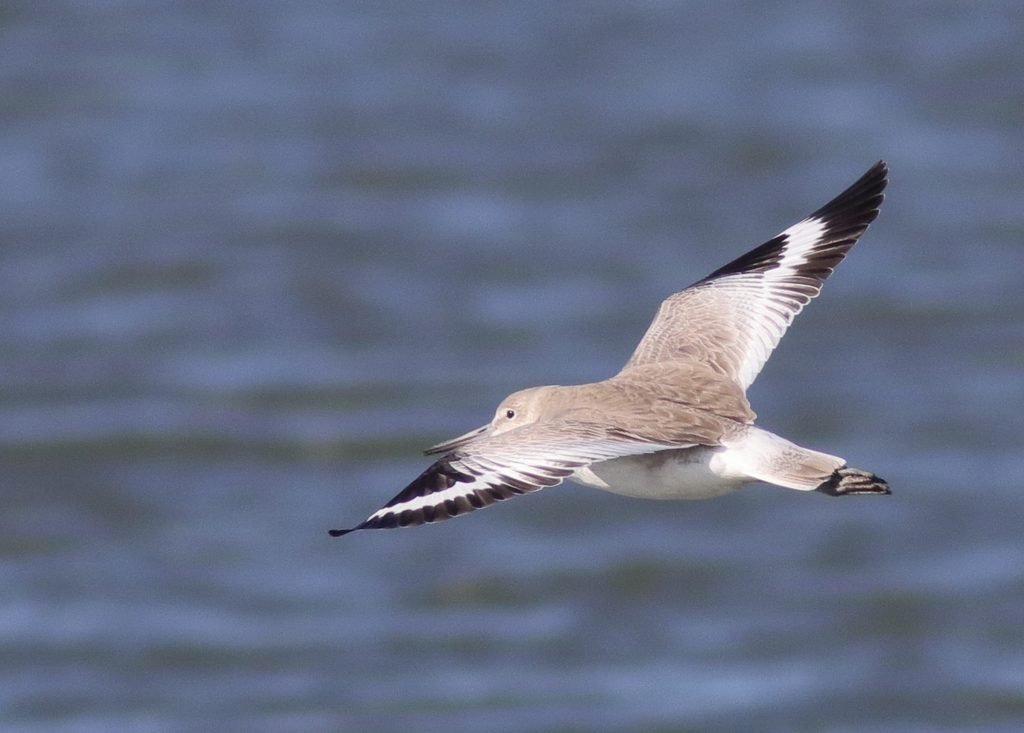
What happens in April as the Saltmarsh Willet arrive and the Prairie Willets leave? Or, between Late June and Late August?
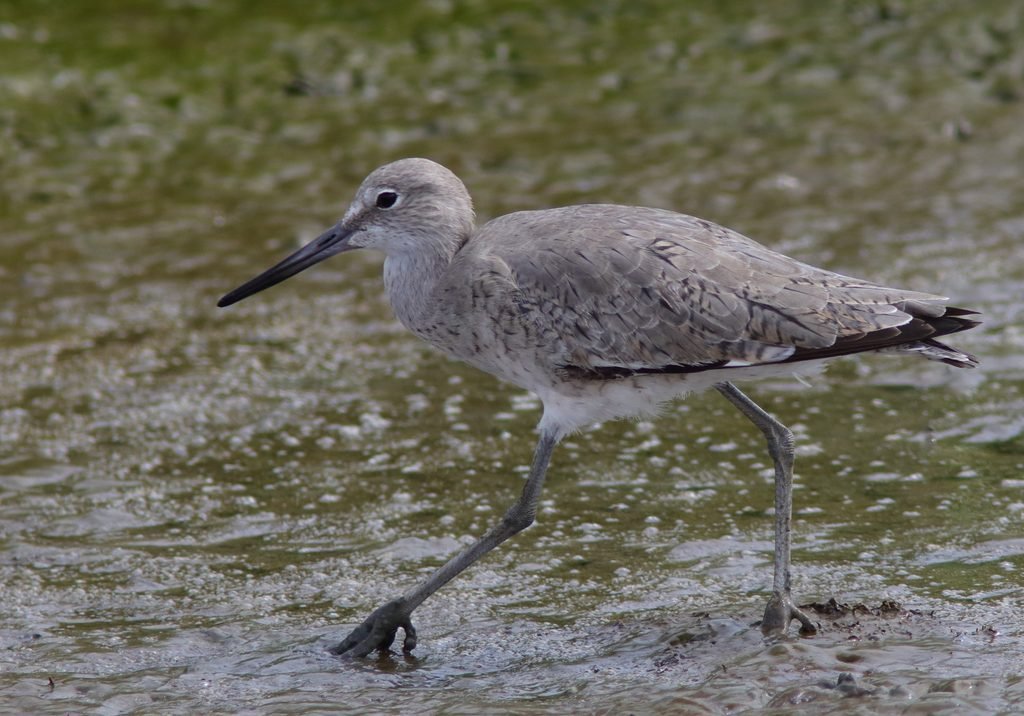
This image shows a bird we saw on our trip through Texas in April 2024. The bird is molting into its breeding plumage. I assume it is a Prairie Willet, but I cannot tell for certain. During those windows where both species may be nearby, it is time to look very closely to see if you can make an educated guess.
To learn more about the willet identification characteristics, visit this website Subspecific Identification of the Willet Catoptrophorus semipalmatus – Birding
I believe that by the time you read this, Ebird will have the updated names. It will be interesting to see if they automatically make a change to each of our Ebird lists based upon where we were and when we saw birds like the old Yellow Warbler, Willet, and Marsh Wren. I know I should add some “life birds.” How about you?
Submitted by Bob Mercer
Leave a Reply